
Tuesday, November 10, 2026Nov 10

Why allowing Ukraine to ship grain during Russia’s war matters to the world

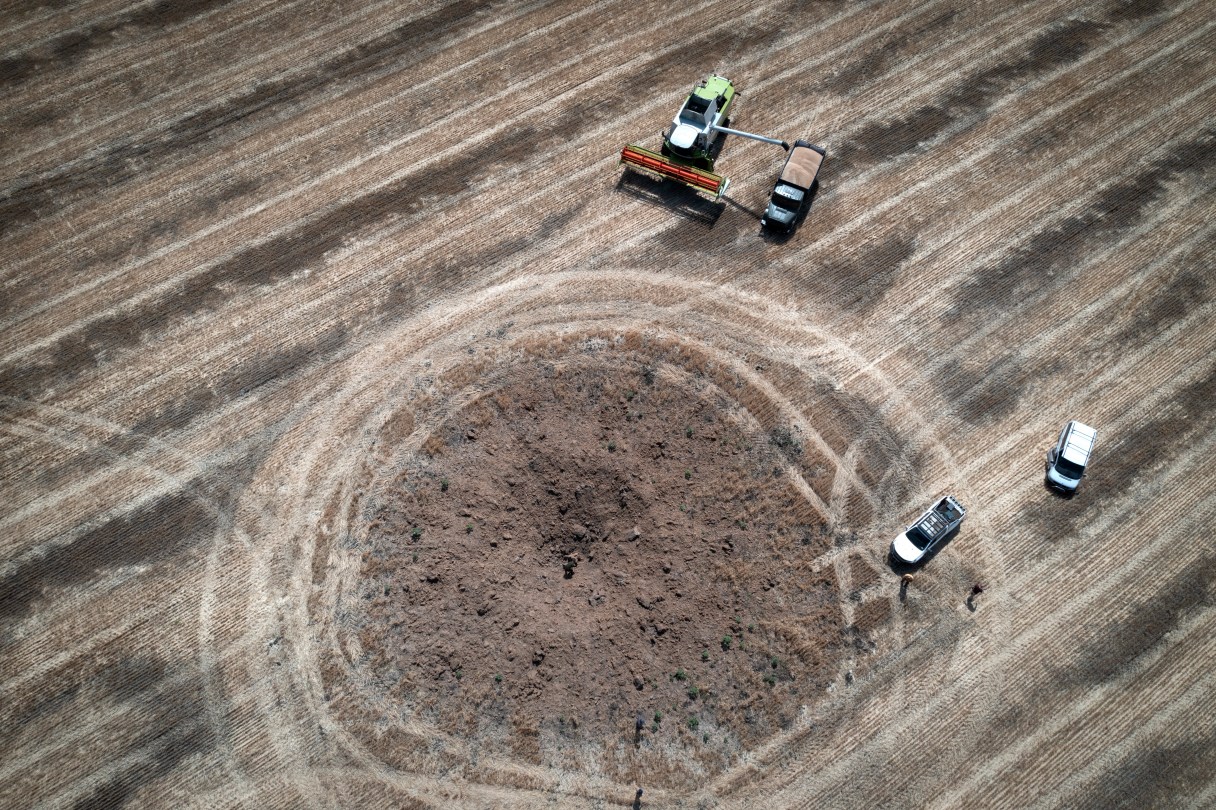
FILE - A farmer collects harvest in a field ten kilometers from the front line, around a crater left by a Russian rocket in the foreground, in the Dnipropetrovsk region, Ukraine, July 4, 2022. Agreements that the U.N. and Turkey brokered with Ukraine and Russia to allow food and fertilizer to get from the warring nations to parts of the world where millions are going hungry have eased concerns over global food security. But they face increasing risks. Moscow has ramped up its rhetoric, saying it may not extend the deal that expires Monday July 17, 2023, unless its demands are met. (AP Photo/Efrem Lukatsky, File)
FILE - A farmer collects harvest in a field ten kilometers from the front line, around a crater left by a Russian rocket in the foreground, in the Dnipropetrovsk region, Ukraine, July 4, 2022. Agreements that the U.N. and Turkey brokered with Ukraine and Russia to allow food and fertilizer to get from the warring nations to parts of the world where millions are going hungry have eased concerns over global food security. But they face increasing risks. Moscow has ramped up its rhetoric, saying it may not extend the deal that expires Monday July 17, 2023, unless its demands are met. (AP Photo/Efrem Lukatsky, File) FILE - A farmer collects harvest in a field ten kilometers from the front line, around a crater left by a Russian rocket in the foreground, in the Dnipropetrovsk region, Ukraine, July 4, 2022. Agreements that the U.N. and Turkey brokered with Ukraine and Russia to allow food and fertilizer to get from the warring nations to parts of the world where millions are going hungry have eased concerns over global food security. But they face increasing risks. Moscow has ramped up its rhetoric, saying it may not extend the deal that expires Monday July 17, 2023, unless its demands are met. (AP Photo/Efrem Lukatsky, File)

LONDON (AP) — Agreements that the United Nations and Turkey brokered with Ukraine and Russia to allow food and fertilizer to get from the warring nations to parts of the world where millions are going hungry have eased concerns over global food security. But they face increasing risks.

Moscow has ramped up its rhetoric, saying it may not extend the deal that expires Monday unless its demands are met, including ensuring its own agricultural shipments don’t face hurdles.

The Black Sea Grain Initiative has allowed 32.8 million metric tons (36.2 million tons) of food to be exported from Ukraine since last August, more than half to developing countries, including those getting relief from the World Food Program.

If the deal isn’t renewed, “you will have a new spike for sure” in food prices, said Maximo Torero, U.N. Food and Agriculture Organization chief economist. “The duration of that spike will depend a lot on how markets will respond.”

The good news is some analysts don’t foresee a lasting rise in the cost of global food commodities like wheat because there’s enough grain in the world to go around. But many countries are already struggling with high local food prices, which are helping fuel hunger.