
Chattanoogans can expect to pay more for some COVID-19 services as the federal public health emergency that triggered funding for many disease-related programs is set to expire Thursday.
Under the public health emergency, the federal government allocated funds to offer various forms of free testing, vaccines and treatments, such as the antiviral drug Paxlovid. Those will remain available until current stockpiles run out, but without additional funding, those services will increasingly shift to the private sector, which means costs will be borne by insurance companies and individuals.
Uninsured people in Tennessee already have assumed the cost of testing since last year, and stockpiles of government-funded tests are dwindling. For now, free COVID-19 test kits remain available for pickup during business hours at the Hamilton County Health Department’s Third Street location.
Throughout the emergency declaration, insurers have been required to cover all costs associated with COVID-19 diagnostic testing at doctors’ offices or hospitals or reimburse out-of-network test claims. They’ve also been required to cover eight COVID-19 at-home tests per individual per month for free.
(READ MORE: Long COVID limbo: A Chattanooga man’s quest to solve his medical mystery)
Although some insurers may voluntarily cover some types of tests, it’s also possible that they won’t or those that do will require a copay — which is an added financial burden that could delay COVID-19 diagnosis and treatment, leading to sicker patients.
“Though the public health emergency for COVID-19 may be over, the virus still poses a threat to Hamilton County residents,” county health officer Dr. Stephen Miller said in an emailed statement, noting that vaccination is still the best way to prevent severe illness or hospitalization due to COVID-19.
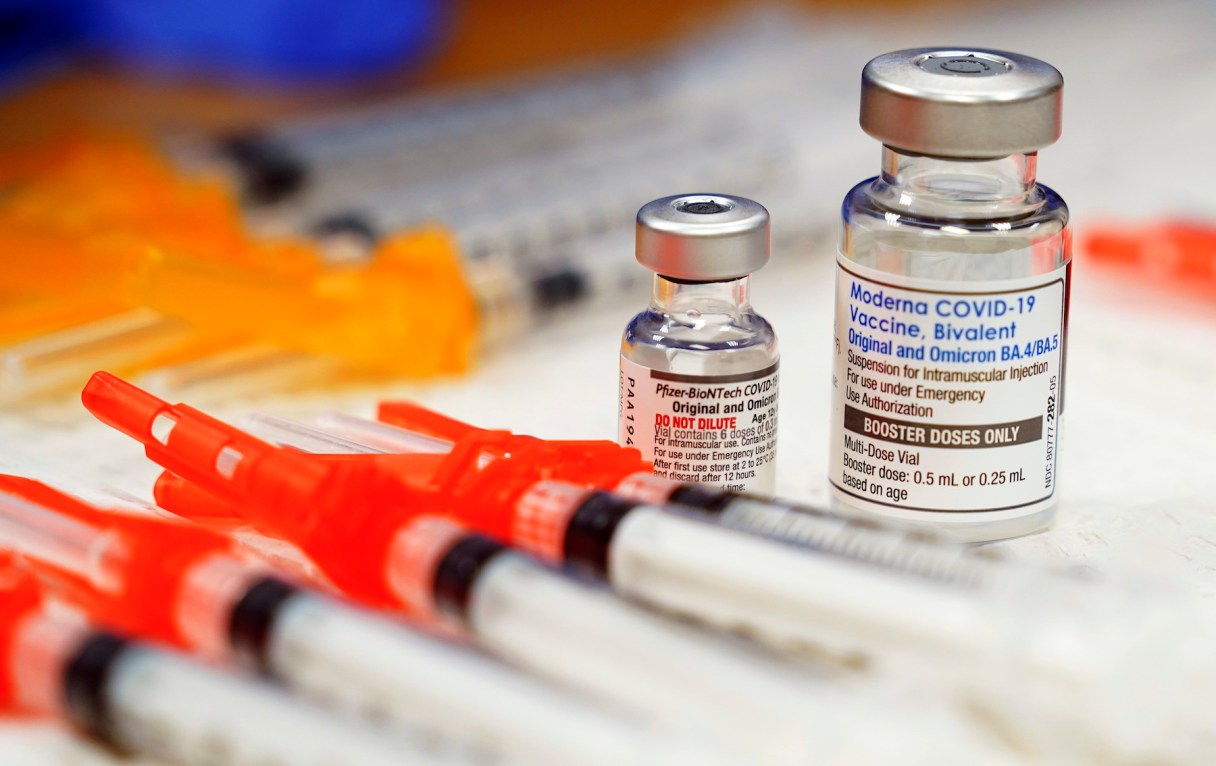
Updated Pfizer and Moderna vaccines continue to be available at all health department locations, he said.
Adults and children should stay home when sick to prevent the spread of disease, he said.
In terms of health department operations, Miller said the agency has been in the process of shifting back to in-person services as opposed to over the phone.
Mary Lambert, director of Chattanooga’s Office of Community Health, said in an email that the end of the COVID-19 public health emergency will have minimal impact on the office’s programs. Among those programs is the Biobot wastewater surveillance, which is continuing, she said. Biobot analyzes Chattanooga’s sewage for genetic fragments of the coronavirus.
(READ MORE: COVID-19 remains a leading cause of death in Tennessee despite fading public concern)
As the pandemic in the U.S. has slowed, so has the availability of data that reveals where and how rapidly the coronavirus is spreading. That’s due in part to the rise in at-home testing but also because public health agencies have scaled back COVID-19 reporting.
In a report last week, officials from the U.S. Centers for Disease Control and Prevention announced that the agency will phase out county-level metrics as well as national case counts. Instead, the CDC will focus on tracking hospitalizations and deaths to gauge the severity of future surges, similar to influenza surveillance. Monitoring for new variants will remain a focus, as well.
The Hamilton County Health Department continues to post weekly COVID-19 hospitalizations and deaths on Wednesdays but had not updated the past week’s data as of press time.
As of May 3, there were nine patients with COVID-19 in Hamilton County hospitals, including two in intensive care.
Throughout the pandemic, 1,291 Hamilton County residents have died due to COVID-19.
Though the World Health Organization has also recently ended its COVID-19 emergency declaration, the disease is still considered a pandemic among many public health experts given that cases continue to rise in countries around the world.
Contact Elizabeth Fite at efite@timesfreepress.com or 423-757-6673.