

Antisemitism in the United States, historians have concluded, made it easier for Germany to carry out the Holocaust of Jews beginning in the late 1930s and for the U.S. to, if not look the other way, at least play down what was happening.
By the end of World War II, more than 6 million Jews in Europe and millions of others who were targeted perished.
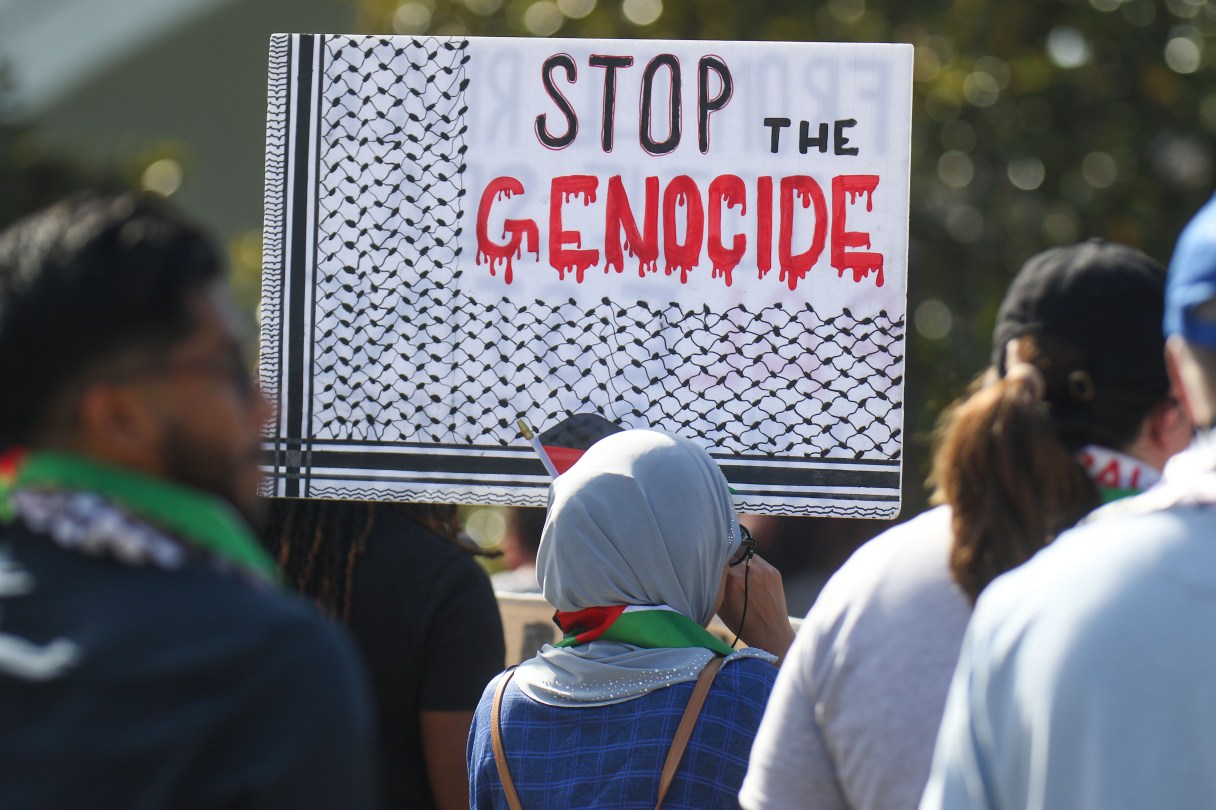
Will we in 80 years or so say we shouldn’t have looked away about the growing antisemitism in the U.S. today, seen locally and nationally in rallies against Israel’s right to defend its homeland?
Many people in the U.S. today likely have little idea about the antisemitism in this country before WWII. But just like today, when members Congress, prominent Hollywood actors and other celebrities have taken the side of the Hamas terrorists who attacked Israel earlier this month, the pre-WWII elements of U.S. antisemitism could be found in pronouncements by the likes of automobile manufacturer Henry Ford, lionized aviator Charles Lindbergh and prominent Catholic radio preacher Father Charles Coughlin.
By 1938, when the persecution of Jews was underway in Germany, a U.S. poll found that about 60% of respondents had a low opinion of Jews and used words such as “dishonest,” “greedy” and “pushy” to describe them.