
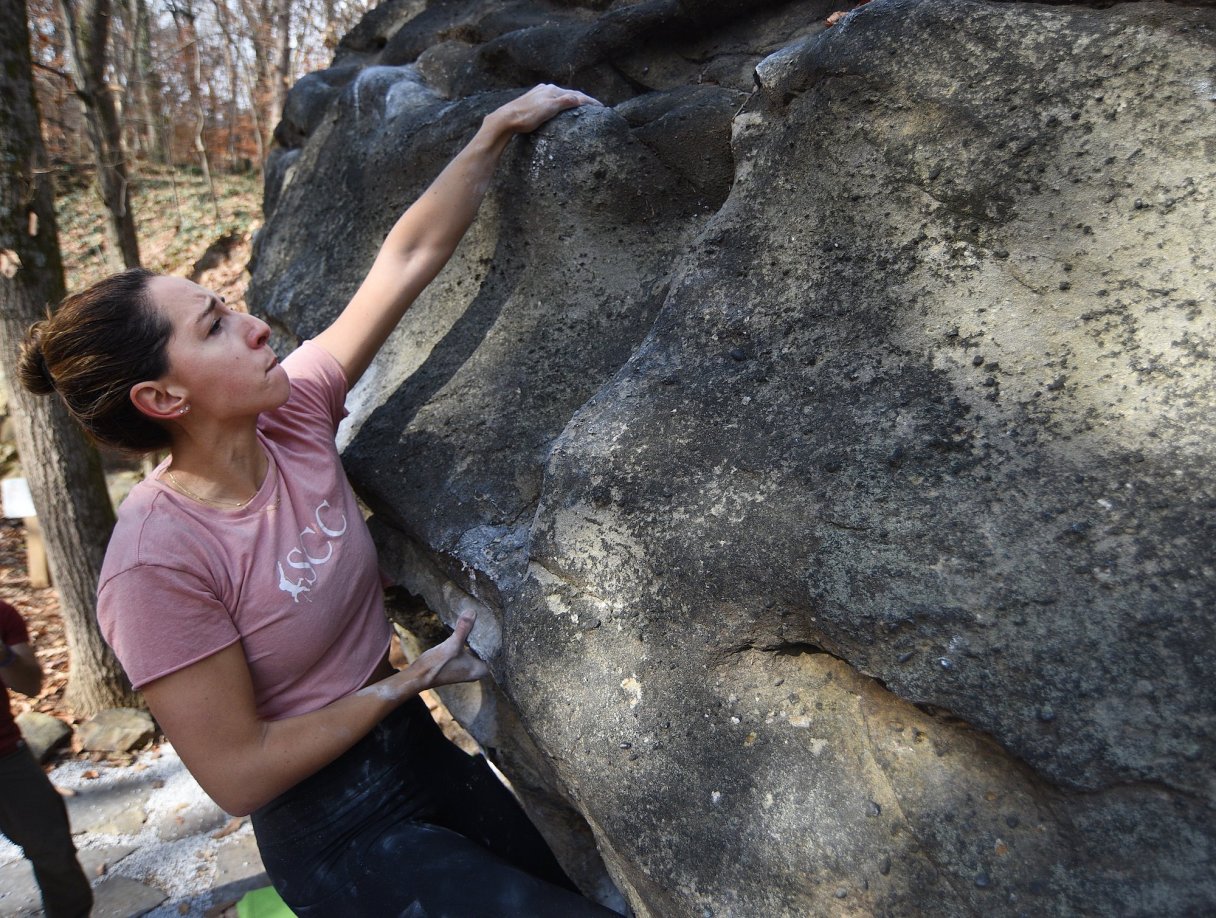
Climbers visiting a seven-county region around Chattanooga annually spend about $12.6 million at local businesses, supporting $3.6 million in wages and 113 full- and part-time jobs, according to a new study.
An analysis released by the Access Fund, the Southeastern Climbers Coalition and the East Tennessee Climbers Coalition evaluates tourism and spending in four prominent climbing locations in Tennessee: Chattanooga, the Obed Wild and Scenic River, Kings Bluff and Big South Fork.
In total, the authors estimated the four locations received 113,000 visits, spurring $14.3 million in spending and supporting 126 jobs — most of those in the Chattanooga area. In the region around Hamilton County, climbers spent most of the $12.6 million on lodging, food and gasoline.
Caleb Timmerman, marketing and outreach director for the Southeastern Climbers Coalition, said there’s an incredibly high concentration of quality rock climbing spots within a short drive of downtown Chattanooga.
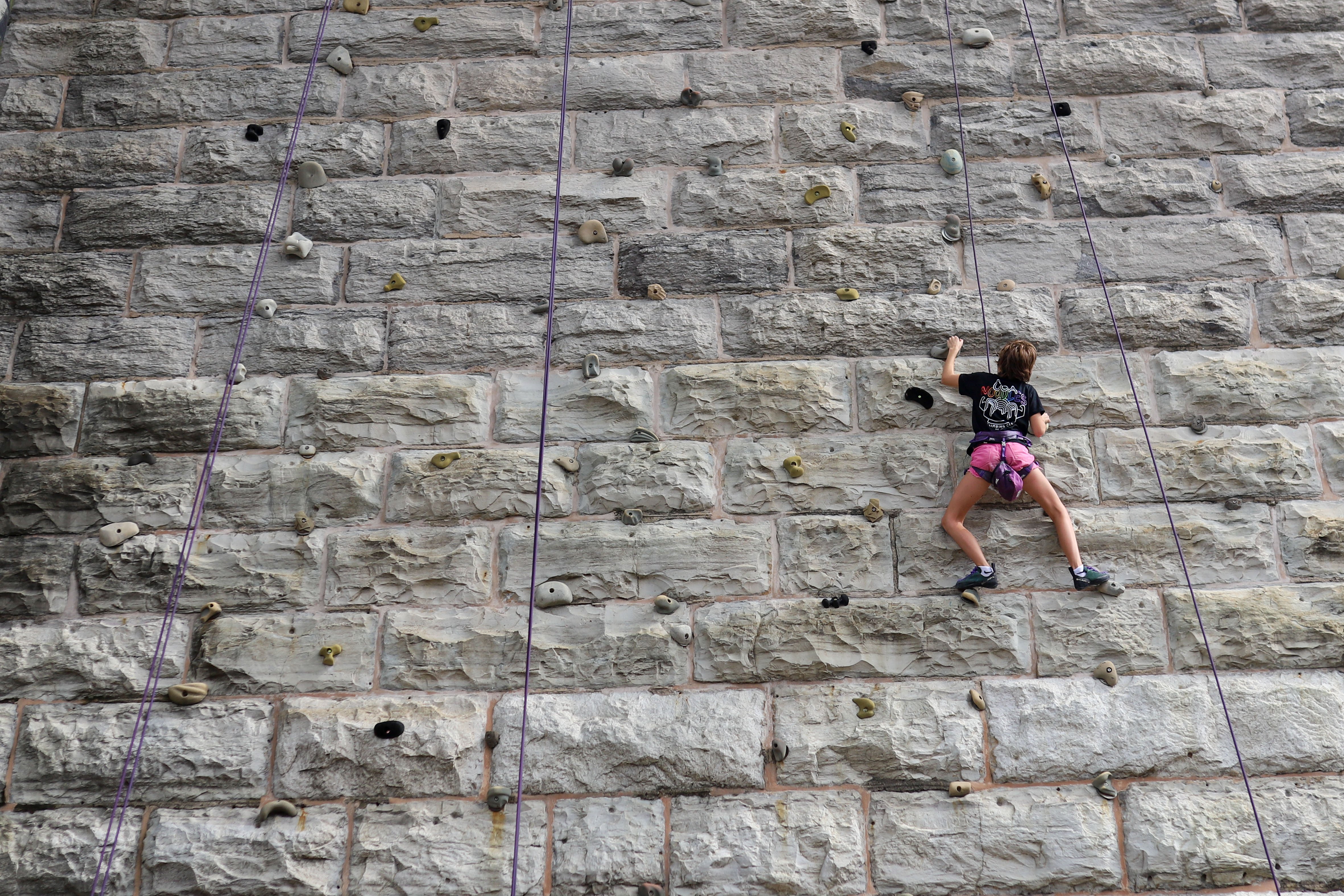
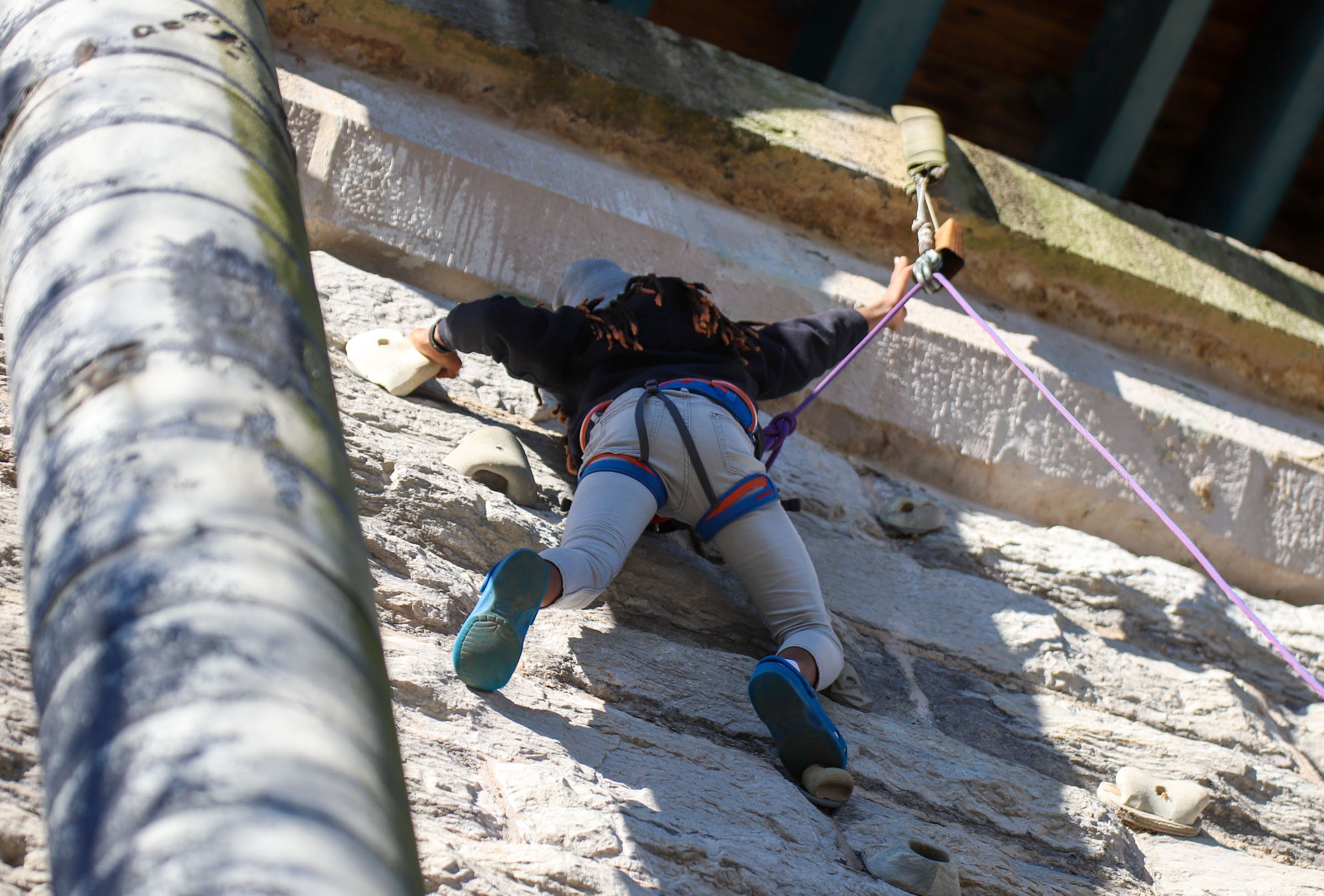
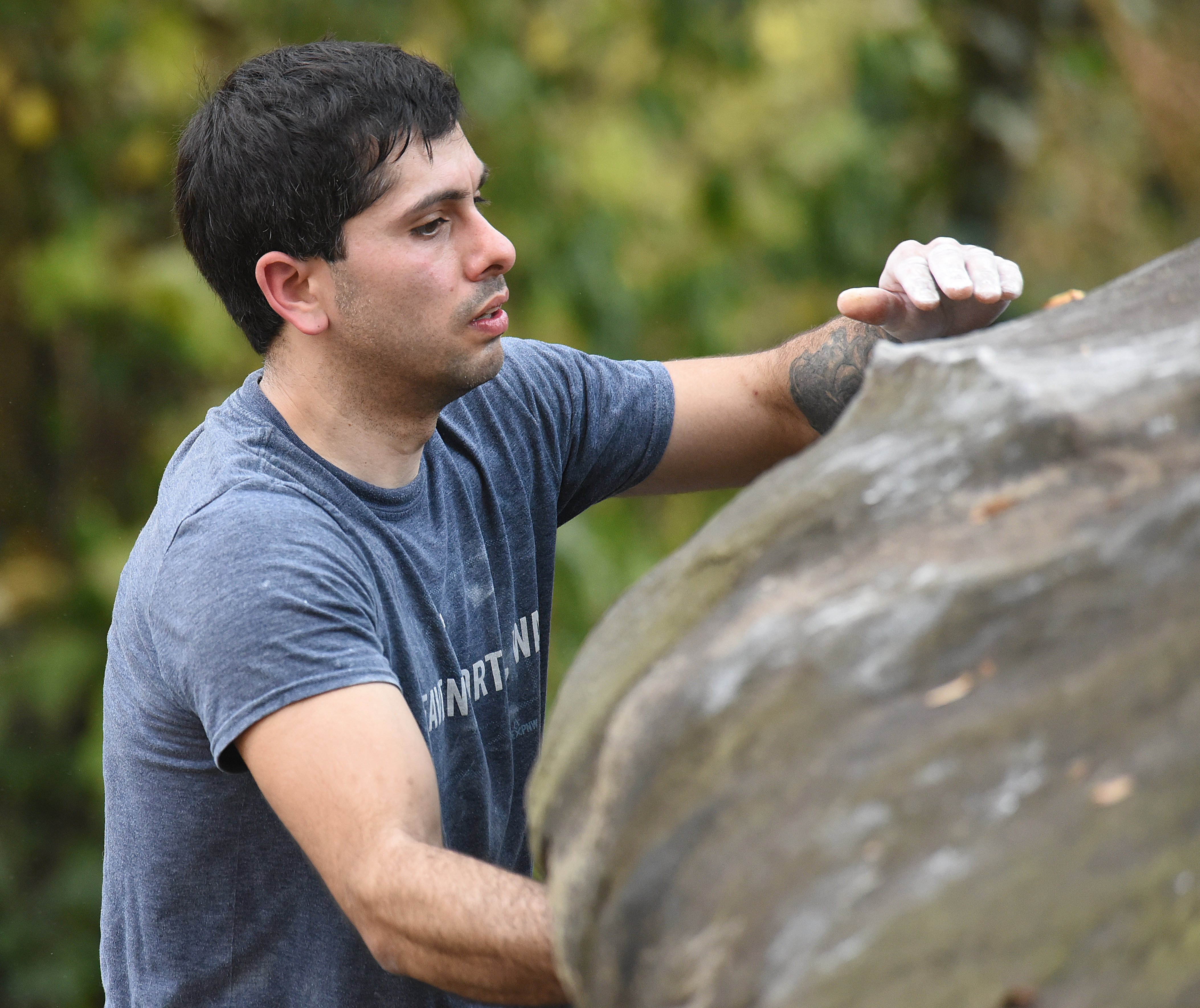
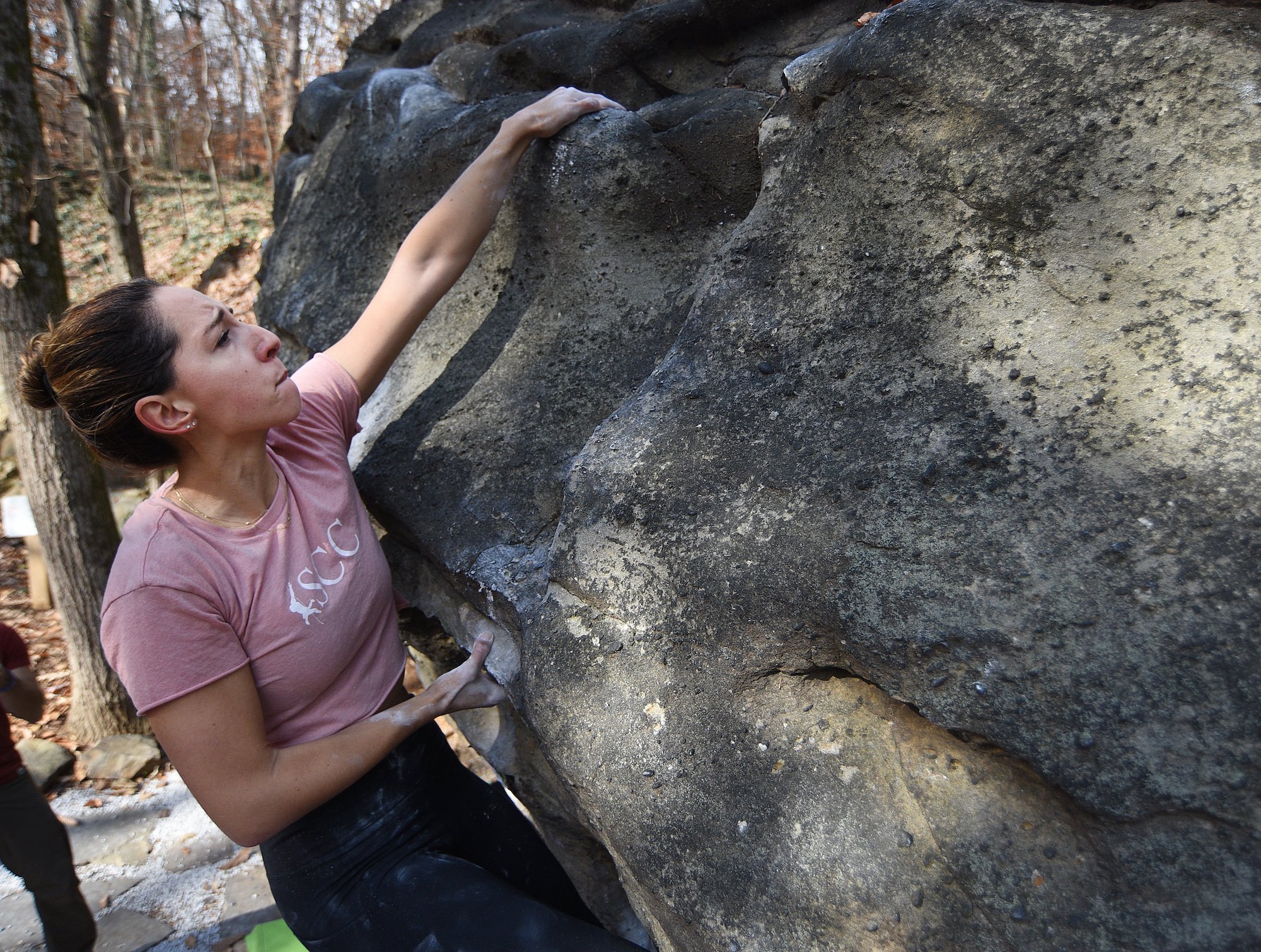
“It’s pretty renowned throughout the Southeast as the hub of the most climbing you can experience for a trip,” he said in a phone call. “Chattanooga is definitely the place where you can get the most diversity of experience. … If you want to climb really overhung, steep roofs, you can do that. If you want to climb really difficult, challenging, shorter boulder problems, you can do that. And there’s multiple different sites in Chattanooga that really could fill multiple lifetimes of climbing — much less a weeklong trip.”
The study asked all participants to choose their climbing preferences from a list of options. About 70% said they primarily focused on sport climbing, which involves using permanent anchors installed on a rock face. The same proportion of people also enjoyed bouldering, where climbers typically travel shorter routes on large rocks without a rope. In Chattanooga specifically, the study said, there tends to be a slightly greater preference for bouldering over sport climbing.
Most climbers, approximately 70%, chose to stay overnight in Chattanooga and on average bunked for six days, according to the study. Across all four locations, about a third of participants said they used a rental cabin or house. The authors estimated that Chattanooga sees approximately 94,000 climbing visits per year, about a third of which, 66,740, were from people who live outside the region.
The Chattanooga area has been a climbing destination for decades, but it received a boost thanks to the development of tourism assets like the Tennessee Aquarium and the downtown riverfront, according to Drew Bailey, a professor at the University of Tennessee at Chattanooga and one of the study’s authors.
There’s a high density of attractions in Chattanooga and plenty of places to spend money, which is likely why it’s the largest magnet for climbers compared to the other three locations studied, Bailey said.
“It’s just a great base camp,” he said in a phone call. “You can go any direction 10 to 15 minutes, and you’ve got just world-class climbing.”
Researchers collected data using an online survey, which they administered from Oct 20, 2022, to June 1, 2023. In total, 652 people started the survey, and 439 completed it. The study defines the Chattanoooga area as Hamilton, Marion, Sequatchie and Rhea counties in Tennessee and Catoosa, Dade and Walker counties in Georgia.
About 80% of all participants held at least a bachelor’s degree, and 30% reported earning incomes greater than $100,000 per year. About 66% of the respondents were men, and 85% were white.
Bailey said the study highlights the economic benefit of a largely unseen part of the tourism industry. It also makes the case for building trails and protecting access to climbing destinations, he said. He hopes city officials will put more resources into preserving necessary infrastructure. There should also be dedicated, full-time employees focused on those efforts. Much of that labor-intensive work is now done by volunteers.
“We have plenty of glossy photos of amazing destinations in Chattanooga,” Bailey said. “But we do need to come up with a sustainable way to manage the infrastructure for it.”
Gail Loveland Barille, the director of Outdoor Chattanooga, said the region’s natural landscape is a major reason why Hamilton County has been such a focal point for climbers. The city has an accessible bouldering area near St. Elmo at Old Wauhatchie Pike, and climbing competitions also attract people to the region.
In an email, spokesperson Maddi Myers-Osband said the Lookout Mountain Conservancy, which manages Old Wauhatchie Pike, doesn’t have a way of tracking climbers who visit its property, but its annual bouldering festival did attract 79 climbers in 2023. That same year, the organization hosted 82 people for Blk Out Fest, an event celebrating Black athletes, entrepreneurs and creatives.
Loveland Barille pointed out the vast majority of the study’s participants work in fields disconnected from the outdoor industry, a list that included scientists, engineers, teachers, accountants and more. About 1 in 5 participants have a career related to recreation, such as working as a climbing guide, in a gym or in sports therapy.
“One of our best selling points for anyone to come here, to live here, to visit here is the fact that we have this great quality of life that appeals to software developers and folks in automotive and all other industries,” she said in a phone calls.
Outdoor Chattanooga, a division of the city’s parks department, holds various events designed to teach people about mountain biking, kayaking, archery, climbing and more. The organization supports an annual conference, the Indoor Climbing Expo, and aims to assist climbers at every skill level.
“We start at the ground level,” Loveland Barille said.
David Floyd at dfloyd@timesfreepress.com or 423-757-6249.