
Another deadly virus has made its way to the Volunteer State as of the first week of December.
Avian or bird flu was detected in Hamilton, Catoosa, Walker and Dade counties, according to wastewater data from the U.S. Centers for Disease Control and Prevention for Dec. 1 through Dec. 7. While the data cannot determine the source of the virus, detections may come from a human or an animal, such as a bird, or an animal product like milk from an infected cow.
Dr. Stephen Miller, the health officer for the Hamilton County Health Department, said via email bird flu is a zoonotic type of flu, which is more likely to cause upper respiratory symptoms. Zoonotic diseases are those that spread between animals and humans.
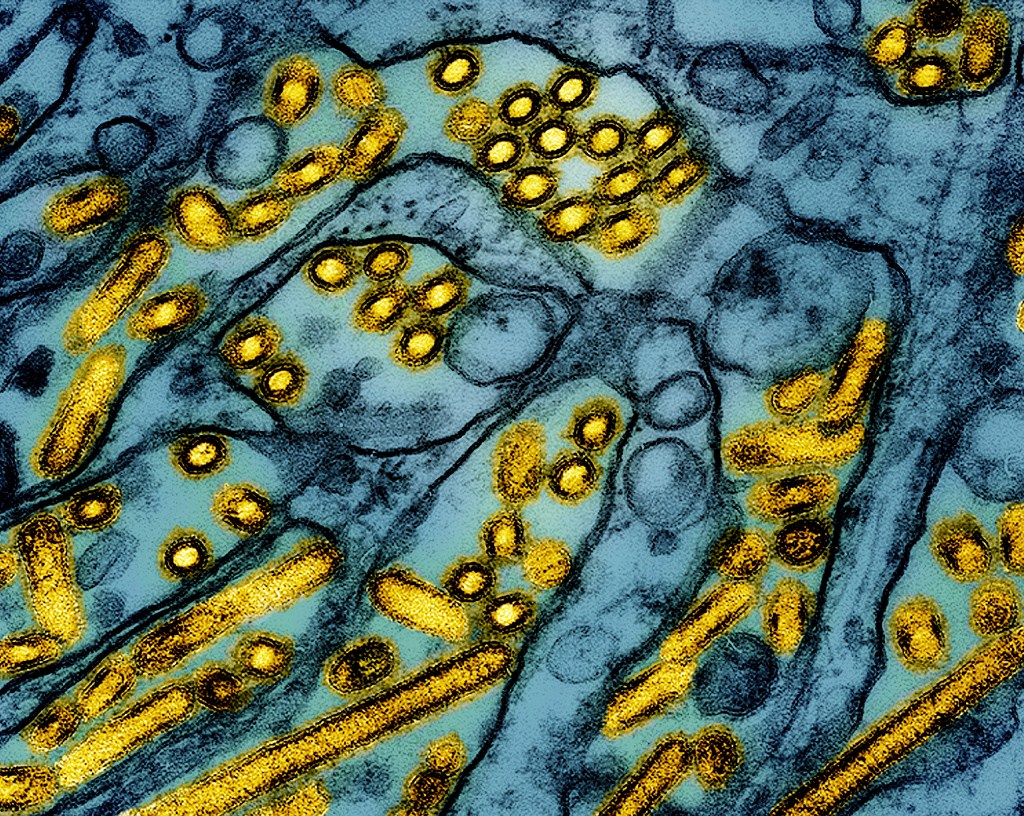
Bird flu is an avian strain of influenza type A, Miller said, or the subtype H5N1. Since the strain is observed in the bird population, it usually infects poultry farms and wild bird populations.
Cases among pig, cattle and buffalo populations are less commonly seen, Miller said.
Via email, Joeli Poole, the public information officer for the Hamilton County Health Department, said there are no confirmed cases in the county.
On Dec. 13, the CDC confirmed that an American patient was hospitalized with the first severe case of the bird flu in Louisiana. Since April, 61 cases of the illness have been reported in the United States.
The mortality rate for bird flu in humans is high, according to the Cleveland Clinic. While most recent cases in the United States have been mild, historically, around half of all people with known infections have died.
“The concern is that it can progress to pneumonia, which can lead to respiratory distress and death,” Miller said. “We do not normally see person-to-person transfer of this type of influenza, but governmental agencies monitor domestic and wild bird populations very closely to help prevent an outbreak of this virus.”
Jennifer King, a spokesperson for the North Georgia Health District, said there are no cases of the virus in the area.
WHO IS AT RISK
Miller said the people who contract bird flu are normally those who work in the agricultural industry or handle animals like chickens.
Bird flu symptoms
— Cough
— Runny nose
— Sinus congestion
— Diarrhea
— Vomiting
— Abdominal pain
Source: Hamilton County Health Department
He said they should be mindful of symptoms in the animals or wild birds that they are exposed to.
“Watch for signs of infection in these animals, such as eye drainage, difficulty breathing in the fowl, diarrhea, convulsions or even the presence of birds dying unexpectedly,” he said.
Infected animals may experience a lack of energy and appetite, decreased egg production, swelling of the head and eyelids among other areas, Liz Rivera-Brown, the deputy communications director for the Georgia Department of Agriculture, said via email.
PROTECTIVE MEASURES
Rivera-Brown said bird flu is most often spread by direct contact between healthy birds and infected wild and domestic birds.
“It may also be spread indirectly through contact with contaminated equipment, supplies and biological excretions,” she said. “You can defend your poultry flock against avian influenza by consistently practicing good biosecurity.”
How to avoid bird flu
— Remain current on flu vaccine
— Avoid handling dead birds either in the yard or in public
— Use gloves and a mask while disposing of dead birds if necessary
— Wash your hands and exposed areas thoroughly with soap and water
Source: Hamilton County Health Department
People should limit visitor access to their animals, monitor them for signs of illness and regularly clean and disinfect their tools, Rivera-Brown said.
Miller said it’s important for people to remain current on their flu vaccines, as current influenza immunizations are not specific for bird flu, which is rare.
Contact Leah Hunter at lhunter@timesfreepress.com or 423-757-6673.