
Friday, November 13, 2026Nov 13

Bill to end protections for Tennessee wetlands draws pushback

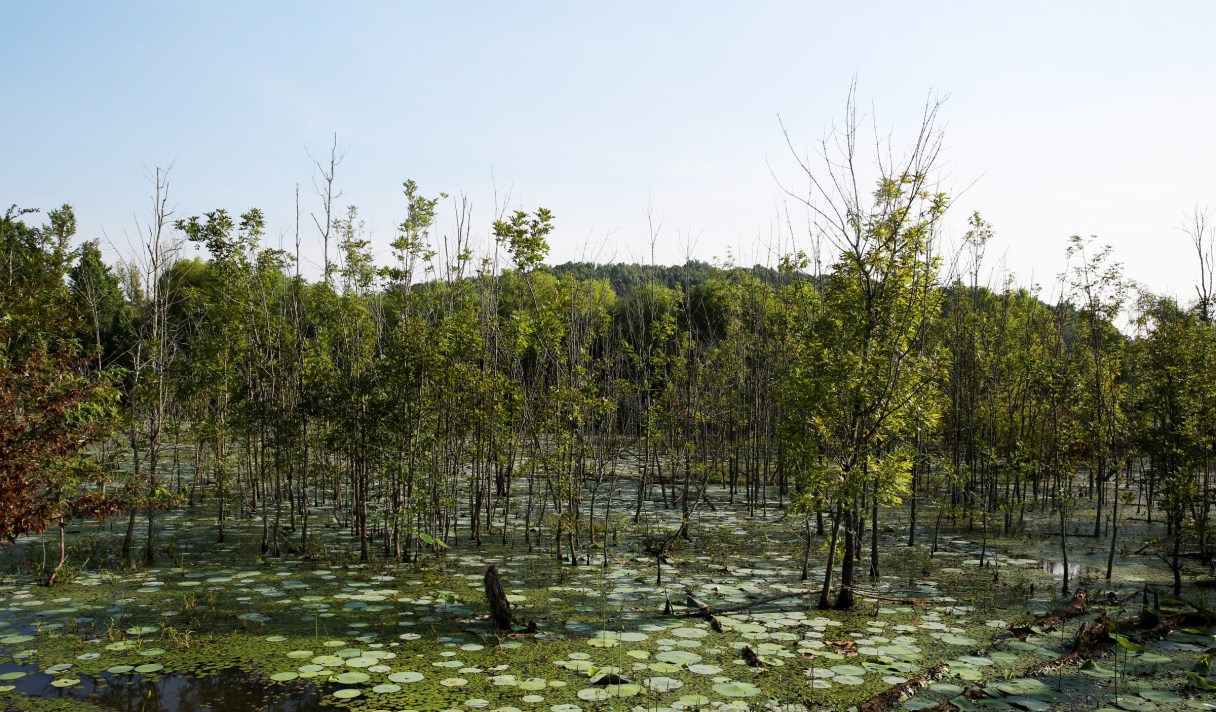
Staff photo / The Volkswagen property in Chattanooga is also home to a marsh. The wetlands on the property have a wide variety of wildlife, including beavers, birds, deer, turtles, dragonflies, frogs, rabbits and otters. Legislation under consideration in the Tennessee General Assembly would eliminate rules that require developers and landowners to get state approval and pay mitigation fees before filling in, dredging or otherwise disturbing wetlands

State lawmakers are considering a rollback of protections for nearly half a million acres of wetlands in Tennessee, a proposal that is raising concerns over its potential to worsen flooding, deplete and degrade drinking water and impact hunting, fishing and other outdoor recreation.

The bill would eliminate rules that require developers and landowners to get state approval and pay mitigation fees before filling in, dredging or otherwise disturbing wetlands.

Rep. Kevin Vaughan, a Republican from Collierville who is sponsoring the bill, called the measure a needed check on “bureaucratic overreach” and “unnecessary inflation on the cost of construction.”

Getting state approval to build on wetlands is an expensive, time-consuming and often frustrating process for developers, said Vaughan, a West Tennessee developer. Vaughan also accused state environmental regulators of stretching the definition of wetland — to include muddied tractor ruts or ditches where cattails sprout from runoff.

(READ MORE: Report: ‘Forever chemicals’ in northeast Tennessee pose longterm risk to region’s drinking water)