
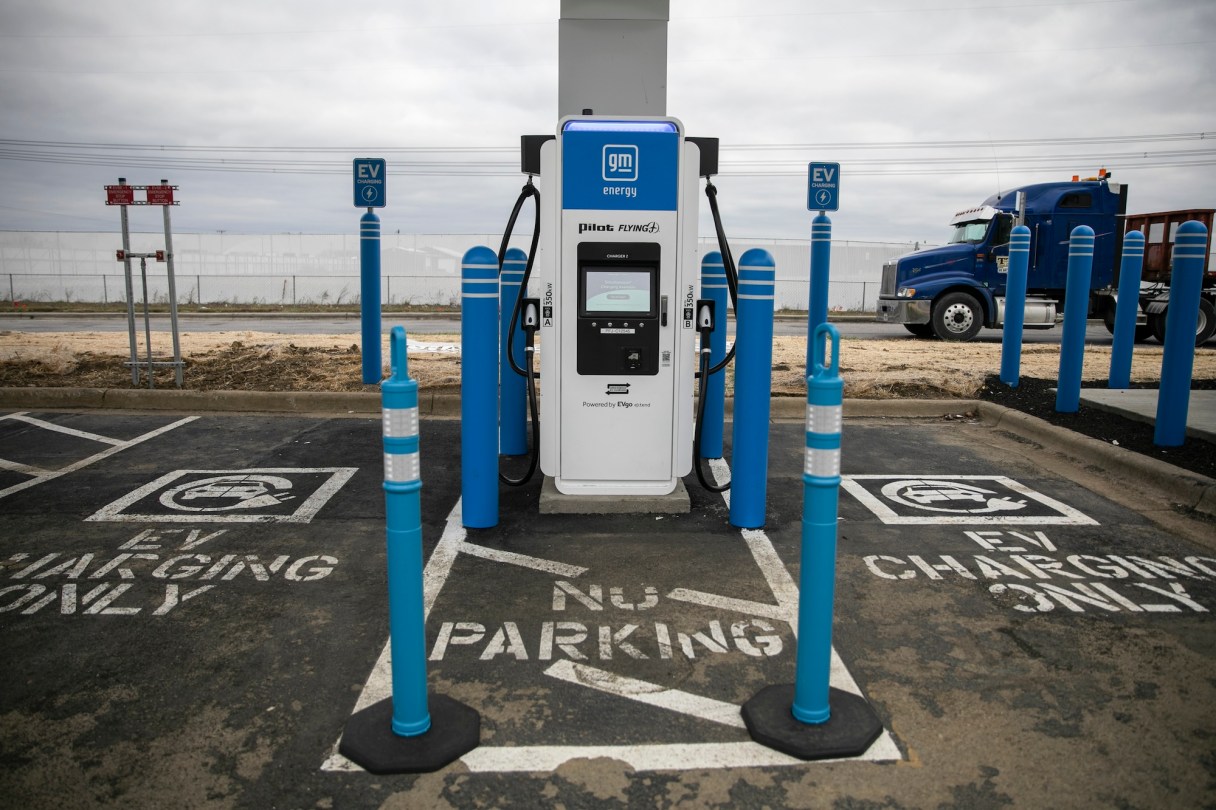
It may be tempting to look at new rules finalized recently by the Biden administration boosting sales of electric vehicles as a big step toward slashing climate-changing pollution.
But the Environmental Protection Agency rules are more an incremental move, too weak and slow to respond appropriately to the gravity of the unfolding environmental crisis. And that’s a shame, because with a divided Congress, administrative action is the only way for the federal government to do big things such as protect the public from climate change and pollution.
The administration blew this opportunity by caving to pressure from powerful interests during an election year and settling on a watered-down plan that will allow automakers to build more gas-guzzling vehicles for longer and slow down urgently needed pollution cuts. We’re in the race of our lifetime against climate change, and President Biden is driving way below the speed limit.
The final rules impose greenhouse gas pollution limits that will force automakers to ramp up sales of new zero-emission cars and light-duty trucks from about 7% of vehicles sold today to more than 67% by 2032. That’s good, of course, but it’s a more gradual requirement than the EPA first proposed, delaying the steepest increases in electric vehicle sales until after 2030 and granting loopholes that make it easier for manufacturers to comply. That’s a mistake at a time when the climate crisis is smacking us in the face, with February marking the ninth consecutive month of record-setting heat on the planet.
Speed matters, after all, in preventing catastrophic climate impacts, and the longer we wait to toughen these standards, the more cumulative carbon dioxide emissions we spew into the atmosphere.