
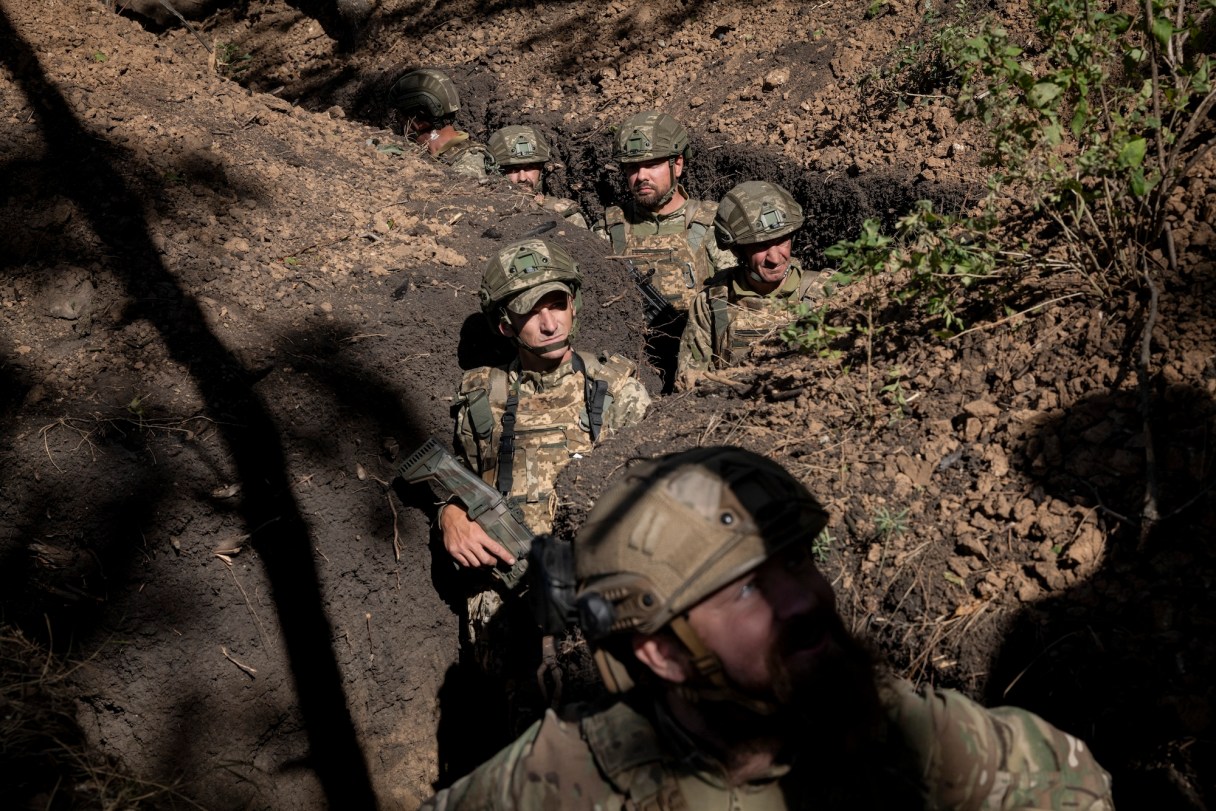
One of my recent columns was devoted to uncertainties about how the next president would handle the deteriorating situation in Ukraine, where America’s proxy and ally is slowly losing ground to Russia, while the United States seems trapped by its commitment to a maximal victory and unable to pivot to a strategy for peace.
One could argue that the Middle East suddenly presents the opposite situation for the United States: After the last two weeks of warmaking and targeted assassinations, the position of our closest ally seems suddenly more secure, while our enemies look weaker and more vulnerable. Israel is dealing blow after blow to Hezbollah and Iran’s wider “axis of resistance,” the Iranian response suggests profound limits to its capacities, and the regional balance of power looks worse for America’s revisionist rivals than it did even a month ago.
Look deeper, though, and both the strategic deterioration in Eastern Europe and the strategic improvement in the Middle East have something important in common. In both cases, the U.S. government has found itself stuck in a supporting role, unable to decide upon a clear self-interested policy, while a regional power that’s officially dependent on us sets the agenda instead.
In Ukraine, this is working out badly because the government in Kyiv, the capital, overestimated its own capacities to win back territory in last year’s counteroffensive. In the Middle East, it’s now working out better for U.S. interests because Israeli intelligence and the Israeli military have been demonstrating a remarkable capacity to disrupt, degrade and destroy their foes.
In neither case, though, does the world’s most powerful country seem to have a real handle on the situation, a plan that it’s executing or a clear means of setting and accomplishing its goals.