
Q: I recently heard about something called Mohs surgery in the news. What is it?
A: Mohs surgery is an amazing modality in the realm of skin cancer treatment. The method’s accuracy allows the highest cure rate (98-99% for most cancers) and spares tissue by removing only what is needed. Mohs surgery is a specialized technique primarily used to treat basal cell carcinoma and squamous cell carcinoma, the two most common forms of skin cancer.
In Mohs, the specimen is removed like a saucer, and is pressed down to look at it on a microscope slide. That means Mohs surgeons are able to look at 100% of the peripheral and deep edges to make sure all the cancer is gone. By comparison, traditional non-Mohs surgical excision of skin cancer in permanent or frozen sections only evaluates 1% of the margin. They can then remove additional focal pieces of tissue if cancer is still present. Usually, the Mohs surgeon also repairs the defect during the same appointment, although sometimes a referral to a plastic, oculoplastic or ENT surgeon may be needed.
One of the major benefits of Mohs surgery is its effectiveness. Because every layer of tissue is examined, the chances of the cancer returning are significantly reduced. This makes Mohs surgery particularly suitable for cancers that are large, have a high risk of recurrence or are located in cosmetically sensitive areas.
Mohs surgery is widely regarded as the gold standard for treating non-melanoma skin cancers, particularly in areas like the head, neck, hands, feet and shins. This highly specialized procedure involves the precise removal of cancerous tissue while sparing as much healthy tissue as possible.
The most comprehensive training for performing Mohs surgery typically includes completing medical school, a dermatology residency and a fellowship specifically in Mohs surgery. Fellowship training provides in-depth expertise in areas like frozen histology and complex reconstructive techniques, which go beyond what is typically covered in a dermatology residency. Like any procedure, it’s important to understand your provider’s credentials, background and training to ensure you’re receiving the highest quality care.
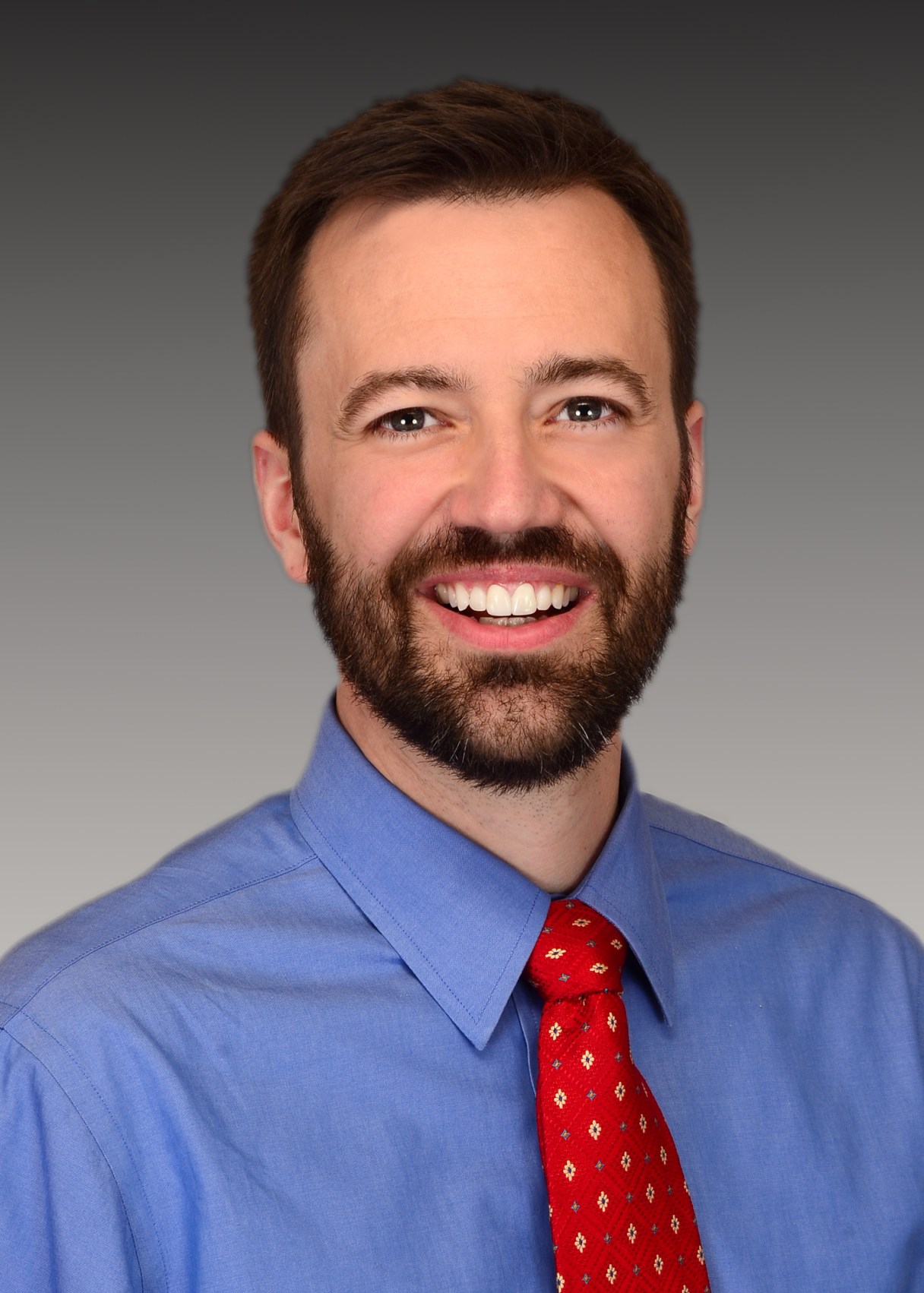
Dr. Jason Susong is a Fellowship-Trained and Board Certified Mohs Surgeon and Dermatologist at Chattanooga Mohs Surgery and is a member of the Chattanooga-Hamilton County Medical Society.