
Congress has overwhelmingly approved bipartisan legislation to enact stricter penalties for the distribution of non-consensual intimate imagery, sometimes called “revenge porn.” Known as the Take It Down Act, the bill is now headed to President Donald Trump’s desk for his signature.
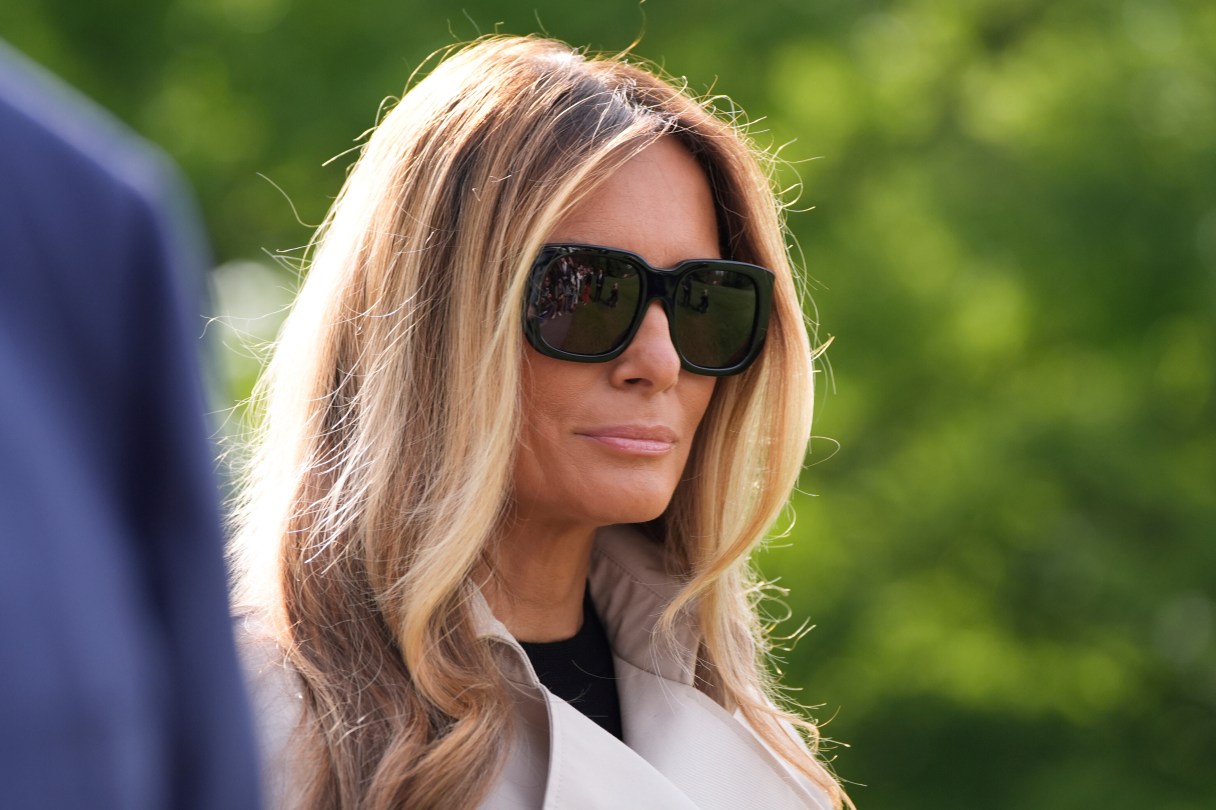
The measure was introduced by Sen. Ted Cruz, a Republican from Texas, and Sen. Amy Klobuchar, a Democrat from Minnesota, and later gained the support of First Lady Melania Trump. Critics of the bill, which addresses both real and artificial intelligence-generated imagery, say the language is too broad and could lead to censorship and First Amendment issues.
What is the Take It Down Act?
The bill makes it illegal to “knowingly publish” or threaten to publish intimate images without a person’s consent, including AI-created “deepfakes.” It also requires websites and social media companies to remove such material within 48 hours of notice from a victim. The platforms must also take steps to delete duplicate content. Many states have already banned the dissemination of sexually explicit deepfakes or revenge porn, but the Take It Down Act is a rare example of federal regulators imposing on internet companies.
Who supports it?