
This story was originally published in the Daily Yonder. For more rural reporting and small-town stories visit dailyyonder.com.
Tennessee State Climatologist Andrew Joyner of Eastern Tennessee State University said the events will grow more frequent and more intense in the coming years. Joyner, who is helping state and local governments throughout Appalachia plan emergency mitigation strategies, said states and communities in the region need to be prepared to handle extreme weather over the next 10 to 15 years.
“The big picture is we are getting warmer and wetter,” Joyner said in an interview with the Daily Yonder. “We’ve observed that, not even projecting into the future, we see these types of hurricanes increasing in intensity, just like Helene kind of did, and so it points to the increasing chances that we would have more of these events in the future.”
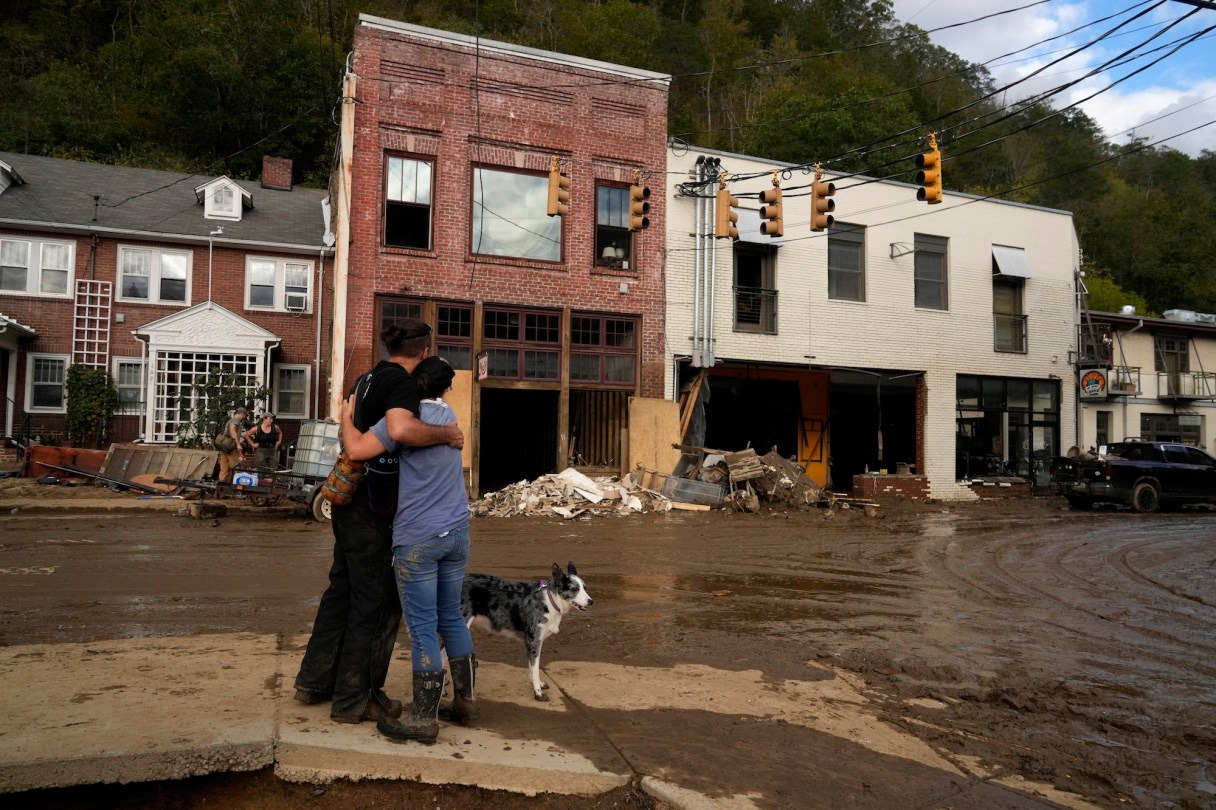
In 2024, Hurricane Helene hit western Tennessee and eastern North Carolina, resulting in heavy flooding and widespread damage to roads, infrastructure and communities. Weather forecasters said the flooding stemmed in part due to the excessive rain that had fallen in the region the week before the storm blew into the mountains.
It wasn’t the first time it’s happened, he said. In July 1916, another similar extreme event occurred after western North Carolina saw nearly a week of rain. When the weather cleared, instead of a period of hot, dry weather, a hurricane struck Charleston and Mobile, dumping heavy rains on the Great Smoky Mountains. Mitchell County, in the western Piedmont region of the state, recorded 19 inches of rain in 24 hours, according to the North Carolina Department of Natural and Cultural Resources.