
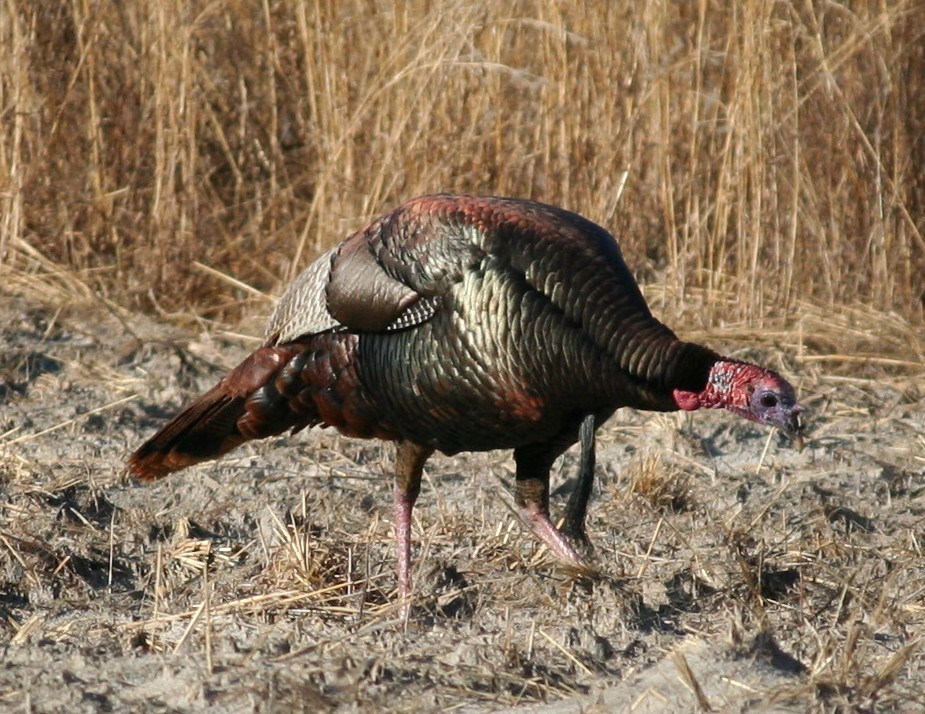
It’s a bad time to be a turkey in Georgia, even if you don’t live on a poultry farm.
The number of turkey poults — what turkey experts call baby turkeys — is on the decline across nearly all of Georgia, according to numbers from the Georgia Department of Natural Resources, with most of the state’s turkeys reproducing below the replacement rate of two poults per hen.
“We have been monitoring poult production in Georgia since the late ’70s, and back in the ’80s and ’90s, we averaged about four poults per hen,” said wildlife biologist and DNR wild turkey project coordinator Emily Rushton.
The Department of Natural Resources’s annual count of poults per hen takes place over the summer, after the spring breeding season, when hens are with their poults. Members of the public can submit observations to help with the count.
“In the early 2000s, it took a pretty sharp decline,” Rushton said. “But the past 10 years or so, we’ve been holding steady at about 1.5 poults per hen.”