
Affordability is the buzzword driving politics today. While there’s a lot of talk about the problem, there’s a greater need for urgent action, especially on housing.
For metro Atlanta residents, affordable housing is the top concern.
An annual survey released in October shared this insight, and the angst over the availability and accessibility of housing is growing.
The problem no longer affects a particular segment of society. Increasingly, middle-class Americans are struggling to afford rent or to buy a home — and selling a home has become harder in a time of economic uncertainty: the impact of on-again-off-again tariffs, high interest rates and the rising cost of living.
The latter has implications for empty-nesters trying to downsize or young families needing more space to grow.
Housing prices have skyrocketed
The administration of Atlanta Mayor Andre Dickens is well on its way of its goal to preserve or build 20,000 units of affordable housing by 2030.
Those efforts on serving low-income and homeless residents are commendable, but just as much attention at the local, regional, state and federal levels must keep the American Dream alive for the middle class.
In September, the National Housing Conference, a Washington, D.C.-based coalition of affordable housing leaders, released a report identifying three factors affecting metropolitan areas across the U.S.:
› Homeownership costs have surged
› Renting is increasingly unaffordable
› Wages lag far behind costs
Today it takes a six-figure income and a down payment to afford a house in most metro areas, the NHC report said.
“The result of these higher housing costs is the inability for everyday Americans to afford their monthly expenses – often resulting in tradeoffs that can impact their health, safety, and economic stability,” according to the report.
Earlier this year, a Georgia Multiple Listings Service (MLS) report found that home prices soared from $255,000 to $405,000 — a 59% increase — from 2019 to 2024 in the Atlanta area.
Meanwhile, Axios reported that from 2018 to 2023, metro Atlanta lost 230,000 units of low-to-moderate priced housing.
Many Atlanta-area sellers are choosing to take their houses off the market because they can’t find buyers willing or able to afford the cost — a dream deferred for both.
A recent Atlanta Journal-Constitution story reported that the number of delistings grew by 41% from September 2024 to September 2025 — or 2,450 houses pulled off the market — per real estate brokerage Redfin’s report.
“Atlanta is seeing more homes quietly come off the market than we’d expect for this time of year,” Redfin chief economist Daryl Fairweather told the AJC, adding “it’s still elevated compared to the national average.”
In order for Atlanta to remain competitive as a place to live, work and recreate, longtime and new residents need quality housing options that fit their budgets.
Certainty, proactivity are key solutions
On Wednesday, Dec. 10, the Federal Reserve decided to cut interest rates for a third time this year.
The action reduces the cost of borrowing, but as Americans have seen, interest rate cuts are not the panacea, though they can add to the toolkit for a more balanced economy.
A couple of ideas leaders ought to consider:
› Congress should demand economic policies that create certainty and end the reckless swings created by ever-changing tariff policies. Plus, government shutdowns do no favors to the average American.
› When the Georgia General Assembly convenes in January, make an actionable affordability agenda the priority to help Peach State residents.
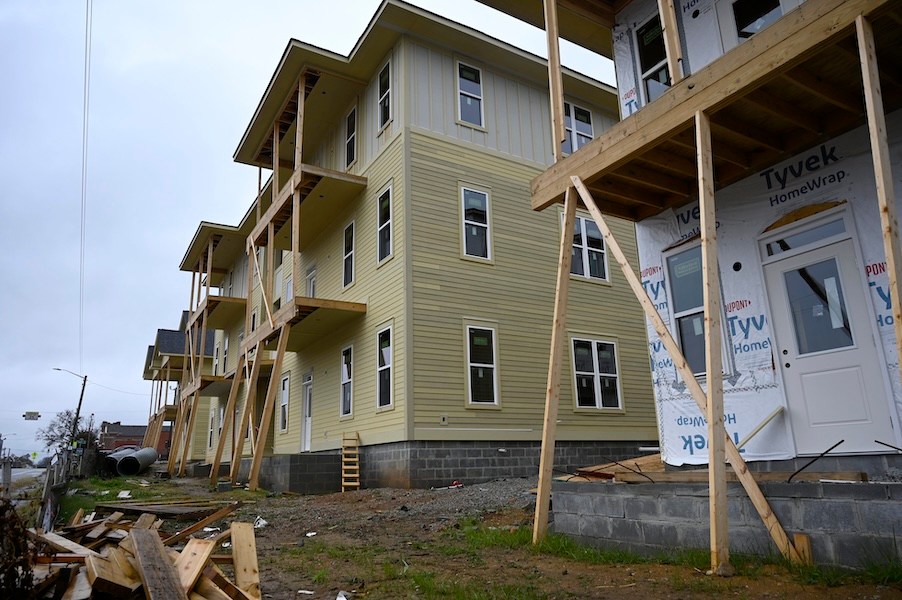
› The public and private sector need to be working on building “missing middle” housing — options that go beyond single-family homes, such as more townhomes and triplexes.
The Atlanta region has historically been segregated by race and socio-economic status. Creating opportunities for all means that residents ought to accept living near neighbors with different backgrounds.
The fear, of course, is the worsening of displacement in previously underinvested or blighted areas that has made Atlanta highly-ranked in the nation for gentrification, with a particularly negative effect for Black residents.
As it continues to grow into its role as a global city, Atlanta’s challenge is to ensure that its famed hospitality is real and not just lip service.