
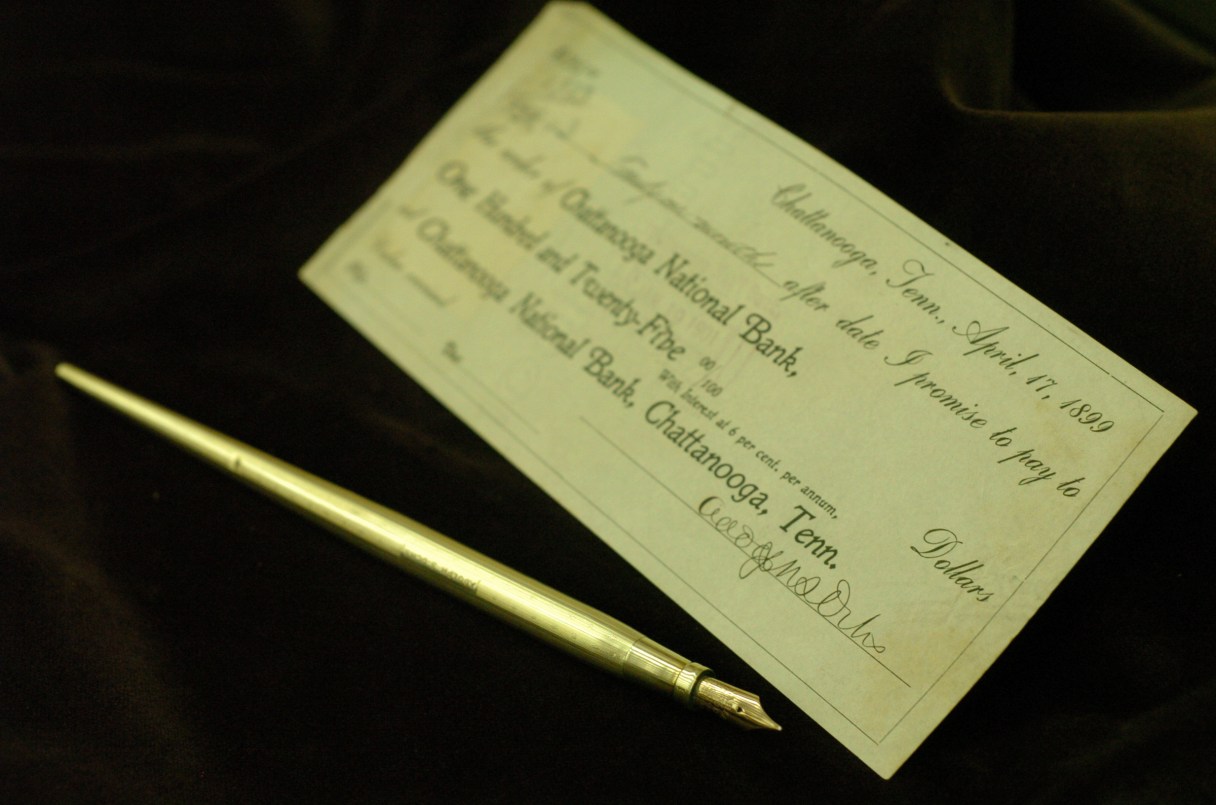

Imagine this: Your life is going along splendidly, until one day, you suddenly fall ill and require hospitalization.
You survive but are told by your doctor not to go back to work for a while because it’s too dangerous for your health. Problem is, you don’t qualify for government assistance, so you roll the dice and resume your old job early, only to be struck down again just weeks later.
This time, you qualify for aid from Social Security, but by now, your savings have been drained, you can’t afford food and you are about to lose your house. Your situation has become desperate.
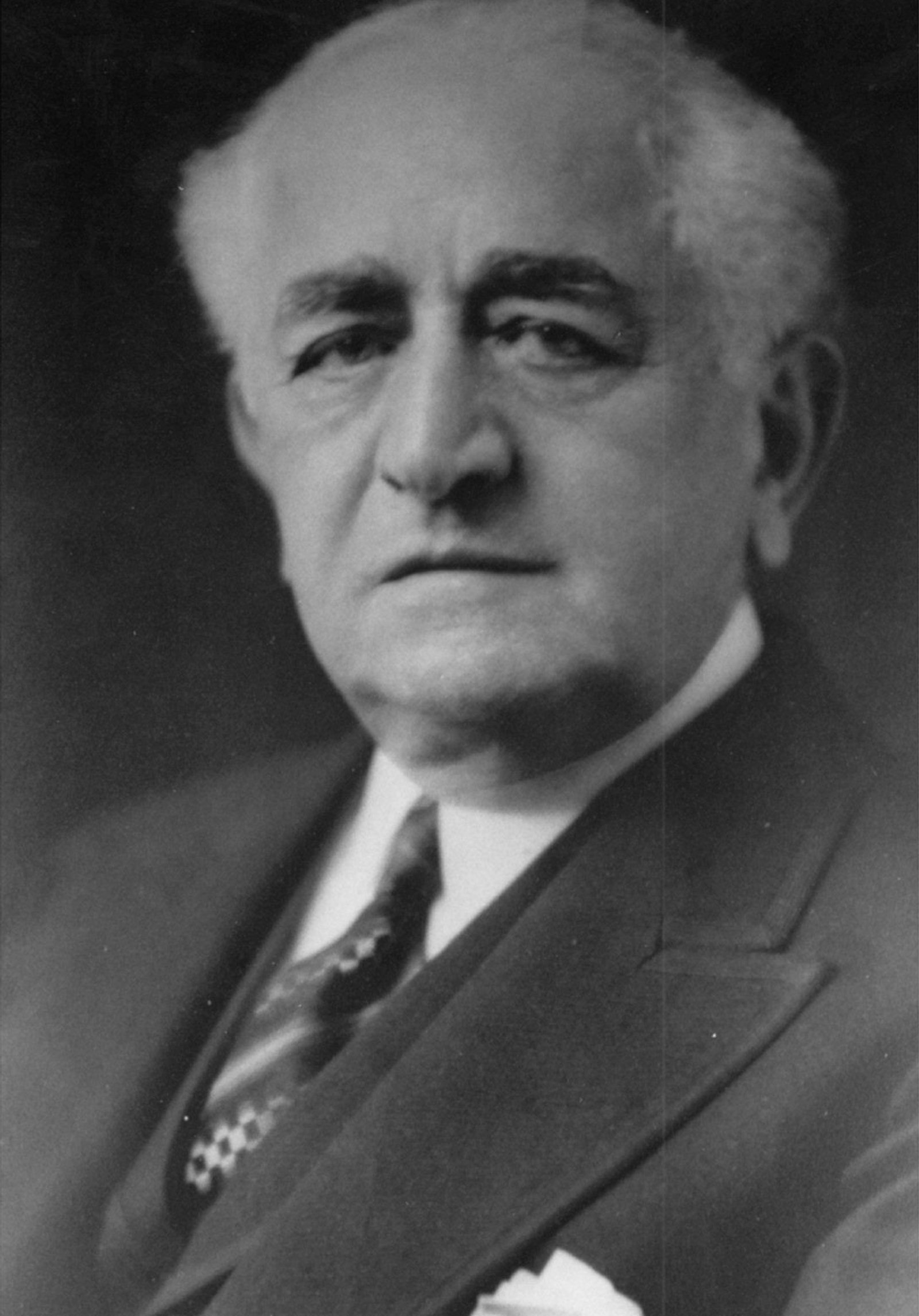
That’s exactly what happened to a couple in the Chattanooga area 50 years ago in 1975, and the Ochs Community Fund, known for many years as the Neediest Cases Fund, was there to help. For more than 110 years, the fundraising project started by Adolph Ochs, then publisher of The Chattanooga Times and The New York Times, has provided financial assistance to those facing dark times.
Chattanooga Knows: Through the years with the Ochs Community Fund

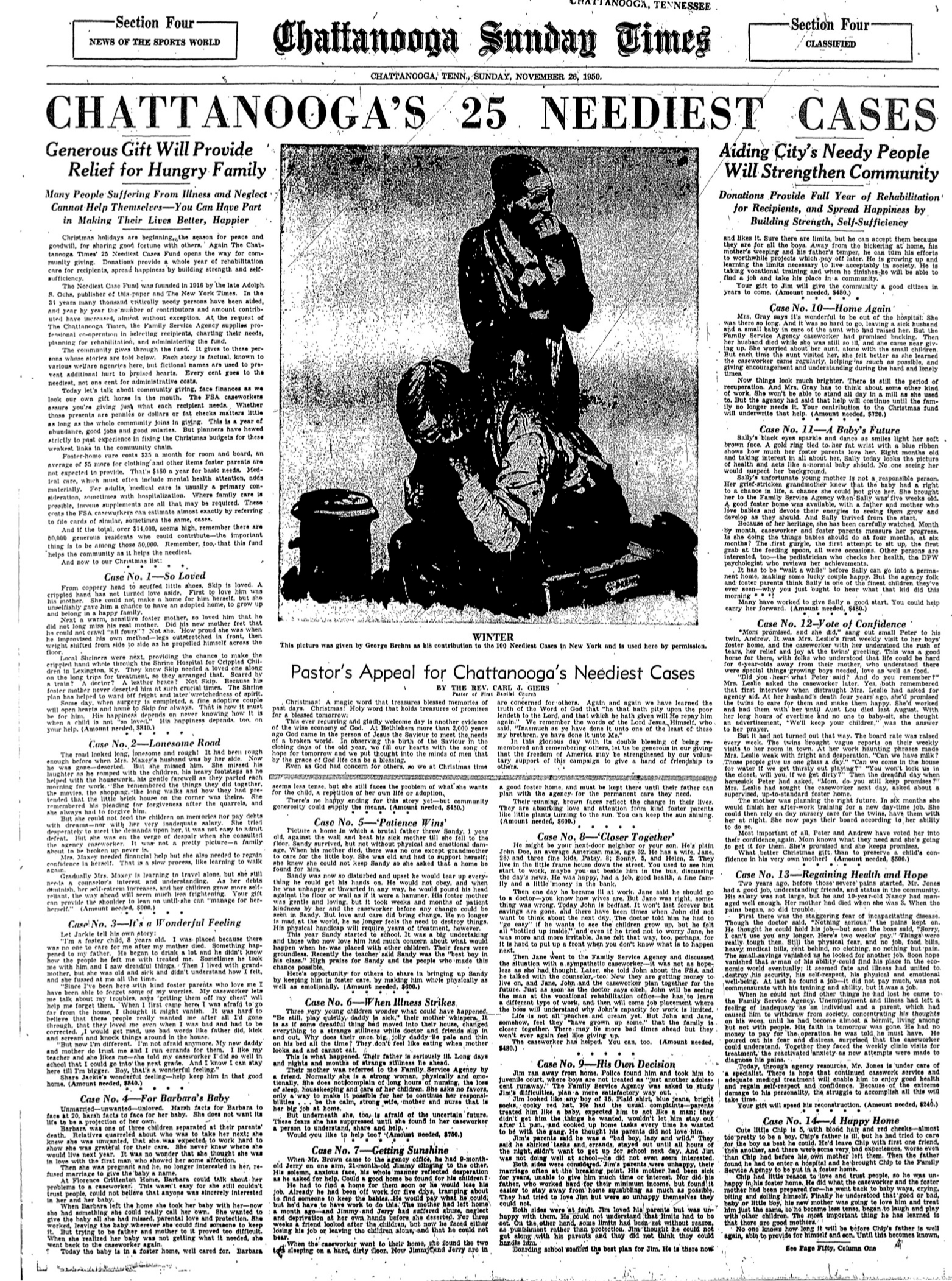
Who has the fund helped over the past 110 years? In 1975, The Chattanooga Times described the typical beneficiary.
“Most of the those assisted through the fund are proud, hardworking individuals, who, for various reasons, fate has been less than kind to,” the paper wrote. “They have sought help only after trying desperately to solve their own problems. They are people who have been dealt losing hands, too, frequently through sickness, death or a broken home … These are people who deserve to be helped, for they have tried.”
(READ MORE: Times Free Press launches Ochs Community Fund to benefit United Way)
For most of the 20th century and into the 21st, the Ochs Community Fund has been there, thanks to readers like you who have shared their resources, to lift up people facing some of the most critical hours of their lives. Those helped were dealing with a variety of hardships. Today, we look back at four cases from the past century.
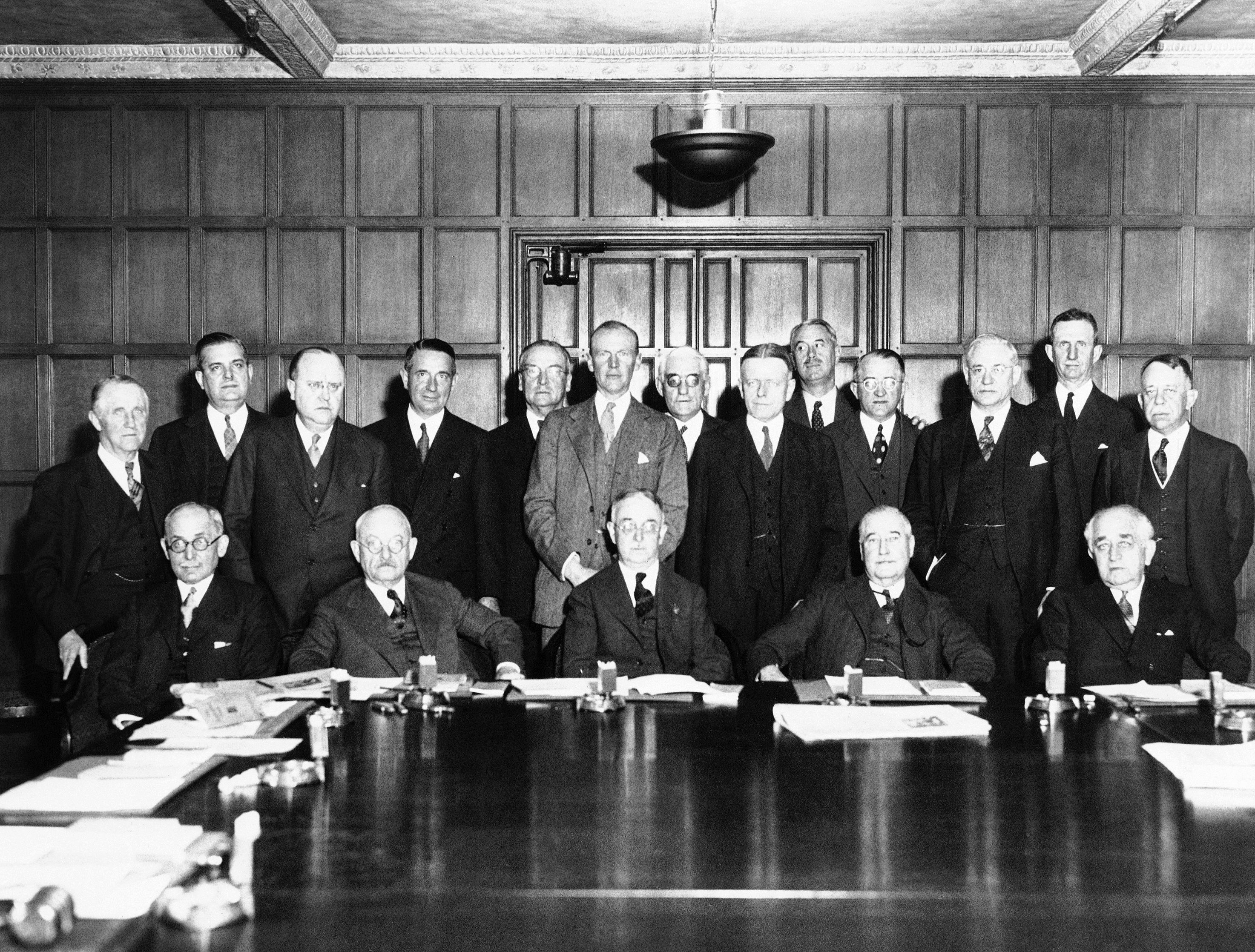
1925
The Ochs Community Fund was just over a decade old when The Chattanooga Times published its list of the year’s neediest cases on Dec. 13, 1925. Calvin Coolidge was in the White House. It was the Jazz Age. Johnny Carson, B.B. King and Robert F. Kennedy Sr. were born in 1925. William Jennings Bryan died in Dayton, Tennessee, just weeks after completing the Scopes Trial.
And in Chattanooga, the Times used pseudonyms when writing about those involved in the year’s neediest cases, but their real names weren’t needed to convey the poverty and other challenges they faced. Take, for example, the plight of James and Frances Smith.
“Loyalty of James and Frances Smith to four small orphans, children of their daughter, who died from tuberculosis some time ago, is a large factor in the struggle of this couple for support,” the paper wrote. “Others in the household are two sons, and James’ daughter (by a former marriage) together with James’ daughter-in-law — 10 people in all.
“James’ work is irregular, especially in the winter,” the paper continued. “One of the boys works part time, but the joint earnings are scant compared to the needs of such a large group. The children of school age are bright and doing well at their studies. James and Frances are hardworking within their limitations and do the best they can in an uphill fight with poverty. The bureau is doing about all that it can, in view of the many demands, and the Smiths need more help, particularly throughout the winter.”
Money raised by the Ochs Fund that year was administered by the Social Service Bureau, which became the Family Service Agency in 1940. In 1973, the Family Service Agency became part of the new Community Services of Greater Chattanooga, which eight years later changed its name to Family & Children’s Services of Greater Chattanooga, according to a story by the Chattanooga Times Free Press in 2000. And over the years, those organizations continued to administer the funds raised by readers during the holidays.
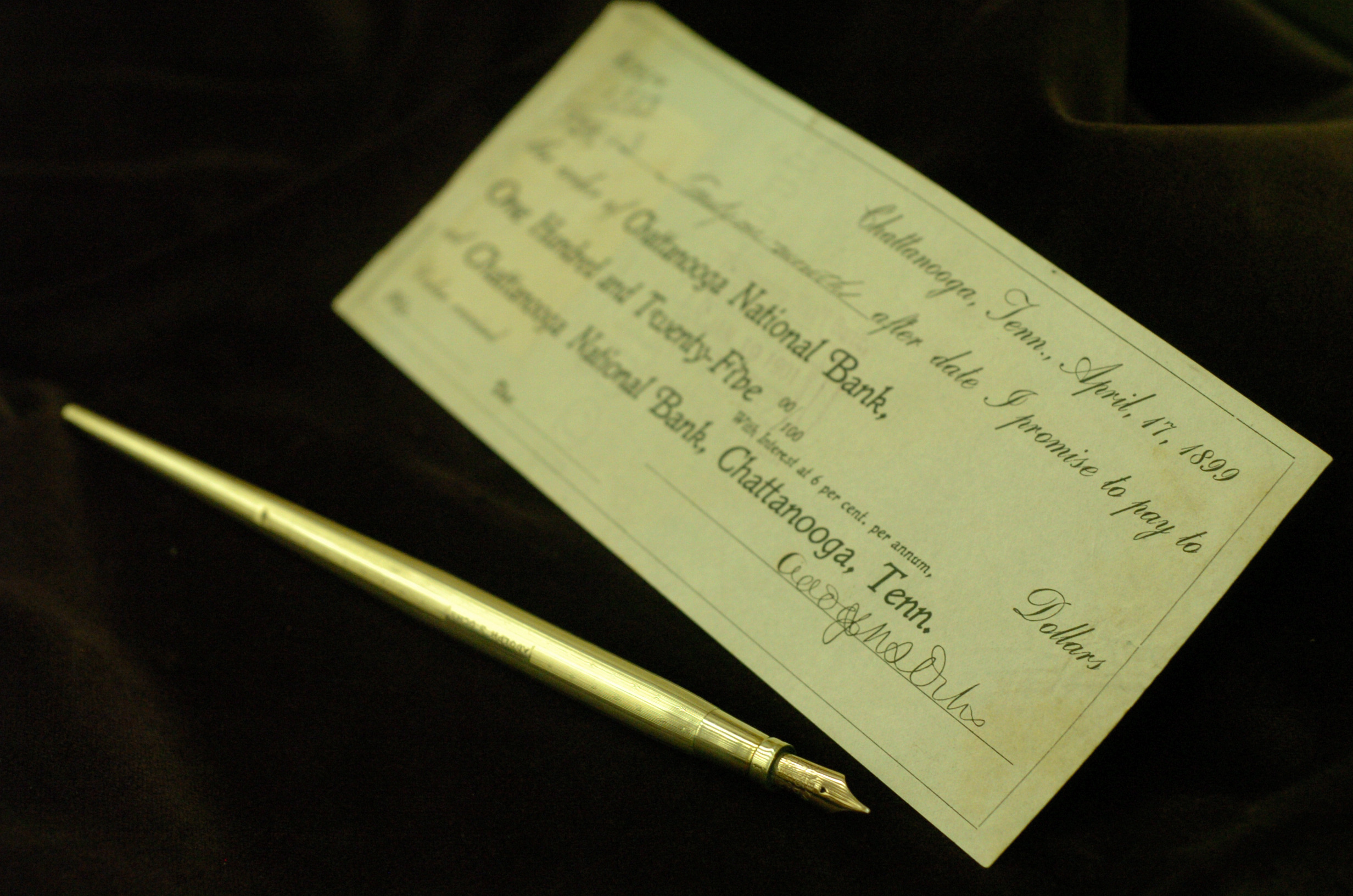
Readers in 1925 were encouraged to mail monetary donations to the paper in the form of a check. Donations of food and clothing, orders of coal, etc., were to be delivered to the offices of the Social Service Bureau at City Hall.
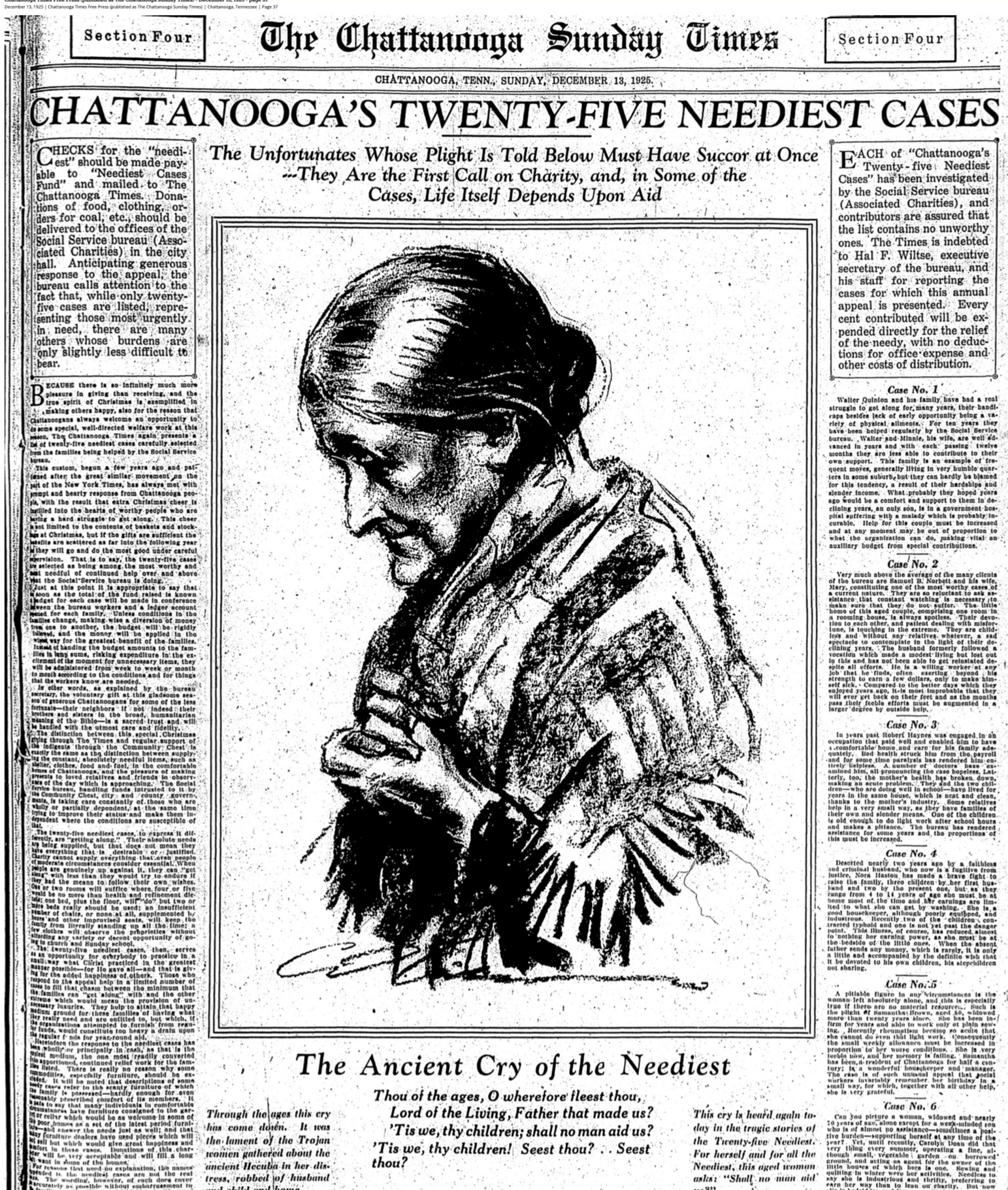
1950
Harry Truman was in the White House in 1950. Natalie Cole, Chuck Schumer and Tom Petty were born. George Orwell and George Bernard Shaw died. And in Chattanooga, collections for the Ochs Community Fund were again a holiday staple. The paper continued its practice of using fictional names when presenting the year’s neediest cases “to prevent additional hurt to bruised hearts. Every cent goes to the neediest, not one cent for administrative costs.”
Among the cases that year was an 8-year-old boy named Jackie, who allegedly told the paper his story in his own words.
“I’m a foster child,” he told the paper. “I was placed because there was no one to care for me after my mother died. Something happened to my father. He began to drink a lot, and he didn’t know how the people he left me with treated me. Sometimes, he took me with him, and I saw dreadful things. Then I lived with Grandmother, but she was old and sick and didn’t understand how I felt, and she fussed at me all the time.
(READ MORE: After a single mother fell on hard times, Ochs Community Fund put family in housing)
“Since I’ve been here with kind foster parents who love me, I have been able to forget some of my worries,” Jackie continued. “My caseworker lets me talk about my troubles, says ‘getting them off my chest’ will help me forget them. When I first came here, I was afraid to go far from the house. I thought it might vanish. It was hard to believe that these people really wanted me after all I’d gone through, that they loved me even when I was bad and had to be corrected. I would get mad, use bad words like Father did, kick and scream and knock things around in the house.
“But now, I’m different. I’m not afraid anymore,” the youngster added. “My new daddy and mother do trust me, and I run errands for them. I like my teacher, and she likes me — she told my caseworker that I did so well in school that I could go into the next grade. And I know I can stay here till I’m bigger. Boy, that’s a wonderful feeling.”
The paper said $840 (about $11,000 in today’s money) was needed to keep Jackie in his new home.
1975
In 1975, the nation was still trying work its way through the aftermath of Watergate and the Vietnam War. Gerald Ford was president. Bradley Cooper, Drew Barrymore and Tiger Woods were born. Aristotle Onassis and Casey Stengel died.
In the Scenic City, The Chattanooga Times reminded readers that the Ochs Community Fund was now in its sixth decade, and “a minimum of 885 individuals and families have been given new hope. Anxiety and despair have been changed to happiness and faith in the future.”
If the paper was still using pseudonyms when writing about those who the fund had or would benefit, it wasn’t noted. Among the neediest case that year was Alan Youngblood.
“Alan Youngblood has worked hard all of his life as a self-employed construction worker,” the Times reported. “Last March, just before his 51st birthday, he was struck down by a severe heart attack. His doctors told him he must take six months off before returning to work. He applied for disability but was told he did not quality.
“Facing financial stress, Mr. Youngblood ignored his doctors’ advice and went back to work,” the story continued. “It was nearly a fatal decision. Two weeks later, he suffered a series of massive heart attacks. This led to complete disability and made him eligible for Social Security.
“Yet, his situation remained grave,” the paper added. “Their savings depleted during his unemployment, the Youngbloods were three months behind in their house payments and without money to buy food. With no one else to turn to, the Youngbloods went to Community Services. Wasting no time, caseworkers made the Youngbloods a food stamp appointment and then gave them a food order to hold them until the appointment.
“Next, the mortgage company was contacted,” the story said. “Using money from The Times Neediest Cases Fund, a month’s payment was made with the agreement that the Youngbloods wouldn’t lose their home. The company also agreed, due to the planning of the Community Services worker, not to require another payment until Mr. Youngblood’s disability checks started.
“Things are so much better,” the paper added. “The Youngbloods are still in their home they paid on for so long, and Mr. Youngblood’s heart condition continues to improve. He hopes to get some form of light work soon.”
2000
In the final year of the 20th century, America took a deep breath after the predicted disasters of Y2K were averted or just simply failed to pass. By late in the year, the nation was immersed in one of the messiest presidential elections in its history between Democrat Al Gore and Republican George W. Bush, both vying to replace Bill Clinton in the White House. Reneé Rapp, Khaby Lame and Isabel May were born. Charles Schulz and Walter Matthau died.
That year, the Ochs Community Fund helped a family that had fallen victim to violence.
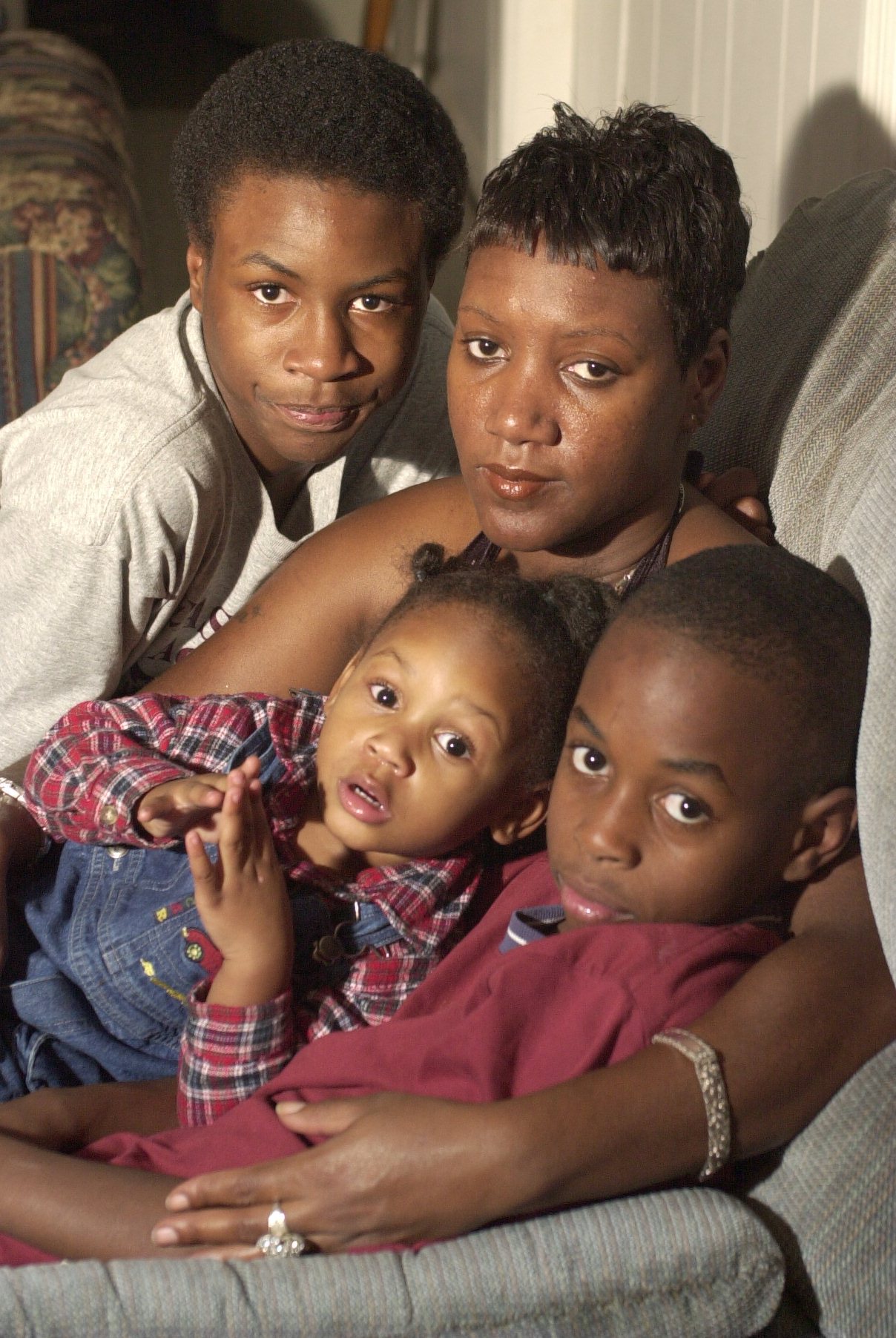
Audrey Thompson returned home from a trip to the store to find her house on fire, according to the Times Free Press archives. The house had been firebombed — with children inside.
(SIGN UP: Get our top headlines in your inbox every morning by going to timesfreepress.com/morning)
“The first bomb went in my bedroom, and the second in my two oldest sons’ bedroom,” Thompson told the paper. Fortunately, a friend who was staying with her sons, ages 2, 9 and 13, got them out of the house unharmed.
“Ms. Thompson and the children went to a shelter operated by Family & Children’s Services of Chattanooga,” the paper said. “She later received money from the Chattanooga’s Neediest Cases fund that enabled her to have the electricity turned on at the family’s new home.”
Farrell Cooper, then executive director of Family and Children’s Services, discussed the importance of the Ochs Fund, which had brought in $47,000 the year before.
“It has truly become a core source of support for our casework staff,” he said. “It has been of help to families in every one of the programs we operate at one time or another during the course of the year.”
The man who firebombed Thompson’s home, an ex-boyfriend, was found guilty of four counts of attempted first-degree murder in connection with the incident.
Contact assistant news editor Lew Gilliland at lgilliland@timesfreepress.com.
Ochs Community Fund
To donate to the Ochs Community Fund, please visit timesfreepress.com/ochs-fund.