
To connect some of Chattanooga’s poorest and most systemically disconnected communities is a tall task.
To contend with decades of contamination steeped in the ground, to bridge an area isolated by industry and the construction of an interstate and the decades of disinvestment that followed. To make friends with the land again.
To cross Alton Park and Rossville boulevards safely.
To show kids how to look for food growing wild, what to eat and what to avoid.
To pave a better and safer path to work, school and each other.
But how?
It’s a $20 million question, one that organizers hope to answer in the next few years with the construction of a connector trail through Alton Park.
The trail is set to start outside a West 33rd Street apartment complex, where an asphalt sidewalk now abruptly ends.
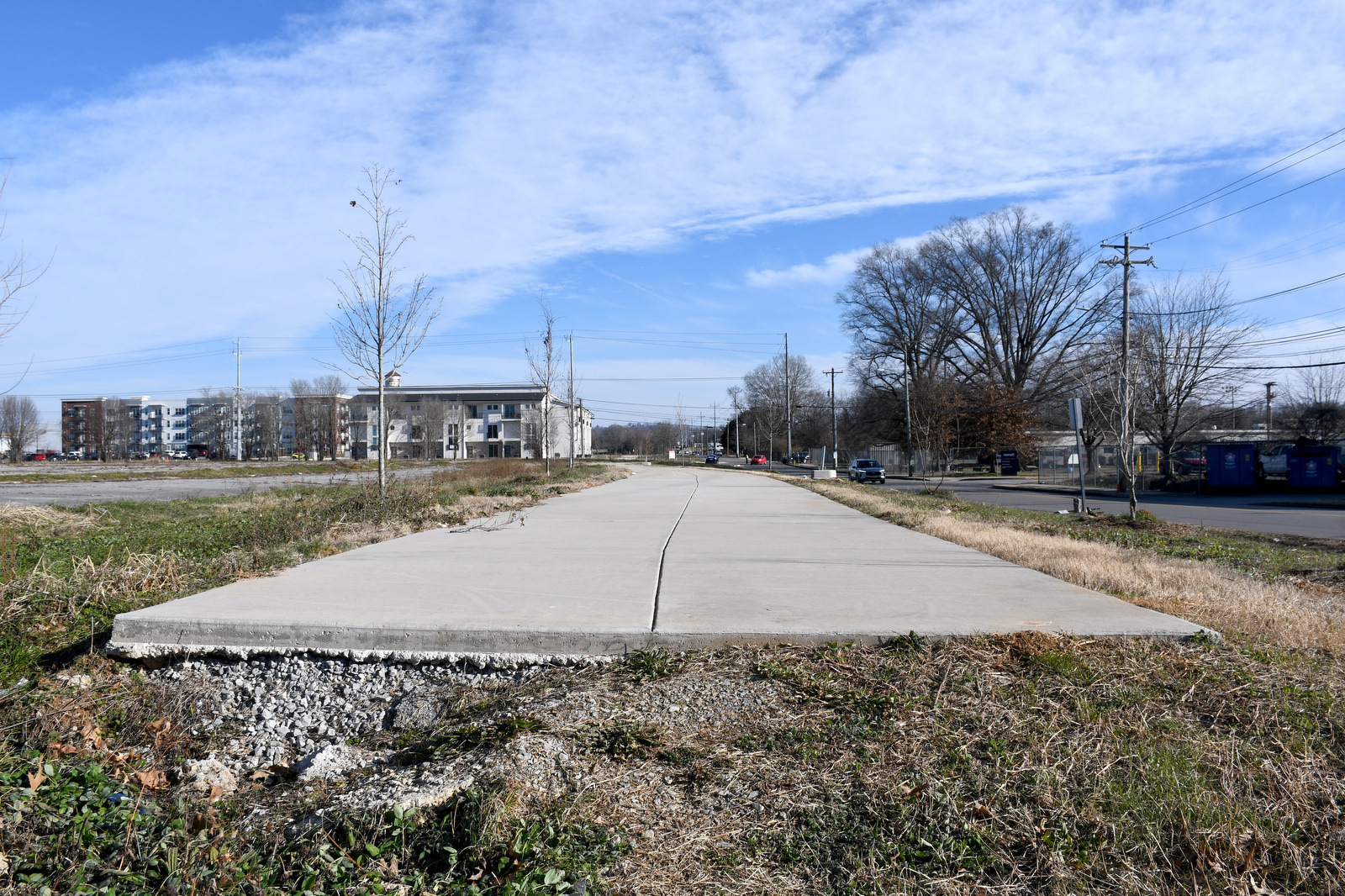 Staff Photo by Robin Rudd / The portion of the Alton Park connector trail, built by the developers of Borough 33 Apartments, ends near Broad Street.
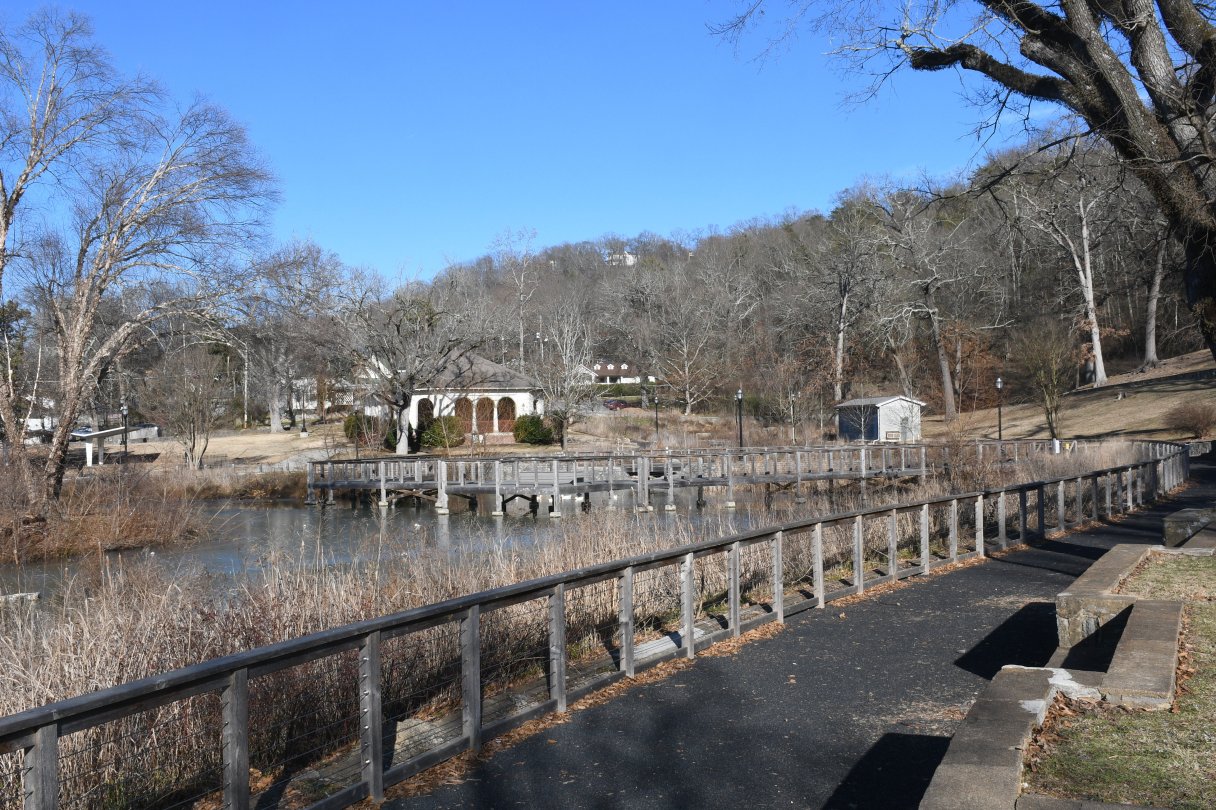
For about two and a half miles, it will wind past Alton Park Boulevard, through a wooded area around Chattanooga Creek where active train tracks run and across Rossville Boulevard into East Lake.
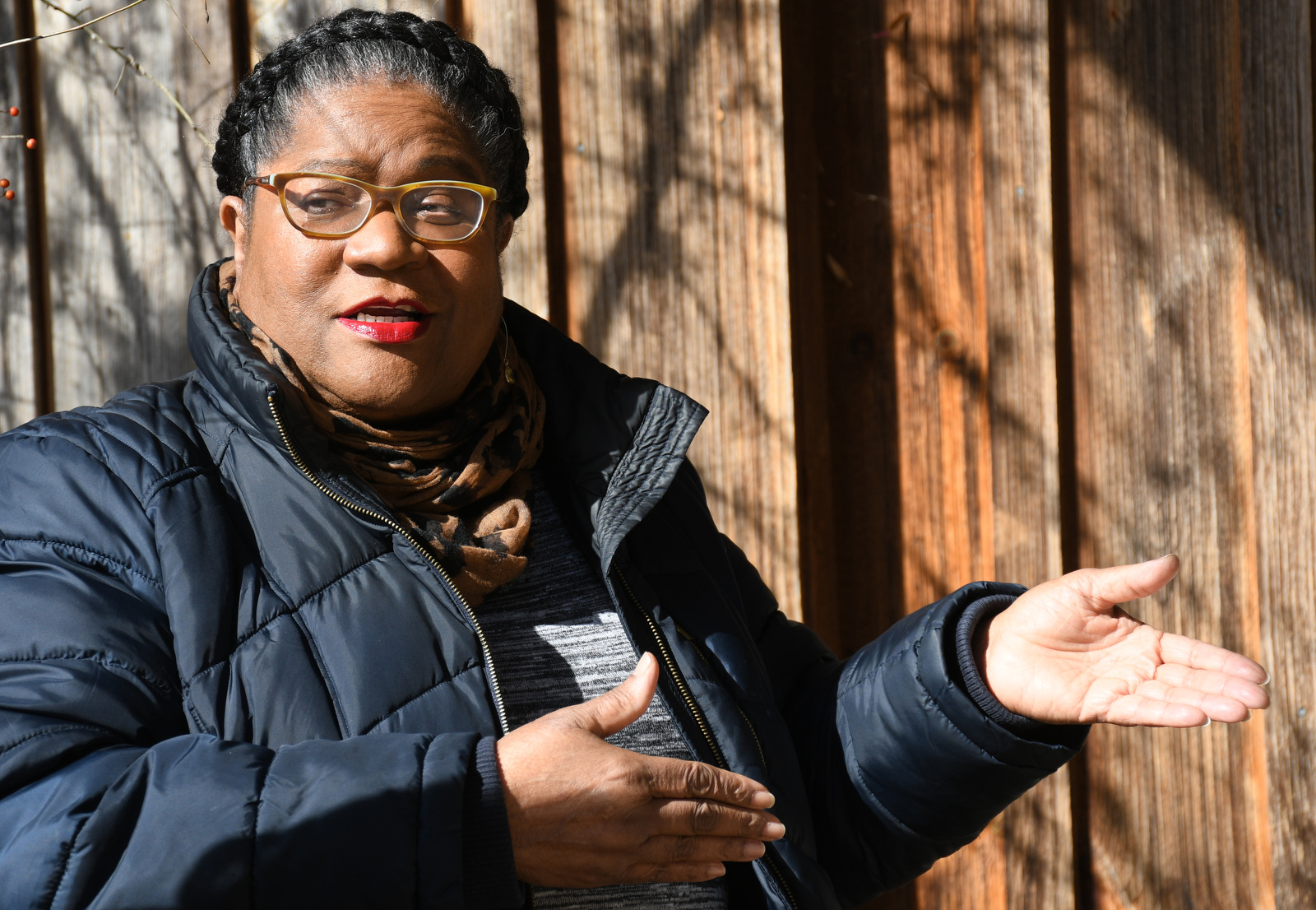
“It’s going to allow us to see a part of this community that we’ve never seen,” Maria Noel, a community leader in the Alton Park area, said in an interview. “We don’t go to Chattanooga Creek. We don’t go into the woods and cross over.”
The project, which received a $20 million grant from the federal Environmental Protection Agency last year, is on pause as the agency figures out how to comply with orders from President Donald Trump’s administration.
If the funding remains in place, the project aims to break ground in the next 12 to 16 months, Noel Durant, Tennessee state director for grant recipient Trust for Public Land, said by phone. The money has a three-year deadline, Durant said.
“There’s a lot to overcome,” Durant said.
‘TELL THE STORY’
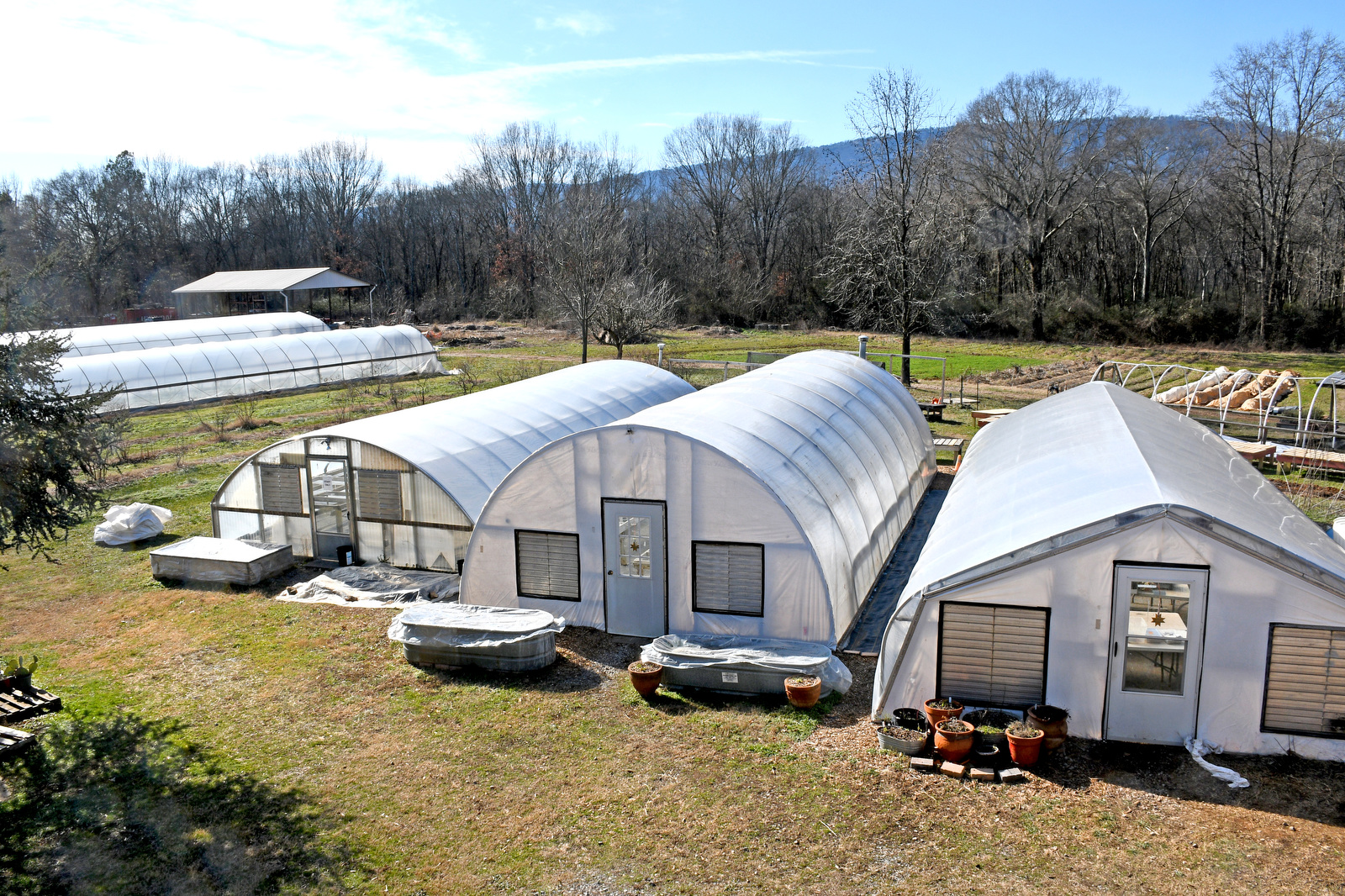
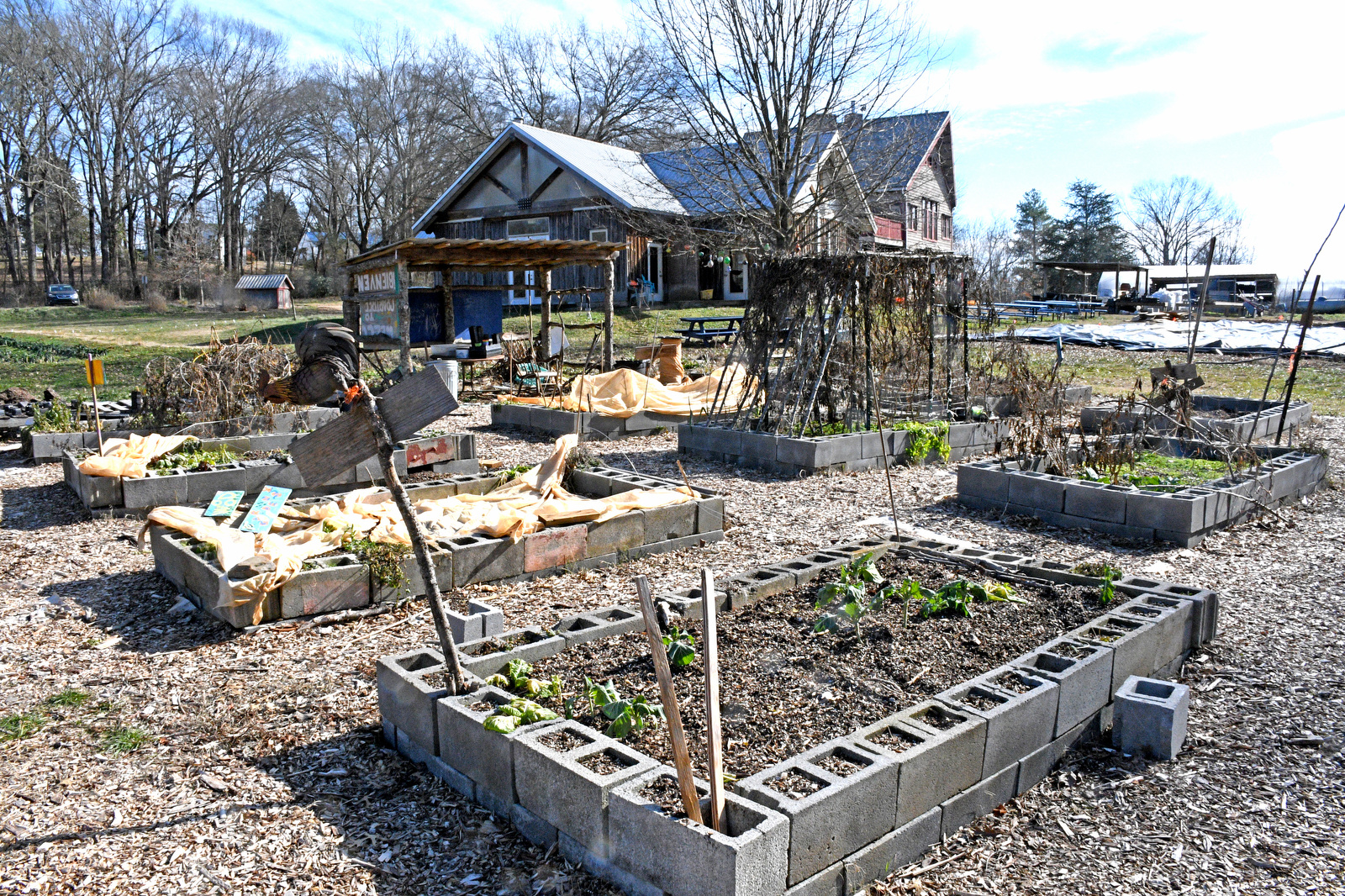
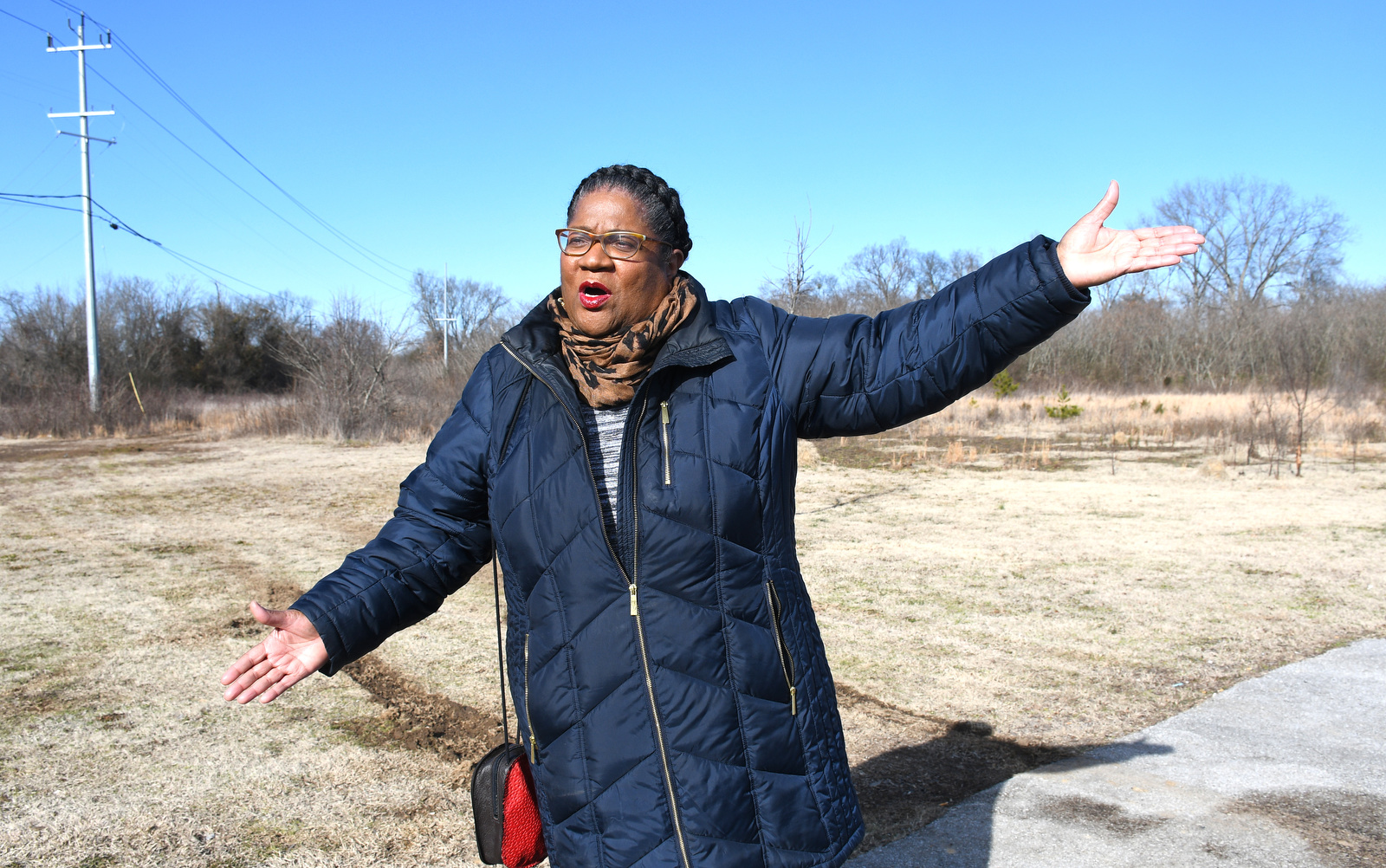
Lena Banks points to a stretch of land at the edge of Crabtree Farms, before a dirt road gives way to a wall of trees.
That’s where the trail will pass by the urban farm, said Banks, its executive director.
Eventually, there may be a foraging area there or a storybook trail to engage kids.
“There’ll be clear signage: ‘This is where you are,'” Banks said in an interview at Crabtree Farms. “Talk about the historical context of the land, give information about what’s growing there and what’s available to eat and what’s safe to eat and what isn’t.”
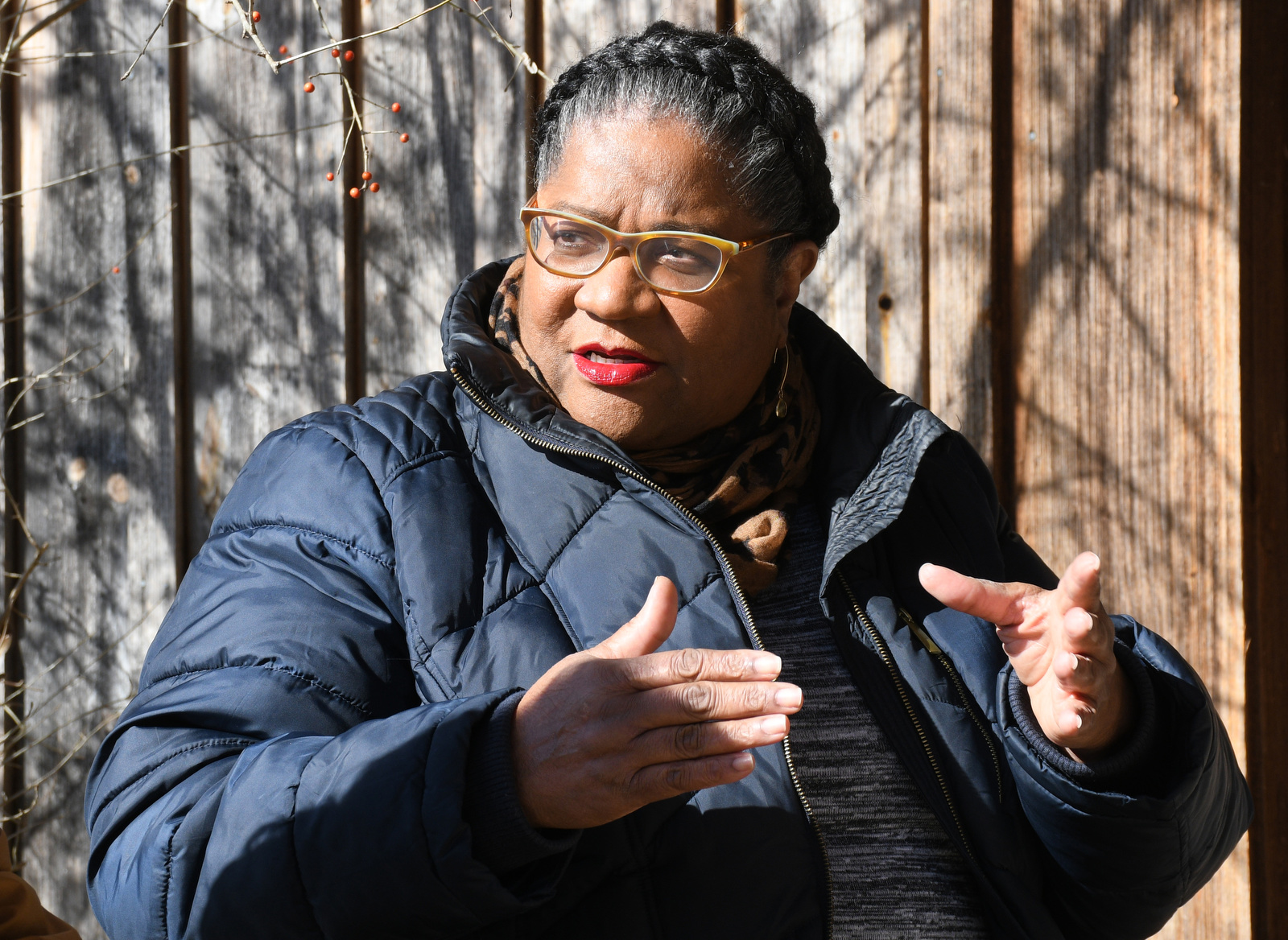
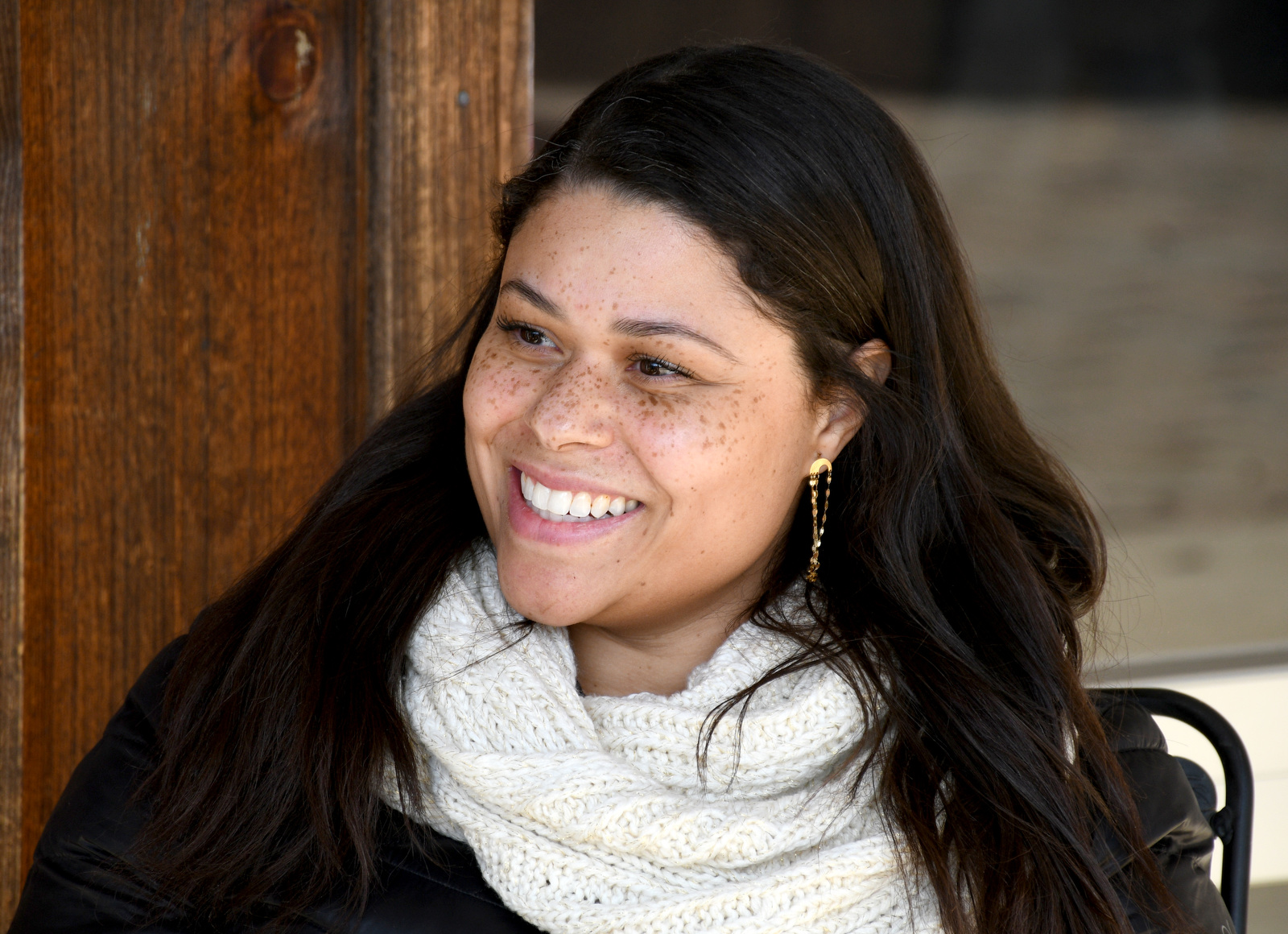
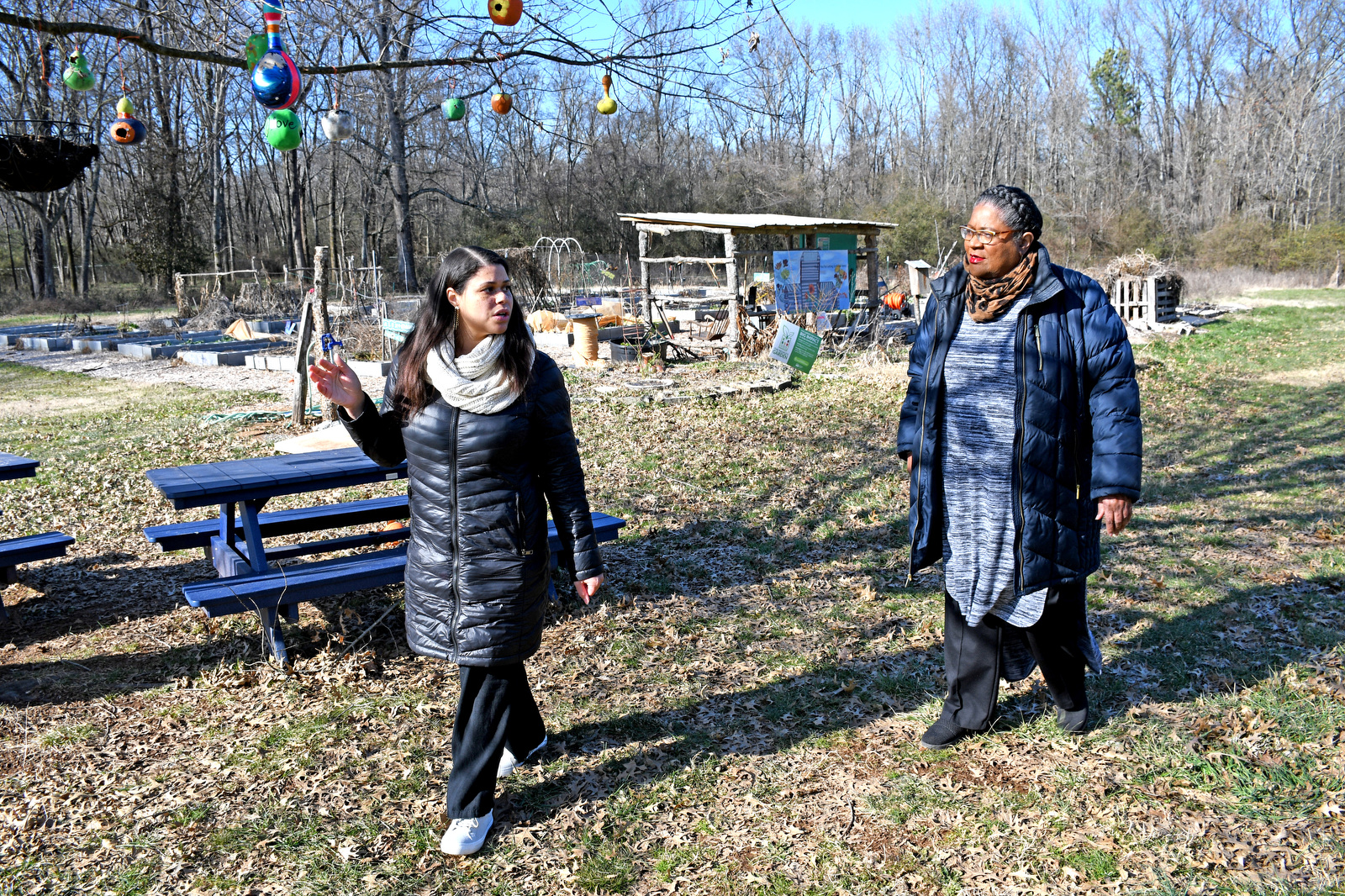
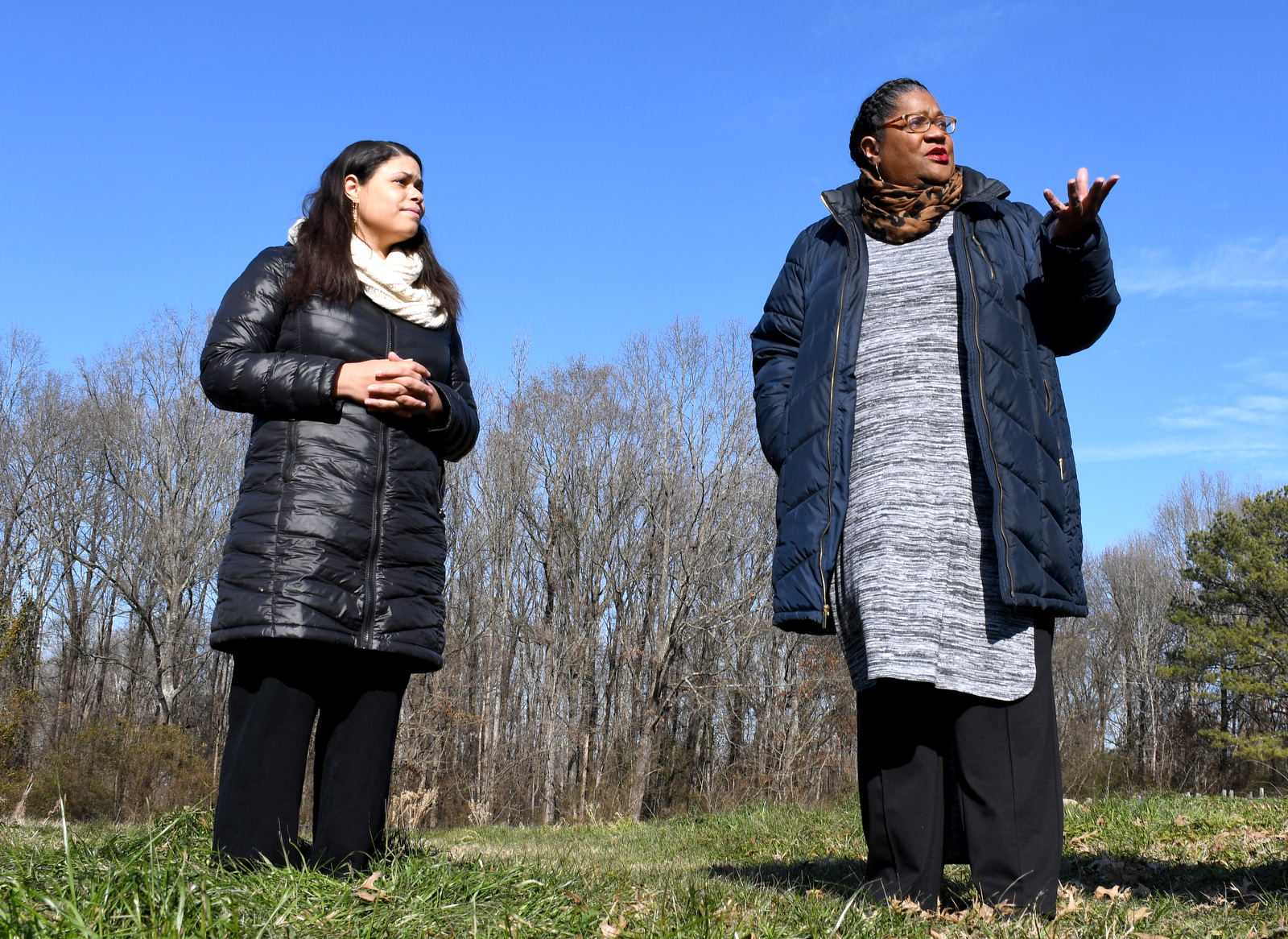
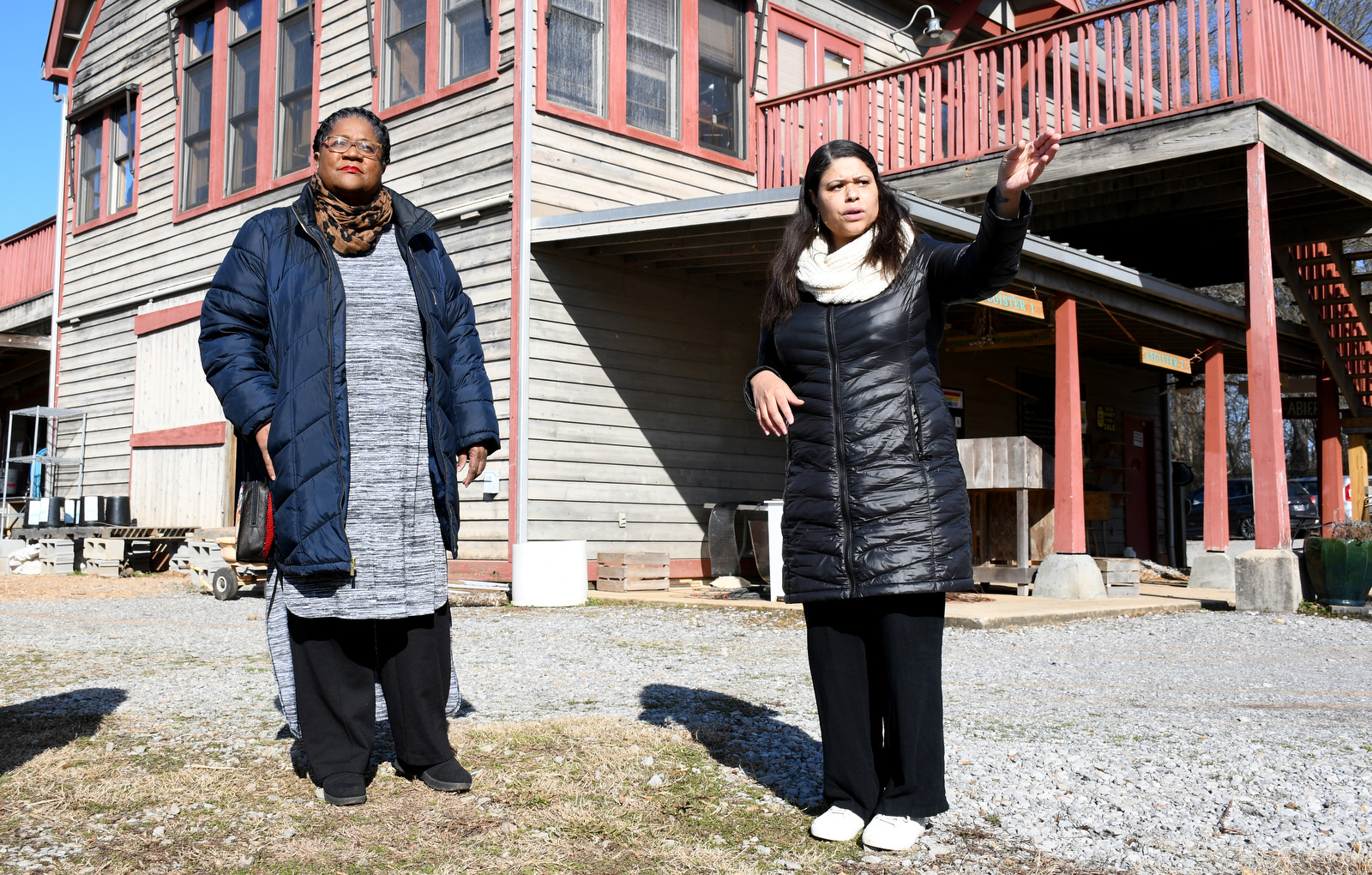 Staff Photo by Robin Rudd / Crabtree Farms Executive Director Lean Banks, right, shows Maria Noel where the Alton Park connector would enter the farm on Jan. 23, 2025.
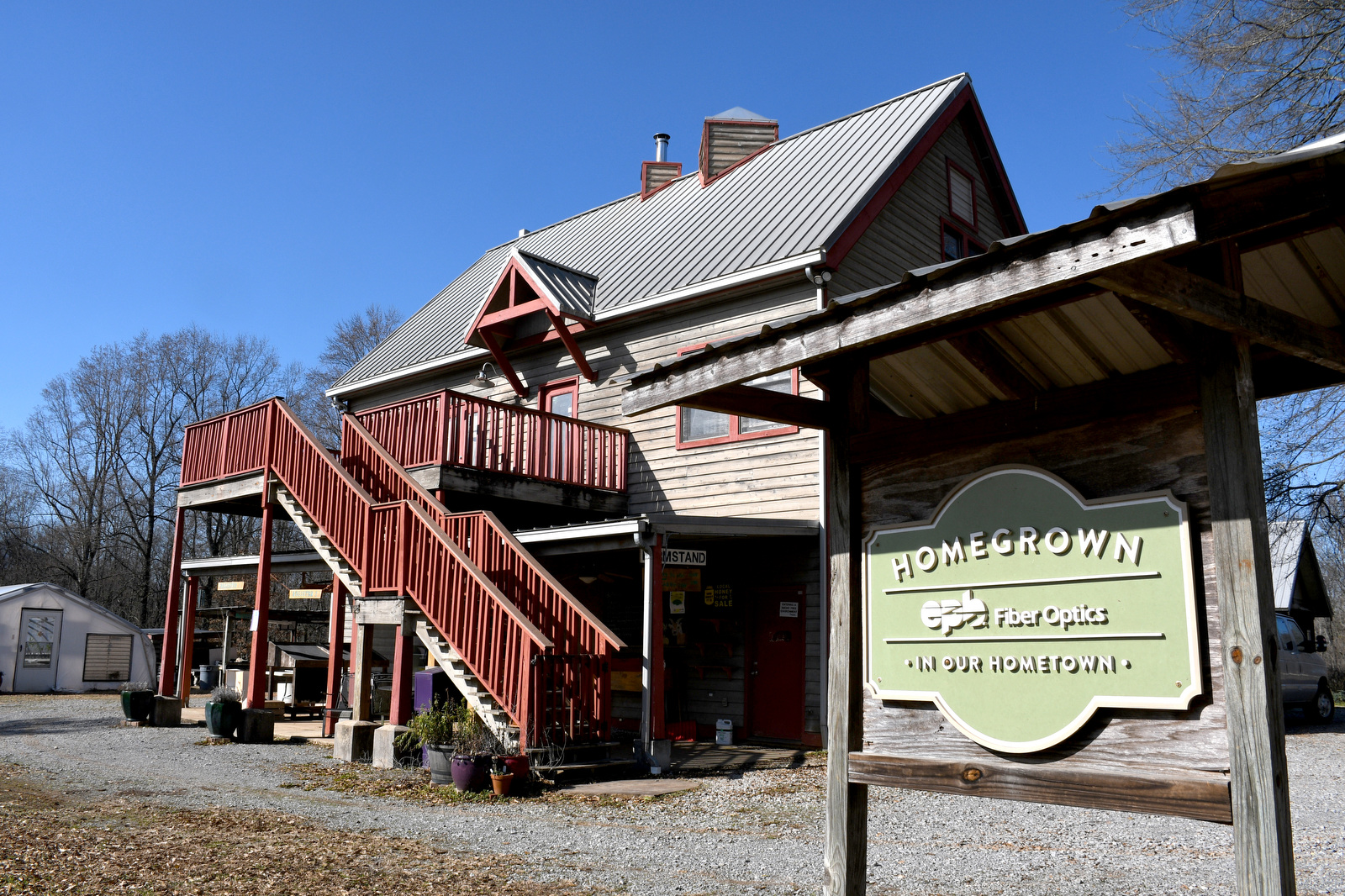
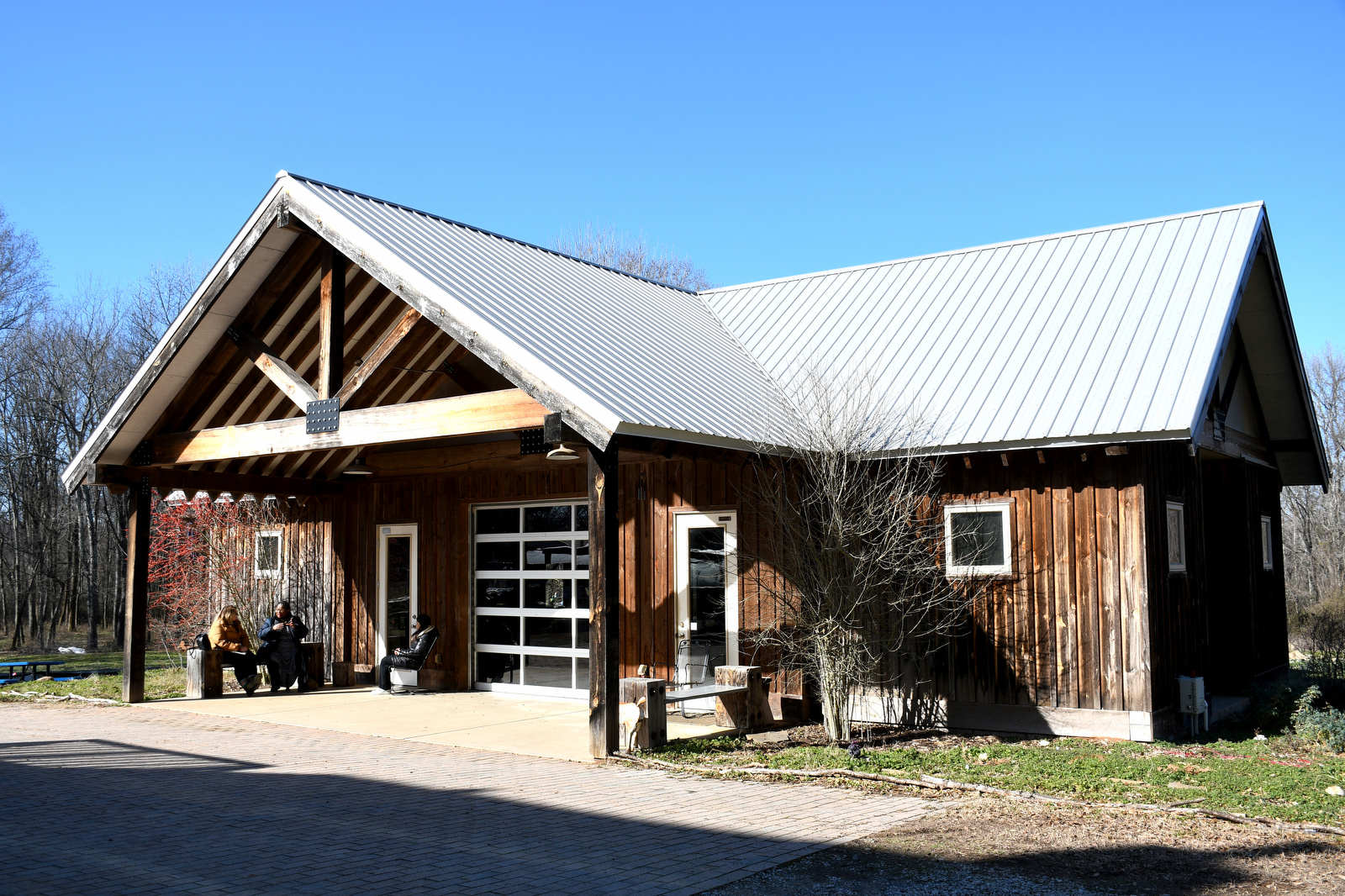
The farm, tucked away in the historic Clifton Hills neighborhood off Rossville Boulevard, offers community garden space and grows native plants. The connector will serve as another entry point for the public, Banks said.
The site itself, around 22 acres, has been used for agriculture for more than 200 years, Banks said. Its original stewards were forced off the land, and later the farm became a working plantation where workers were forced into labor, she said.
“So we tell the story, and we try to hold this reality in our hearts and in everything we do,” she said. “All the hands that shaped this place.”
When highways were built through Chattanooga, they broke up existing Black neighborhoods and facilitated white flight to the suburbs emerging outside the city’s core, community leader Maria Noel said in an interview.
Now, South Chattanooga communities have some of the poorest neighborhoods in the region and the lowest rates of car ownership, according to census data.
“The interstate and all the different things that happened around the 1950s and ’60s, that cut off community. And it cut off access,” Noel said. “So people walking back and forth from Alton Park to East Lake, students going to school, students going from Clifton Hills over to Calvin Donaldson — a lot of those people were having to walk along the street.”
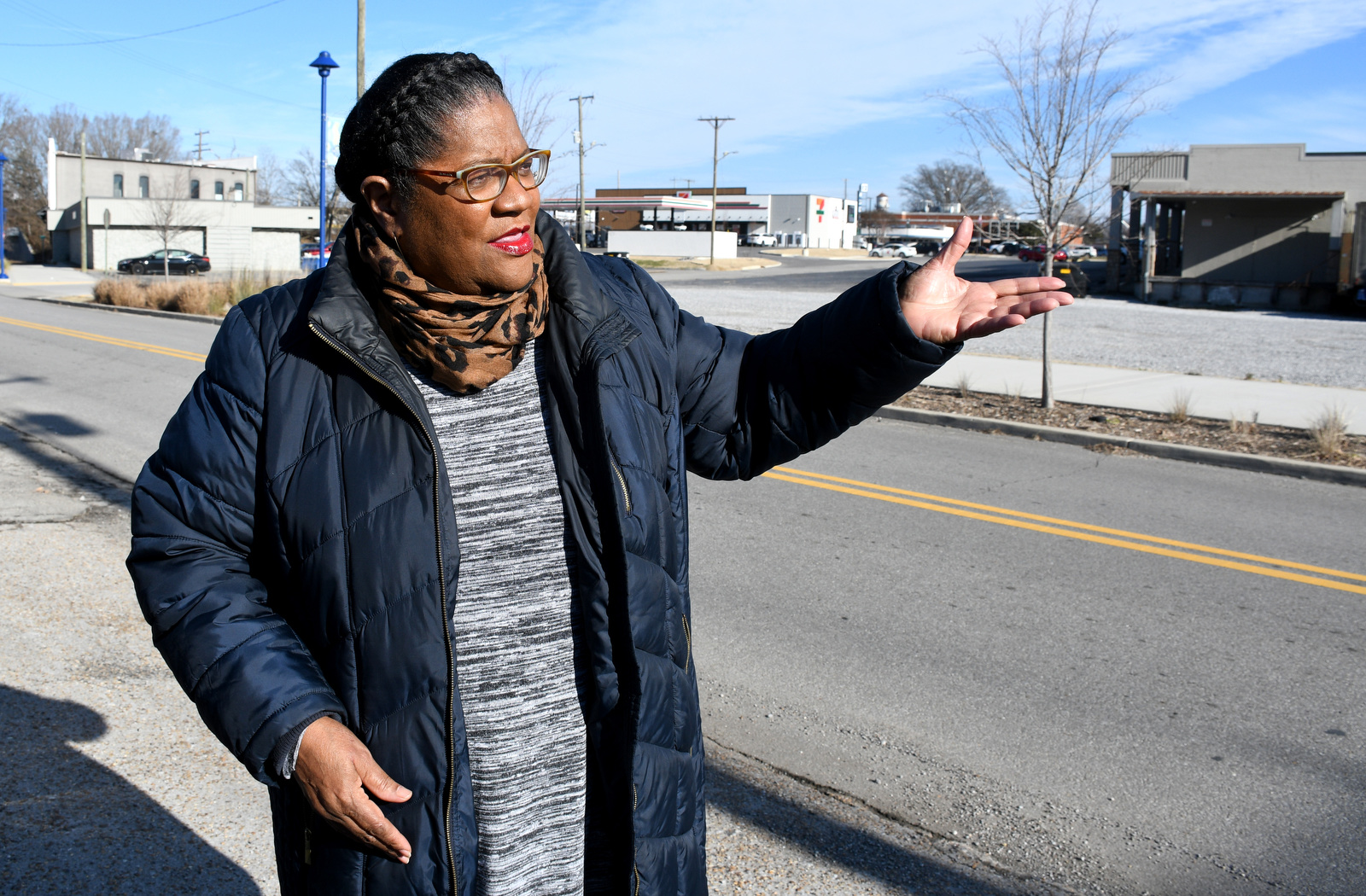
With new development and a lot of potential new jobs coming to the South Broad district around the new Lookouts baseball stadium, Noel said the connector could be a safer way to get to work.
But if done right, it’ll be more than just a way to get from point A to point B, Noel said.
“You’re connecting some of the most diverse communities around here,” Noel said. “You’ve got a strong Latino population in the East Lake and Clifton Hills area, but it’s also expanding in the Alton Park community. We also have whites who live in all three of the communities … So you’re connecting cultures. You’re connecting people. You’re bridging the gap between people that speak different languages.”
The area is also bracing for development and hoping it doesn’t bring displacement along with it.
“Economically, you’ve got housing over here that’s going in, anywhere from low- to moderate-income housing on up to projected $600,000 housing,” Noel said. “So you’re talking about also mixtures of class.”
REMEDIATION
“Name a challenge, from an environmental health perspective, and it’s existing in these neighborhoods across South Chattanooga,” said Durant, with the Trust for Public Land.
Heavy industry, like the foundry site that will soon hold Chattanooga’s new baseball stadium, has heavily contaminated the area, Durant said. Other places in the area built on top of dirty foundry sand, furthering the contamination.
(READ MORE: EPA: More than 1,700 South Chattanooga yards likely contain dangerous levels of lead)
“They would dump it and let people take that stuff and use it to fill gardens and under schools and hospitals,” Noel said. “It was filler.”
Chattanooga Creek has been designated a superfund site since 1995 after a coal carbonization plant dumped coal tar waste in the creek. The groundwater, surface water, sediment and soil in the area have been contaminated, according to the EPA.
“You’ve got a legacy of air pollution issues, chlorine gas leaks,” Durant said. “In the Alton Park community, they’re still recent memories.”
The wood on the railroad tracks that run through the area are still covered in creosote, a byproduct of coal tar, Noel said.
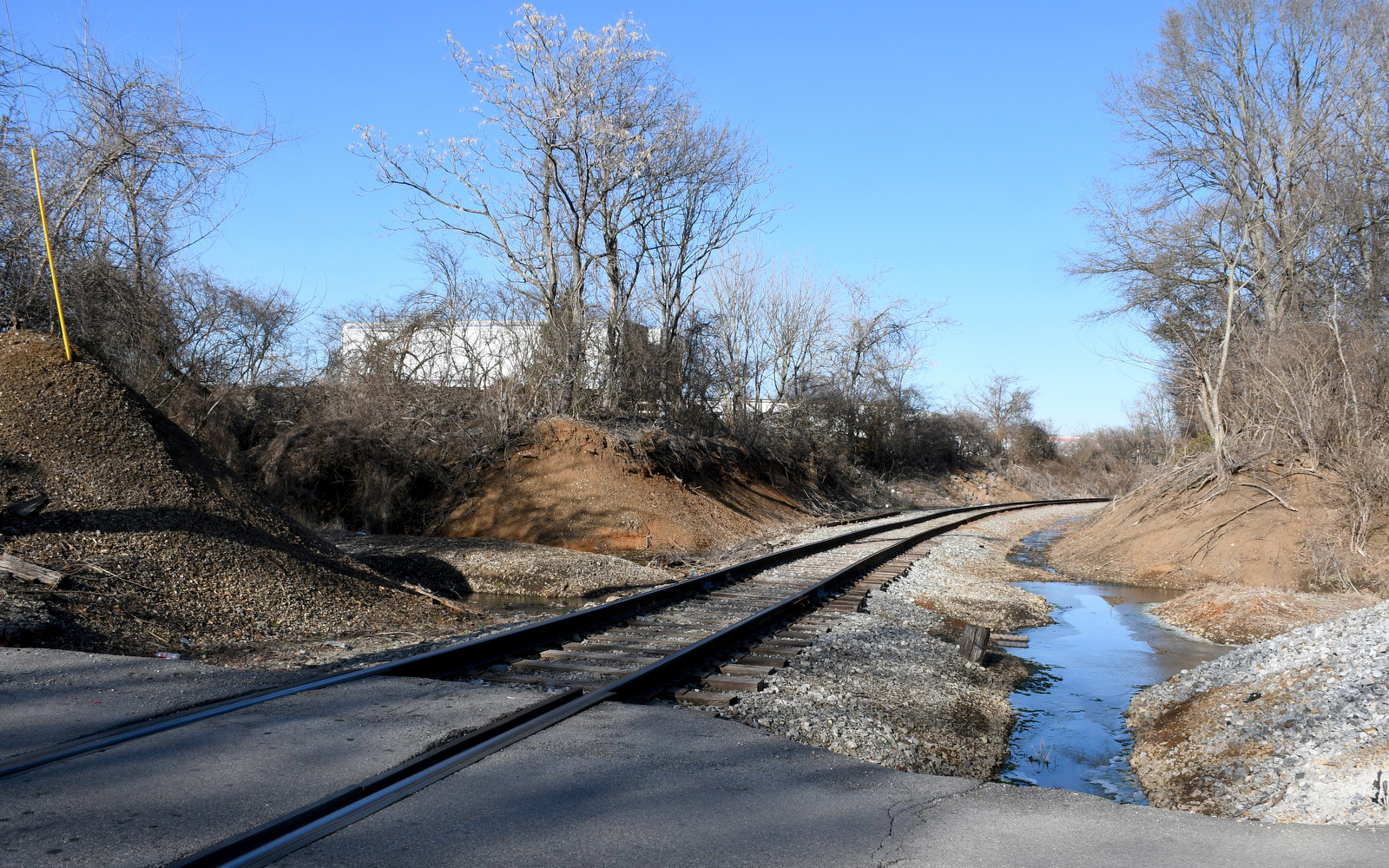 Staff Photo by Robin Rudd / One challenge to the building of the Alton Park connector is the area of an active railroad off of 33rd Street, seen Jan. 23, 2025.
“This was where most of the industry started,” Noel said. “Our stories haven’t been told, and investment hasn’t necessarily come into our communities, but we were sort of the forefront of development in Chattanooga.”
The trail will have to confront some of this contamination.
“OK, you got a hazardous creek, so you’re going to make sure the children don’t get off the trail and play in the water,” Noel said. “Make sure, if it’s flooding, there’s a bridge you put here so pets won’t get any hazardous stuff on their feet.”
There are other logistics to be solved, too. Markers along the trail, so if there’s an emergency you can call 911 and tell them exactly where you are. Signage — in English and Spanish — to direct people to entry points and to explain what they see along the way.
“To let people know that they are welcome here,” Banks said at Crabtree Farms.
UP IN THE AIR
Money for the trail is set to come from a $19.9 million grant from the EPA, via a Community Change grant funded by the Biden administration’s Inflation Reduction Act. The grant was awarded last year to the Trust for Public Land, which has its Tennessee headquarters in Chattanooga.
The trail should incorporate stormwater and flood management on top of adding green space to the community, Ramon Torres, who oversees environmental justice projects in the EPA’s southeast region, said in a video interview.
“The beauty of this is, we want to listen to what you have a problem with, so we can provide funding for you to do what is important to you,” Torres said. “So we improve the quality of life, the health of this community.”
That funding is temporarily on pause for now, after Trump ordered a freeze on federal grants related to diversity initiatives. It’s unclear how that stoppage, subject to a legal challenge, could or would affect the connector project.
(READ MORE: Chattanooga Housing Authority reaffirms commitment to DEI policy in message to staff)
The EPA is working to implement the order “to align federal spending and action with the will of the American people as expressed through President Trump’s priorities,” regional spokesperson Terry Johnson said in an emailed statement Friday.
“The agency is temporarily pausing all activities related to the obligation or disbursement of EPA federal financial assistance at this time,” the statement said.
Durant, with the Trust for Public Land, said his organization is still trying to assess whether the project could be affected by Trump’s actions.
“We will continue working to ensure that everyone can experience the benefits of nature — opening the door to better neighborhood connectivity, clean and healthy green space, and economic opportunities,” he said in an email.
The trail will run through areas already subject to brownfield remediation, in hopes that the trail will serve future development and businesses along its corridor.
“If you know the history of Chattanooga, it was very bad, environmentally speaking,” Torres said. “And the way that Chattanooga has been growing and developed is amazing.”
Contact Ellen Gerst at egerst@timesfreepress.com or 423-757-6319.