
AUSTIN, Texas — College football’s annual rite of spring seems to be withering.
Texas has joined the list of major programs to ditch or make significant changes to its annual spring scrimmage, exhibitions that have long been a staple for fans eager to see their school’s rising stars and get a peek into the upcoming season.
Longhorns coach Steve Sarkisian announced Thursday that there would be no Orange-White scrimmage this year, citing the wear and tear of playing 30 games over the past two seasons, when Texas twice advanced to the College Football Playoff.
“We’re not going to have a spring game,” Sarkisian said in an interview with Kay Adams on the “Up & Adams Show.”
It’s time to find a new way to develop players and preserve their bodies amid longer schedules, Sarkisian said.
“We’ve got a lot of young players on our roster,” he explained. “We have 21 mid-year high school kids who just showed up. The development that is needed to get these guys ready for the fall is a little bit different than it used to be. I just don’t know (that) rolling the ball out, playing the game, when we only get 15 practices, is the best for us to maximize the opportunities that we get.”
At Ohio State, which beat Texas in the Cotton Bowl semifinal before defeating Notre Dame in the CFP final — with that national championship game played just a month ago — coach Ryan Day recently said the Buckeyes will have a spring showcase instead of the traditional scrimmage game, but he gave few details. However, Day noted some of the same wear and tear concerns that Sarkisian did.
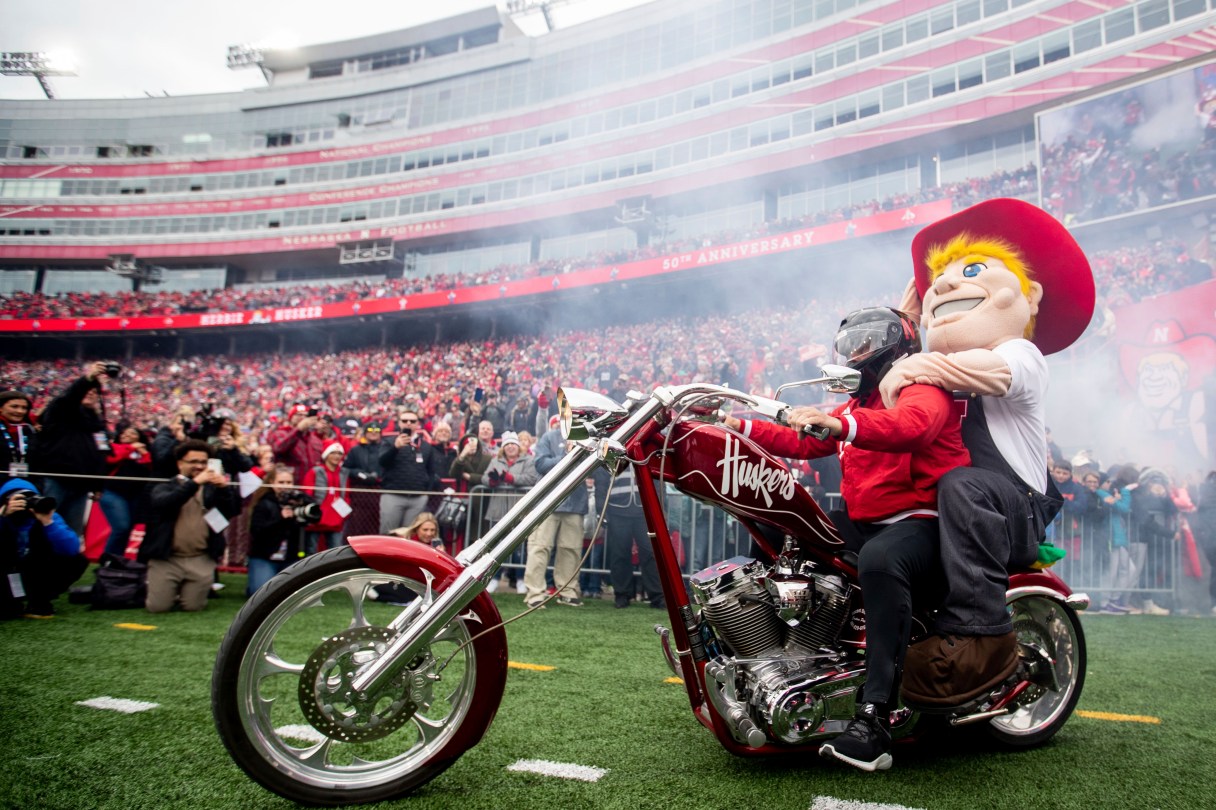
Nebraska coach Matt Rhule said earlier this month his program likely wouldn’t have a spring game because he did not want to give other programs — who may dangle lucrative name, image and likeness payments — an easy chance to evaluate and poach his players through the NCAA transfer portal.
And the University of Southern California has reportedly considered dropping its spring game.
Not everyone is changing, though.
As of Thursday, about half of the 68 schools in the Atlantic Coast, Big 12, Big Ten and Southeastern conferences — college football’s Power Four — had publicly announced dates for spring games. Formats vary, with some schools holding traditional scrimmages and others conducting skills competitions and holding autograph sessions.
The list of programs planning to hold a traditional spring game include Florida, LSU, Michigan, Notre Dame, Oklahoma and Oregon. So are Alabama and Tennessee, with those events set for April 12; presumably, that would line up with the expected date for Georgia’s spring game, but the Bulldogs have not made an announcement either way.
Coaches clearly face the conundrum of choosing between pleasing fans who want to watch their teams or drawing a protective curtain around their rosters.
“I’m either going to have coaches tampering with my players, or I’m going to have a fan base that’s pissed off we don’t have a spring game,” Florida coach Billy Napier said. “Pick your poison.”
Spring football practices are said to have been the brainchild of Harvard captain Arthur Cumnock, who led the team through such drills in March 1889. It became common in that era for teams to scrimmage against each other in the spring.
Michigan held the first spring game for public viewing, an intrasquad scrimmage on May 14, 1925. By the 1950s, spring games had become annual events across the country, either as intrasquad scrimmages or games between the current team and alumni.
As recently as the past decade, top-shelf teams filled their stadiums with 80,000 fans or more and generated millions of dollars in revenue. While they remain popular and a big draw for some programs, others began moving away from traditional spring games because of smaller rosters and the risk of player injuries.
Some have started capping spring drills with fan festivals or special-access practices for top donors.
Last year, Ole Miss replaced its traditional Grove Bowl with player activities such as seven-on-seven flag football, a dunking contest and a hot dog eating contest featuring renowned competitive eater Joey Chestnut.
Minnesota stopped its traditional spring game after 2016, but donors to the school’s NIL collective are invited to an open practice. BYU replaced its open scrimmage with an alumni game four years ago. TCU last year held “Frogapalooza” with live music, family activities and promotions for students.
Spring games have also provided broadcasting content for league networks eager to please ever-hungry fans.
Texas canceling its spring game could put a hole in the SEC Network’s schedule. The defunct Longhorn Network used to televise the game, but all Texas programming shifted to the SEC Network when the school left the Big 12 for its new conference home last summer.
“There have been instances in the past when a school does not conduct a spring game for various reasons,” SEC spokesman Chuck Dunlap said. “That decision is at the discretion of the school.”