

When a section of Chattanooga’s Riverwalk closes next week, city officials say there are no viable detours — for now.
Cyclists and pedestrians who use the trail to commute and for fun say they worry that closing it will leave parts of Chattanooga, including St. Elmo and Alton Park, cut off from the rest of the city.
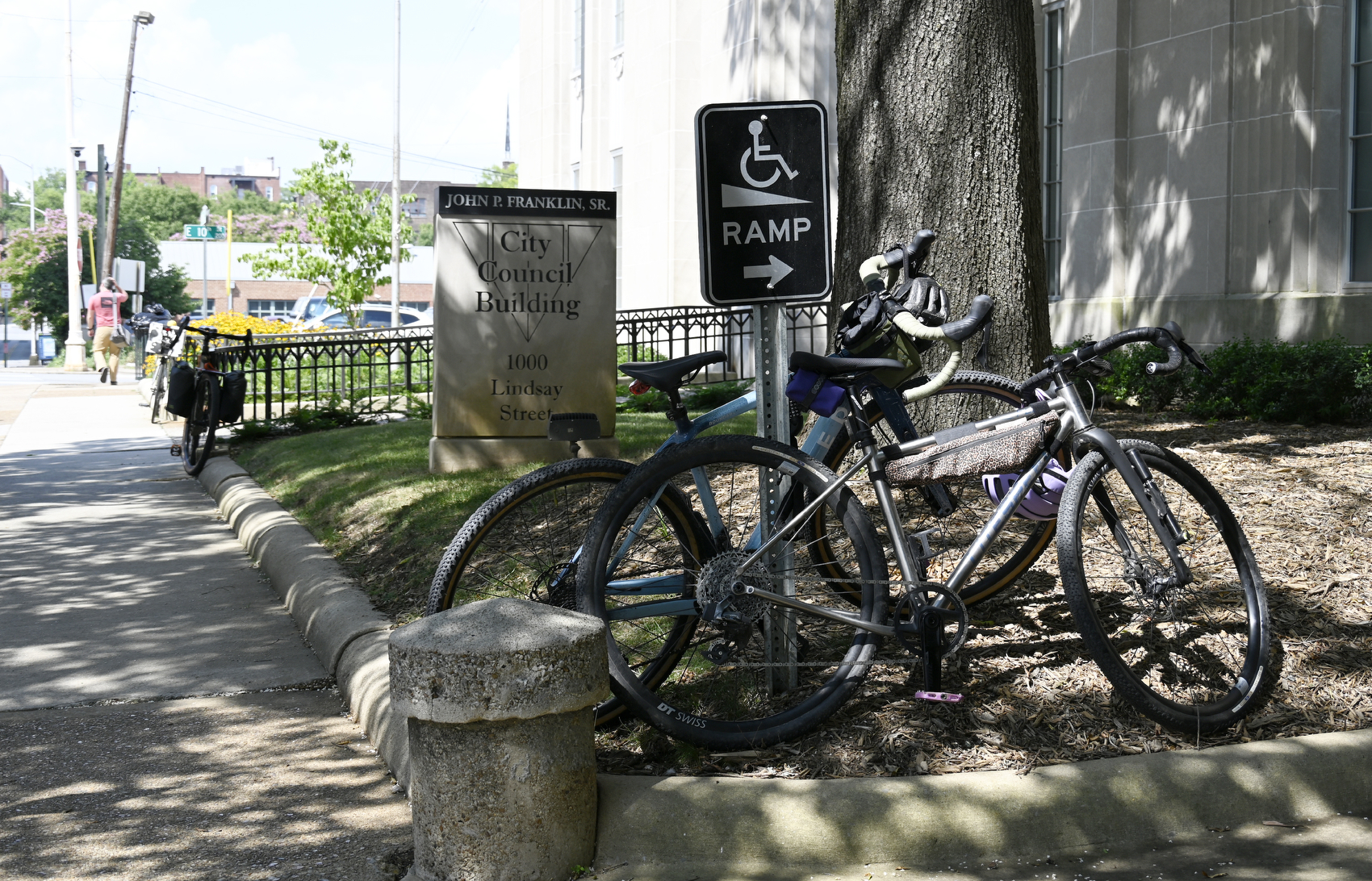
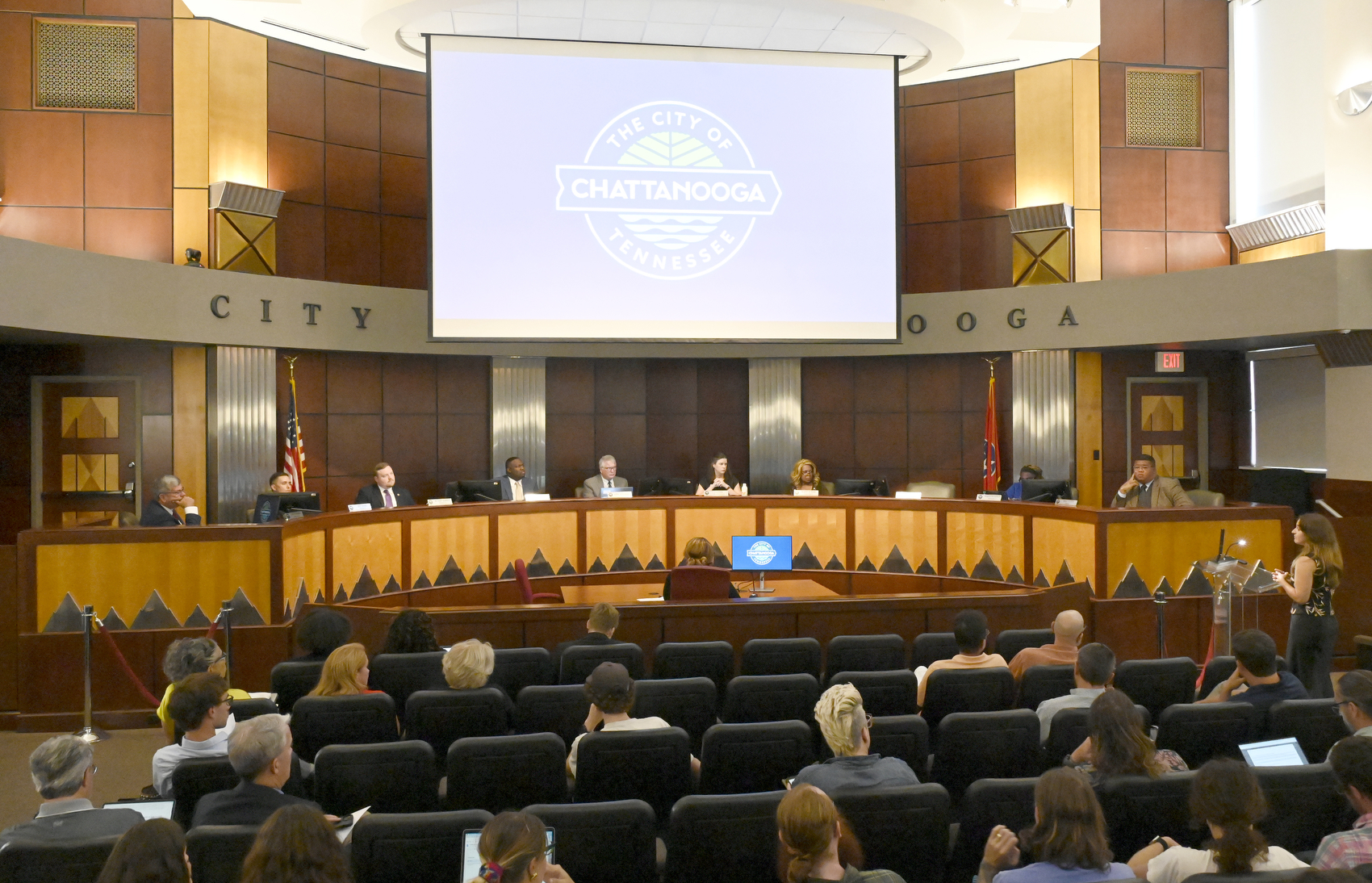
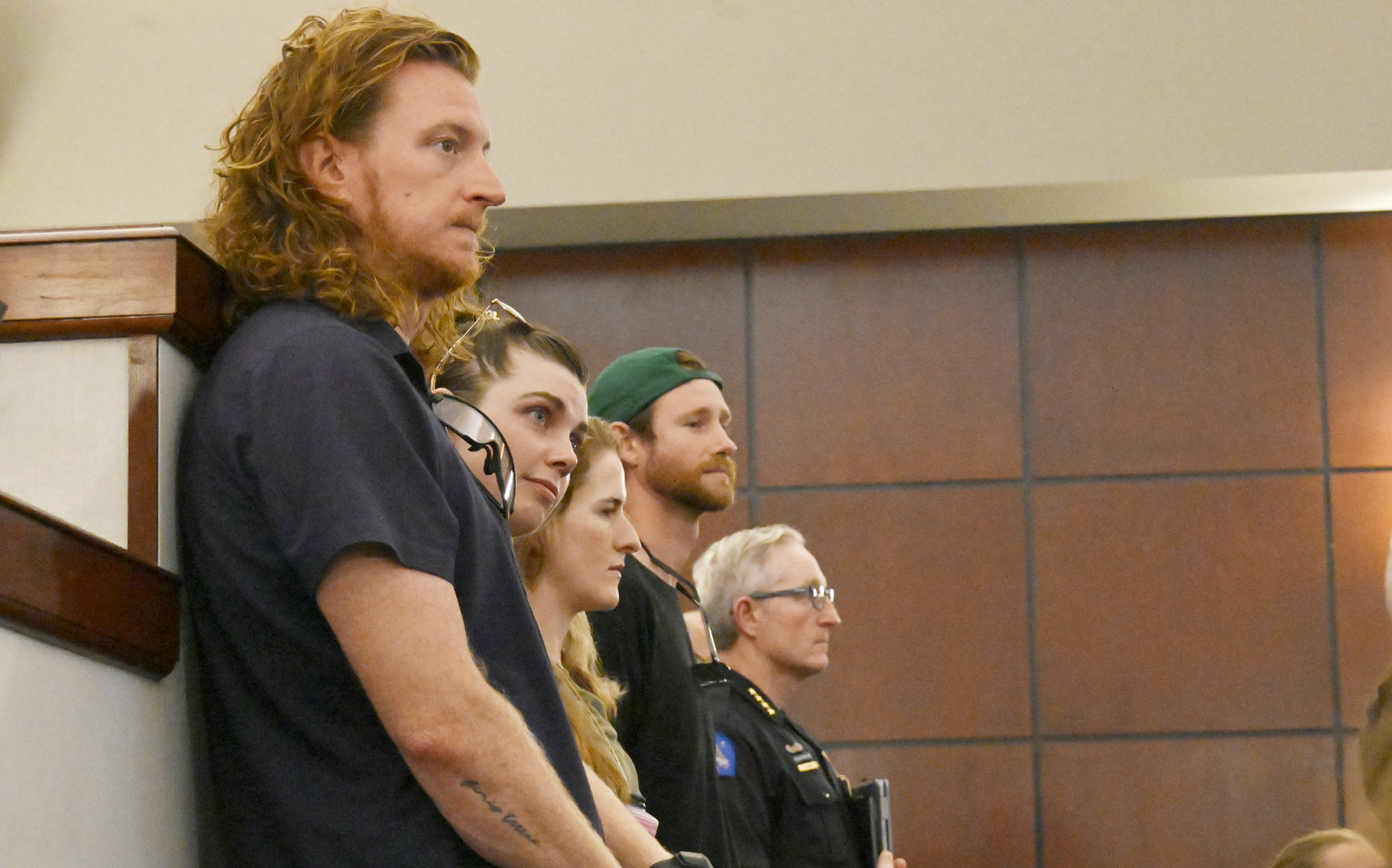
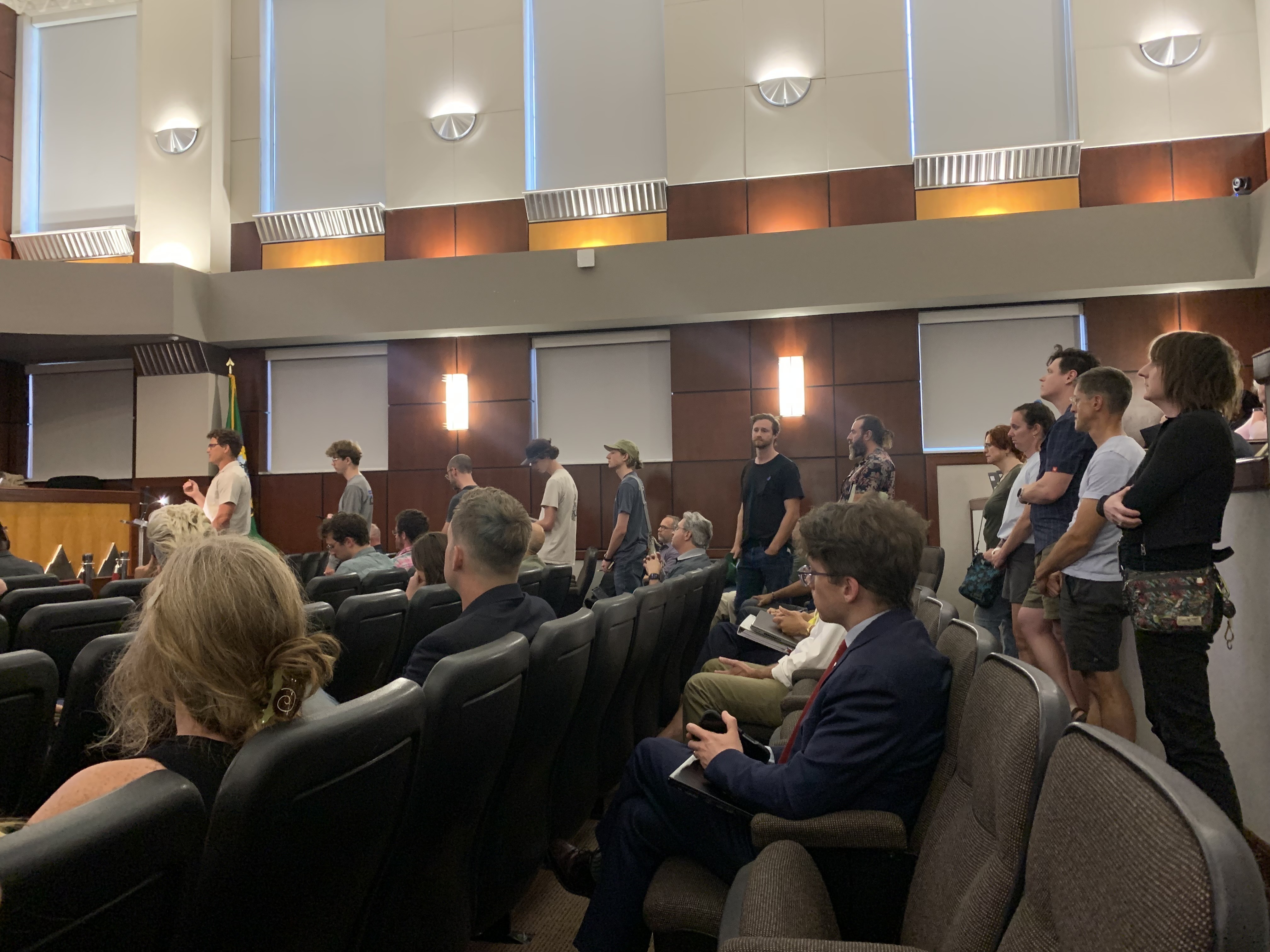
About two dozen cyclists and other advocates spoke to City Council members at a Tuesday meeting, urging the city to find other ways to preserve the continuity of the Riverwalk that will be safe for people walking or biking.
(READ MORE: Section of Tennessee Riverwalk closing temporarily)
“If we were closing any of the streets for cars, surely a protected detour would be provided for them,” David Kraus, a cyclist who lives on the North Shore, said at Tuesday’s council meeting.
The closure will allow city crews to make improvements to the trail, including widening it and adding lighting and landscaping ahead of the new Lookouts baseball stadium’s planned opening in April 2026.
“Unfortunately, there is not a viable option around the closure,” Brian Smith, spokesperson for Chattanooga’s parks and outdoors, said in an email.
Riverwalk closure looms
‘NARROWED TO ONE’
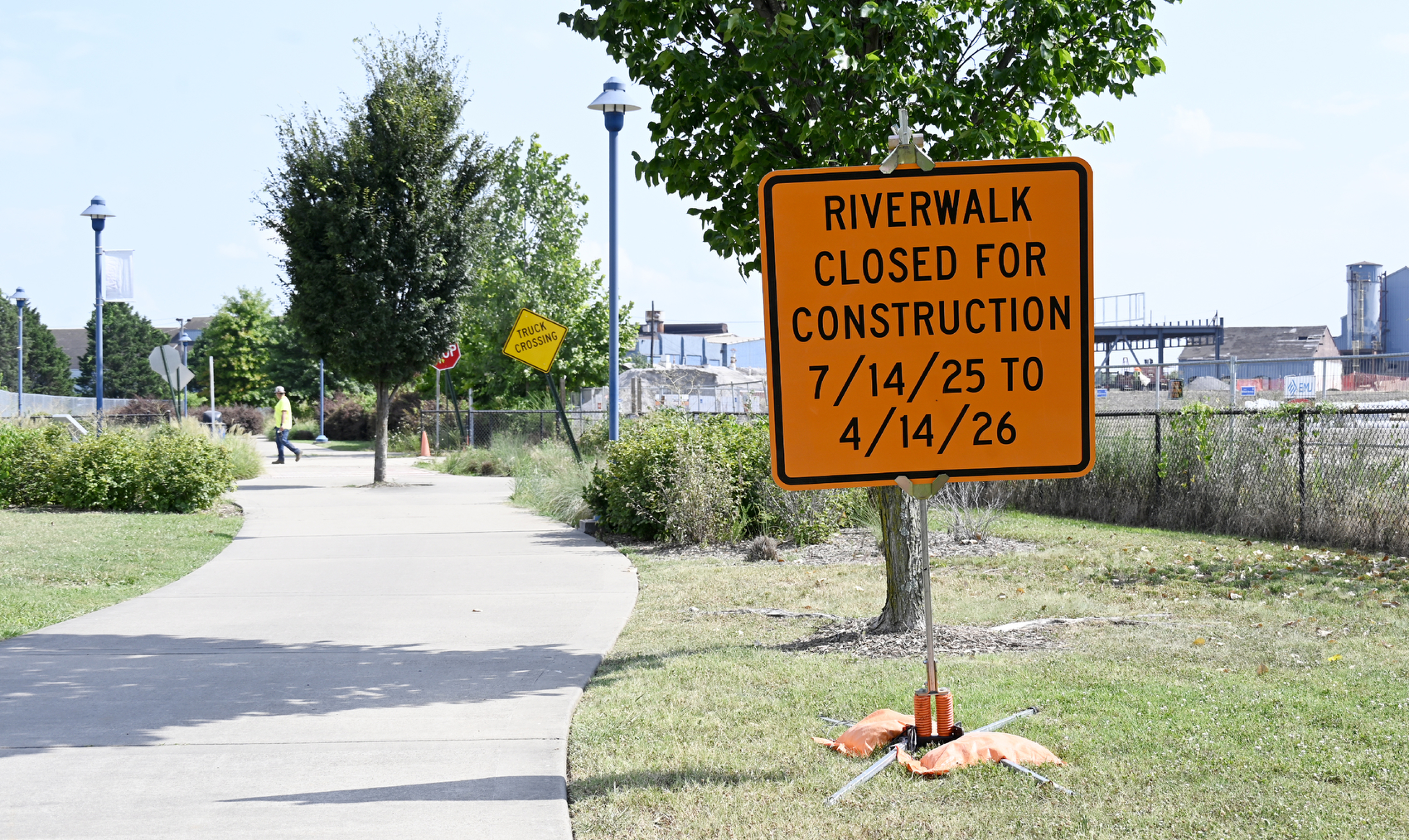
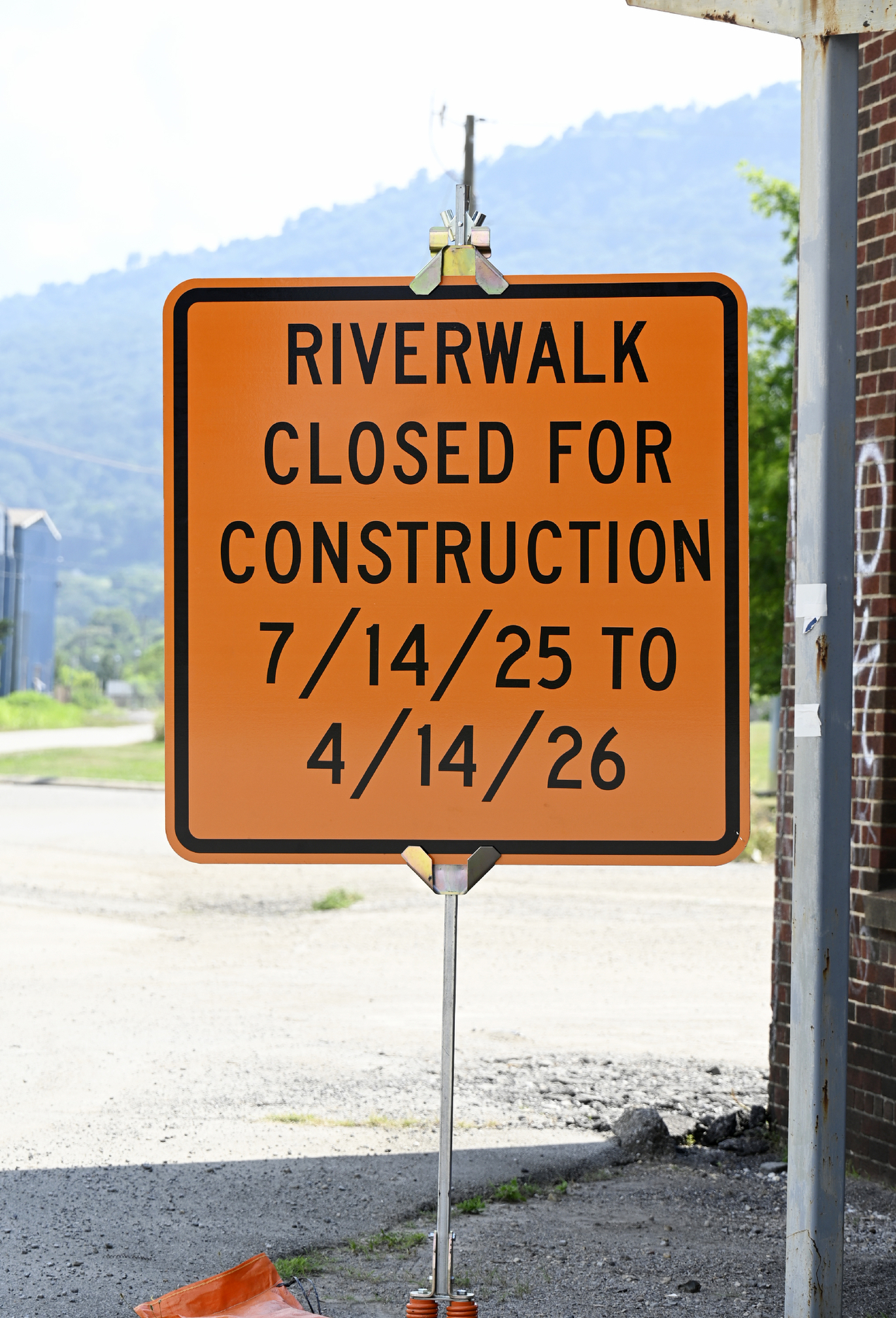
About a quarter-mile of the trail near the stadium construction site will be closed starting July 14, and it’s planned to reopen in April 2026.
A patchwork of privately owned land, a railway and state ownership of Broad Street, which is the nearest major road, all prevented the city from finding a safe detour, officials told cyclists Tuesday.
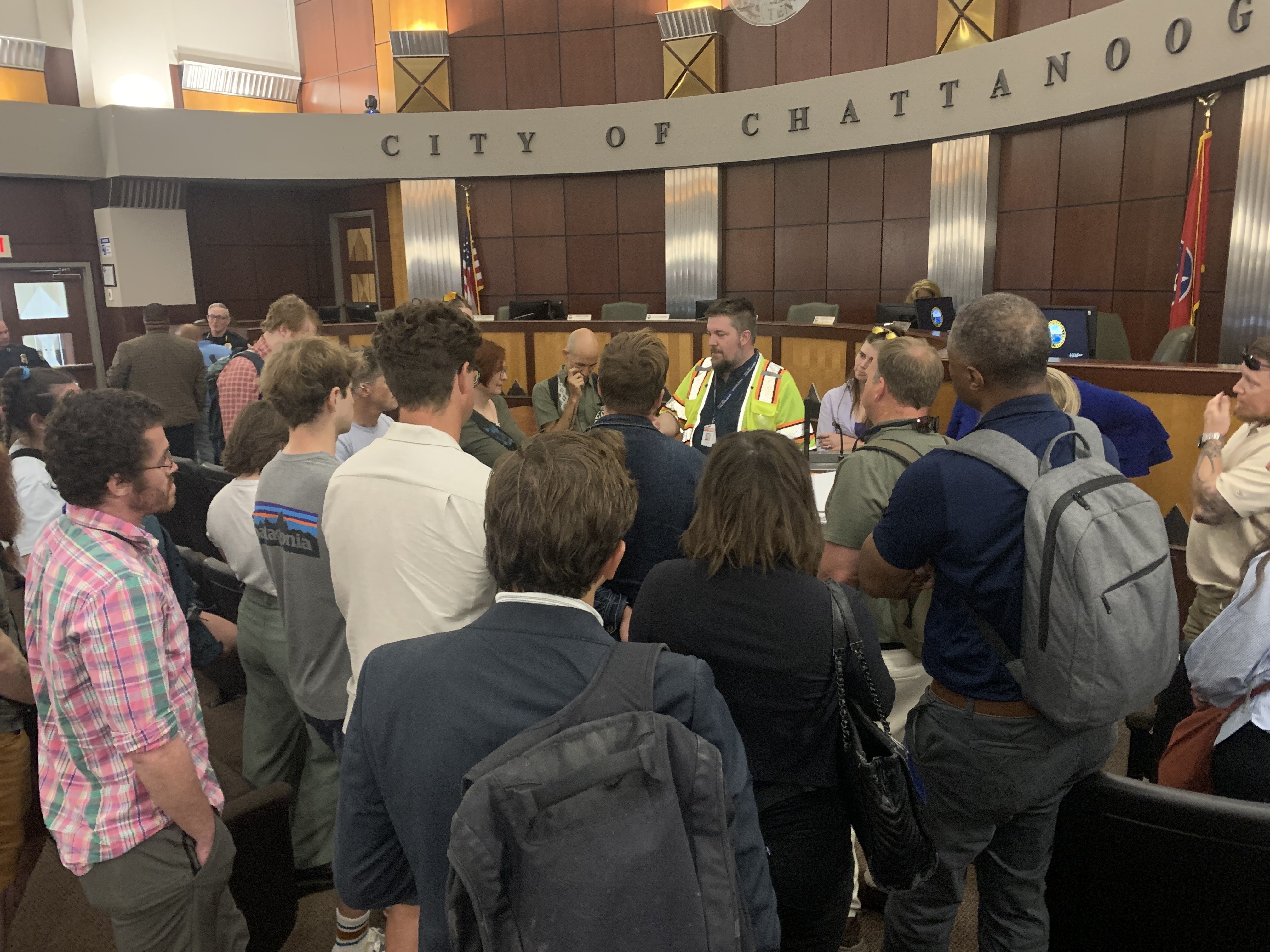
The state reportedly denied the city’s request to use Broad Street for the detour, city Transportation Coordinator Justin Strickland told a group that lingered after the meeting. It would have required one lane to be closed in each direction, he said.
“The options were narrowed down to one,” Strickland said.
Strickland said that the city had exhausted its options, and officials had managed to push the closure back from April, when developers wanted to close the trail, until now.
“None of this is ideal,” he said. “But just know there were so many advocates along the way pushing for this.”
People can opt to use Broad Street to bridge the closure, but it’s not safe enough for the city to recommend that officially, Smith said.
There will be signs in place that warn people to turn around “well before the closure area,” Smith said.
(SIGN UP: Get our top headlines in your inbox every morning by going to timesfreepress.com/morning)
Many cyclists Tuesday who said they worried for their safety referenced recent accidents.
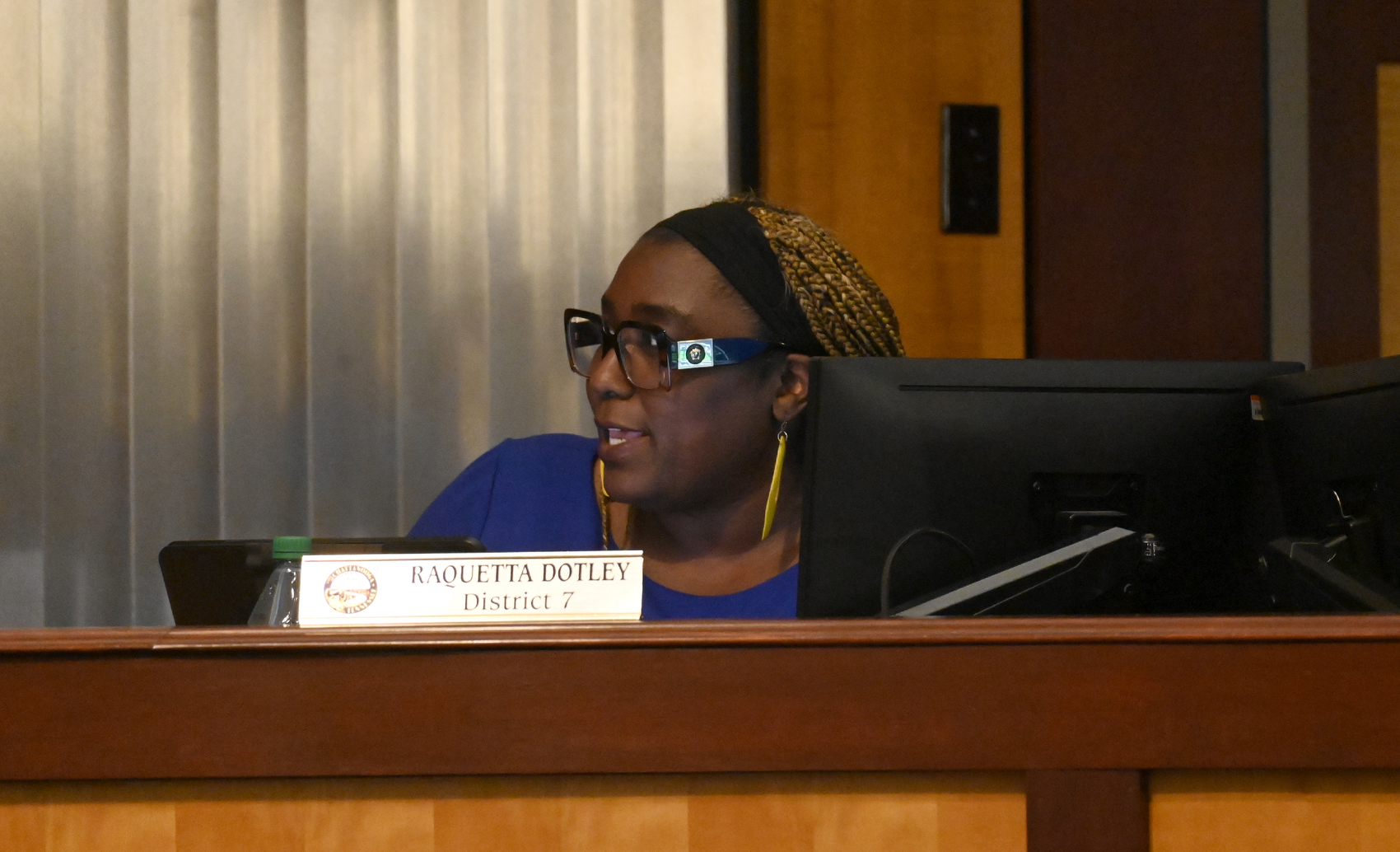
Council member Raquetta Dotley of East Lake said she wants to explore using Alton Park Boulevard as part of a potential detour.
Dotley passed around a sheet of paper after Tuesday’s meeting, collecting email addresses to send out information on an alternate route, ways to use the public bus around the closure and notices for future long-term closures. When she suggested getting the group to take a test ride on an alternate route, many enthusiastically agreed.
“Something is better than nothing,” cyclist Noel Weichbrodt told officials after the meeting.
‘SEVERING AN ARTERY’
Weichbrodt, a St. Elmo resident, spent part of his week printing flyers about the closure and to post them around the trail, urging others who rely on the Riverwalk to contact local officials and speak at Tuesday’s council meeting.
He cycles on that section a few times a week for work and fun, he said, and he’s frustrated city officials haven’t found a good alternate route.
“I use it for everything,” he said by phone. “It feels like it’s not understood how much of an economic lifeline this is to the city … This is how people get to work. This is how kids get to school and jobs.”
Weichbrodt said he understands the difficulty city officials are facing here — a patchwork of ownership, a railroad and ongoing construction make it hard to find a safe alternative.
But when a road needs to close to cars, there’s no question of finding a detour and even positioning flaggers to keep people moving, he said.
(READ MORE: McCallie tunnels alternating closures for electrical updates)
“You’re severing an artery in the city’s connectivity,” Weichbrodt said.
He worries the closure will force people to walk and bike where it’s not safe, like on Broad Street, where there are no bike lanes.
“Going over that bridge is one of the most horrible experiences you can have as a cyclist,” he said of the Broad Street bridge over the railway. “I think the clear thing to do is put a pause on the closure, put a quick plan in place to give an alternative.”
Several others Tuesday asked council members to consider pausing the closure.
Aaron McAfee, a student at the University of Tennessee at Chattanooga, said the closure will make it harder for her to get around town.
“I’m a cyclist. I don’t have a car,” McAfee said by phone. “So that is often my route for getting places and for commuting. Sometimes it’s a nice bike ride, sometimes I have an errand that I have to do.”
McAfee said biking on roads in Chattanooga can be frightening, and drivers are often aggressive. The closure is especially inconvenient given the Walnut Street Bridge and a section of the South Chickamauga Creek Greenway are already closed, McAfee and others said.
It’s also a connection to local mountain biking trails, and cycling groups often use the path to avoid dangerous streets, McAfee said.
“I think it’s really going to really damper a lot of the recreation elements of Chattanooga,” she said. “I think parks and rec is one of the big drawing points for people moving to this city.”
WHAT’S CLOSING?
The closure starts at the Chestnut Street trailhead and ends about a quarter mile down the path, near the U.S. Steel foundry.
The parking lot at the trailhead, which connects to Chestnut Street, will be closed, a closure map shows.
Chestnut Street will remain open but will serve as the main road for construction workers and supplies, officials said on social media.
Railroad tracks also complicate the right-of-way there and are not accessible for people with wheelchairs or small bikes, officials said. Part of the renovation is set to improve the railroad crossing, according to a city press release.
That section of the Riverwalk was completed in 2016, Smith said. Officials Tuesday said it is the second least-trafficked section of the trail.
Data from fitness app Strava reportedly shows more than 21,000 cycling trips were logged on that section in 2024, along with around 4,400 runs or walks, one cyclist told council members.
(READ MORE: US Bicycle Route System now runs through Chattanooga)
When the baseball stadium opens, the Riverwalk will be a main way for people to get there, city officials said.
The path is set to be widened to 16 feet, which should accommodate increased foot and bicycle traffic in the growing area, officials said in the release.
Enhanced lighting and new landscaping are planned, as well as a connection to a new community plaza in the area.
Chattanooga’s bus system operates a free shuttle to St. Elmo Avenue from downtown via Broad Street that runs every 30 minutes, Smith said. The No. 1 bus also serves Alton Park from downtown.
Weichbrodt, who lives in St. Elmo, said the shuttle’s 30-minute timetable makes the shuttle less convenient to use, and the shuttles can’t carry bikes.
“It’s not really a viable alternative,” he said. “I’m not saying that isn’t a part of a solution, I’m just saying that isn’t a solution by itself.”
Contact Ellen Gerst at egerst@timesfreepress.com or 423-757-6319.