
The Trump administration announced it will once again withdraw from the U.N. cultural agency UNESCO, stating the agency focuses on an “ideological agenda for international development at odds with our America First foreign policy.”
The decision to pull U.S. funding and participation from the United Nations Educational, Scientific and Cultural Organization comes two years after the Biden administration rejoined following a five-year absence that began during President Donald Trump’s first term, The Associated Press reported.
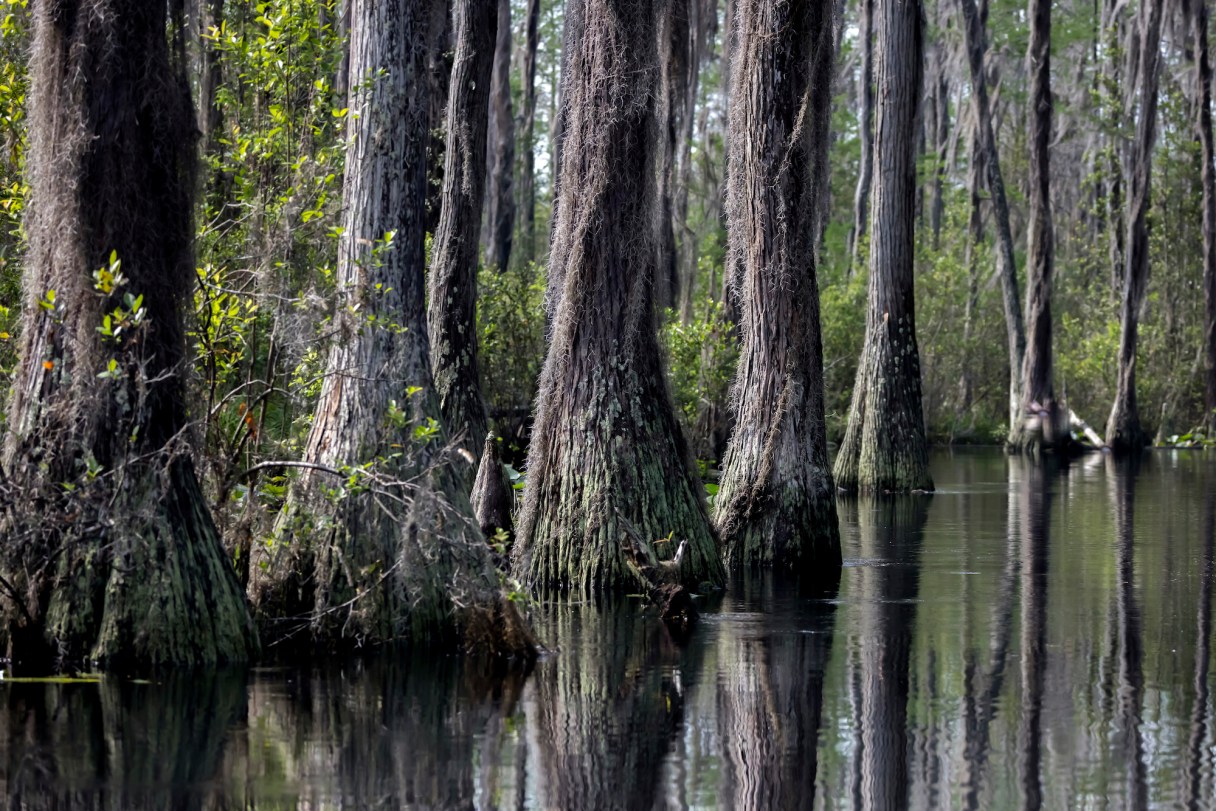
The planned withdrawal from UNESCO, scheduled to go into effect at the end of 2026, also comes as the Okefenokee National Wildlife Refuge advances its bid to become a UNESCO World Heritage Site.
But the administration’s move doesn’t mean the Okefenokee will lose its opportunity, said Kim Bednarek, the Executive Director of the nonprofit Okefenokee Swamp Park, which is the fiscal agent on behalf of the project, and one of the principal partners, along with the Okefenokee National Wildlife Refuge and the U.S. Fish & Wildlife Service to steward the World Heritage project forward.
The Okefenokee has been on the World Heritage tentative list for more than 40 years. It was finally officially nominated in January for the prestigious list of more than 1,200 cultural and natural sites of universal importance including the Grand Canyon in Arizona, the Taj Mahal in India, the Great Wall in China and the Galápagos Islands in Ecuador. If successful in its bid, the Okefenokee would be the first U.S. wildlife refuge to earn the designation.