
A coalition of environmental groups and researchers released a draft plan Thursday aiming to harness federal funding and state relationships to protect the Ohio River — a drinking water source for 30 million people — from pollutants and habitat destruction.
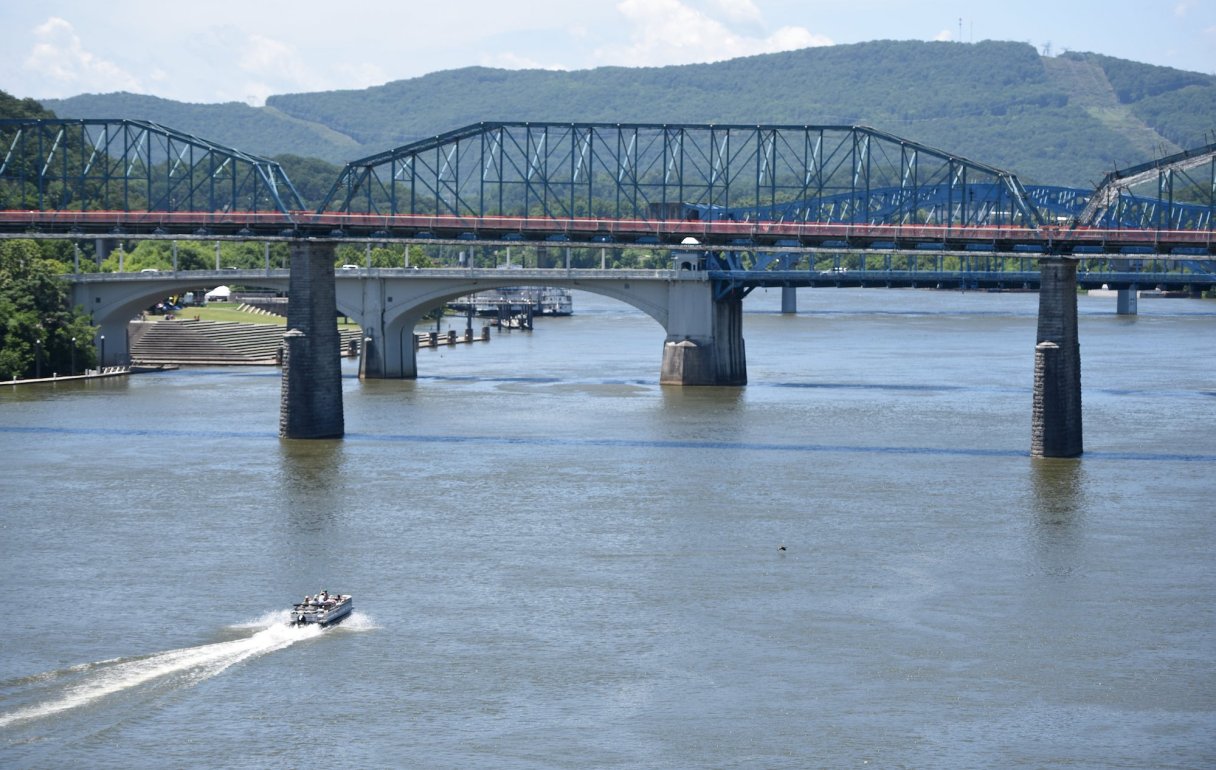
Middle and East Tennessee are part of the 204,000-square-mile Ohio River Basin that includes portions of 14 states and more than 40 Tribal Nations. The Tennessee River is the Ohio River’s largest tributary, flowing from Knoxville into the Ohio in Paducah, Kentucky. The Cumberland River also feeds the Ohio River.
Though states have made independent strides to improve river health, the report argues that a piecemeal approach is not sufficient.
“It’s absolutely (unacceptable) that in the year 2025, we still have men, women, families and communities that do not have access to clean, safe, affordable water. That we still have toxic waste sites that have yet to be remediated. That we still have warnings about eating contaminated fish. That we still have warnings about recreating in local waters,” Jordan Lubetkin, senior director of Ohio River Restoration for the National Wildlife Federation, said.
“The bottom line is this: With so many communities seeing health-threatening pollution, we need to be doing more to protect the waters that we all rely on, and this report makes a bold case for action. Action needs to happen now,” Lubetkin said.