
What happens next in the Middle East is up to Iran. The Iranians can either choose diplomacy or destruction. Either way, the end result must be an absolute end to the rogue regime’s ability to threaten the world with nuclear weapons.
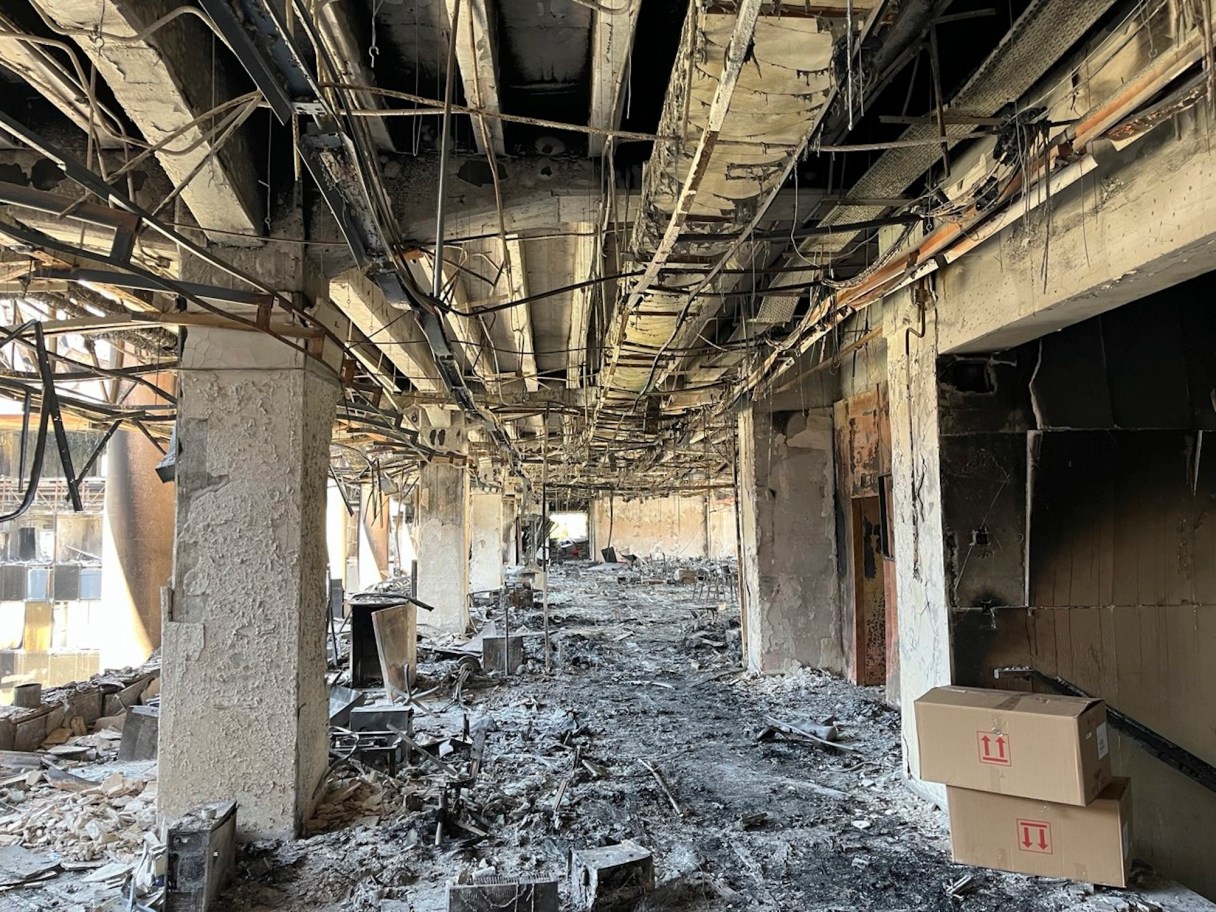
President Donald Trump continues to offer Iran an opportunity to resume negotiations, even as it exchanges missile fire with Israel, which launched an aerial barrage on Iranian military and nuclear targets, as well as some of its oil producing facilities. Several of its military leaders and scientists have been killed.
Israel began this war without the approval of its main ally, the United States. But now that it’s started, only the U.S. can bring this chapter of the Middle East conflict to an acceptable conclusion, barring an agreement by Iran to voluntarily disarm.
For President Donald Trump, this marks the most serious national security threat he’s faced since North Korea’s saber-rattling during his first term. The gravity of the situation was made evident by Trump’s unprecedented departure from the G-7 summit of world leaders in Canada this week. He returned to Washington and immediately called together his national security team.
The way to make good on that promise is to ensure all enrichment of nuclear material inside Iran’s borders is ended. The U.S. and its allies have previously sought to contain Iran’s nuclear ambitions by slowing the progression of weapons grade enrichment. That hasn’t worked and won’t. The Iranians can’t be trusted to honor their commitments. Last Thursday, the International Atomic Energy Association reported for the first time in 20 years, Iran has restarted progression toward weapons grade enrichment.