
Thursday, November 12, 2026Nov 12

Volkswagen offering voluntary buyouts at Chattanooga plant

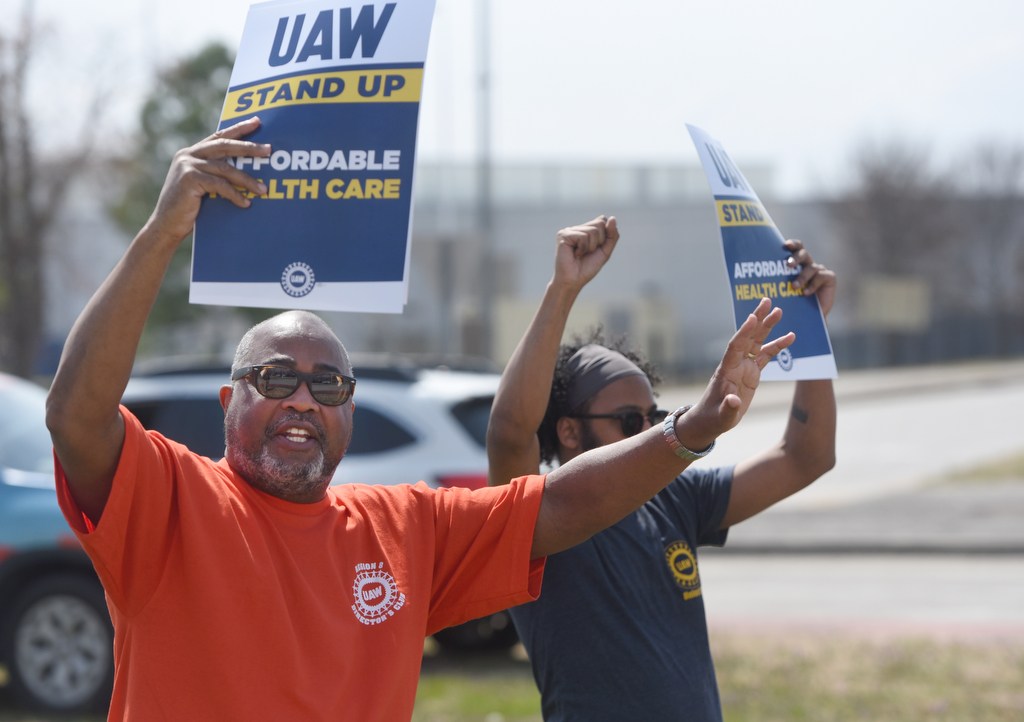
Staff photo by Matt Hamilton / Walt Westfield, a senior organizer with Jobs With Justice in East Tennessee, waves to cars March 13, 2025, during a protest outside Chattanooga's Volkswagen plant. After the automaker announced it would return to two-shift production, United Auto Workers members and supporters accused the company of violating workers' rights.
Staff photo by Matt Hamilton / Walt Westfield, a senior organizer with Jobs With Justice in East Tennessee, waves to cars March 13, 2025, during a protest outside Chattanooga's Volkswagen plant. After the automaker announced it would return to two-shift production, United Auto Workers members and supporters accused the company of violating workers' rights. Staff photo by Matt Hamilton / Walt Westfield, a senior organizer with Jobs With Justice in East Tennessee, waves to cars March 13, 2025, during a protest outside Chattanooga's Volkswagen plant. After the automaker announced it would return to two-shift production, United Auto Workers members and supporters accused the company of violating workers' rights.

Volkswagen plans to return primarily to a two-shift production schedule starting March 31 at its Chattanooga plant, saying Thursday it has underutilized capacity and will offer voluntary buyouts to cut its workforce.

The United Auto Workers promptly filed federal labor charges against Volkswagen for “violating workers’ rights,” which the automaker denied.

Meanwhile, a group of union employees rallied outside the plant with some expressing disappointment by the company’s action and frustration a labor contract hasn’t been reached between the parties after six months of bargaining.

The company isn’t saying how many employees it expects a “voluntary attrition program” will affect at the plant that has about 4,300 production workers. Also, it declined to say if it’s considering similar steps for non-production employees.

The company said in a statement that it’s aligning production of the ID.4 electric vehicle built at the factory with demand, with the EV market having been slower to evolve than what was envisioned.