
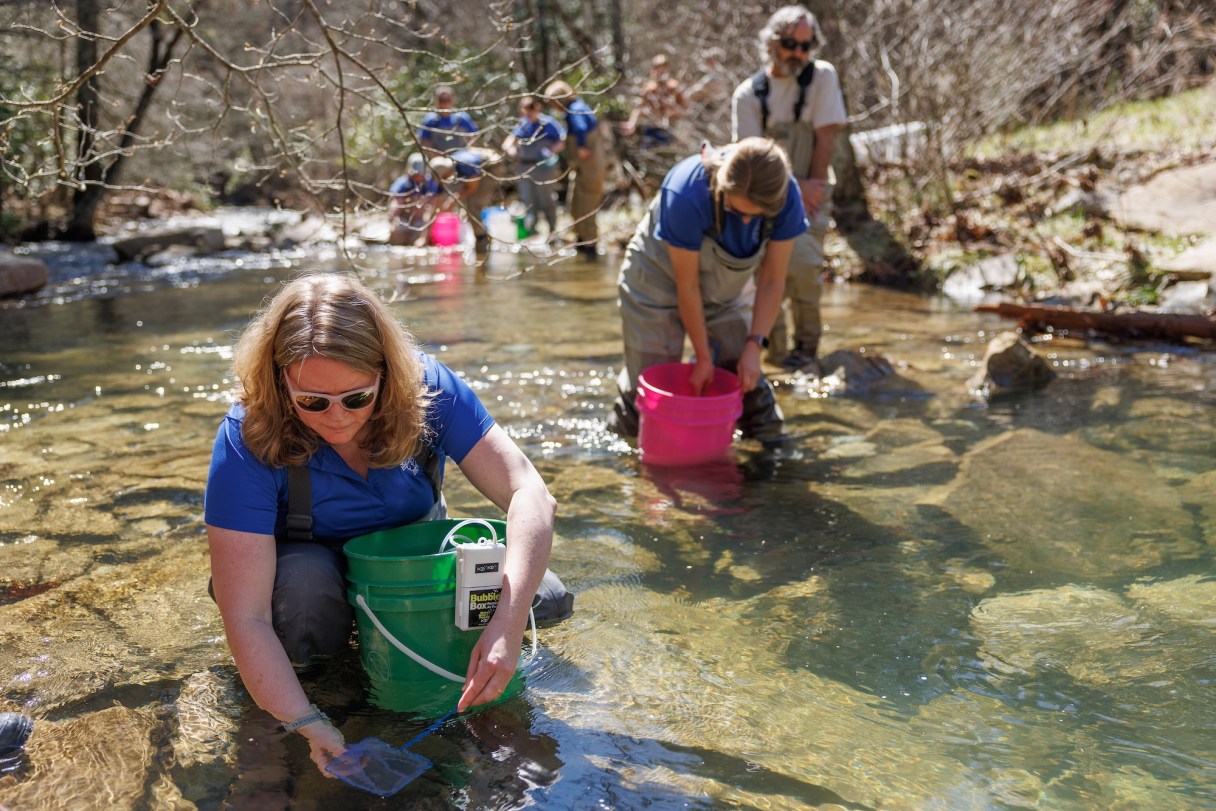
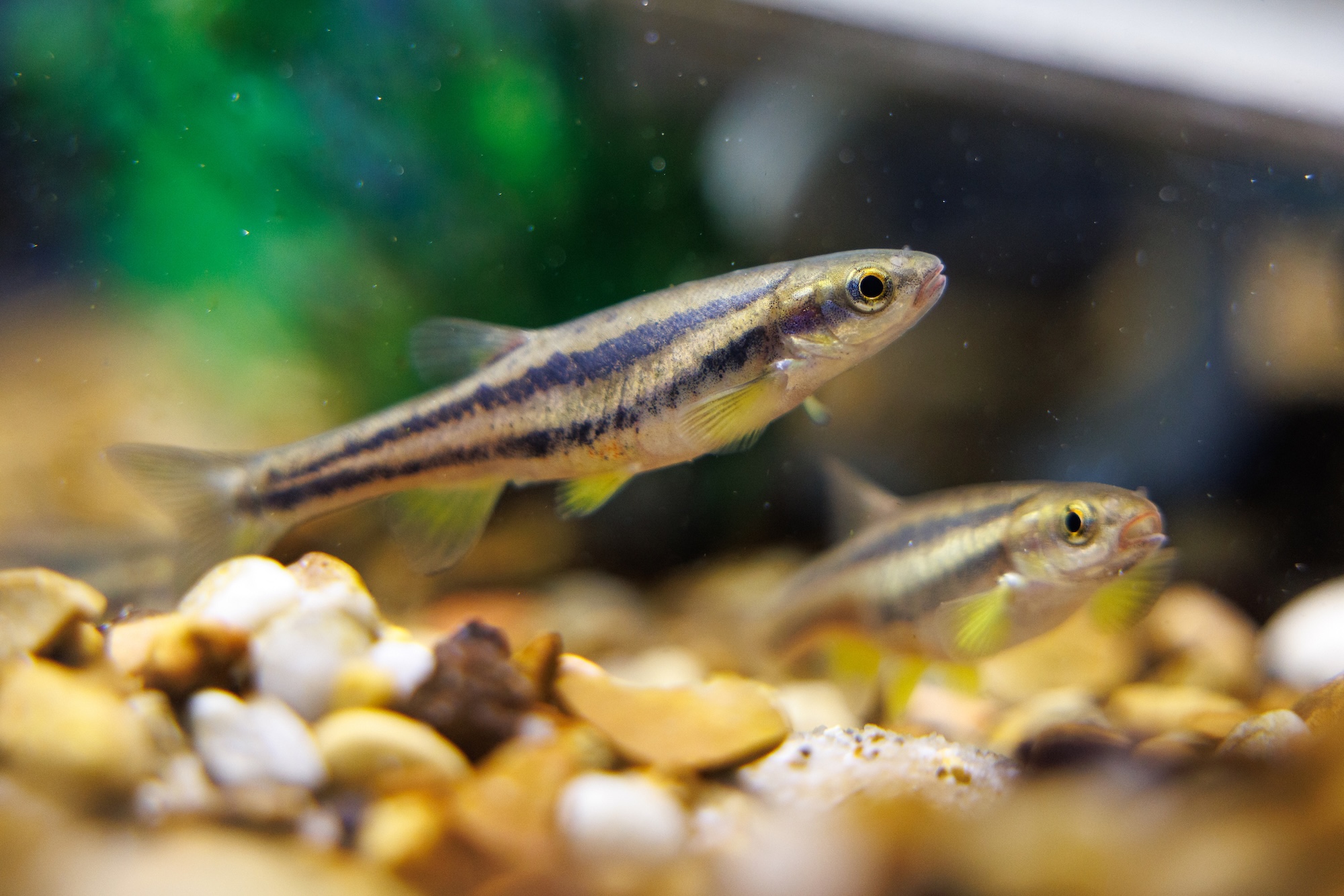
The Tennessee Aquarium and its partners have released more than 200 endangered laurel dace back into the wild following recent wetter weather.
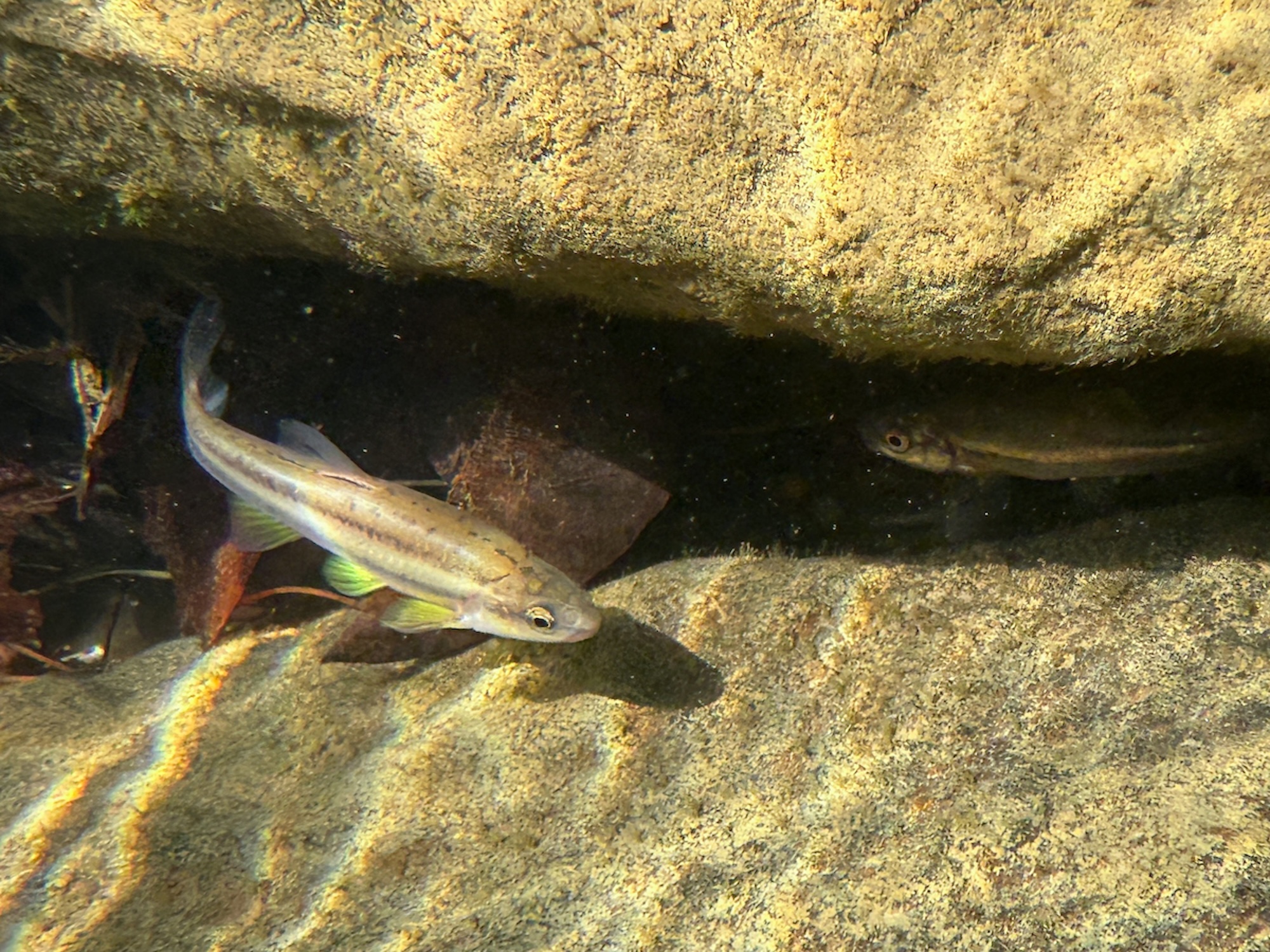
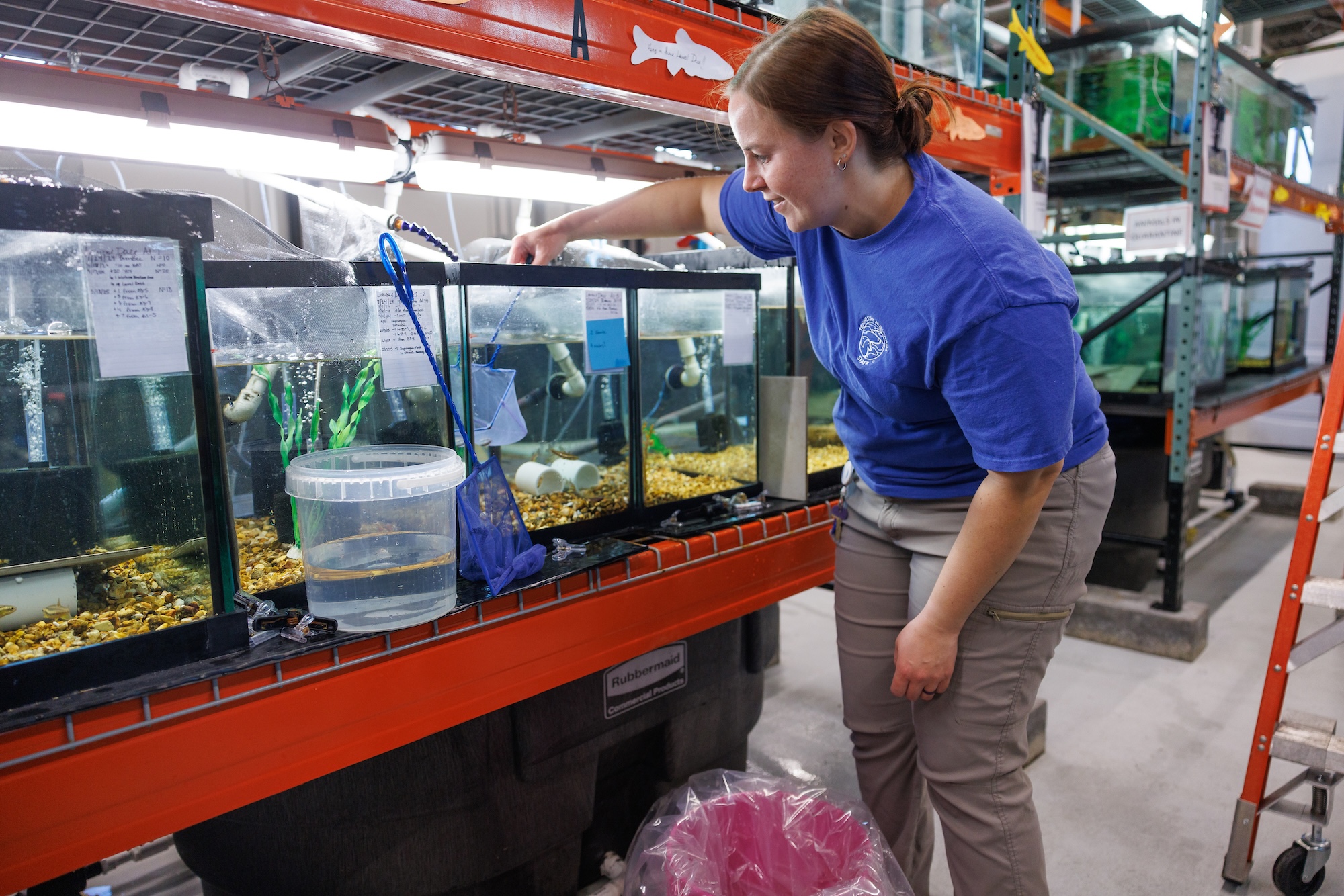
This past summer, drought had reduced the streams laurel dace inhabited to a few isolated puddles, prompting the aquarium and its partner agencies to rescue the freshwater minnows and place them in human care. A narrow endemic species found only atop Walden’s Ridge, the laurel dace once inhabited eight streams but are now only found in two — Bumbee and Youngs creeks. The species was federally listed as endangered in 2011.
While “much of Southeast Tennessee is still experiencing moderate drought conditions,” a “slightly wetter-than-average February” made it possible for researchers to release over 200 of the almost 300 rescued laurel dace back into their natural habitats, according to a news release from the aquarium.
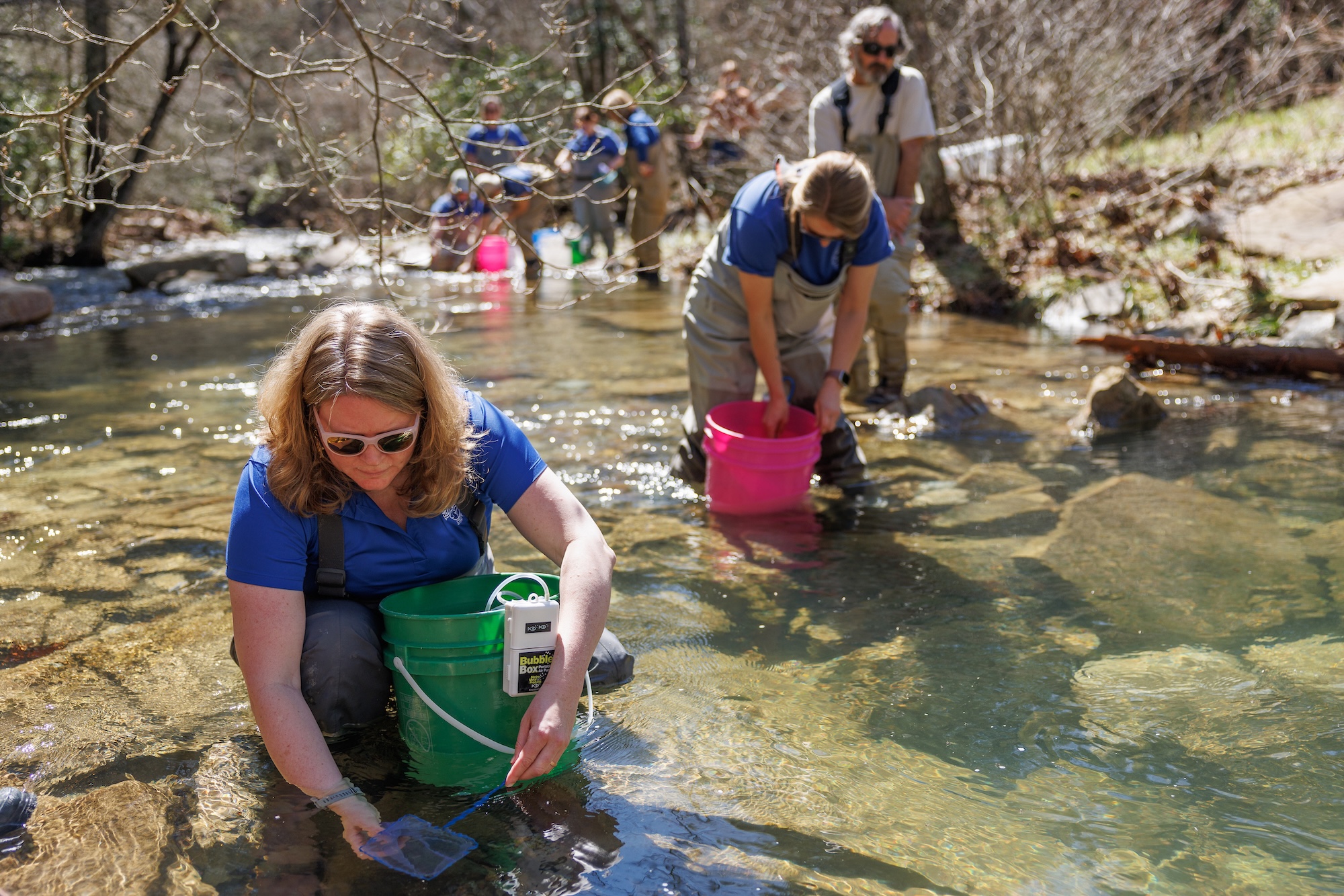
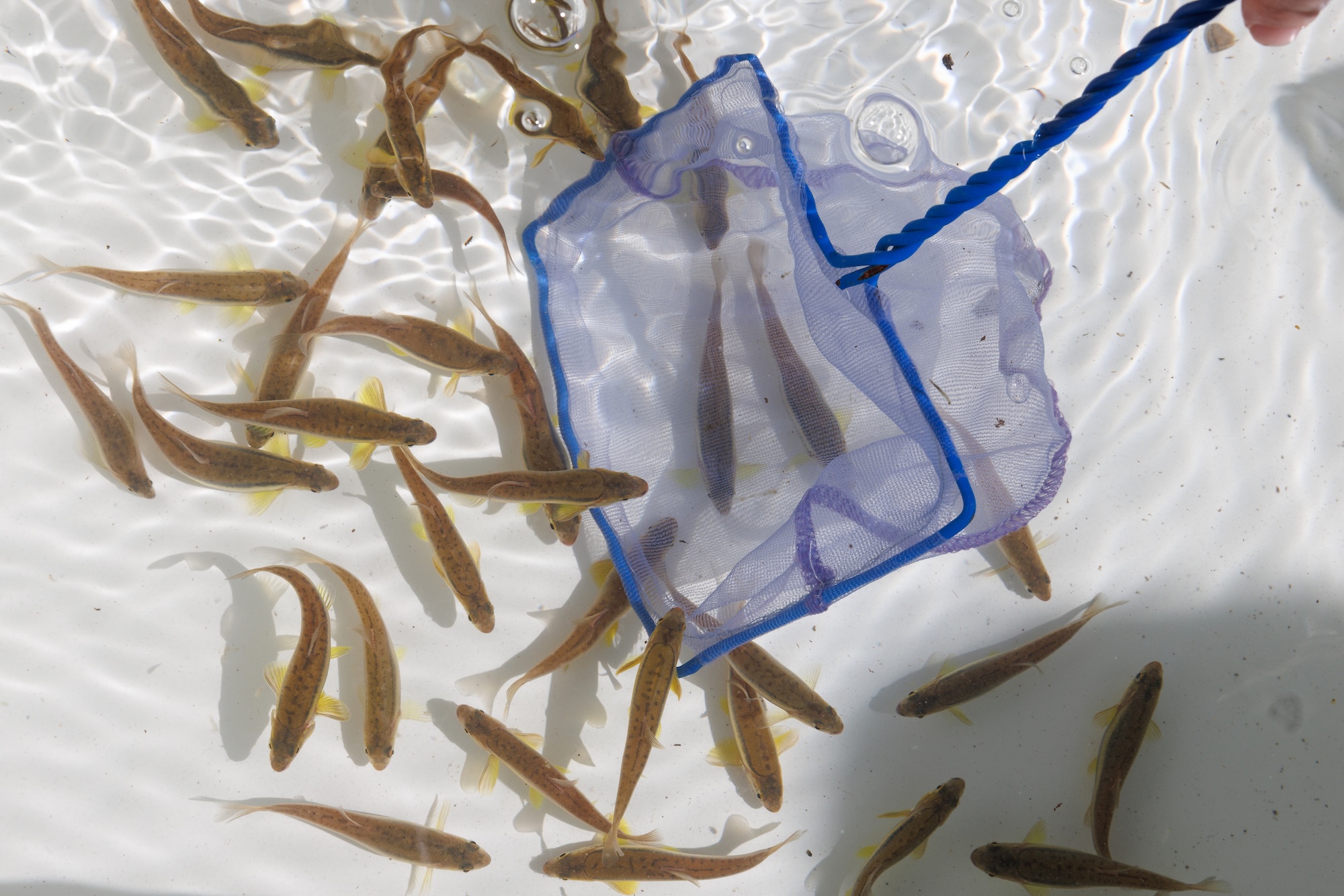
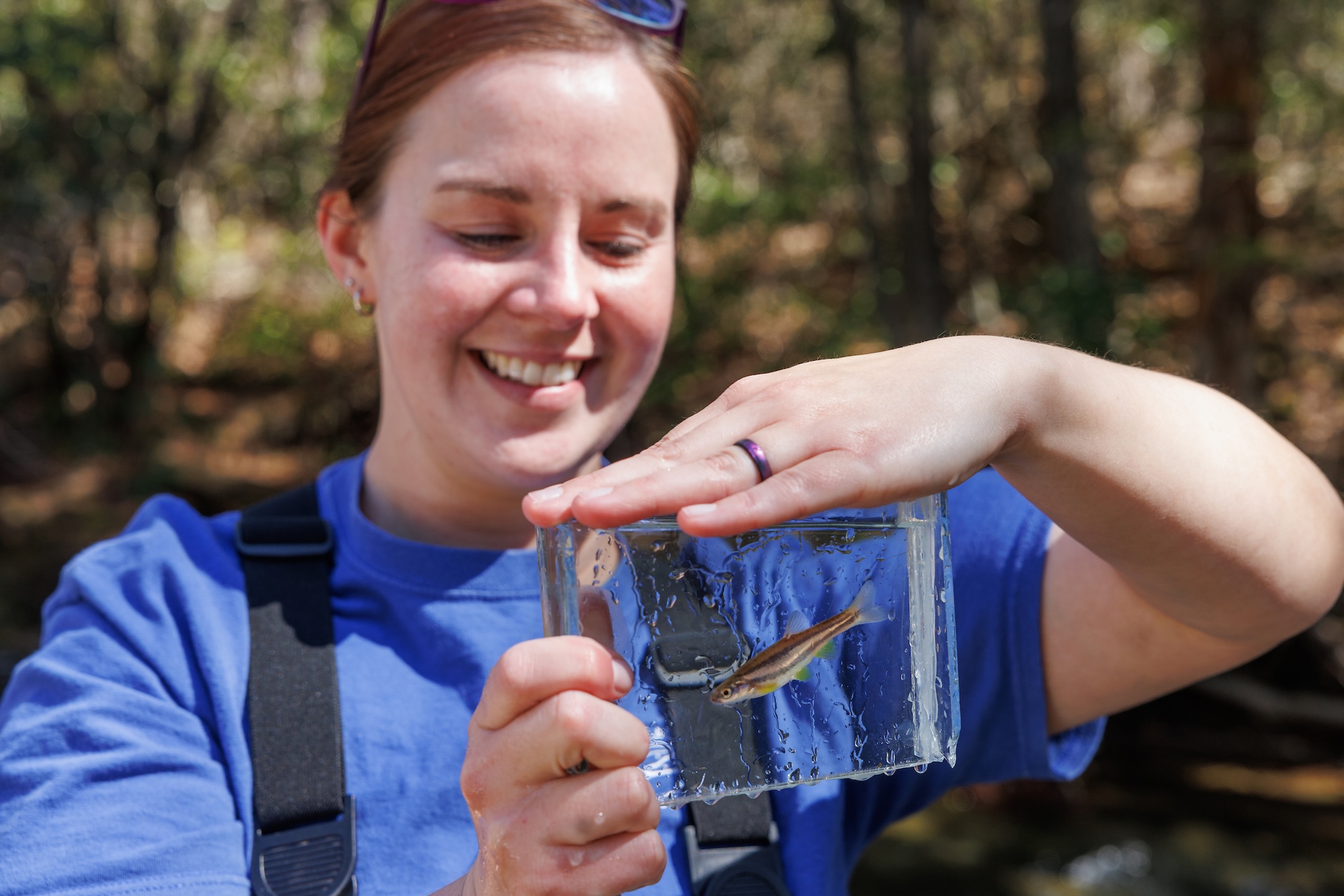
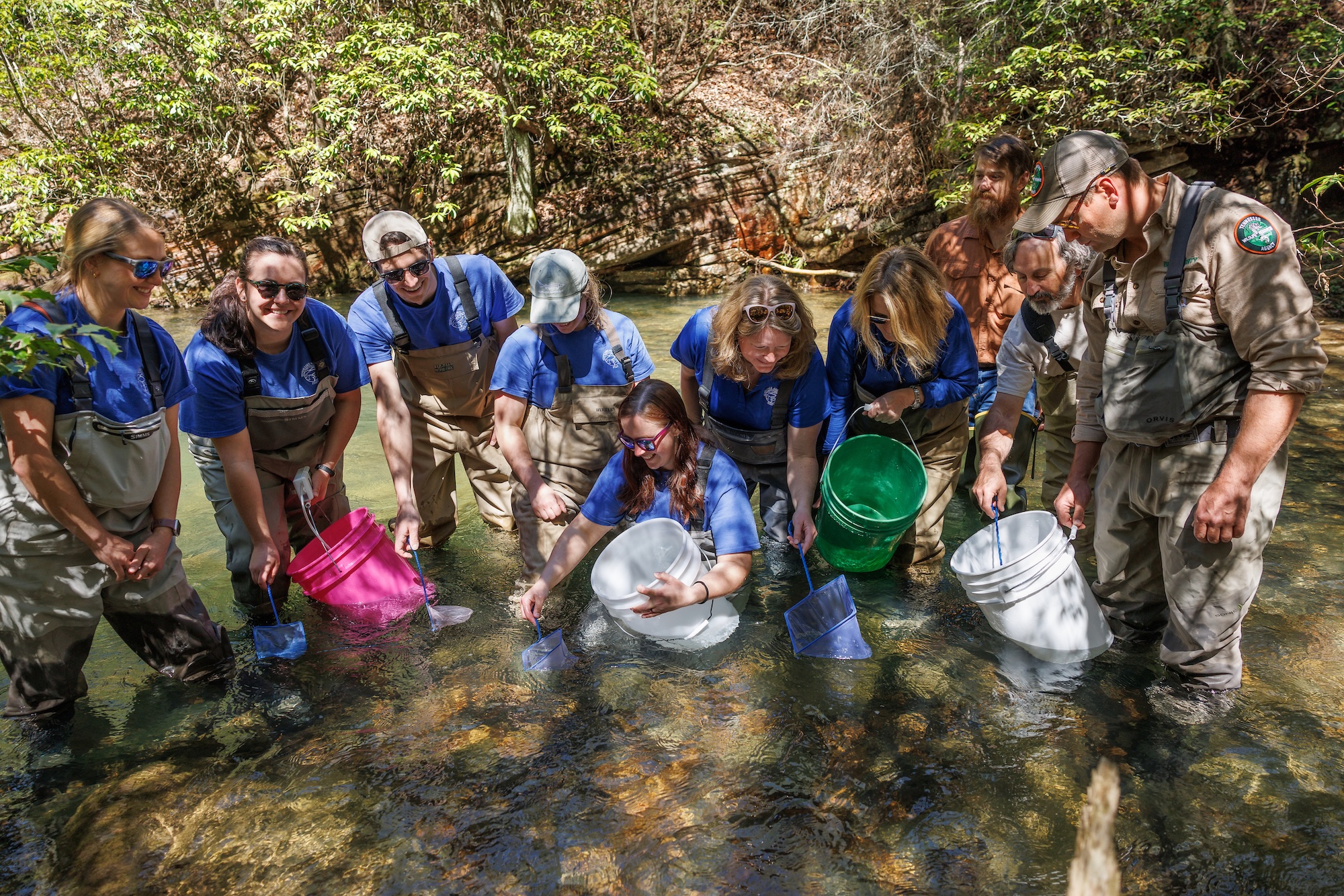
This month, the aquarium and its partners had two releases, which saw researchers transporting the fish in bags placed in coolers to the streams, Tennessee Aquarium Vice President of Conservation Science and Education Anna George said by phone. At the sites, researchers acclimated the fish to the water, allocated them into buckets for release along the creeks and then let them into the water. The fish took to the water instantly, George said.