

With multiple incidents of wildfires and severe weather threatening the Chattanooga area in recent weeks, the need to prepare for possible evacuation or sheltering in place is top-of-mind for many officials and residents — particularly on mountains accessed by limited routes and areas surrounding nuclear facilities.
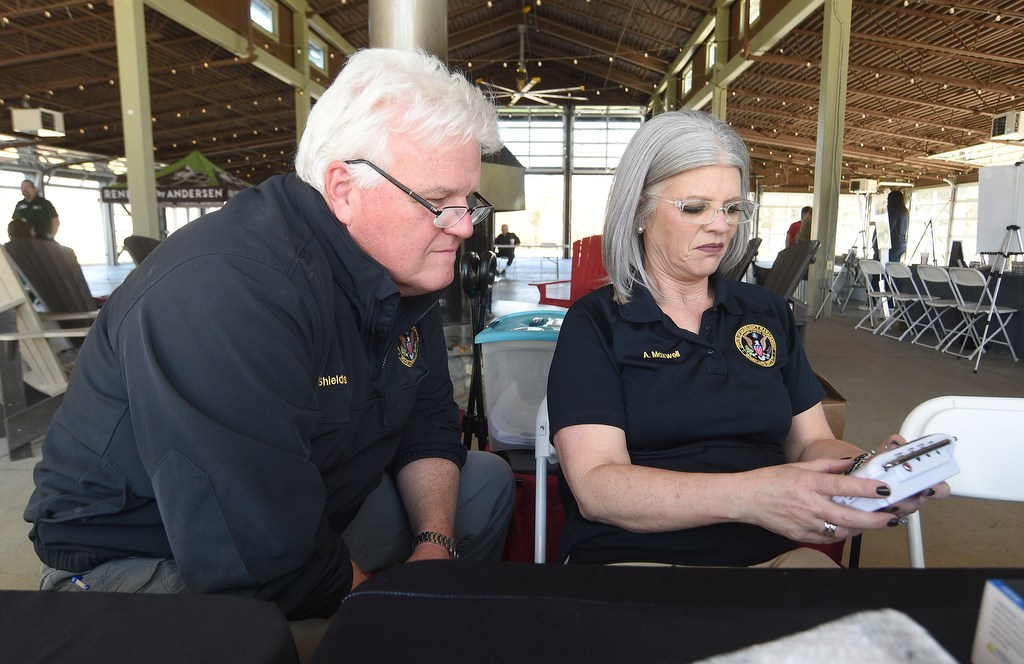
“Evacuation plans are not written in a book and placed on a shelf and pulled from to use for an emergency,” Amy Maxwell, public relations manager for the Hamilton County Office of Emergency Management and Homeland Security, said in an email.
In the case of wildfires, firefighters and law enforcement are authorized to make decisions to quickly evacuate based on terrain, wind direction and speed a fire is traveling, she said.
The need for emergency planning came up at the Signal Mountain Town Council’s recent strategic planning session, while a fire burned in Prentice Cooper State Forest on nearby Suck Creek Mountain, Vice Mayor Clay Crumbliss said at the council’s work session last week.
Photo Gallery
Recent severe weather, wildfires threatening Chattanooga area highlight need for emergency preparation
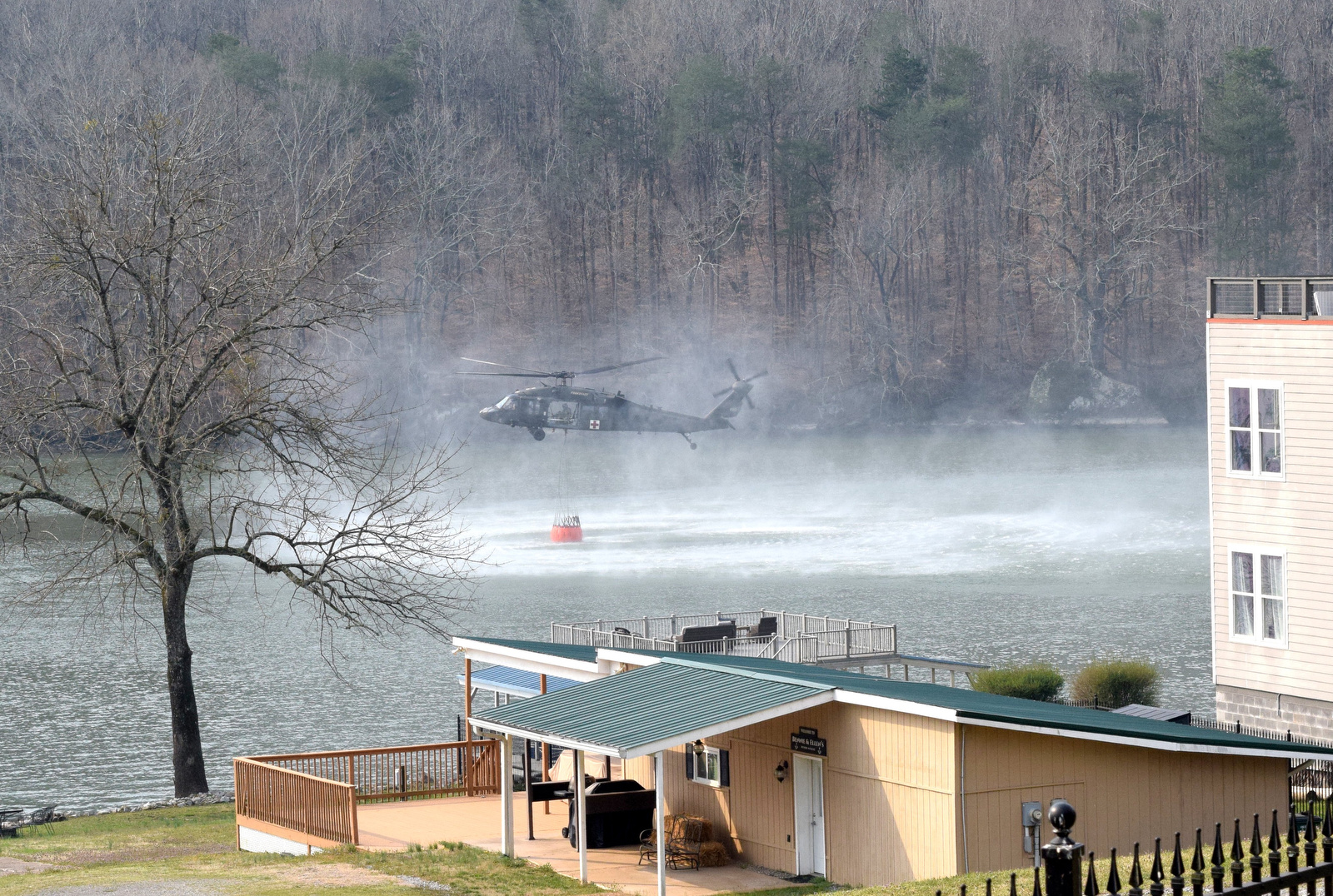
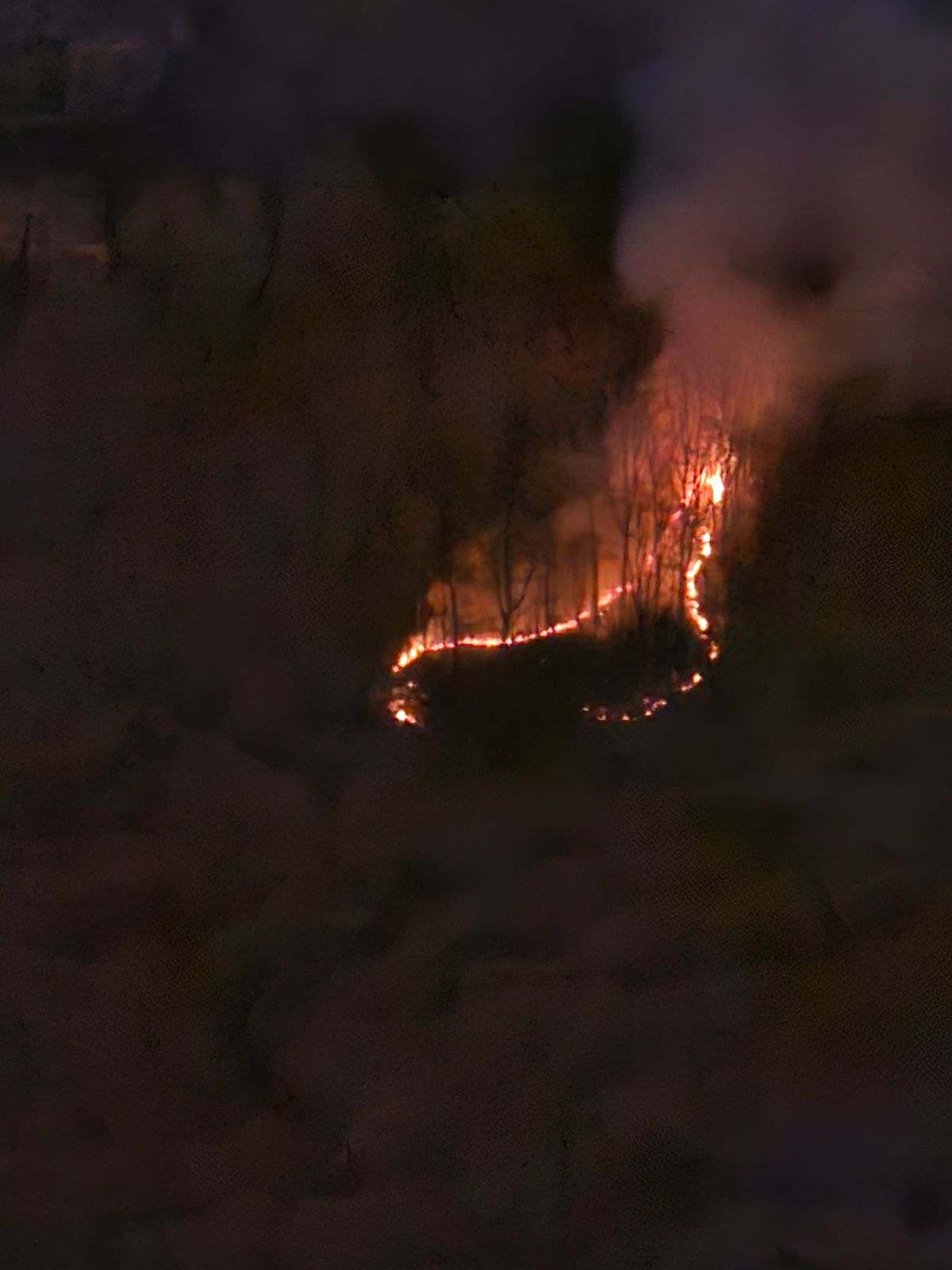
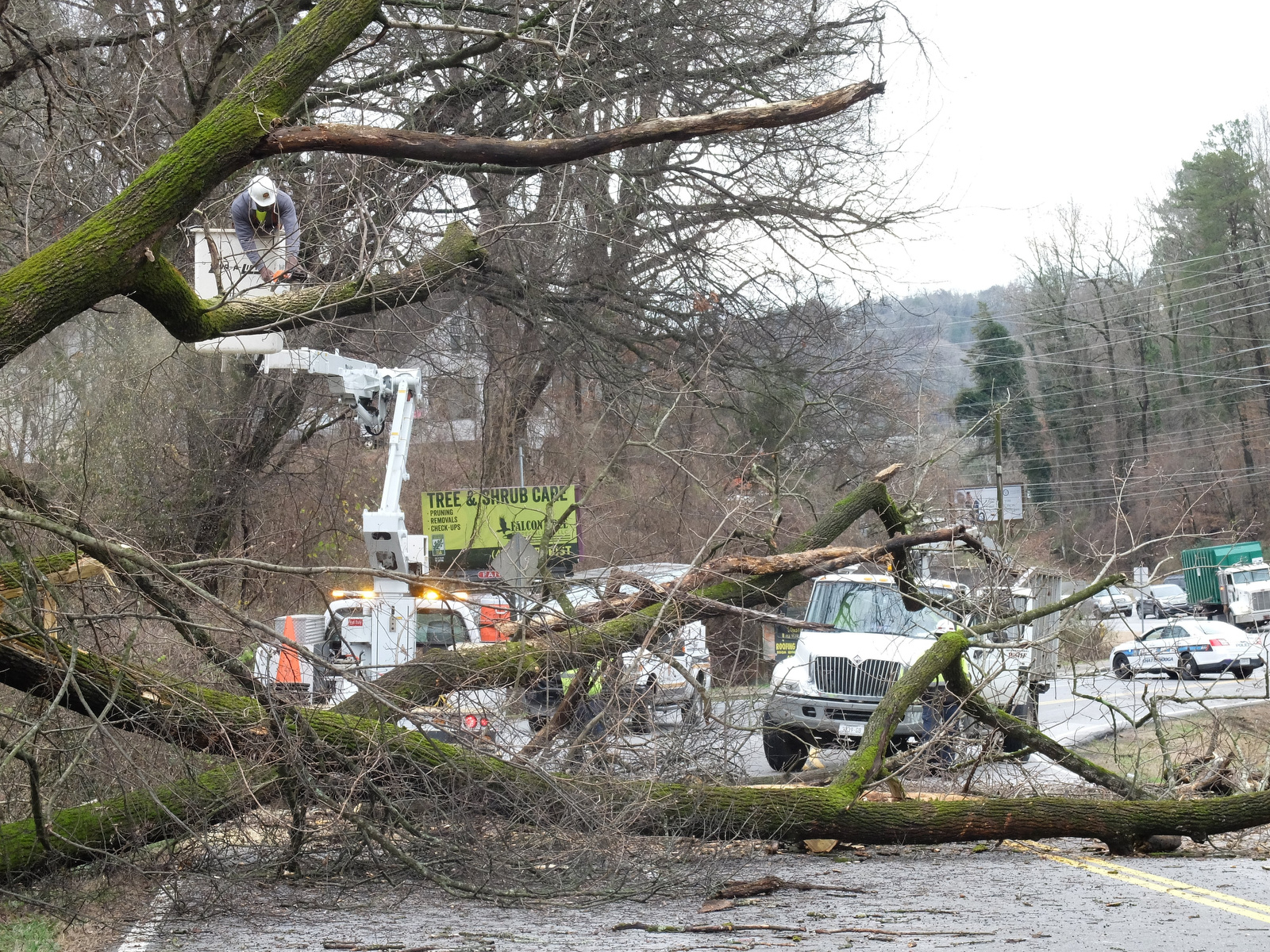
Another wildfire in neighboring Sequatchie County last week burned almost 500 acres, damaging homes and forcing evacuations.
(READ MORE: Drought, wind, and debris from recent hurricanes are stoking fires across the US)
When a rock slide in December caused a fire on the side of Lookout Mountain, several blocks near the top of the Incline Railway were evacuated due to smoke, Dale Taylor, the police and fire chief for Lookout Mountain, Tennessee, said by phone.
“If something like that was to happen, we’d be going door to door and giving them the directions immediately or right there on the spot,” Taylor said.
The location of a fire could affect which route officials would direct people to use to get off of the mountain, he said.
While the plan of what residents should do in an emergency will vary based on the emergency, Crumbliss said his concern is how to communicate those plans with citizens, especially those who may not be on social media.
He suggested the town of Signal Mountain could create a registry of citizens who may need someone to come to their door to provide information or assistance in the case of emergency evacuation.
(READ MORE: Emergency, weather officials push severe weather awareness as storm season approaches)
The biggest issue with a large-scale emergency situation on Walden’s Ridge would be getting people off or back up the mountain, Signal Mountain Police Chief Mike Williams said by phone. The plan for each emergency situation — whether that’s a fire, tornado or heavy rainfall flooding a roadway — would vary based on the situation and its location.
Walden’s Ridge is accessed by Tennessee State Route 8/U.S. Highway 127, and Hamilton County’s W Road and Roberts Mill Road.
“If things happen on the main road up here, the W Road and Roberts Mill get congested and basically gridlocked almost immediately, especially the W Road,” Williams said.
The bottom of the W Road is in the jurisdiction of the city of Chattanooga, so both the Chattanooga Police Department and the Hamilton County Sheriff’s Office provide mutual aid in situations involving that road, he said.
When a wildfire several years ago burned in the Flipper Bend area near Roberts Mill Road, Williams said the Signal Mountain Police Department was involved with preparations to evacuate the area.
“If it had come up this side of the mountain, there would have been no stopping it,” he said of the 2016 wildfire. “So luckily, the smoke jumpers and the planes that dropped retardant and water kept it from doing that, but it came close.”
While traffic congestion is unavoidable during emergency evacuations, law enforcement and fire officials assist with traffic flow and attempt to keep congestion to a minimum, Maxwell said.
Images of wildfire damage to homes and cars in U.S. cities in recent weeks have created a misconception that cars are highly vulnerable to wildfires, she said.
“A vehicle provides a tremendous amount of protection if you are caught evacuating a wildfire,” Maxwell said. “Your car is made of glass and steel, which protects you from hot gases, embers and radiant heat.
“As long as your car stays on the pavement, it is extremely resistant to burning.”
With the presence of Sequoyah Nuclear Plant in the county, the Office of Emergency Management and other local, state and federal stakeholders every two years conduct a radiological emergency exercise with the Tennessee Valley Authority, Maxwell said.
That exercise involves displaying how and when evacuations need to occur and when to shelter in place, establishing shelter locations and disseminating potassium iodine to those who live in the 5-mile radius of Sequoyah Nuclear Plant, she said.
“Sheltering locations are strategically based on the areas that are needed to evacuate and shelter temporarily,” Maxwell said, adding that evacuation plans for radiological emergencies are available on the TVA website.
She encourages citizens to sign up for the county’s Regroup notification system, which has been in place for about a year, to receive potentially life-saving information regarding severe storms, radiological emergencies, wildfires, active shooters and sheltering in place procedures — all directly to their phones.
Another form of emergency notification is the Integrated Public Alert Warning System, a Federal Emergency Management Agency system that uses Wireless Emergency Alerts to send life-saving information to the public via TV and radio outlets, Maxwell said.
“Having multiple alerting options in place to notify the public mitigates the potential of some residents being left uninformed and unaware of the emergency,” she said.
Before emergency strikes, Maxwell recommends people have a plan in place including family or friends they could stay with if they are asked to evacuate their home.
Residents should follow evacuation orders quickly and before they become mandatory, she said.
People can take steps to make their property more fire resistant by keeping leaves, debris and other flammable materials away from the home by at least 30 feet on the ground or 10 feet in the air.
“While things are calm, you can think clearly and create your family emergency plan,” she said. “Your emergency plan may just save you and your family’s life.”
For more information or to sign up for the county’s emergency notification system, visit hamiltonready.org.
Contact Emily Crisman at ecrisman@timesfreepress.com or 423-757-6508.