
(Editor’s note: Second of two parts)
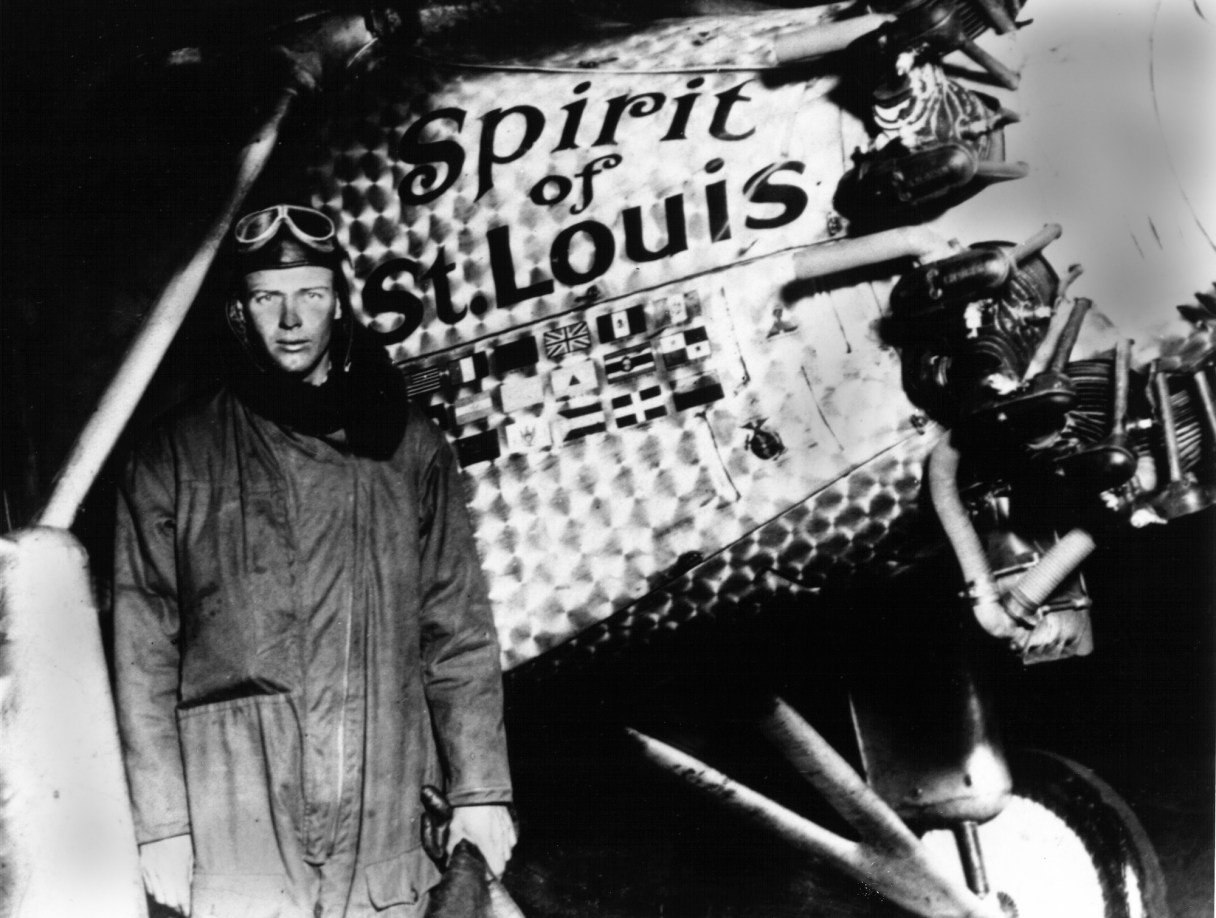
All Chattanooga schools and businesses as well as government offices were closed. Neighbors gathered in small clusters to recount Charles Lindbergh’s heroic solo flight across the Atlantic. While the media and aeronautical experts originally doubted the success of his historic effort four months earlier, Chattanoogans professed their belief “from the beginning” that the aviator and his Spirit of St. Louis would be successful.
And now Lindbergh and the Spirit were coming to town in a whirlwind national tour sponsored by the Daniel Guggenheim Fund for the Promotion of Aeronautics. While the colonel had defied odds with his flight, it was 1927 and there were still those in positions of power and influence who remained doubtful that airplanes would replace railroads as the major transporter of people and industrial goods. Lindbergh’s cross-country visits were designed to sway the public’s opinion in support of a flight future.
In preparation for the colonel’s landing at Marr Field on Wednesday, Oct. 5, 1927, Chattanooga commissioners sprung into action. Eugene Bryan warned the general public that those who wished to see Lindbergh land in Chattanooga needed to remain at Marr Field from landing until departure. No car would be permitted to leave the field since it was imperative that the streets be cleared from obstacles for Lindbergh’s swift exit. Only the car carrying the colonel and a small group of selected citizens and a second press car with members of regional newspapers would be allowed passage. Market Street and McCallie Avenue would be cleared of parked autos. All traffic would be cordoned off the key route prior to the flyer’s landing.
John Lovell, general chairman of Chattanooga’s reception program, explained that he had given his “personal pledge that the flyer would not be held in Chattanooga longer than one hour in order to conduct Lindbergh through the city’s streets so as to give the entire population an opportunity to see the aviator,” and that schedule would hold with strict adherence to the rules.