
On Oct. 5, 1927, Chattanooga Mayor Ed Bass presented Col. Charles Lindbergh with a scroll offering “a cordial greeting and an expression of deep respect” for the renowned flier.
Bass read the inscription aloud: “In paying tribute to a conqueror, at once of ocean and air; to an outstanding embodiment of youth and daring; to a diplomat who reengaged the heart strings of two nations; and to a wholesome, vigorous representative of young America who has given life a new thrill and zest, this community would have him feel that he has won its heart as well as its respect … .”
The scroll bore the signatures of Bass and Commissioners R.H. Crox, James A. Cash, H.D. Huffaker and Eugene Bryan. John Hibbets, city auditor, had affixed the city’s wax seal and signed as “Witness.”
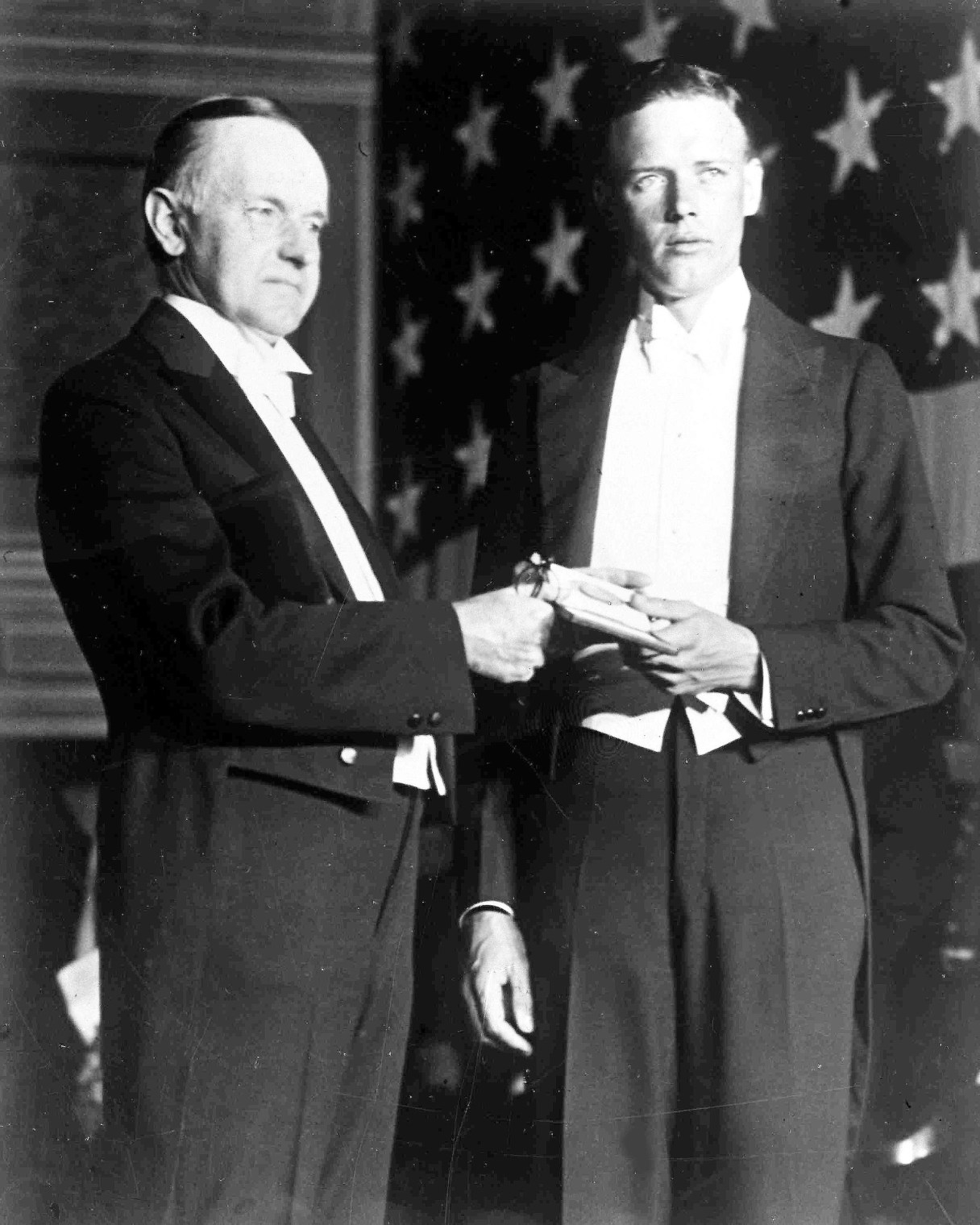
Only four months earlier, President Calvin Coolidge had recognized the heroism of the 25-year-old pilot in welcoming him to the White House for the surprise awarding of the first Distinguished Flying Cross. Lindbergh’s historic nonstop solo flight across the Atlantic had begun on May 20, 1927, on the dirt runway of New York’s Roosevelt Field. Excitement had filled the air, but most onlookers at the liftoff believed success was unlikely. When he landed — safely — in Paris less than 34 hours and more than 3,600 miles later, Lindbergh had become an international hero and the “face” of aviation’s future.
After Lindbergh’s successful flight and return home, the Daniel Guggenheim Fund for the Promotion of Aeronautics sponsored a 48-state tour of the United States to promote interest in aviation, encourage the use of commercial airmail and passenger air services, and promote the development of a system of airports across the country. Ultimately, more than 30 million people — including several thousand Chattanoogans — saw Lindbergh and the Spirit of St. Louis during the tour.