How Chattanooga plant will use city’s sewage to make electricity
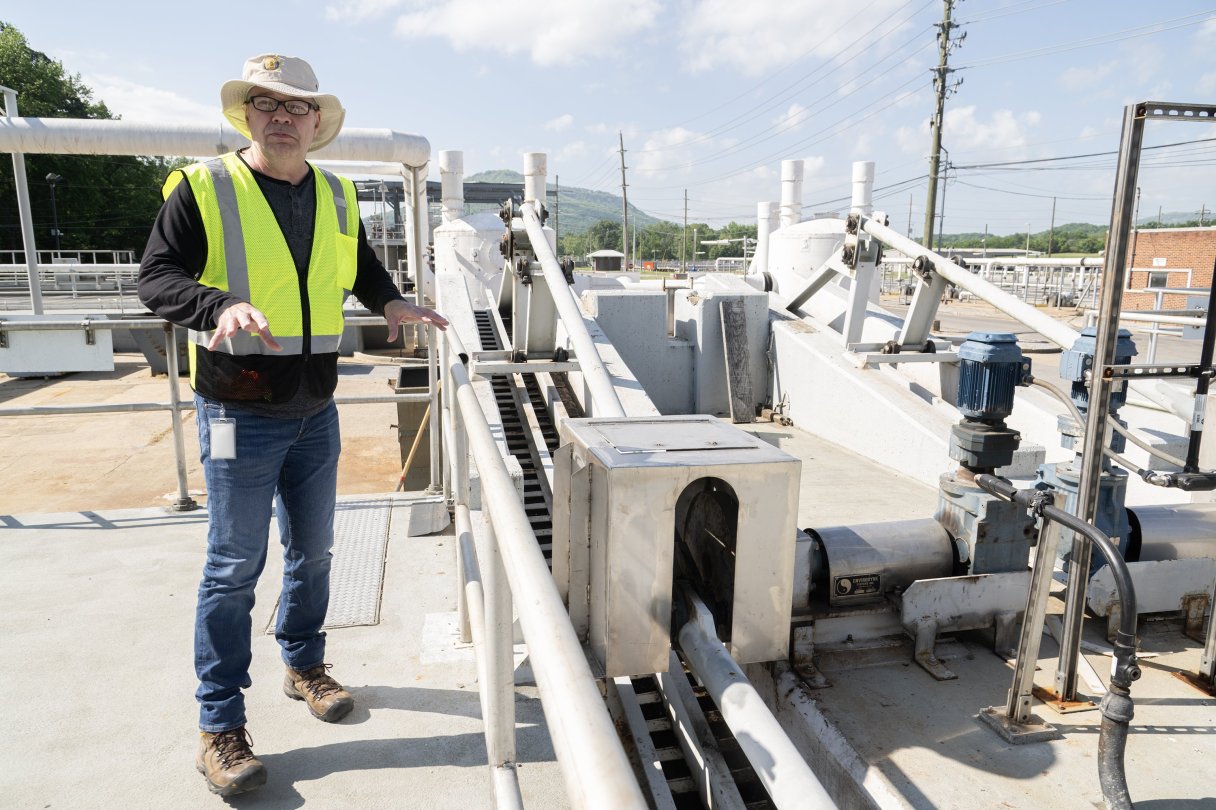
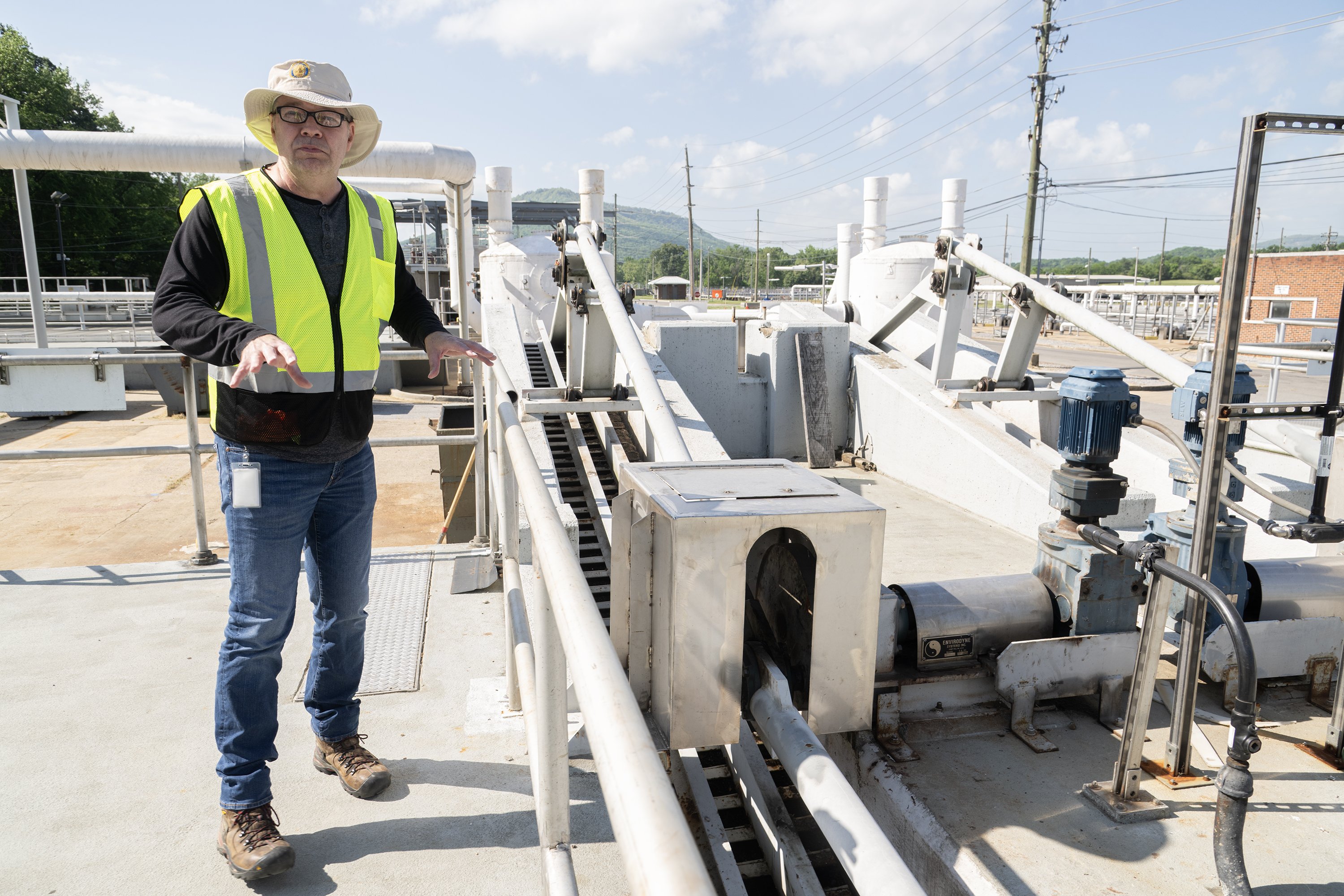
Staff Photo by Seth Carpenter / Engineering Coordinator Chris Mills explains the water treatment process at the Chattanooga Moccasin Bend Environmental Campus.
Emissions from Chattanooga’s sewage and other wastewater will soon be captured and used to produce electricity on-site to power the region’s largest wastewater treatment plant.
The Moccasin Bend Environmental Campus is partnering with California-based Mainspring Energy to install six low-emissions generators next year that will burn methane captured in the waste treatment process.
The project will create a third environmentally friendly waste stream at the campus, which returns cleaned water to the Tennessee River and takes processed solid waste to farms and mine reclamation sites in the area as fertilizer.
The generators will also alleviate some of the campus’s high energy use and costs. The site’s electric bill from EPB is between $300,000 to $400,000 per month, adding up to close to $4 million a year in electrical costs.
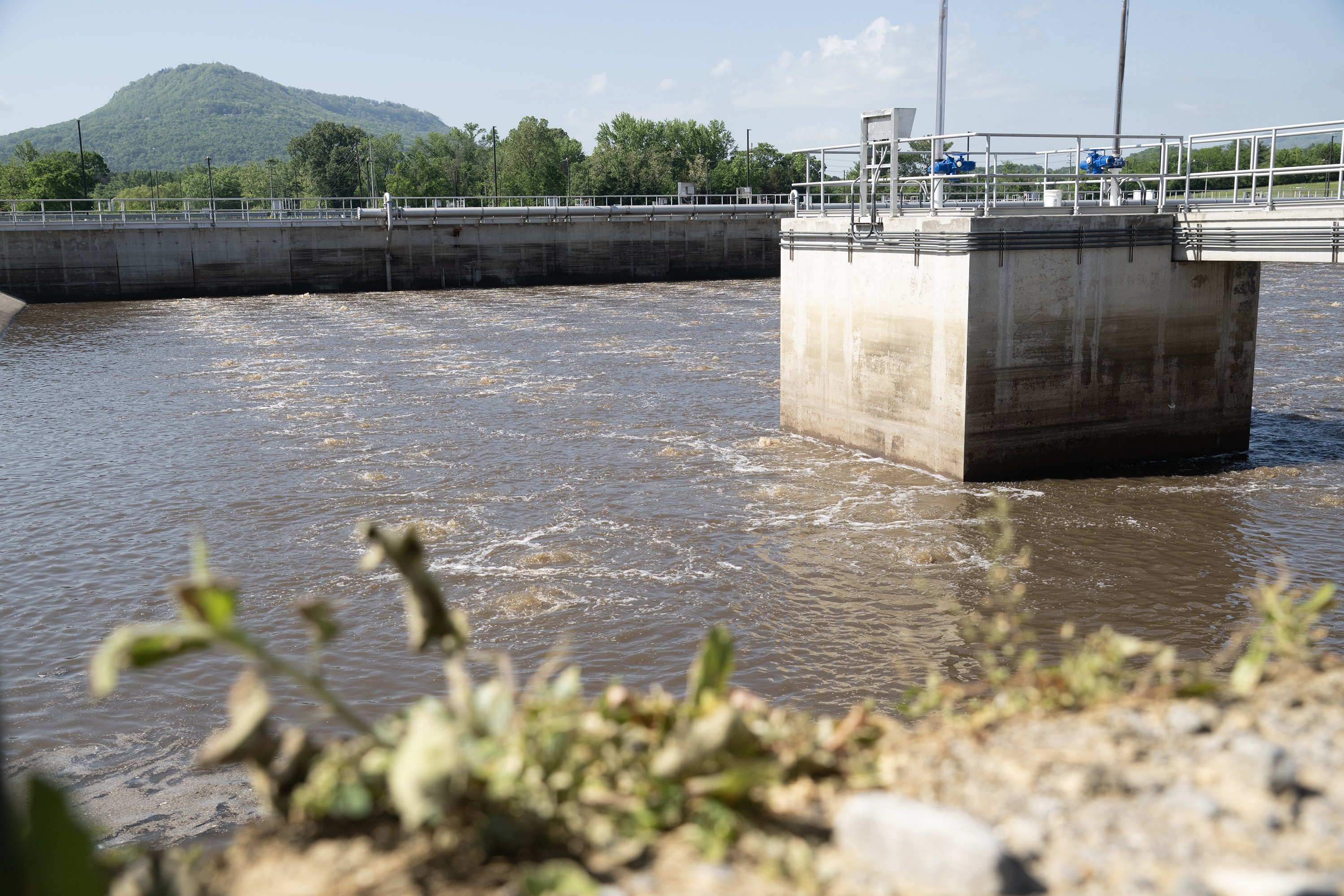
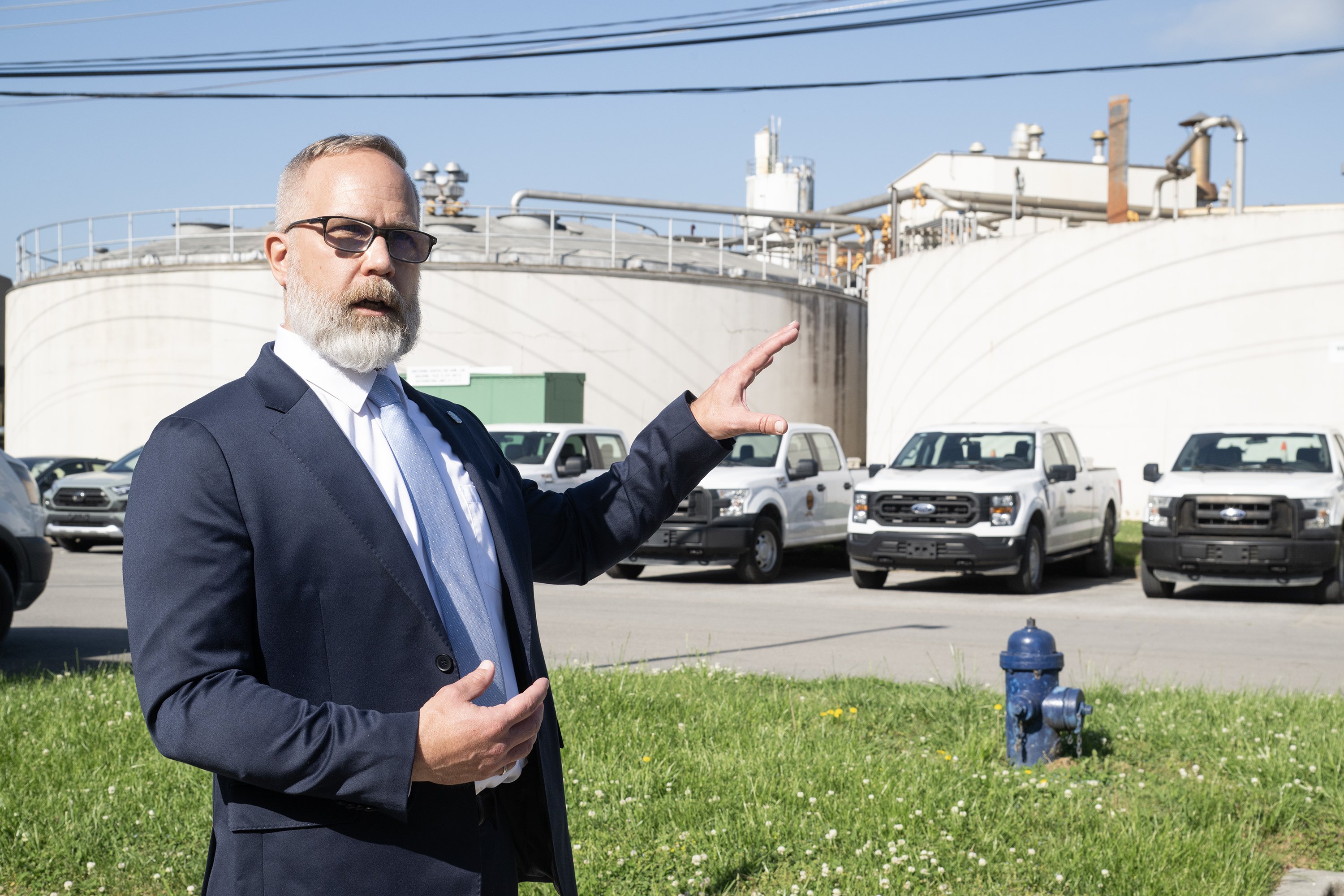
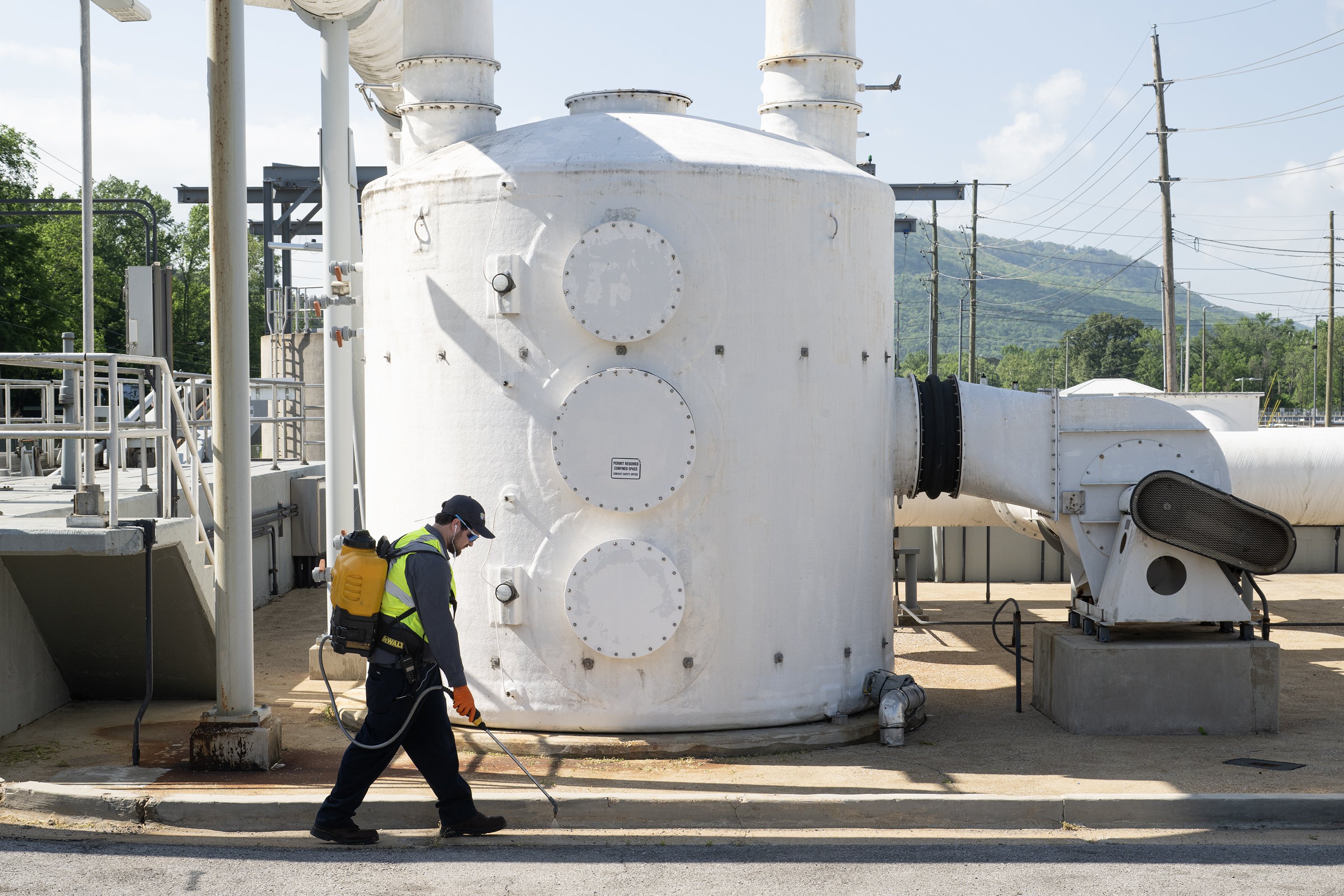
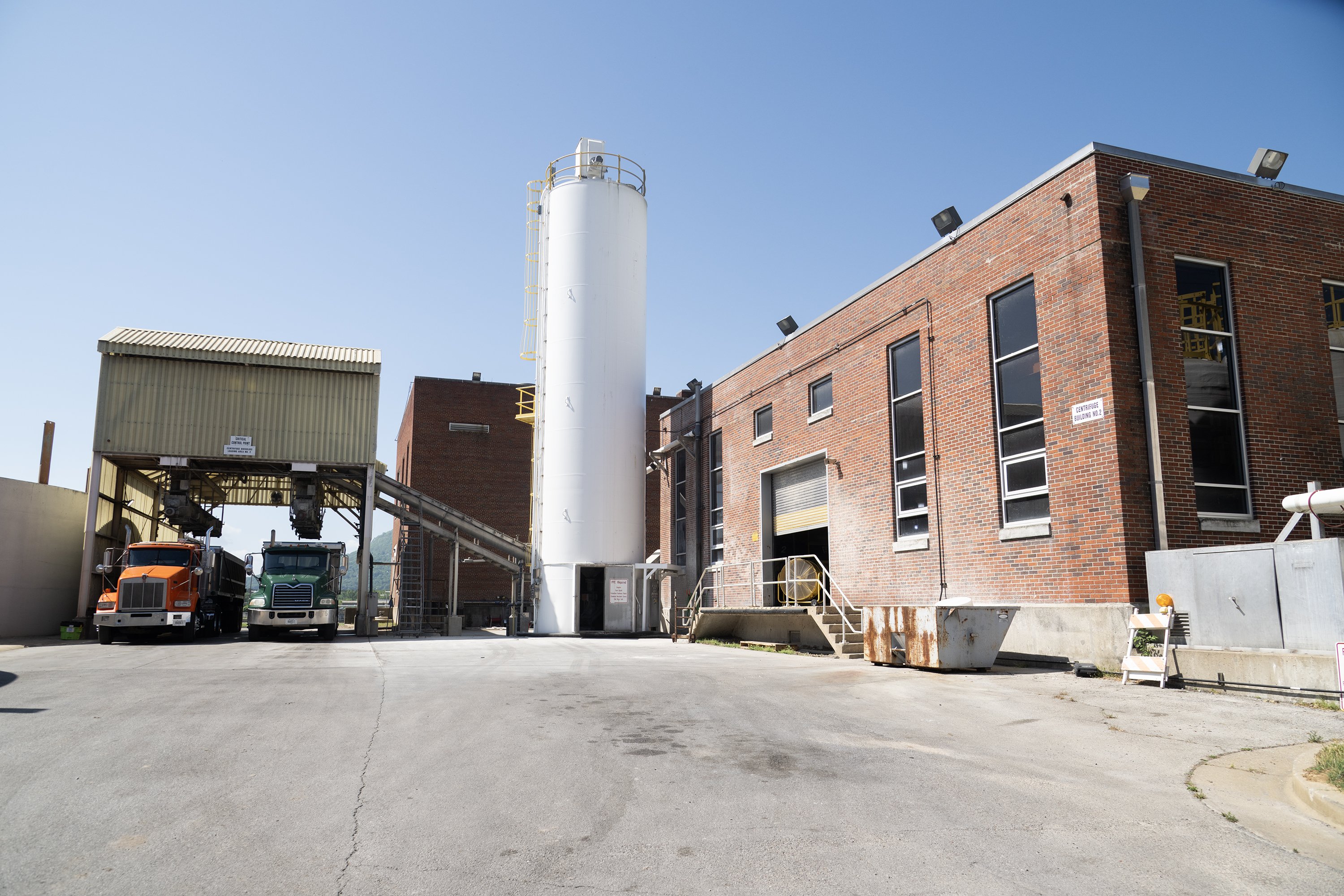
Staff Photo by Seth Carpenter / The Chattanooga Moccasin Bend Environmental Campus is seen.Staff Photo by Seth Carpenter / Mark Heinzer, administrator for the Chattanooga Moccasin Bend Environmental Campus, speaks about the water treatment processes.Staff Photo by Seth Carpenter / Chris Murray sprays weed killer around an air purification system at the Chattanooga Moccasin Bend Environmental Campus.Staff Photo by Seth Carpenter / Biosolids are dropped into the back of a truck at the Chattanooga Moccasin Bend Environmental Campus.Staff Photo by Seth Carpenter / The Chattanooga Moccasin Bend Environmental Campus is seen.Staff Photo by Seth Carpenter / Engineering Coordinator Chris Mills explains the water treatment process at the Chattanooga Moccasin Bend Environmental Campus.