

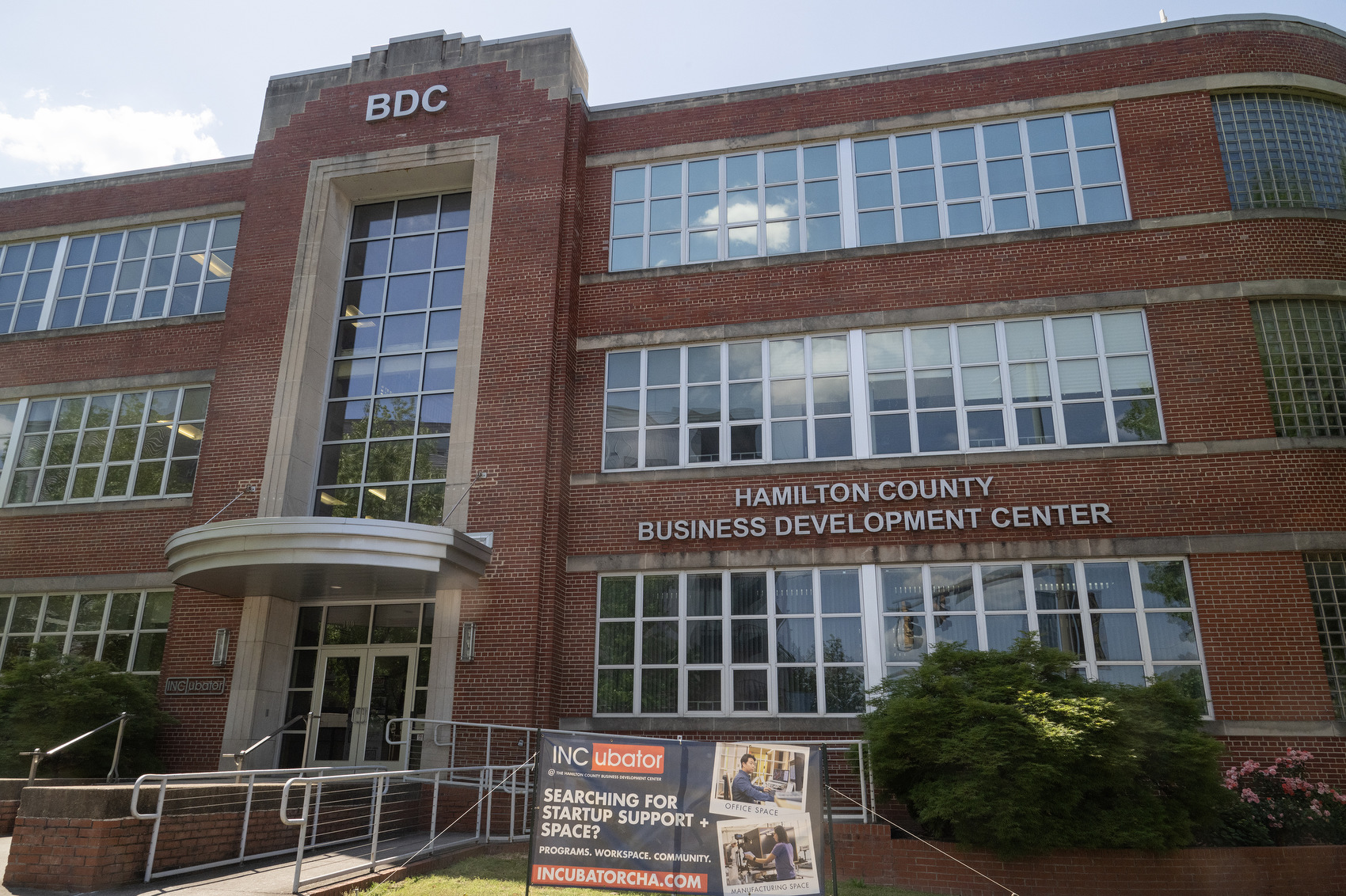
Business owners participating in the incubator program housed at the Hamilton County Business Development Center held an open house Wednesday at the facility, where members of the County Commission, Chattanooga City Council and County Mayor Weston Wamp were invited to see the space and learn about the program and participating businesses.
Operated by the Chattanooga Area Chamber of Commerce for nearly three decades, the incubator is a three-year program that provides resources such as manufacturing and office space, mentorship for specific industries and access to training rooms to aid participating start-ups in efficiently scaling their businesses and growing their economic impact, according to the chamber’s website.
Hamilton County owns the Business Development Center, which it leases to the Chattanooga Chamber Foundation. The County Commission in August 2024 authorized the county mayor to renew the lease to the foundation, with the option to continue to renew the lease at the end of each year for the next nine consecutive years.
The incubator program allows participating businesses to lease space in the county’s Business Development Center for below market rates for three to five years, depending on the type of business, with the option to renew their leases annually at a higher rate each year.
Hamilton County Business Development Center open house
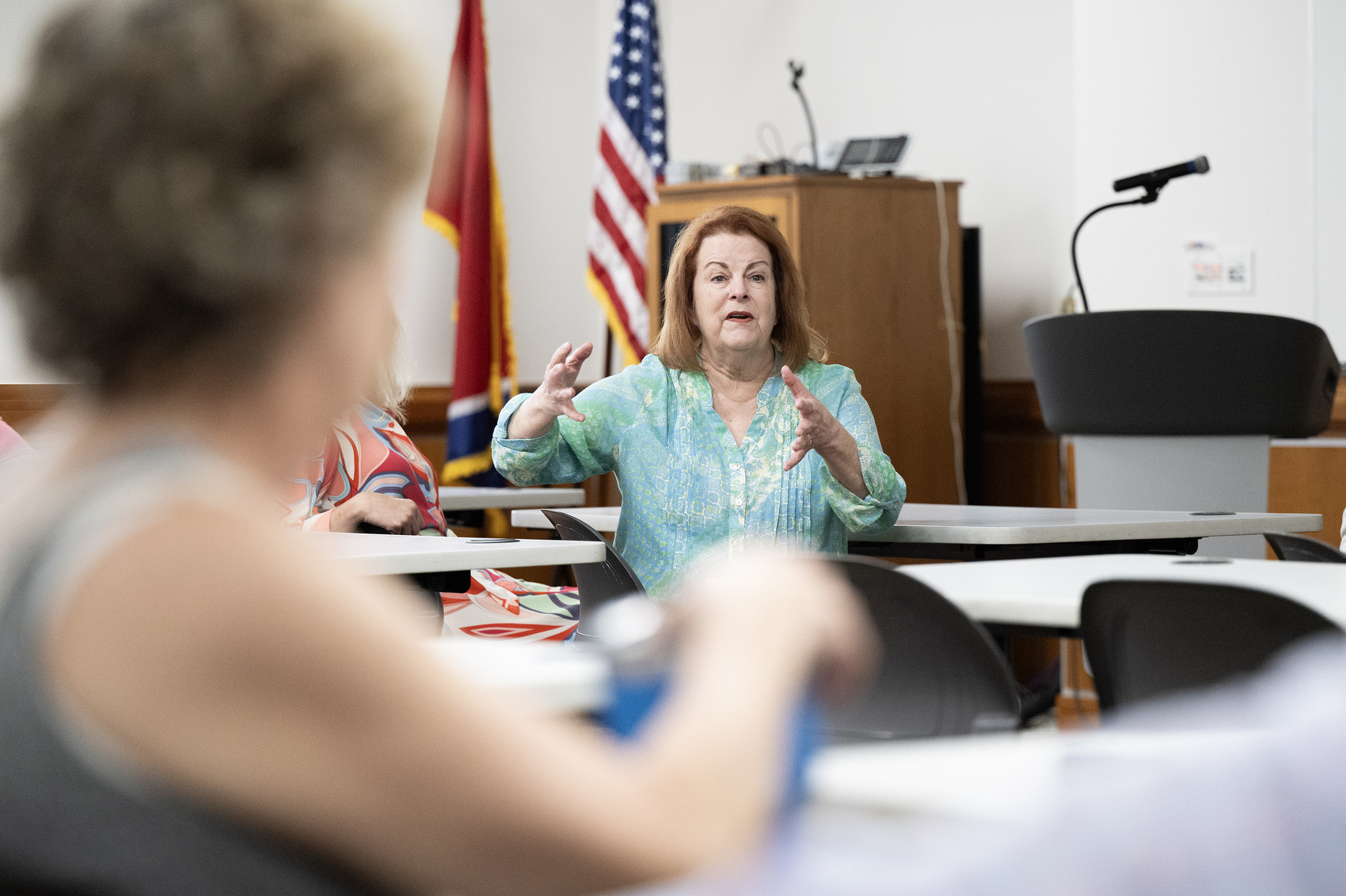
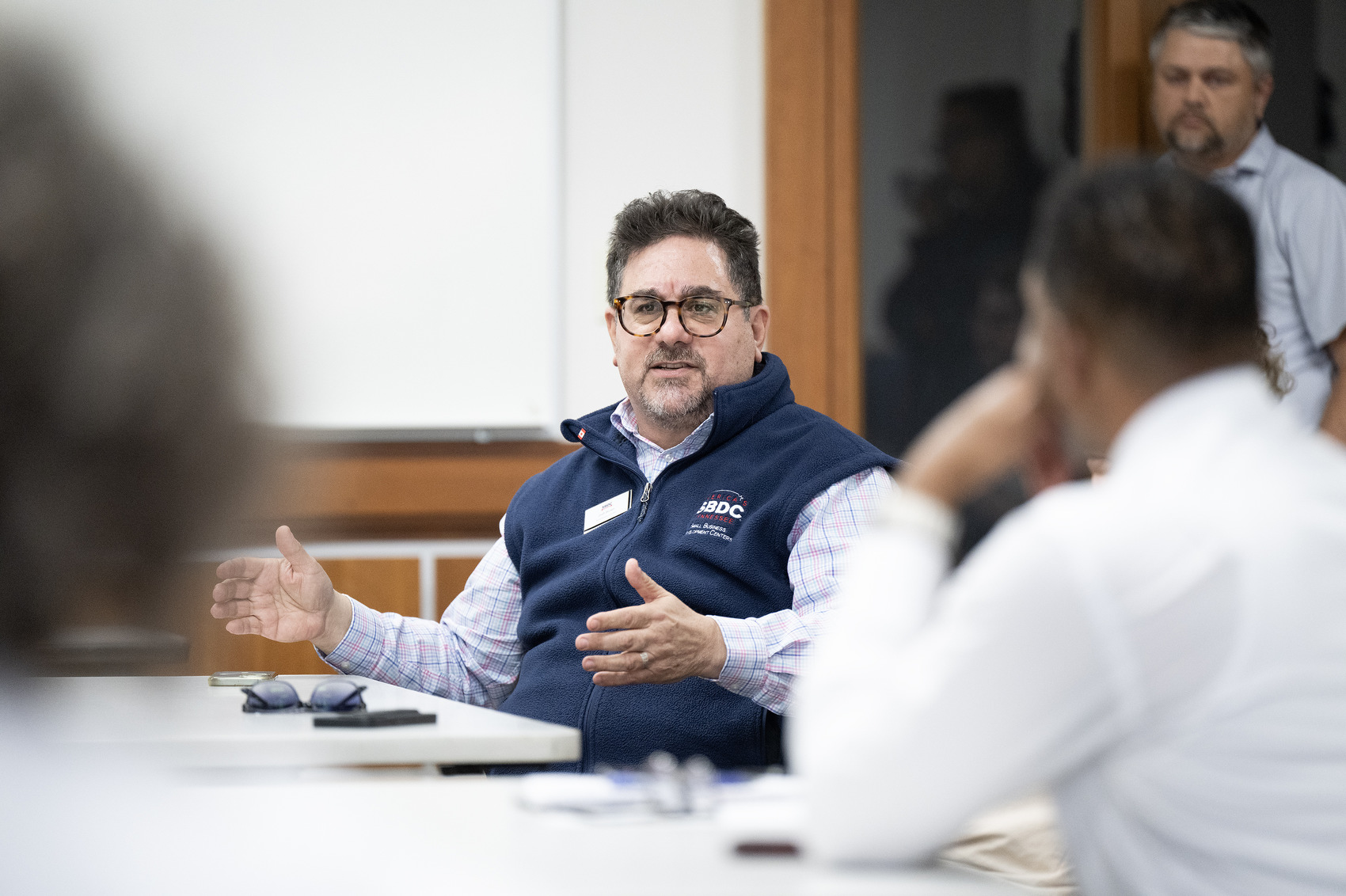
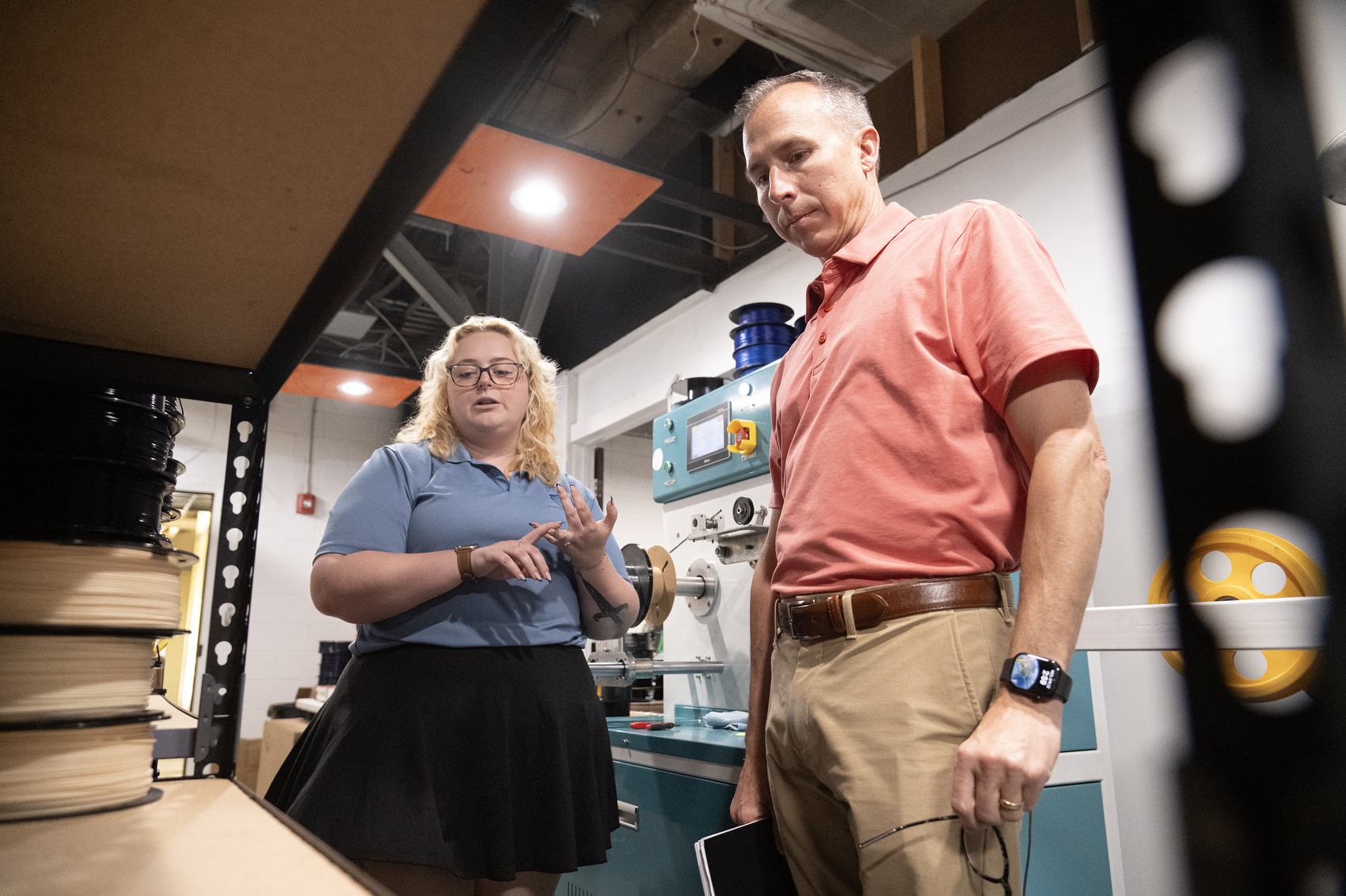

Incubator participants were informed April 13 of the building’s potential sale, which the County Commission discussed at its April 15 meeting. The commission will vote May 6 whether to solicit proposals for a sale.
At an April 15 press conference, Wamp said a business incubator will be incorporated into the third and fourth floors of the Franklin-Roberts Future Ready Center, a hub for high school students learning career skills that’s planned at a former BlueCross BlueShield building at Gateway Avenue and West M.L. King Boulevard.
The new Future Ready center is expected to be fully operational by 2028, Wamp told the Chattanooga Times Free Press after the press conference, adding that he assumes the new incubator will be ready before 2028.
The county’s plan to sell the building and move the program to the new Future Ready Center was met with skepticism from tenants, who said they were not adequately consulted about the change and lacked detailed information about the new facility.
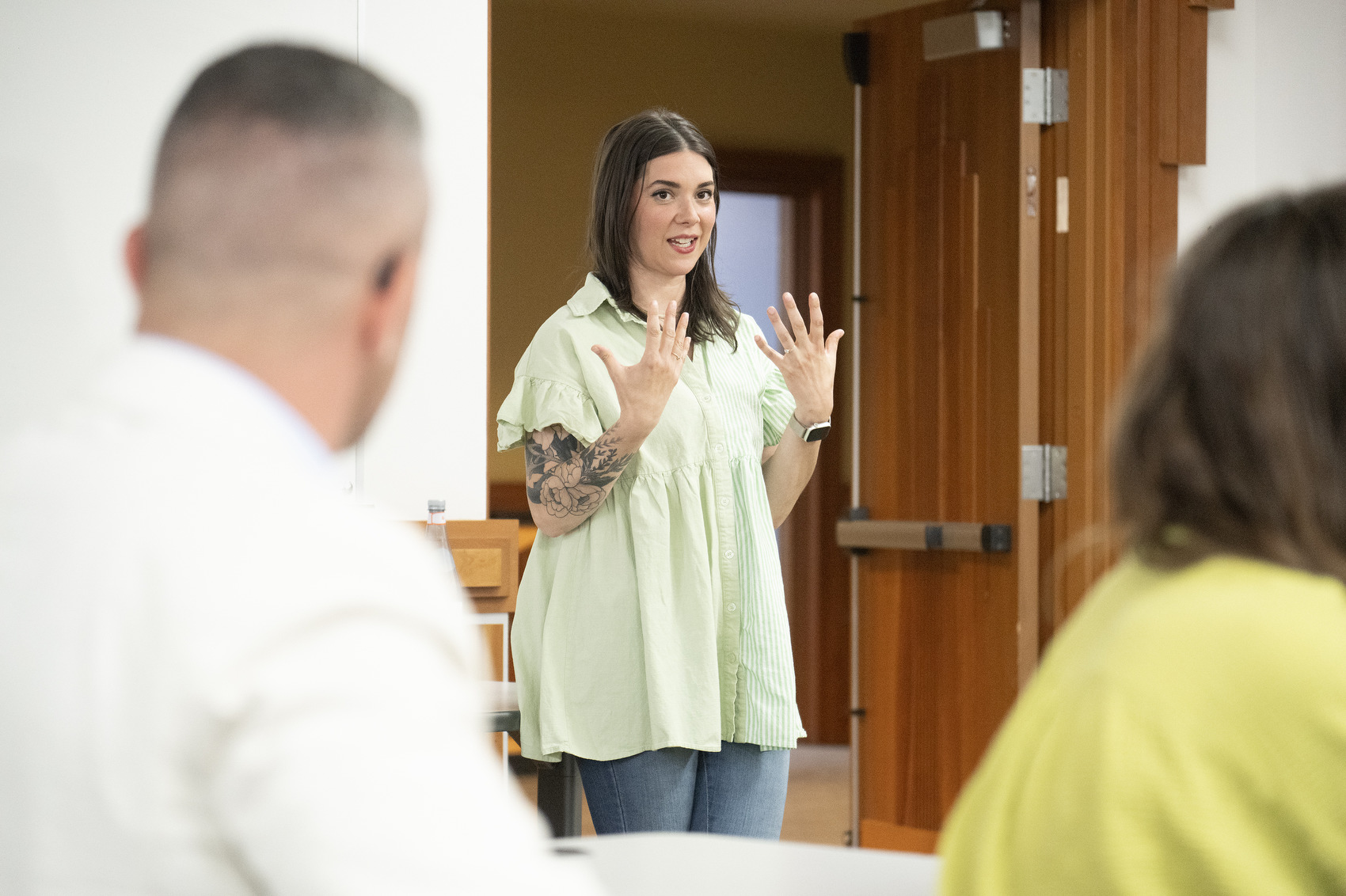
“Our hope out of all of this is that we either push or delay a vote until there’s more information about what will happen to the tenants and programming in this building,” Kaleena Goldsworthy, chief operating officer of Proof Incubator, said at Wednesday’s open house. “We’re not opposed to a new building, we’ve just not been a part of it and we don’t want to lose what’s happening in this building.”
Proof Incubator is a locally based company that provides mentorship for food and beverage companies, several of which have started at the county’s incubator.
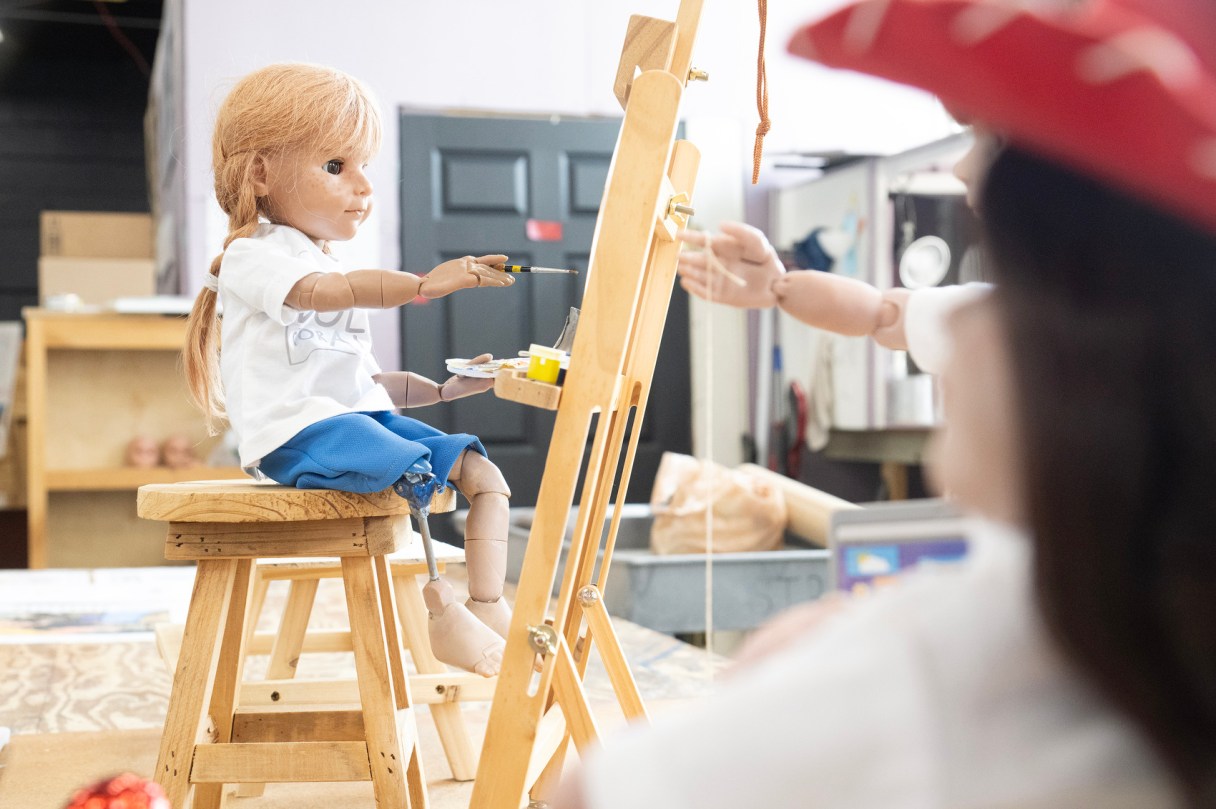
Marsha Roberts owns Stract, a company that manufactures dolls that can be customized for kids with disabilities. She expressed concern about the feasibility of manufacturing businesses relocating their operations, citing the need for specific infrastructure such as high ceilings and a freight elevator.
“I feel that nobody really intends to put small business manufacturers out of business, but in reality, that’s what would happen,” she said, “because there’s no affordable place for people to get their businesses off the ground like there is here.”
Claire McVay, chief of staff for Wamp’s office, said Wednesday in an email to program participants that Wamp was unable to attend the open house, but he had visited the center Tuesday and spoke with some of the tenants.
“As a result of those conversations, we realized the chamber has not communicated the details of an agreement that was reached last week to ensure a smooth transition for each of you and your businesses,” McVay said.
The agreement offers more than the one-year minimum lease extension tenants who had the option to renew their leases were offered initially when they were informed April 13 of the building’s potential sale.
Beginning in May 2027, tenants with remaining time under their original three-year lease terms will transition to month-to-month agreements, McVay said.
For those remaining tenants, the county will either require a future buyer of the building to assume existing leases, with a potential buyout option; allow tenants to remain in the facility under a lease-back arrangement until they can transition to the new incubator at Franklin-Roberts; or assist tenants in securing alternative office space, to potentially include temporary financial support, such as subsidizing market rate leases to offset transition costs and offsetting costs that have been invested in current space, McVay said in the email.
She said officials plan to meet with every tenant of the current building to get a better idea of space needs and work with the architects to accommodate those needs.
“Because we have the benefit of designing the space for the purpose of an incubator, we can work with the architects, Tinker Ma, to engineer space needs like electrical and venting into the initial design,” McVay said.
In regard to tenant concerns about the lack of a freight elevator in the new building, she said the new incubator’s entrance will be on the ground floor at the back of the building, eliminating the need for a freight elevator.
Contact business reporter Emily Crisman at ecrisman@timesfreepress.com or 423-757-6508.