
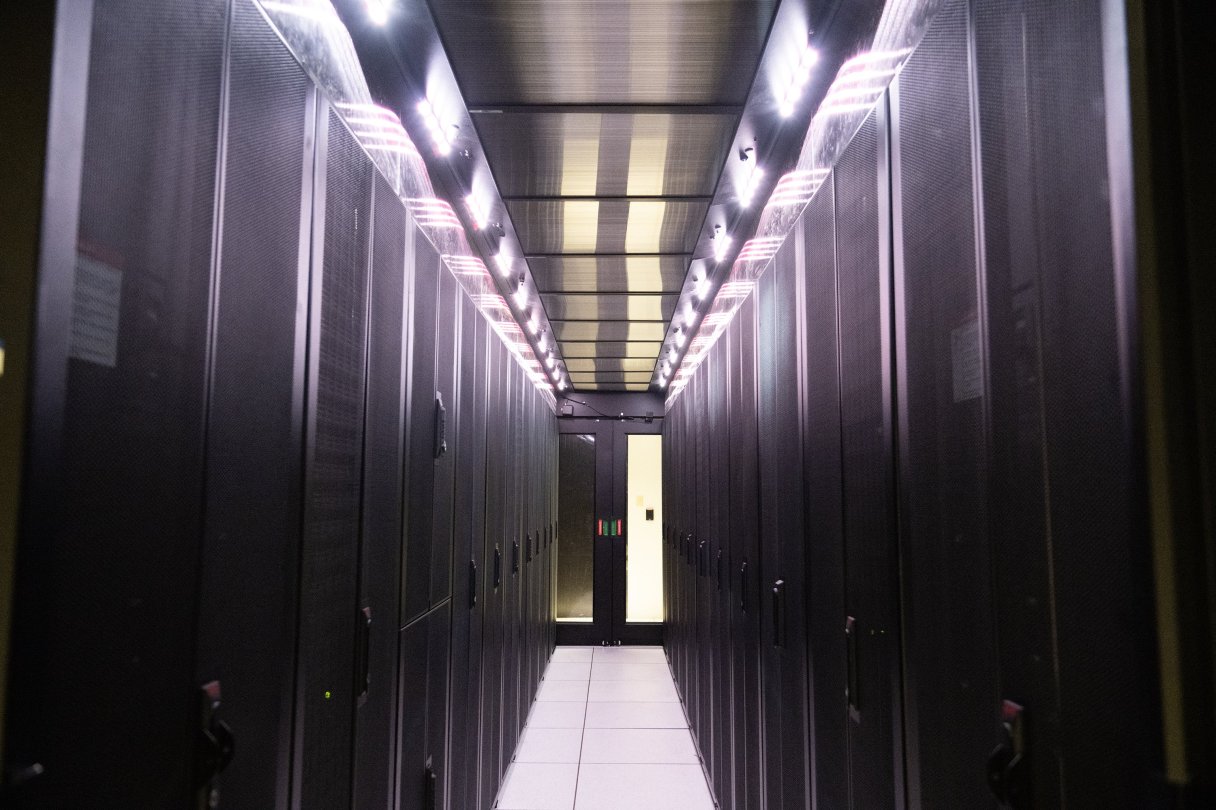
Not all data centers are created equal.
Out of the 12 centers in operation or in development the Chattanooga Times Free Press identified in the newspaper’s coverage area, seven look like what most imagine when they hear “data center” — loud, resource intensive warehouses housing AI infrastructure.
The other types of data centers vary, from a supply closet’s worth of computers to an outlet in a strip mall used by an IT company. The majority fly under the radar of residents and even websites that aggregate the locations of data centers.
In response to an increase in data center proposals, Hamilton County, along with Gordon and Walker counties in Northwest Georgia and the city of Calhoun, Georgia, under pressure from residents or at the initiative of politicians, have instituted moratoriums on new data centers.
Others like Whitfield County and the city of Dalton have embraced their development.
Seven in 10 Americans oppose the construction of data centers for AI in their area, according to a Gallup survey in March.
The centers fall into a few categories.
Colocation data centers lease server space for companies, meaning separate customers’ servers are housed under the same roof and may be used for purposes like data storage or cloud services, among others.
Then, there are private data centers that support just one business, like CleanSpark’s Bitcoin mining operations in Dalton.
Lastly, hyperscale data centers are larger than average and often support artificial intelligence, like a Google facility in Jackson County, Alabama, around 40 minutes southwest of Chattanooga.
Tennessee has 62 data centers in operation with another 16 proposed, according to data from DataCenter Map and Baxtel recently reported in the Tennessee Lookout.
Georgia has 94 data centers in operation and 141 proposed, the third most of any state in the country, as of April, according to a Pew Research Center report using data from DataCenter Map.
Georgia has incentivized data center construction through tax breaks and softening of regulations, the Georgia Public Policy Foundation said in an analysis in May 2025. The changes have attracted a number of developments, including from companies such as Meta and Google.
The Tennessee Valley Authority, the nation’s largest public power provider, stopped actively recruiting data centers to its region in 2023 because of the small amount of jobs they create relative to their power usage. That hasn’t stopped the facilities from coming to the territory, which includes Tennessee and parts of six neighboring states.
The TVA board, made up of members chosen by the president and confirmed by the U.S. Senate, placed data centers in their own electric rate class at a meeting Thursday. The change is expected to raise power costs for the centers by 10% over three years, helping prevent rate increases for residents.
The power use of data centers is typically measured in megawatts, a unit that describes instantaneous electricity use rather than consumption over time.
A megawatt is equal to 1 million watts or 1,000 kilowatts. While homes vary widely in their power use, TVA estimates 1 megawatt is enough to power around 585 homes. Hyperscale data centers often require 100 megawatts or more, or at least enough power for 58,500 homes.
The unit megawatt-hours measures power consumption over time. One megawatt-hour is equal to one megawatt of electricity used continuously for an hour.
Electricity consumption by data centers in the Tennessee Valley Authority’s region increased by more than seven times between 2020 and 2025, reaching enough power for more than 661,000 homes, according to a July report by Nashville-based think tank ThinkTennessee.
The state of Tennessee has a demand of around 2,180 megawatts between data centers planned, operational or under construction. That is roughly enough power for more than 1.3 million homes, according to the report. Tennessee accounts for 16.7% of data centers under construction in the U.S.
Residents in areas with data centers saw increases to their power bills of 1.6% on average between 2023 and 2024, more than the statewide average of a 1.3% increase, the report said.
When Jackson County, Alabama, recruited Google to build a large data center in 2015, the facilities were considered a prize by local officials across the country, said Nathan Lee, president of the Jackson County Economic Development Authority.
Officials in Jackson County have praised the Google facility, built at the site of a former TVA coal plant, as an economic engine that has benefited the community.
“At the time, everybody wanted a data center,” Lee said in a phone call. “It seems times have changed now, but I think data centers, in my opinion, have kind of done it to themselves.”
Google opened the center before the rise of chat bots and hyperscale AI data centers changed the conversation.
Critics of data centers cite environmental concerns, rising electricity rates and an aversion to the advancements AI could bring. Proponents, like Whitfield County Board of Commissioners Chair Jevin Jensen, talk about large increases in tax revenue with minimal drawbacks.
“You’re not going to be impacted by this because of the way they are doing water and how much extra water we have, and all these kinds of things,” Jensen said by phone. “I think CleanSpark is an example. No one ever heard of it. Nobody knows there are four data centers in Dalton because there are no problems with them. You can’t point to a problem, ‘Oh, our power rates went up,’ or ‘Oh, we ran out of water,’ or ‘It was too noisy,’ because those things didn’t happen.”
But the centers, particularly the hyperscale variety, produce a lot of noise, consume local water and impact the land and its ability to absorb stormwater, said James Bender, the chief strategy officer of Mike Collins & Associates Technology Solutions, an IT company with a data center. They also require about 10 to 15 times as much energy as typical commercial buildings, according to a Department of Energy analysis.
So the uproar around them is not without merit, Bender said.
“I love technology, and we got to understand that we as a society have created the necessity for this. All of us are operating with one of the highest functioning supercomputers in our pocket every single day. And this data and this service that we rely upon does not just exist out of thin air. It’s got to come from somewhere,” Bender said by phone. “GPS mapping, cell phone connectivity, like all this stuff is delivered through data centers.”
As demand for AI continues to grow, Bender said, there is a need to develop a new process for evaluating and zoning sites for data centers in a way that considers the people that live and work around them.
ROSSVILLE DATA CENTER:
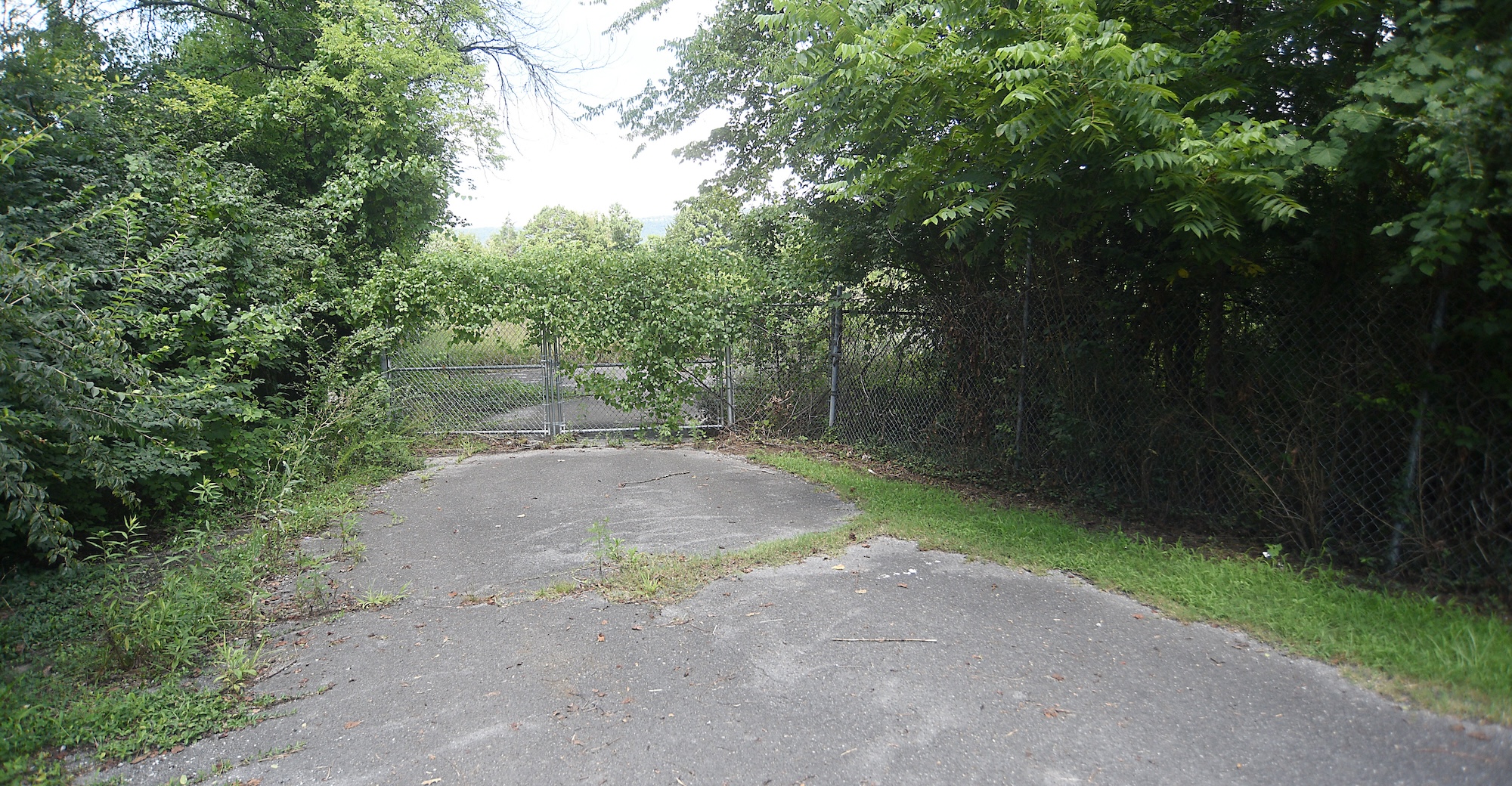
› Where: 2 Bull Dog Drive, Rossville
› Operator: BridgTRK
› Scale: Data center the size of two storage containers on 4 acres
› Function: Collecting data tracking equipment and shipments for clients in manufacturing and transportation
› Timeline: Land bought from Walker County on July 13, plans to begin construction end of 2026 or early 2027
“I know there is a tremendous amount of concern right now with data centers, and I think for good cause. We’re not dumb,” Jordan Suggs, cofounder of BridgTRK, said in a video call. “I live in our community. I have concerns about massive, giga-sized data centers. That’s not what we are.”
The site’s proximity to Chattanooga would allow BridgTRK to use EPB’s planned quantum network to increase data security, Suggs said.
Preliminary plans project the facility’s total electrical usage would remain under 1 megawatt, Suggs said. The company does not plan to use a water cooling system but rather an air conditioning system similar in size to those in residential homes or small commercial buildings, he said.
Meetings were held between the company, officials with the city of Rossville and Walker County and the Northwest Georgia Joint Development Authority prior to the land’s sale in July.
Walker County has a moratorium on data centers until January 2027, but it only impacts non-incorporated areas of the county. The municipality of Rossville does not have a moratorium in place.
CALHOUN
› Where: 1401 Highway 53 Spur, Calhoun, Georgia
› Operator: Masterworks Atlanta
› Scale: 500,000 square feet or larger on 58 acres
› Function: To be determined
› Timeline: Stalled under moratorium
Masterworks Atlanta chief executive Bernie Smith confirmed the company is still interested in constructing a data center in Calhoun despite moratoriums on them through January 2027 in both the city and Gordon County.
Smith inquired about a piece of land purchased by a Calhoun resident in May 2025 for $2.9 million as a potential site but did not confirm whether Masterworks now owns the land. There is no client lined up for the potential center, he said by phone in June.
Calhoun Mayor Jimmy Palmer said that, to his knowledge, there have been no new developments Masterworks’ proposal. The City Council is having experts attend work sessions to speak on data centers to become more educated before moving forward, Palmer said.
“We’re just, myself and the council, would like to be more knowledgeable about all the impacts and so forth, just become educated so that we’ll be able to put an acceptable ordinance in place,” Palmer said by phone.
Mary Baker, an activist campaigning against data centers in Calhoun, plans to work with the council to draft zoning ordinances, Baker said in a social media message. The council will hold additional community meetings to discuss potential restrictions and to educate the public, she said.
CORE SCIENTIFIC
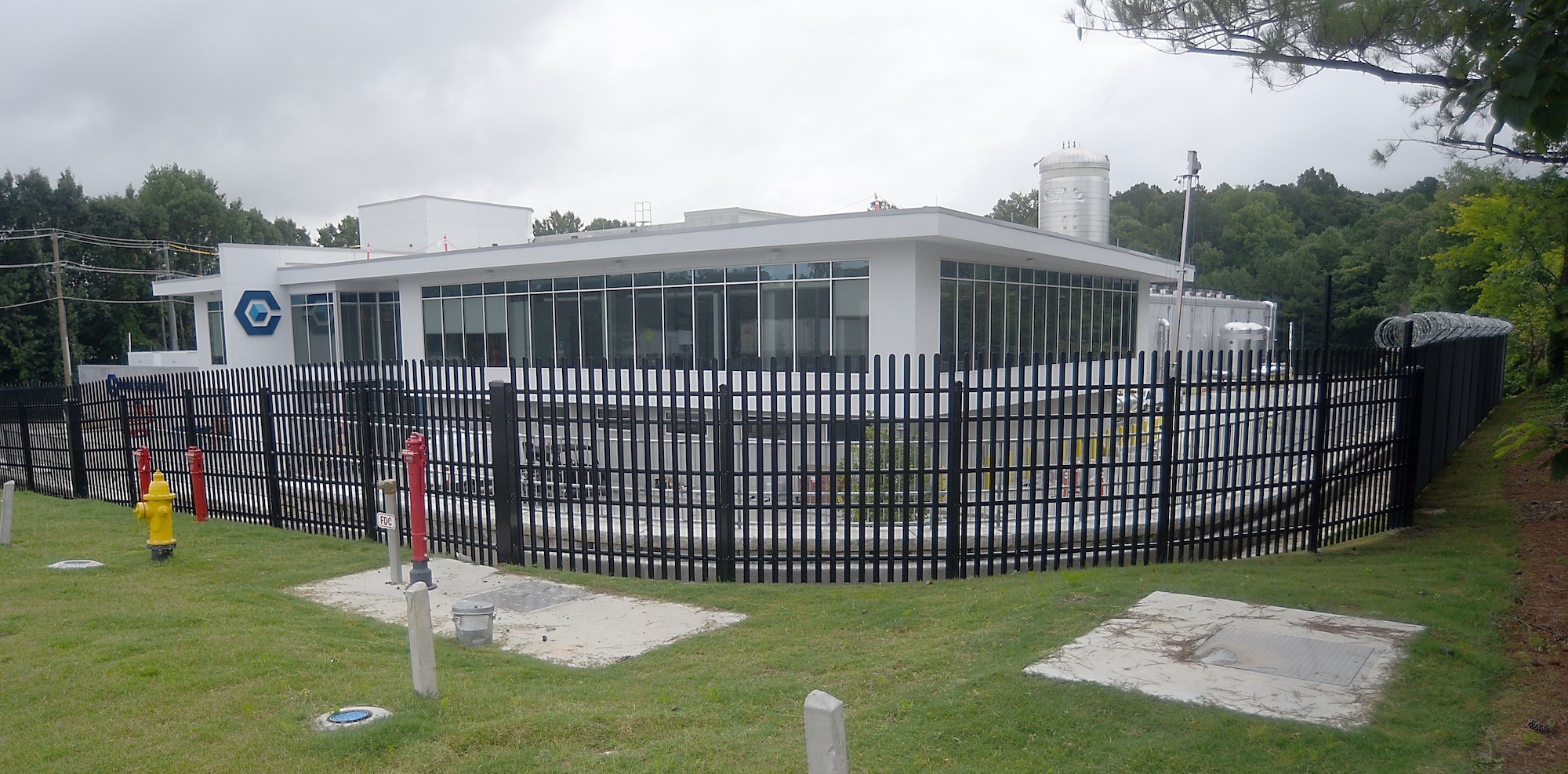
› Where: 2205 Industrial South Road.; 206 Boring Drive; Old Tilton Road, Dalton
› Operator: Core Scientific
› Scale: 52,000 square feet (Dalton 1 + 2); 87,000 square feet (Dalton 3); 10 acres (fourth under construction)
› Function: Cloud computing, artificial intelligence infrastructure, server space leased to clients
› Timeline: In Dalton since 2018, transitioned from Bitcoin mining in 2025, fourth facility under construction
Data center developer Core Scientific has three operations across two facilities in Dalton.
Dalton 1 + 2, offers 50 megawatts of power at a 52,000-square-feet facility at 2205 Industrial South Road, according to the company’s website.
Core Scientific originally opened the site as a colocation center but later rebuilt Dalton 1 + 2 as a center for cloud computing and artificial intelligence infrastructure in 2025, according to Carl Campbell with the Northwest Georgia Joint Development Authority.
Dalton 1 + 2 averaged 1,706 megawatt-hours of monthly power usage over the previous 12 months, according to records from Dalton Utilities.
Another center, Dalton 3, has 142 megawatts of capacity on a 87,000-square-feet campus on Boring Drive. The three facilities, and a fourth in construction, are on the southeast end of Dalton’s city limits.
Dalton Utilities’ records show that Dalton 3 averaged 74,712 megawatt-hours of monthly power usage over the previous 12 months.
A fourth center to support artificial intelligence, set to be 250,000 square feet with a power capacity of 145 megawatts, had an estimated completion date of July 2026, according to a March social media post from Core Scientific. Campbell said he believes the center should be in operation by September.
The main entrance will be off Enterprise Drive, much farther from Old Tilton Road than previously reported, Jansen said.
The county approved the zoning change for that land, owned by Core Scientific, in March 2025, Jensen said by phone. AI company CoreWeave is the operator of the new development, according to records requested from Whitfield County.
Core Scientific did not respond to several requests through its website and press email seeking further information.
CLEANSPARK
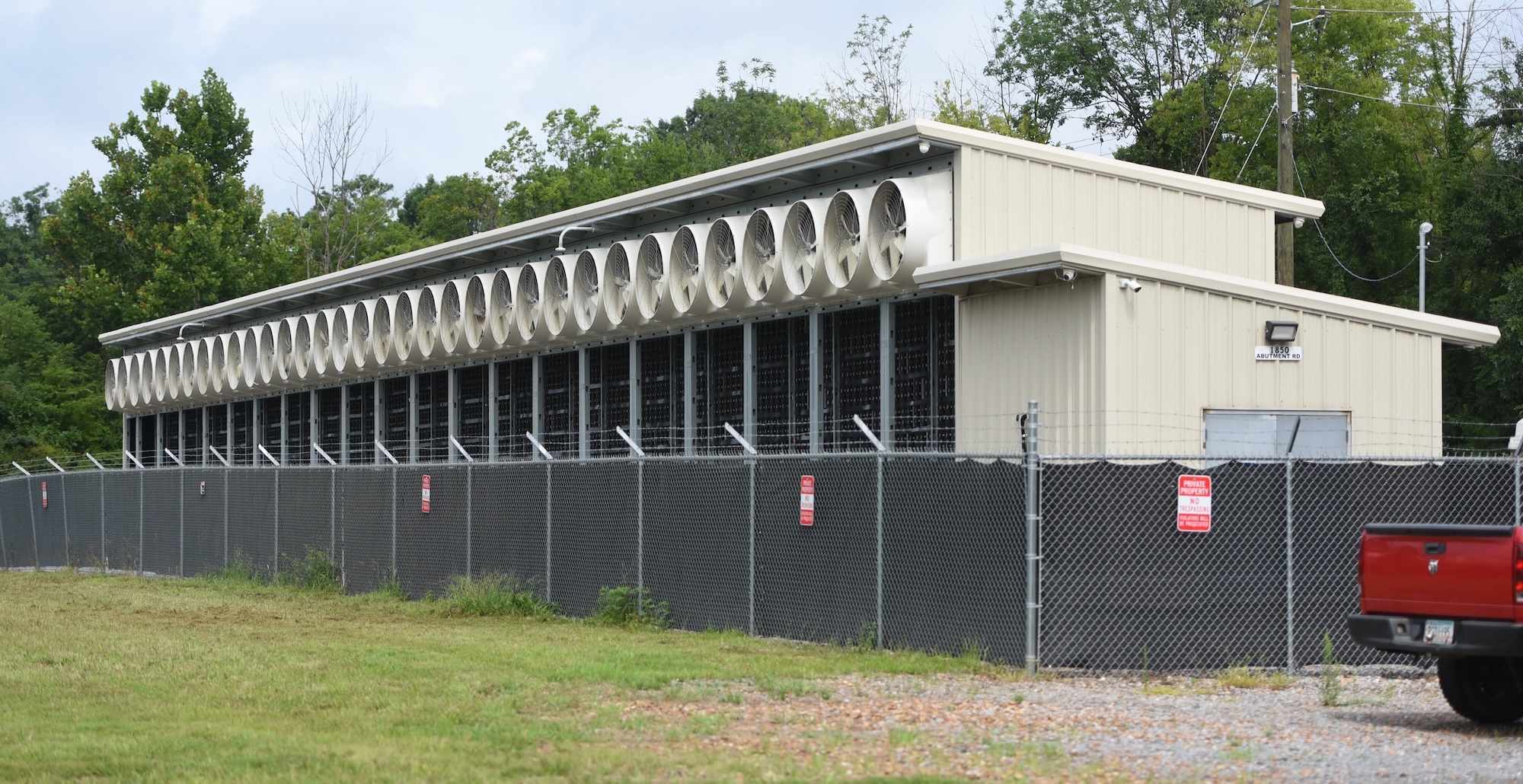
› Where: 850 Abutment Road; 1022 Enterprise Drive; 952 Enterprise Drive (office), Dalton
› Operator: CleanSpark
› Scale: 2,492 square feet (Abutment Road); 21,360 and 16,500 square feet (Enterprise Drive)
› Function: Bitcoin mining
› Timeline: First two locations purchased in 2023
CleanSpark runs three bitcoin mining operations on Dalton’s southeast border.
The company purchased two of the three locations in a $9.3 million deal in June 2023, according to a press release. The company announced a subsequent $7 million investment in 2024 to open a third mining facility by April 2024.
Bitcoin mining is the act of specialized computers verifying cryptocurrency transactions.
“The bitcoins (data centers) are typically the louder ones with the fans, and if you get 100 or 200 feet away, there’s another noise that’s louder than that noise, whether it’s the roads or the other plant or whatever beside it,” Jensen said.
Jensen said he would be happy if the bitcoin mining operations were torn down or replaced with an AI data center instead.
Over the past 12 months, CleanSpark averaged 16,770 megawatt-hours of power usage per month at 1022 Enterprise Drive and 10,290 megawatt-hours per month at 952 Enterprise Drive, according to records from Dalton Utilities. The utility company said it had no available records on usage for a CleanSpark operation on Abutment Road.
CleanSpark did not respond to requests by email seeking more information.
DC BLOX
› Where: 807 E 16th St., Chattanooga
› Operator: DC Blox
› Scale: 9,000 square feet
› Function: Server space leased to customers
› Timeline: Moved to site in 2017
There is a gray, windowless building set back from Central Avenue on 16th Street in Chattanooga, a tall chain-link fence topped with barbed wire marking the perimeter of the property. The 9,000-square-feet building houses the city’s largest data center.
DC BLOX, the company that owns and operates the facility, has nearly a dozen data centers across seven states, with more in development.
The Chattanooga data center is filled with rented shelves where companies can house computer servers that store data or process website traffic. Those might be a bank or a doctor’s office or a third-party IT provider, DC BLOX’s vice president of marketing and product management, Bill Thomson, said by phone.
The site was zoned for light industry and didn’t require data center-specific permitting, Thomson said. Its maximum power capacity is 1 megawatt but typically operates at about 20% of that, he said. That capacity is not enough to run AI servers, Thomson said.
DC BLOX is building other facilities in the region geared toward AI applications. Those facilities could require more than 300 times as much power, Thomson said. The company does not have any plans to expand its footprint in the Chattanooga area, he said.
MCA
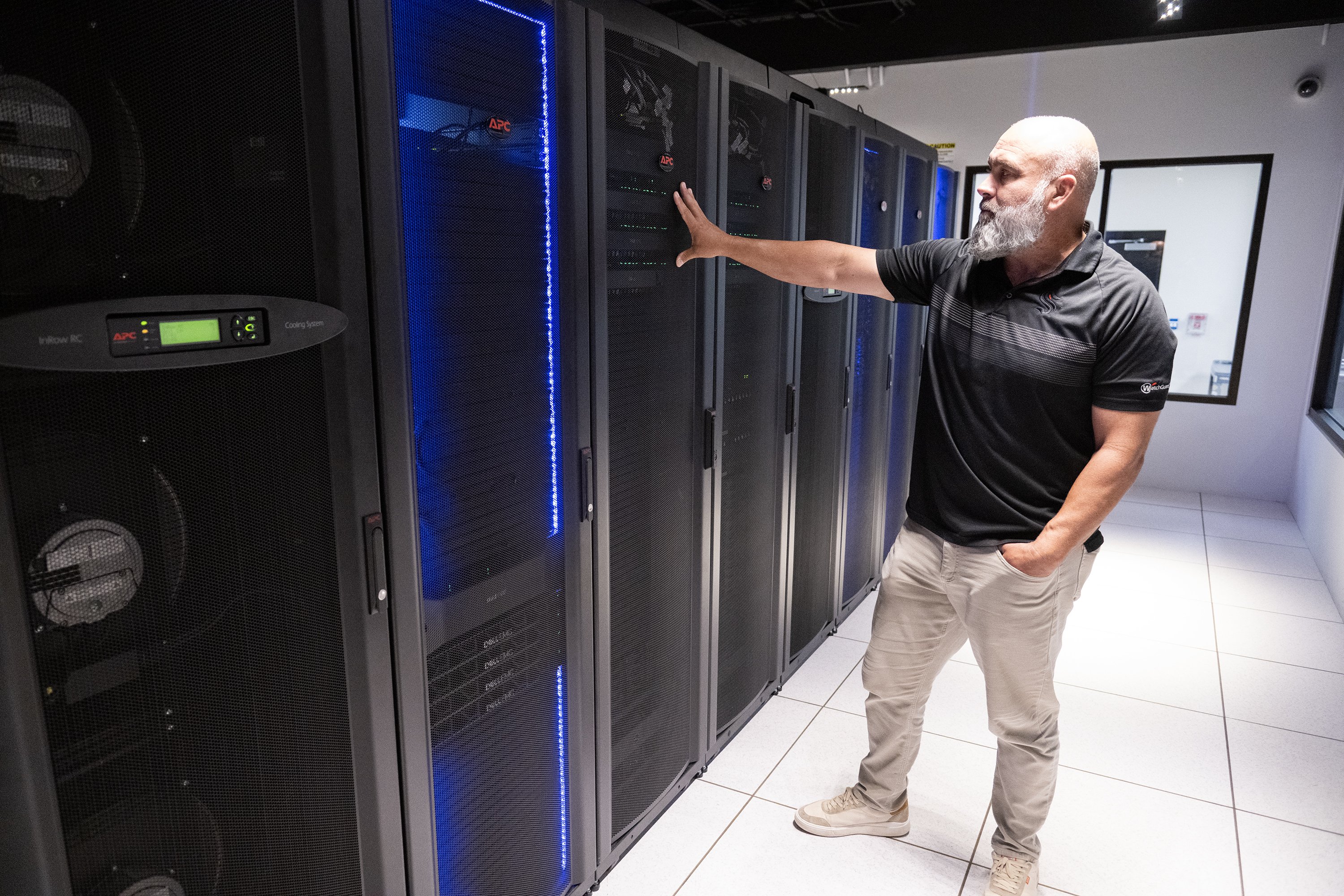
› Where: 6048 Century Oaks Dr., Chattanooga
› Operator: MCA Technology Solutions
› Scale: 2,500 square feet
› Function: Cloud storage, off-site servers for data storage and processing
› Timeline: Data center added in 2012
In 2012, Mike Collins & Associates added a data center at its Chattanooga IT facility.
Since 1987, it had been selling computer hardware and repair services to businesses in the region, Chief Strategy Officer James Bender said.
As its clients grew and moved more systems, like accounting software, online, the company made a bet, Bender said.
“There was lots of small businesses across our area that had servers in a closet. Some of them had servers underneath the receptionist’s desk,” Bender said by phone.
The shift to a cloud model freed up physical space for their customers, allowed them to store and process more data, and MCA could provide similar services to multiple customers at a cost-effective price point, Bender said.
The Chattanooga Times Free Press is a customer of MCA and stores its backup data at its facility.
Renovating the building to add the data center 14 years ago did not require any special permits, Bender said. Updating existing structures would likely not be subject to new zoning regulations or moratoriums, he said.
In Hamilton County, the one-year moratorium only limits construction of new data centers in unincorporated parts of the county.
SCIPIO
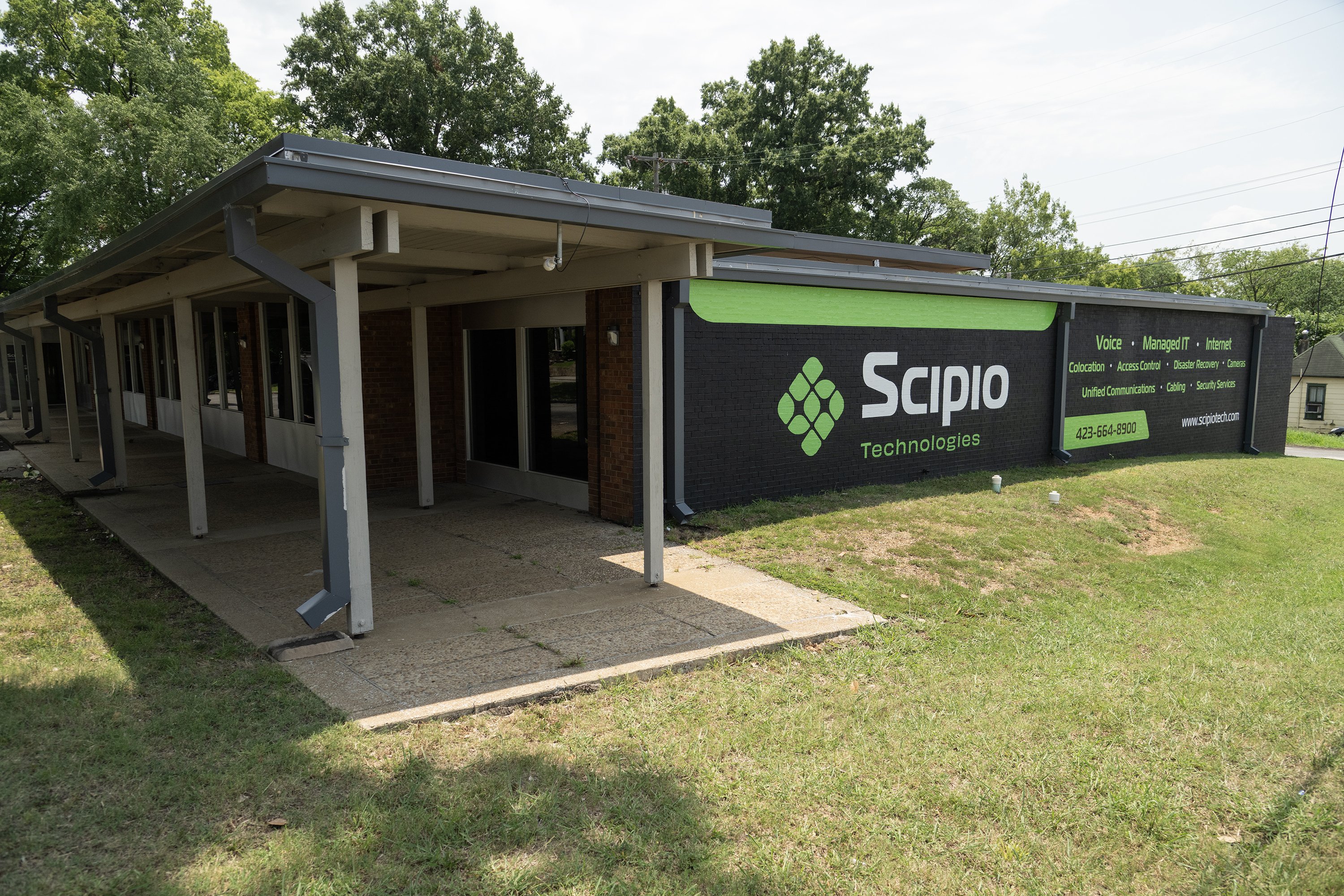
› Where: 1100 E 11th St., Chattanooga
› Operator: Scipio
› Scale: 200 square feet
› Function: Internal infrastructure supporting client services, server space leased to customers
› Timeline: Office building purchased for $1.1 million in 2004
IT services company Scipio Technologies has a small data center in its office on the corner of 11th Street and Central Avenue, with 12 full-size equipment racks that support “the technology solutions and services we provide to our clients,” Matthew Layne, the company’s president of managed services, wrote in an email.
Layne said the company would not participate in a news story, citing the ongoing national conversation about data centers.
Scipio also has data center facilities in Huntsville, Knoxville and Nashville.
› Where: 48809 Alabama Highway 277, Bridgeport, Alabama
› Operator: Google
› Scale: 270,000 square feet between two buildings on 600 acres
› Function: Supports processing for Google products and services, like its search engine and YouTube
› Timeline: Opened in 2019 through an initial $600 million investment
One month after the Tennessee Valley Authority announced in May 2015 it would close the Widows Creek coal plant in Jackson County, Alabama, the site got a new lease on life.
Google, the internet’s dominant search provider, announced it would invest $600 million to build a data center at the site. The tech giant sources all of its power for the site from TVA and is fully connected to the grid, a Google spokesperson said in an email.
Google did not need many approvals to build the project, since Jackson County does not have zoning laws or require building permits in unincorporated areas. However, Google needed state and local approval for a series of tax incentives, said Lee, the county Economic Development Authority president.
Google is an anomaly in the data center space, Lee said, because of the high level of job creation and community investment the company has made. Around 250 people work at the center, he said.
The company announced earlier this year it would invest $1.5 billion to build a third building at the site. The investments are the largest made in the county by a private company, Lee said.
“We love Google being here,” Lee said. “If Google wanted to expand on another site that we currently have, we would allow that, and we would want that to happen.”
Is Jailhouse Studios a “data center”?
One local project that shows how contentious the term “data center” has become is Jailhouse Studios, a music and movie studio planned in Hamilton County’s old unused downtown jail.
Urban Story Ventures, the local commercial real estate development group behind the $100 million project, received unanimous approval in March from the Hamilton County Commission for a $375,000 annual lease for the jail.
Jimmy White, president of Urban Story Ventures, originally promoted a small AI data center in the basement to support artists’ work at the studio. After a petition asking for more public input on the data center received more than 1,000 signatures, the company isn’t using the term.
“I’m not building a single data center in the state or the city of Chattanooga, period, end of discussion,” White said in a recent interview.
The data processing portion of the studio would require no water consumption and would have only a small power demand with no grid updates necessary, according to Urban Story Ventures.
The studio’s data processing would require between 1%-5% the electricity of a traditional data center, the company said.
“What is being developed at the site is not a traditional data center,” Megan Bissonette, chief marketing officer at Urban Story Ventures, said in an email. “The data-processing component is designed to support specific studio and AI-enabled media workflows, with a focus on efficiency, limited infrastructure demands and secure handling of data.”
Urban Story Ventures is working with Texas-based STEM Practice Co., a partner of software company Oracle. STEM previously said the studio’s data component would be composed of around 10 racks of processors.