

HARRIMAN, Tenn. — As the Tennessee Valley Authority nears the end of a decade-long process to study the best solution for closing waste sites at coal plants under a Tennessee state order, it’s facing a familiar public relations problem.
The only thing many people know about TVA’s coal ash program, or coal ash itself, is that a massive amount of the material spilled in an accident at the federal utility’s Kingston Fossil Plant in 2008.
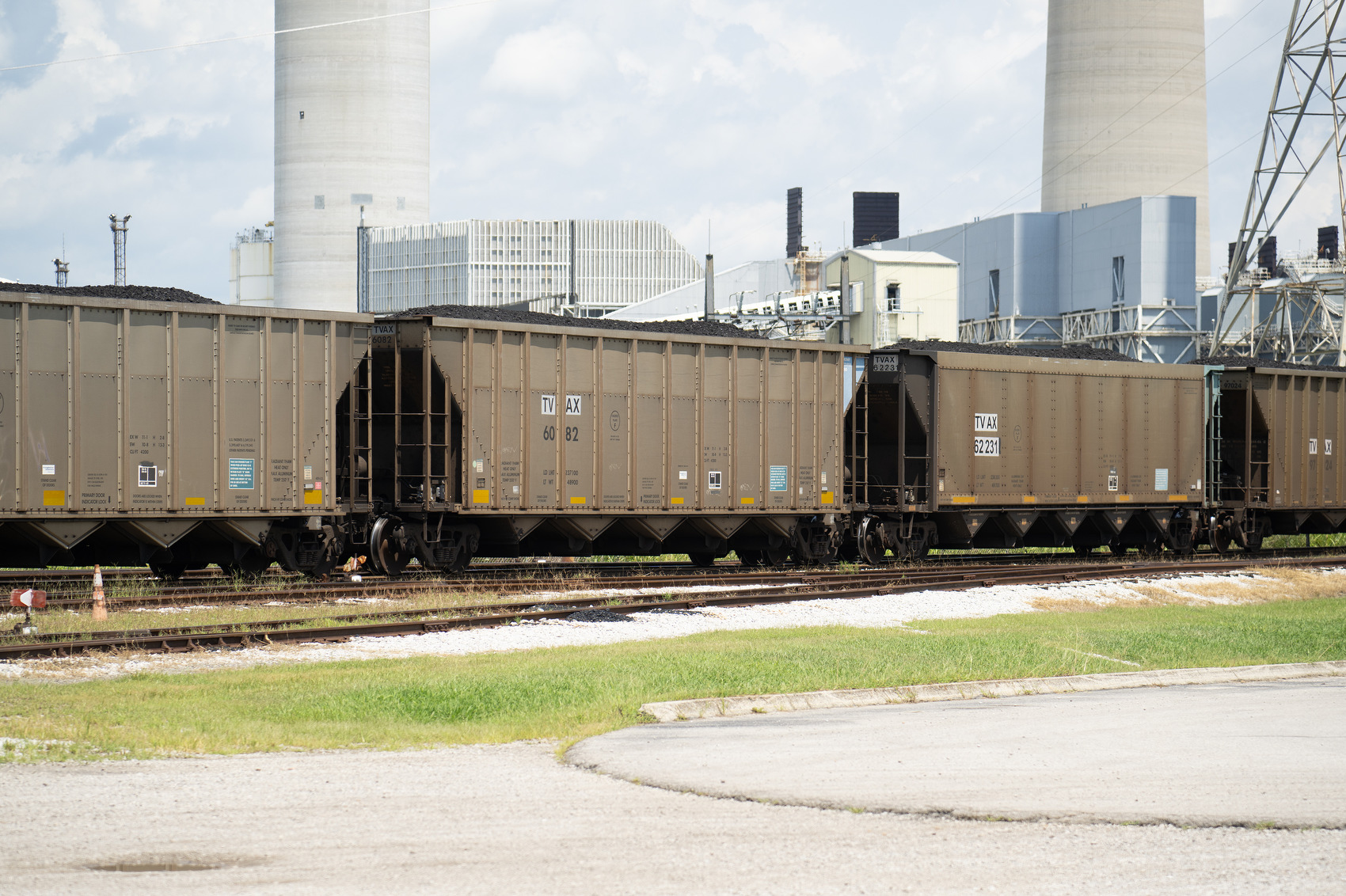
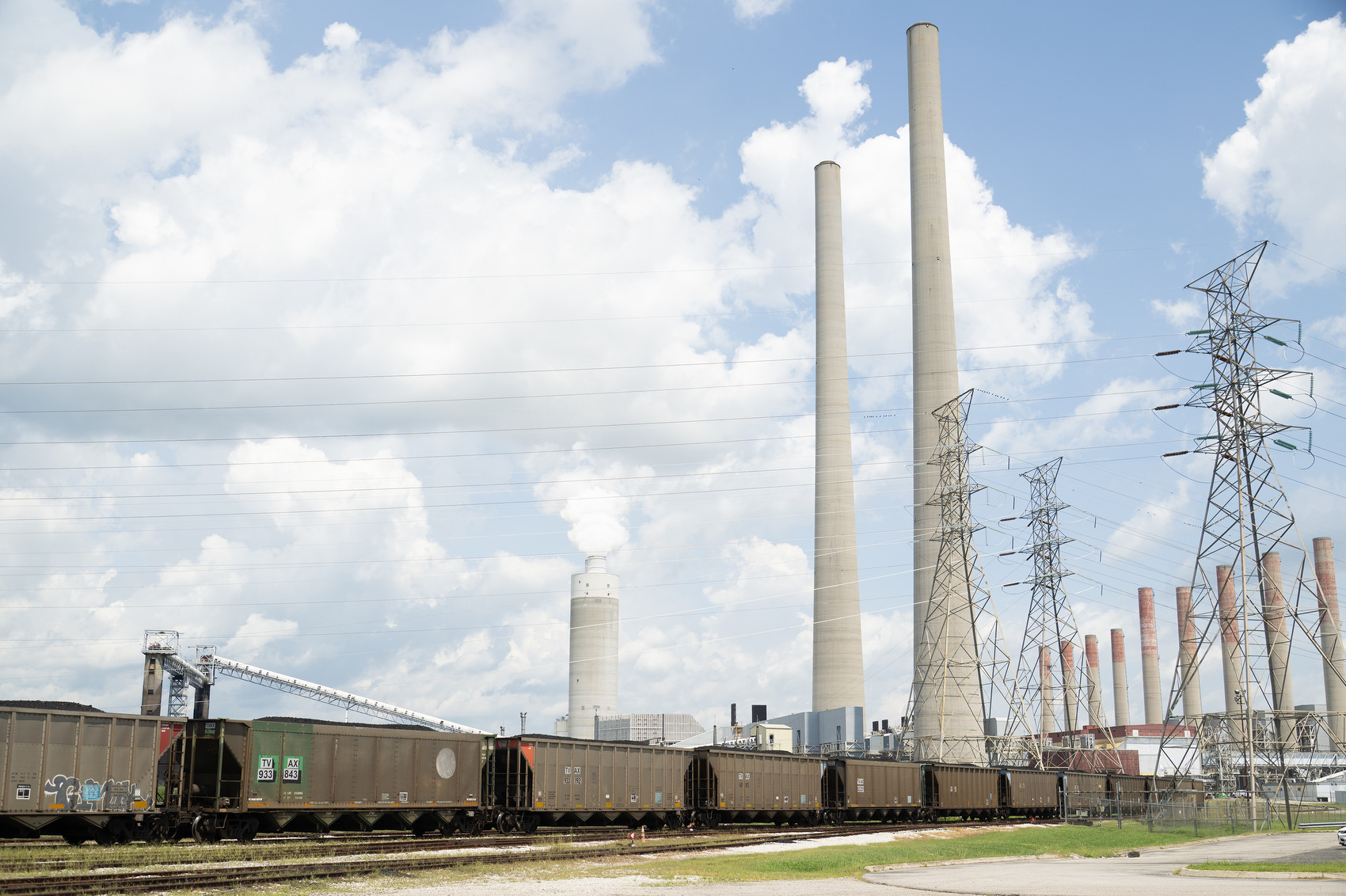
Coal ash is the sooty material left over when coal-fired power plants burn the fossil fuel to generate electricity. The towering Kingston plant continues to supply 10 billion kilowatt-hours of electricity every year, enough to power around 760,000 homes.
Managers at the nation’s largest public utility say the story about how it handles coal ash is far bigger than the spill or the $1.1 billion cleanup TVA undertook to restore the area.
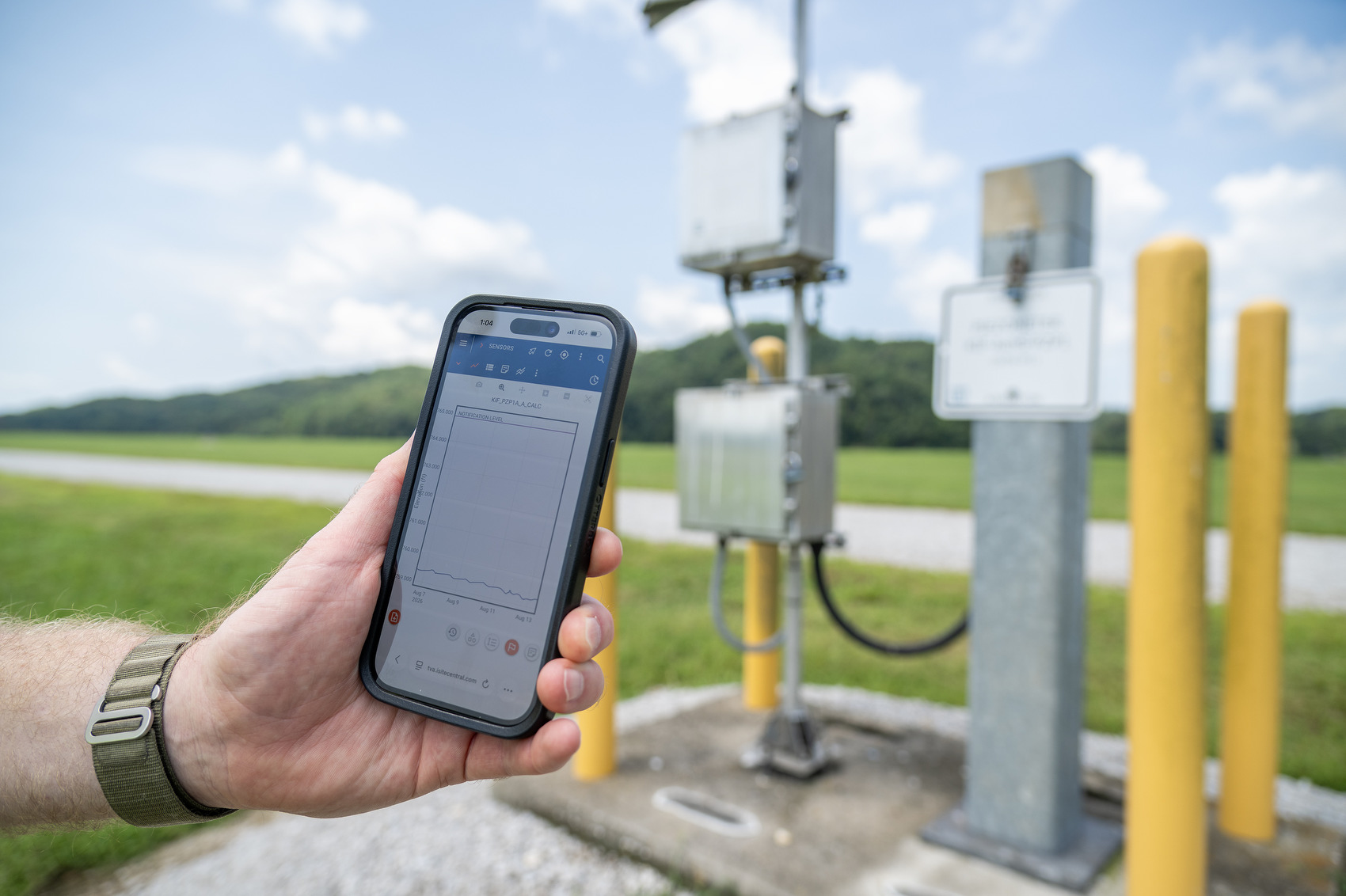
Across the utility’s 12 coal plants, four active and eight closed, a system of 4,000 instruments and 16,000 sensors gather 1.2 million data points daily about coal ash disposal sites, TVA officials said in an interview at the Kingston plant.
TVA knows at any given moment how stable the landfills and impoundments are and whether the waste product is staying put. At Kingston alone, TVA has collected more than 20,000 environmental samples and completed more than 500,000 laboratory analyses since the spill to understand its impact and how best to manage coal ash in the future.
At Kingston, TVA sees model for coal ash future beyond spill’s shadow
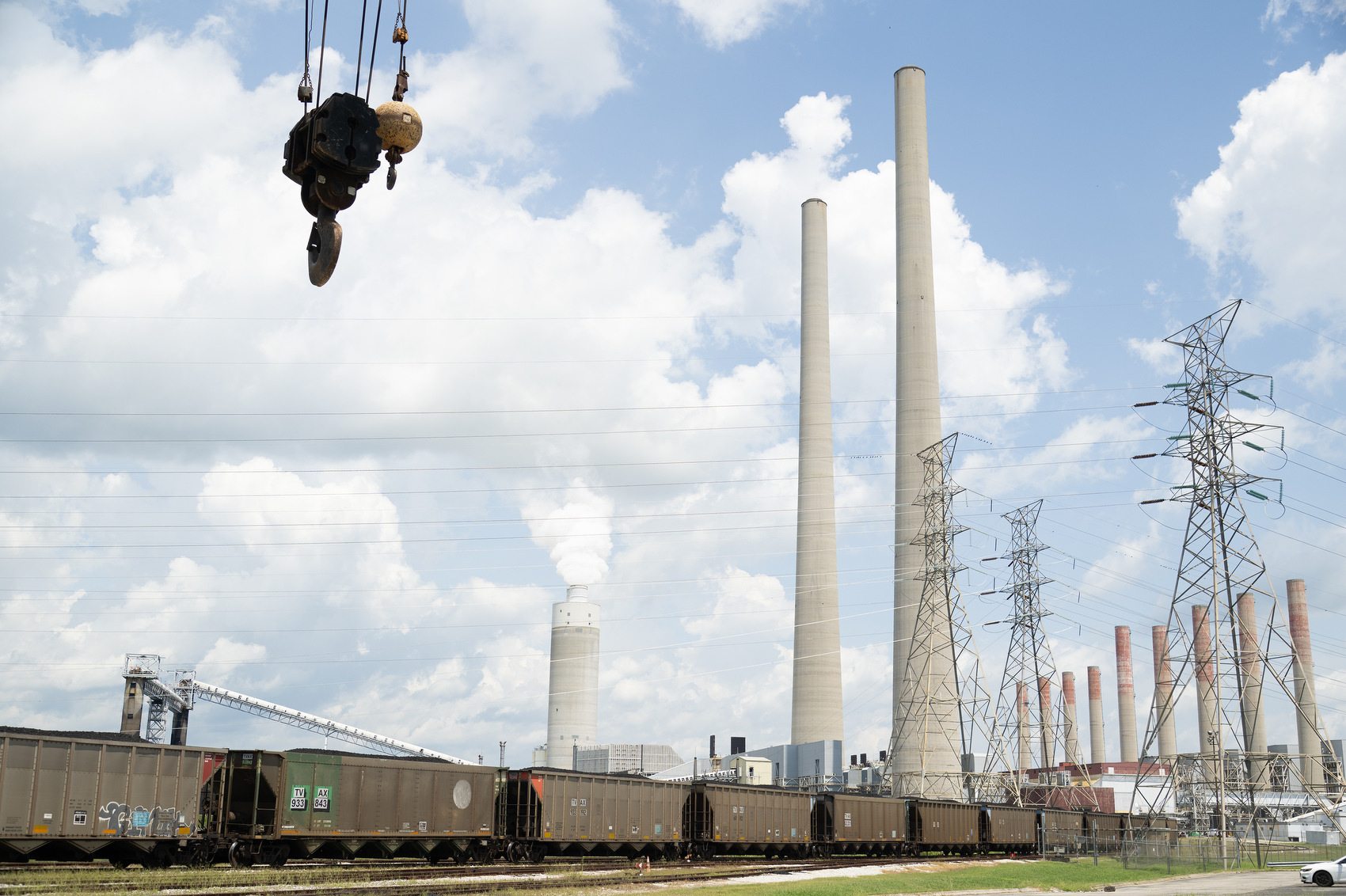
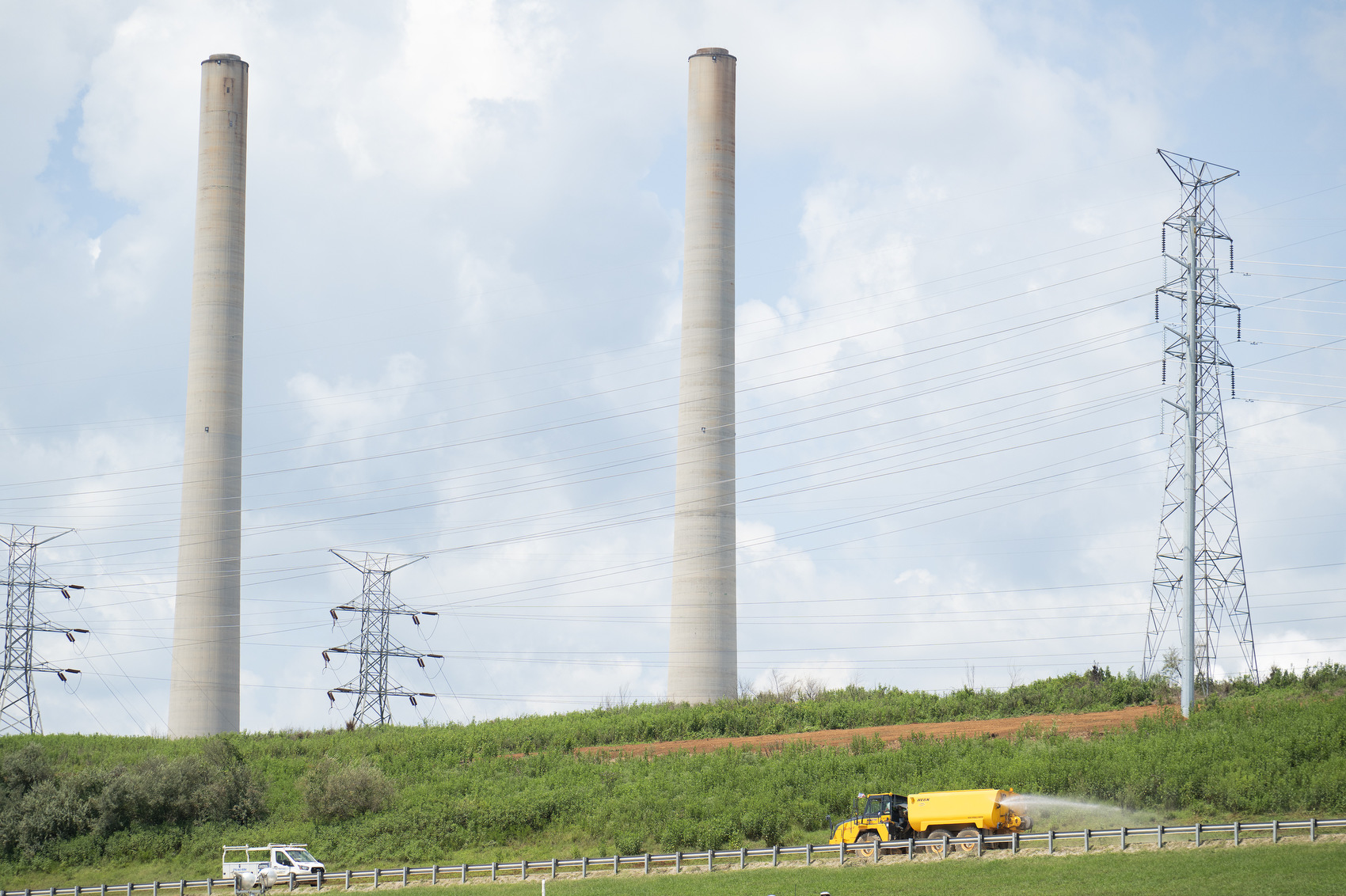
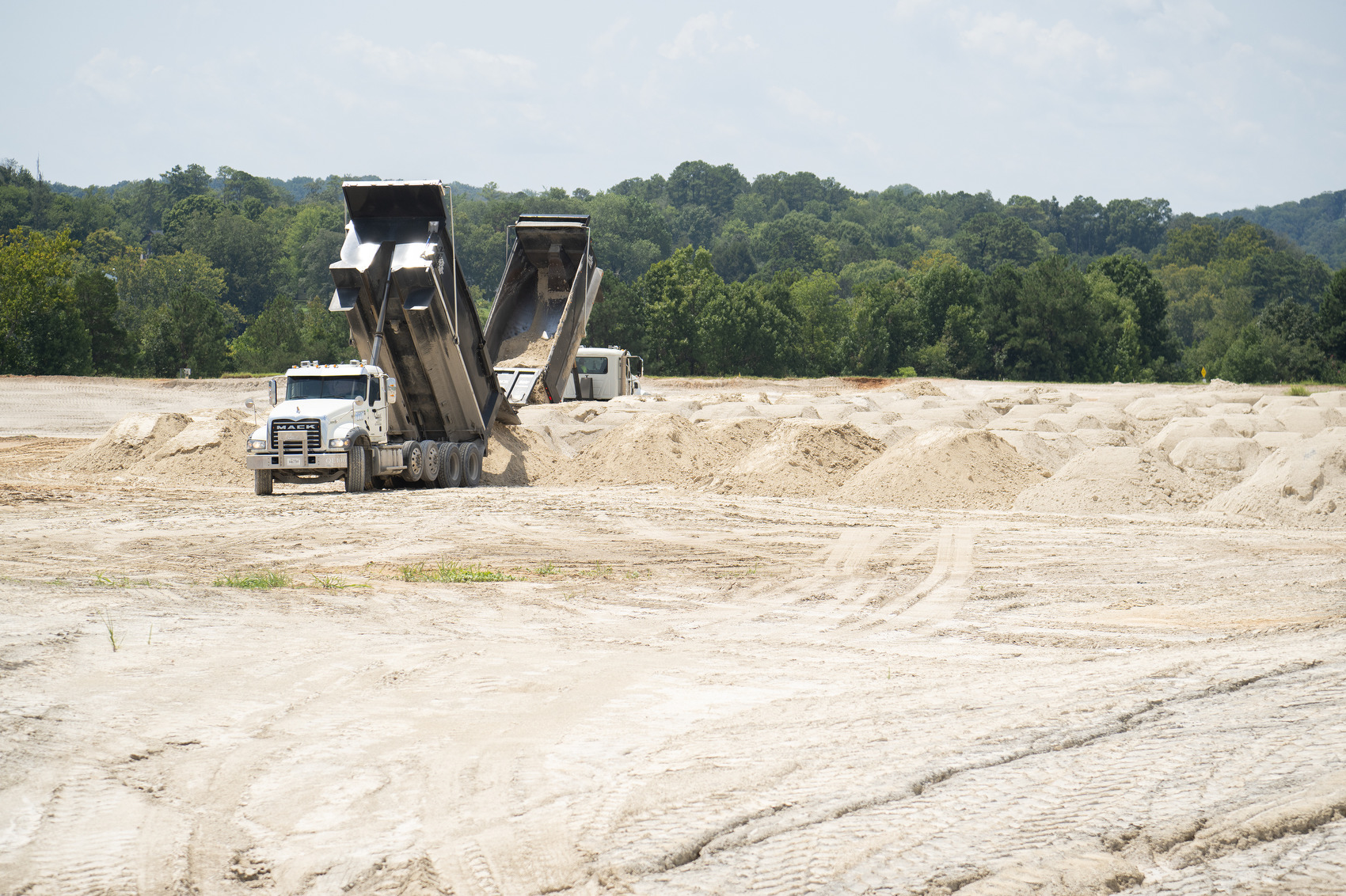
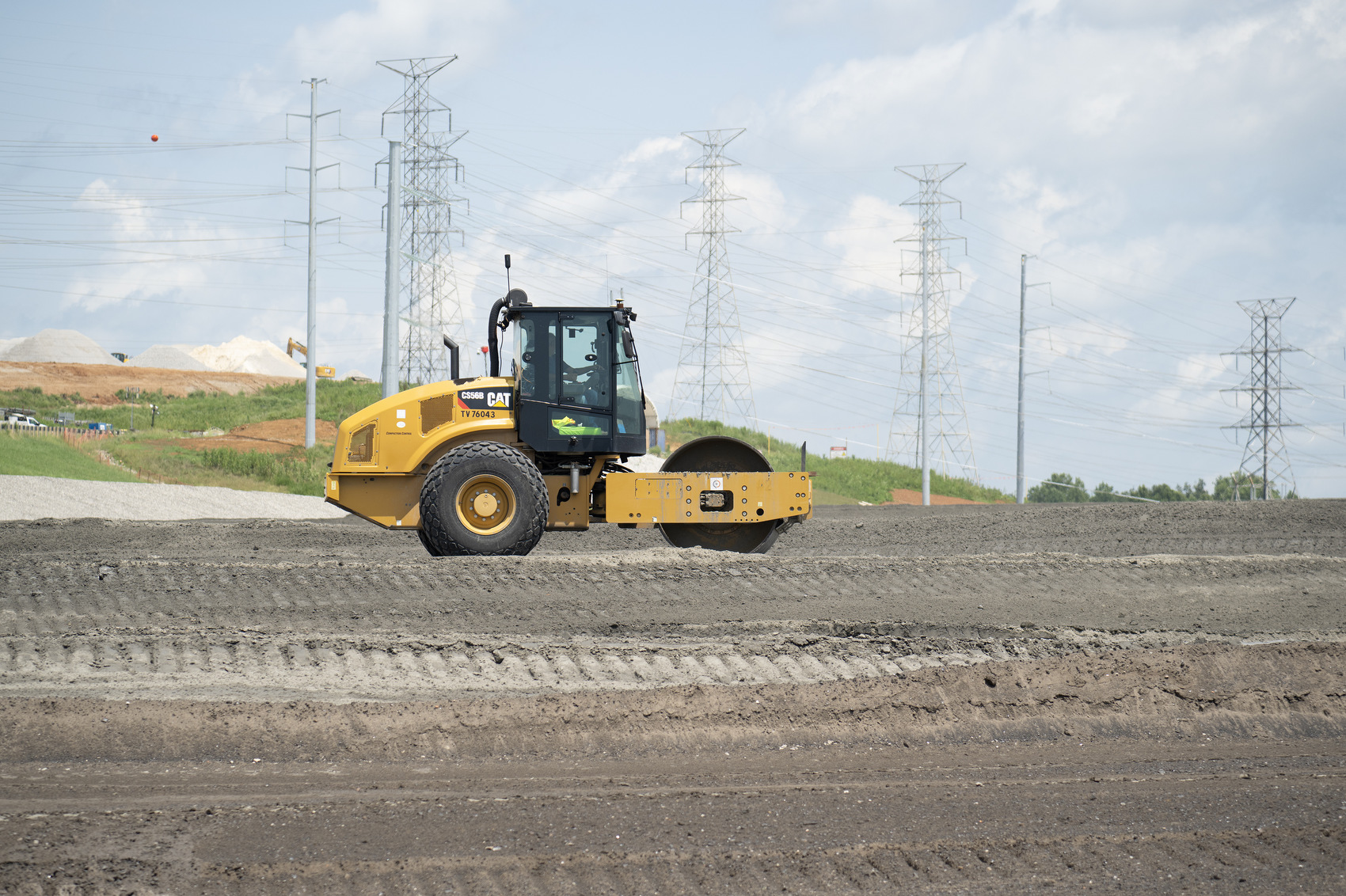
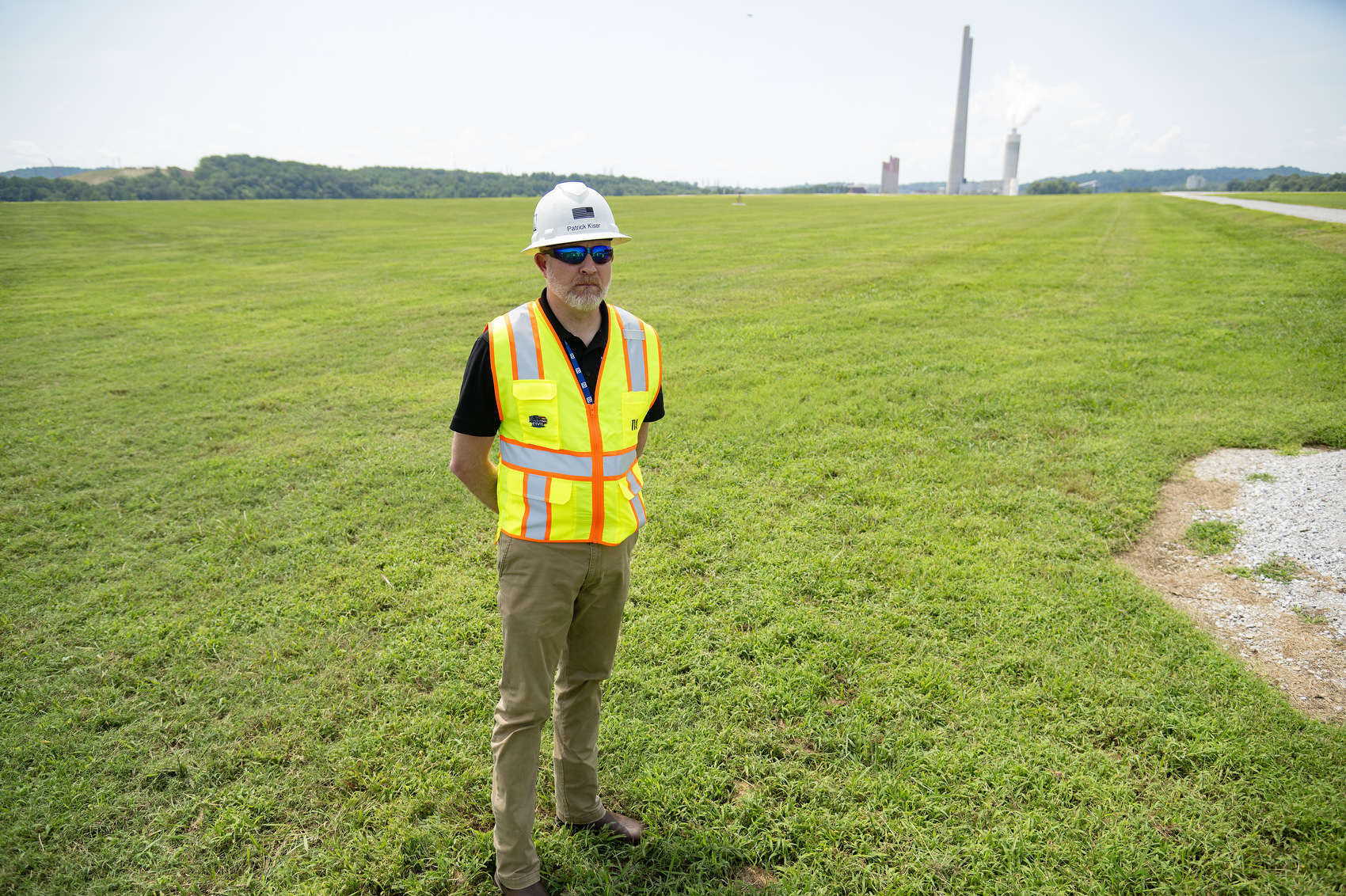
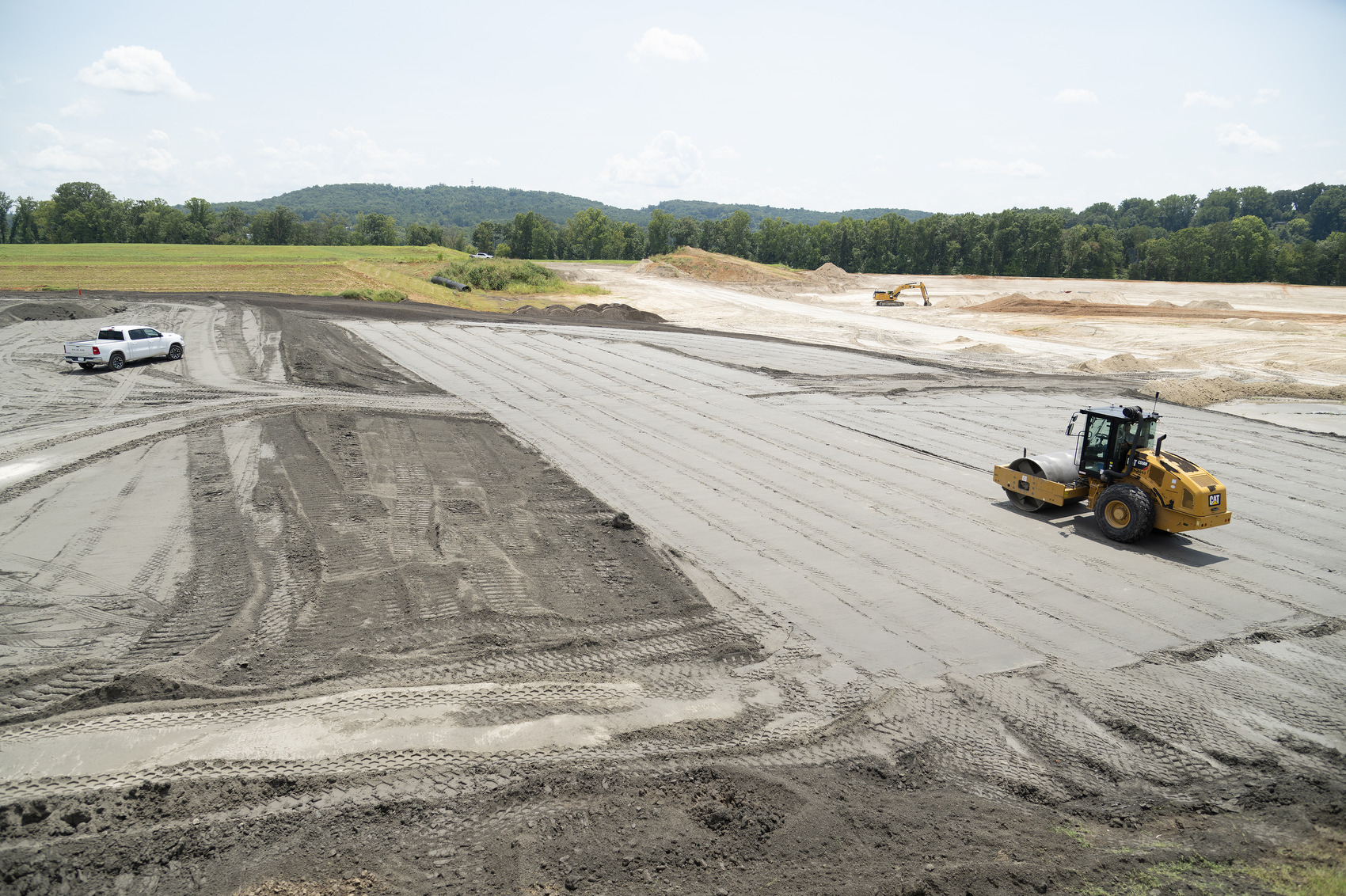
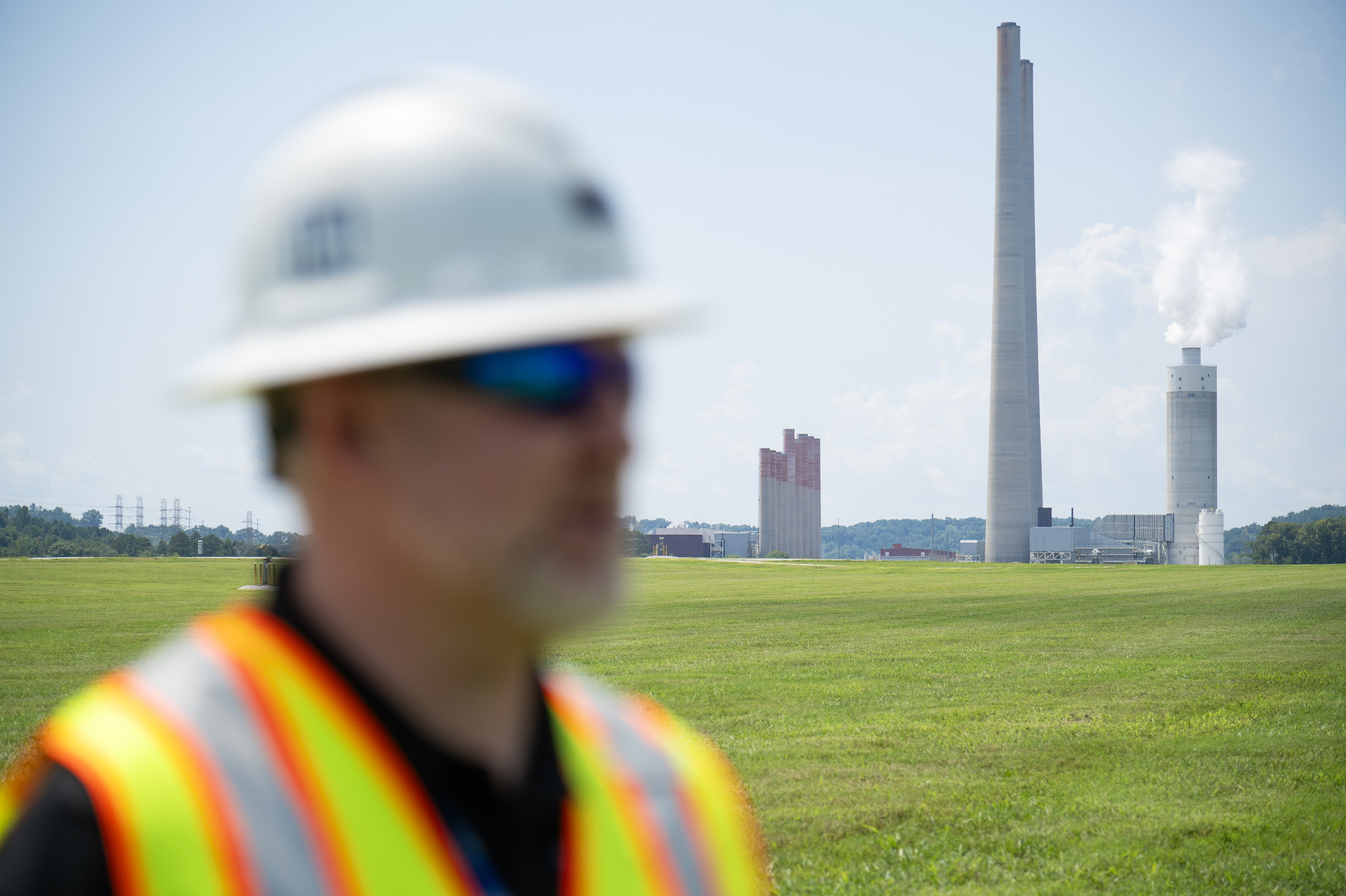
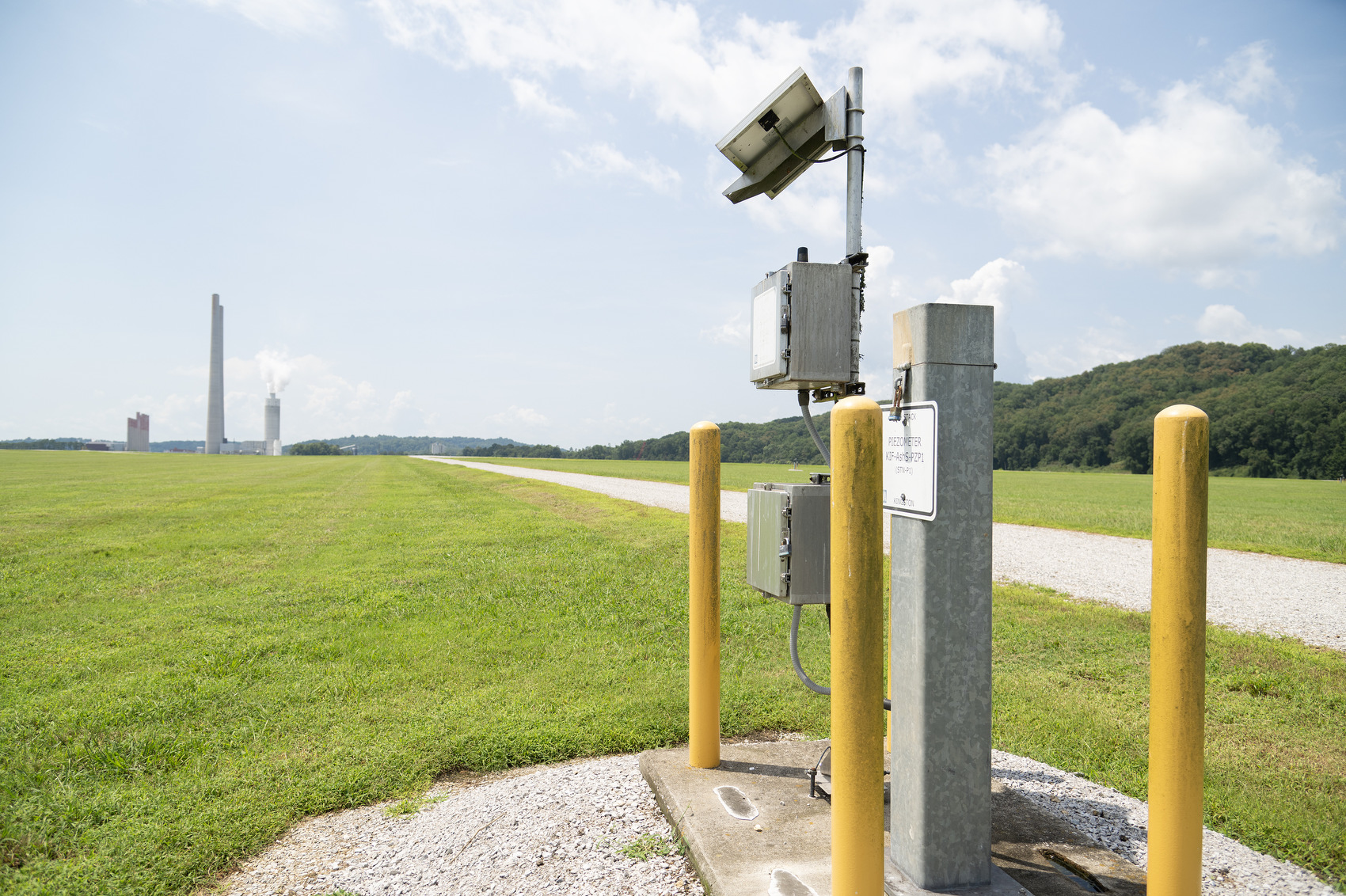
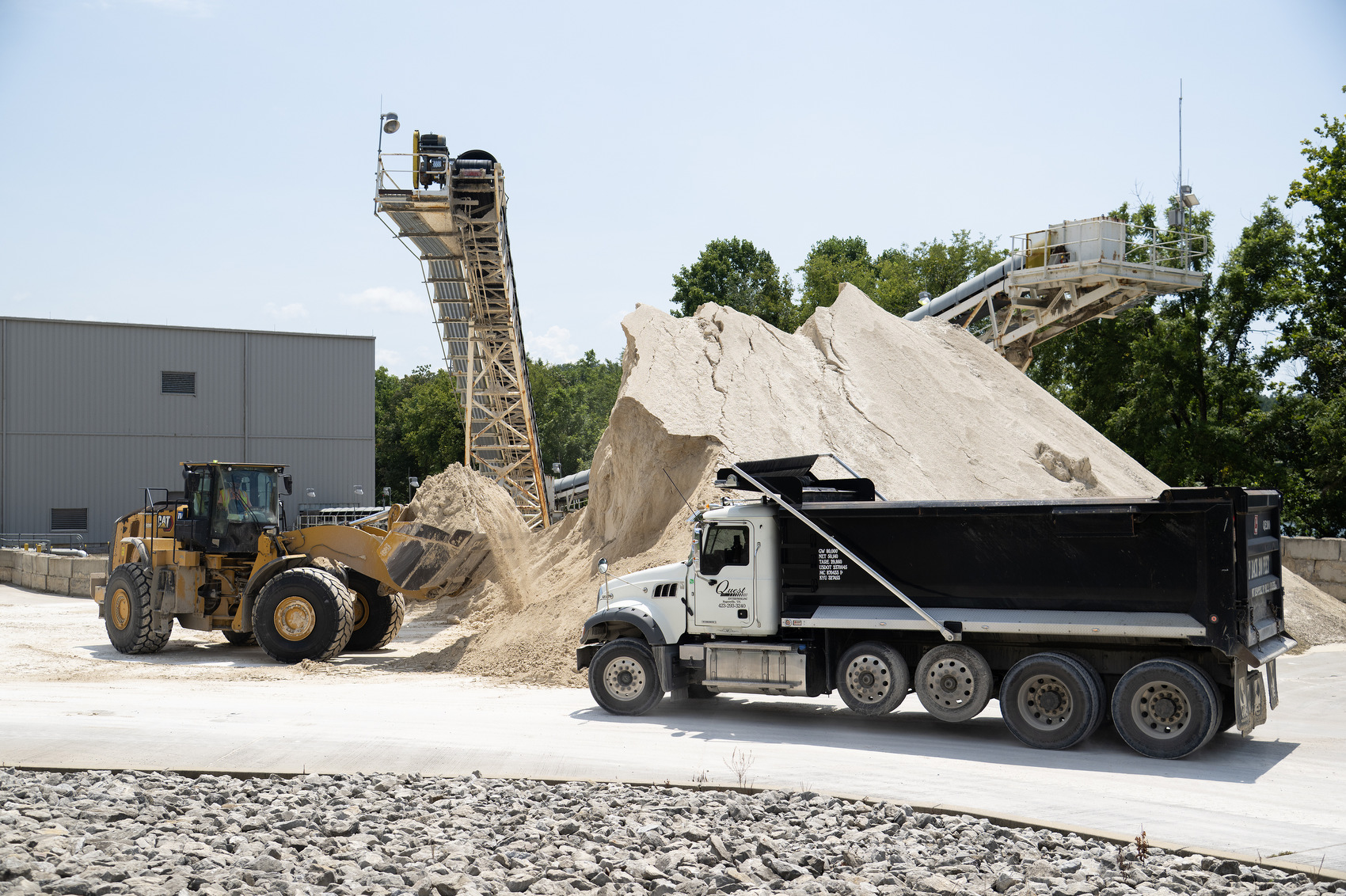
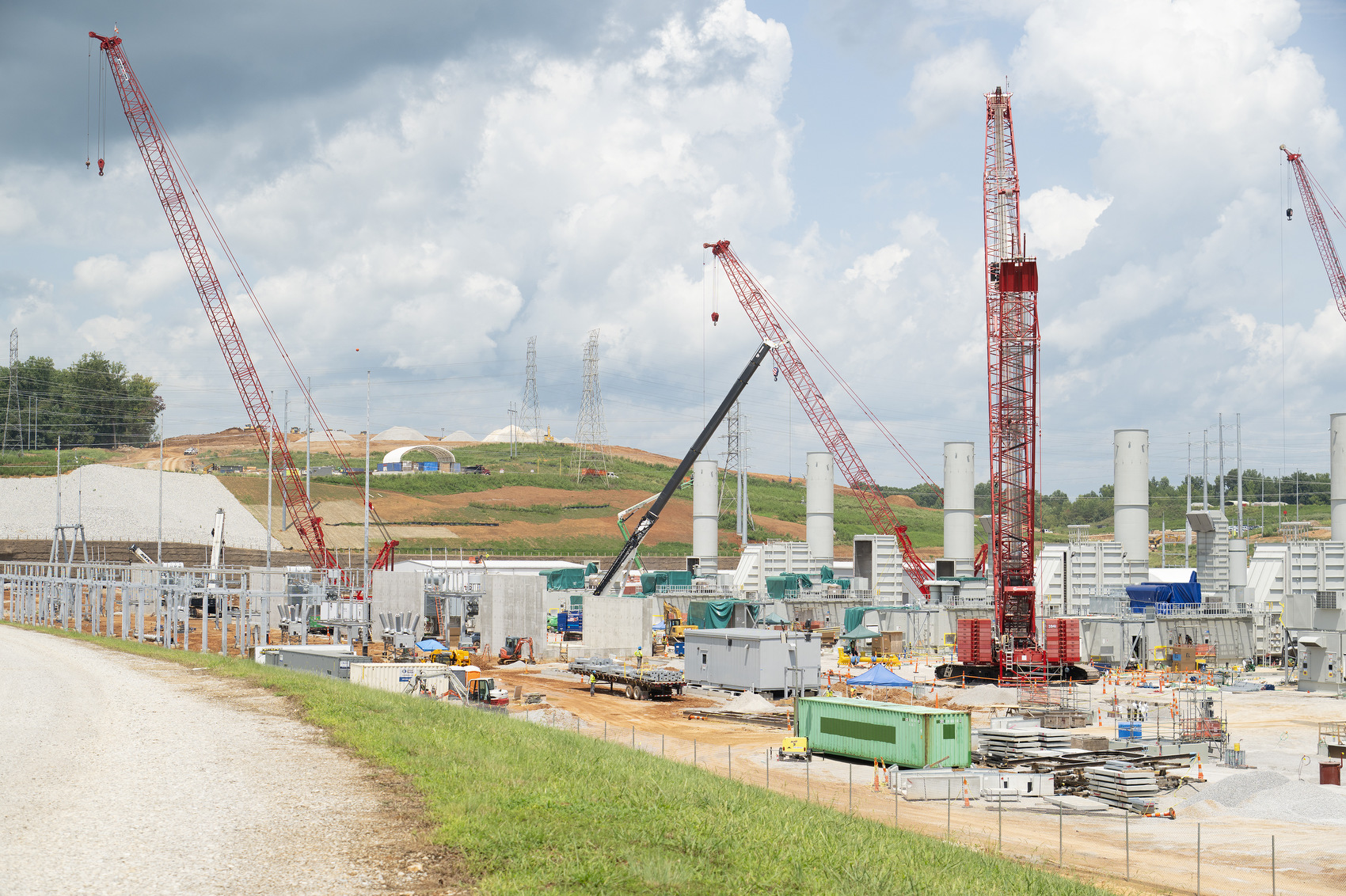
The Kingston spill site today bears little resemblance to two decades ago, even though media outlets and climate nonprofits often publish old photos with stories about the waste.
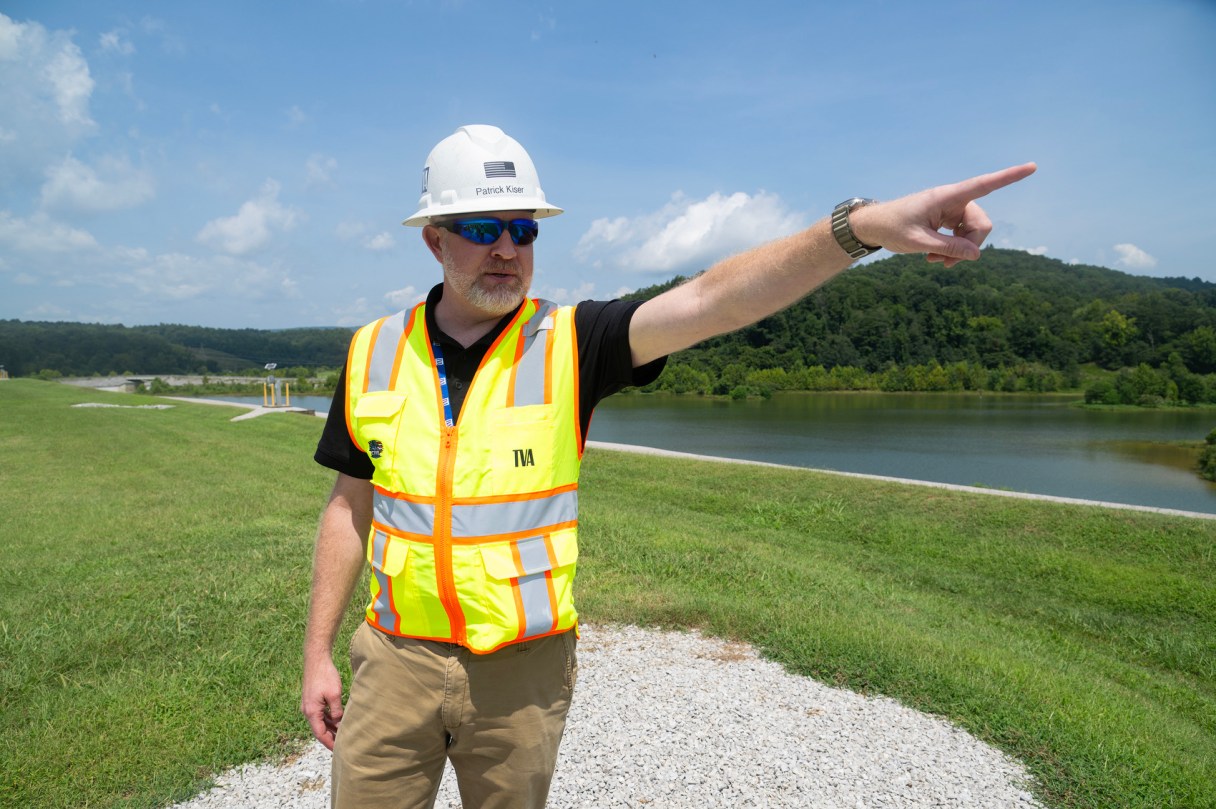
“For most, the story of TVA and coal ash is suspended in time,” said Patrick Kiser, TVA general manager for strategy and engineering, in an interview at the Kingston plant. “We are light years away from where we were in 2008.”
(READ MORE: TVA to charge data centers more for power under separate rate)
TVA stores 13.5 million cubic yards, or around 2.7 billion gallons, of coal ash and soil at Kingston across 240 acres covered by a grassy cap. Before covering the impoundment, TVA removed water from what had formerly been a pond. It transitioned its other sites from wet to dry storage as well.
Like many historical TVA coal ash impoundments, the site does not have a plastic liner underneath to prevent material from leaking into groundwater. The active coal ash landfill at Kingston where new material is moved does have the liner.
If people know something else about coal ash other than the Kingston spill, it’s likely a list of some elements the waste contains. Elements that are dangerous in large concentrations — like arsenic, radium, mercury and lead — represent around 0.02% of coal ash, according to TVA data.
The U.S. Environmental Protection Agency does not classify coal ash as a hazardous waste, a list that includes byproducts of pesticides and explosives manufacturing. Instead, the EPA regulates coal ash as a nonhazardous solid waste.
“TVA is not the one making this decision,” said Missy Hedgecoth, a TVA manager in civil projects outreach who worked on coal ash for decades. “These are scientific decisions. They’re not emotional. They’re not political. They run a test, and the answer is, it’s not hazardous.”
TVA officials said their groundwater testing over the past decade has shown rare examples when levels of elements like lead or chromium exceeded federal standards in groundwater wells near coal ash sites. The utility has monitored those events, often limited to a single well or instance, Kiser said.
“We have zero data that it persists off-site,” Kiser said. “We have corrective action plans for all of those to make sure we meet those groundwater protection standards.”
The legacy of the Kingston spill is tied not only to the event itself, but to the workers who cleaned it up. TVA’s cleanup contractor, Jacobs Solutions, failed in its duties and exposed hundreds of cleanup workers to the ash, a jury found in 2018.
Dozens of the workers have since died from illnesses they and their families have said were caused by the ash. Jacobs reached a confidential settlement with the workers in 2023 before the question of what caused their illnesses was determined by a jury. TVA was not a party to that lawsuit.
“We recognize this is a sensitive issue for the workers and their families,” Kiser said.
CLOSING IN PLACE
As TVA prepares to decommission its remaining coal-fired power plants, it responded to a 2015 order from the Tennessee Department of Environment and Conservation with a plan to close 4.4 million cubic yards of coal ash at Kingston in place rather than removing the material into a lined landfill. The state reviewed and accepted TVA’s plan.
The ash storage does not present “unacceptable risk” to human health or the environment, Kiser said, borrowing language from the state order. While TVA has detected cobalt in groundwater at Kingston above safety standards, it is taking action to correct the issue, officials said.
Closing in place with monitoring is the ideal option for the environment and for residents considering the full picture, Kiser said.
Digging up and removing the coal ash would require 300,000 off-site truckloads for transportation and would take between 19 years and 22 years to complete, according to TVA estimates. While closing the coal ash in place would cost between $21 million and $41 million, Kiser said removing the ash would cost between $660 million and $1.3 billion.
“Cost is controversial in some circles, but for us, cost has to be a consideration,” Kiser said. “We’re a public power company. We’re not paying dividends to shareholders. Our shareholders are our local power companies and their customers.”
Coal ash handling varies across the utility’s plants. TVA is moving coal ash from its retired Allen Fossil Plant in Memphis into a lined landfill under the state order and is moving coal ash at its active Gallatin Fossil Plant in Middle Tennessee as part of a legal settlement.
Even after capping or closing coal ash sites, TVA must invest to monitor them. The utility projects it will spend more than $2 billion to close, maintain and monitor its coal ash sites between 2026 and 2030.
While climate groups have criticized TVA for what they say is a downplaying of coal ash’s risks, TVA managers say their public messaging is based on years of data collection. The state order required data collection in excess of an EPA rule issued the same year, Hedgecoth said.
“Unless you’re in that world, you wouldn’t even imagine the amount of rigor that goes into this to make good, scientific, data-driven decisions,” Hedgecoth said. “All of that is out in public space.”
Closing or removing the coal ash are two of three options for how to handle it. The active coal ash landfill at Kingston is smaller than the historic impoundment because TVA reuses most of the material today. The plant produced 265,000 tons of coal ash last year, and TVA sold around 93% of the waste to manufacturers of concrete and drywall.
TVA was the first utility in the nation to harvest gypsum from its coal ash sites to make drywall, officials said. The utility is building a 100-megawatt solar installation over its capped coal ash site at the Shawnee plant in Kentucky, a first-of-its-kind renewable energy project for one of the disposal sites.
ENVIRONMENTAL THREAT
Climate and environmental nonprofits have expressed concerns about TVA’s coal plants and coal ash sites for decades, including a recent decision of the utility’s board of directors to allow the Cumberland and Kingston coal plants to operate longer. TVA has not made a final decision about how long the plants will operate.
TVA’s desire to close some of its unlined coal ash disposal sites in place threatens the environment with groundwater leaks and the potential for other major spills, said Nick Torrey, a senior attorney at the Southern Environmental Law Center.
The utility should remove coal ash at Kingston the same way it’s removing waste from the Allen and Gallatin plants, he said, pointing to TVA data showing contamination of groundwater above safety thresholds.
“Keeping this toxic slurry in leaking, unlined pits is a very unsafe way to store coal ash long-term, because of the serious risk of structural failures and spills due to storms, flooding or other unpredictable disasters,” Torrey said in an email. “We have seen throughout the Southeast that the most effective way — in terms of safety as well as cost — for utilities to address these problems is to remove the ash and dispose of it in modern, lined landfills or recycle it for concrete.”
(READ MORE: Clean energy groups are defending TVA. They’re also suing it)
Stephen Smith, executive director of the Southern Alliance for Clean Energy, pointed to one coal ash site as a particular cause for concern. A disposal site at the closed Johnsonville plant in Middle Tennessee sits on an island surrounded by the Tennessee River. TVA submitted a plan to the state to close the site in place, which the state reviewed and accepted.
“We have advocated for a long time that coal ash needs to be treated as a toxic substance, and it needs to be in lined landfills,” Smith said in a phone call. “It makes no sense to leave coal ash on an island in the middle of the Tennessee River.”
The disposal sites TVA wants to close in place are far from the picture of “dumps” or “pits” that environmental groups often paint, Kiser said.
“At least in TVA’s fleet, they’re not dumps,” Kiser said. “They’re engineered facilities. They’re actively maintained. They’re actively monitored. There’s better grass out here than there is in my yard at home.”
______
Contact business reporter Daniel Dassow at ddassow@timesfreepress.com or 423-757-6318.