
Thursday, October 29, 2026Oct 29

This story is free to read.

Perspective: Heavier trucks could undercut billions in infrastructure spending

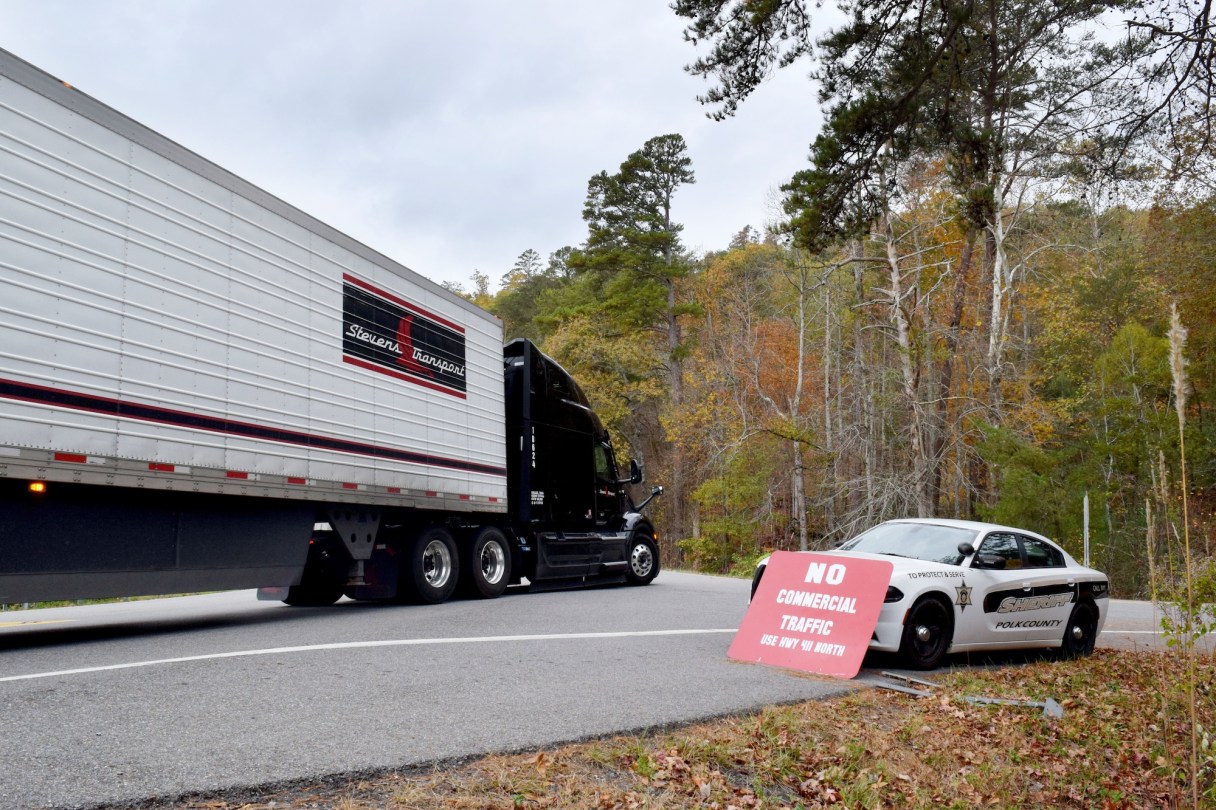
Staff Photo by Ben Benton / A Stevens Transport truck turns onto State Route 30 from U.S. Highway 64 West in Polk County, Tennessee, on Nov. 6, 2024, passing a sign warning commercial truck traffic not to use the highway. Since flooding from Hurricane Helene destroyed portions of interstates 40 and 26 between Northeast Tennessee and western North Carolina, some commercial trucks have been using State Route 30 as a shortcut, causing traffic backups and damage to the narrow, two-lane road through the Cherokee National Forest.
Staff Photo by Ben Benton / A Stevens Transport truck turns onto State Route 30 from U.S. Highway 64 West in Polk County, Tennessee, on Nov. 6, 2024, passing a sign warning commercial truck traffic not to use the highway. Since flooding from Hurricane Helene destroyed portions of interstates 40 and 26 between Northeast Tennessee and western North Carolina, some commercial trucks have been using State Route 30 as a shortcut, causing traffic backups and damage to the narrow, two-lane road through the Cherokee National Forest. Staff Photo by Ben Benton / A Stevens Transport truck turns onto State Route 30 from U.S. Highway 64 West in Polk County, Tennessee, on Nov. 6, 2024, passing a sign warning commercial truck traffic not to use the highway. Since flooding from Hurricane Helene destroyed portions of interstates 40 and 26 between Northeast Tennessee and western North Carolina, some commercial trucks have been using State Route 30 as a shortcut, causing traffic backups and damage to the narrow, two-lane road through the Cherokee National Forest.

A coalition of 20 national organizations is asking Congress to oppose measures that would allow larger tractor-trailers on the nation’s roads, citing potential damage to local infrastructure, as lawmakers prepare legislation setting transportation priorities for the next several years.

In a letter dated Jan. 28, the groups argue that proposals to raise the current 80,000-pound weight limit for trucks on interstate highways to 91,000 pounds or more would increase road costs and reduce safety.

The broad coalition includes local government groups such as the National Association of Counties and the U.S. Conference of Mayors, as well as the Teamsters, AAA and the Association of American Railroads.

“We wanted to get right out of the gate with our partners and let Congress know that we’re still watching for exemptions to be proposed in the reauthorization bill,” said Emily Mills of the Coalition Against Bigger Trucks, which organized the letter. “It’s really the biggest opportunity that proponents of bigger trucks have to get something across the finish line.”

The coalition argues that proposals to allow heavier trucks — including a 91,000-pound, six-axle pilot project — would amount to an unfunded federal mandate. Legislation to raise weight limits typically does not include funding to cover the additional wear and tear on roads and bridges.