
Editor’s note: second in a three-part series.
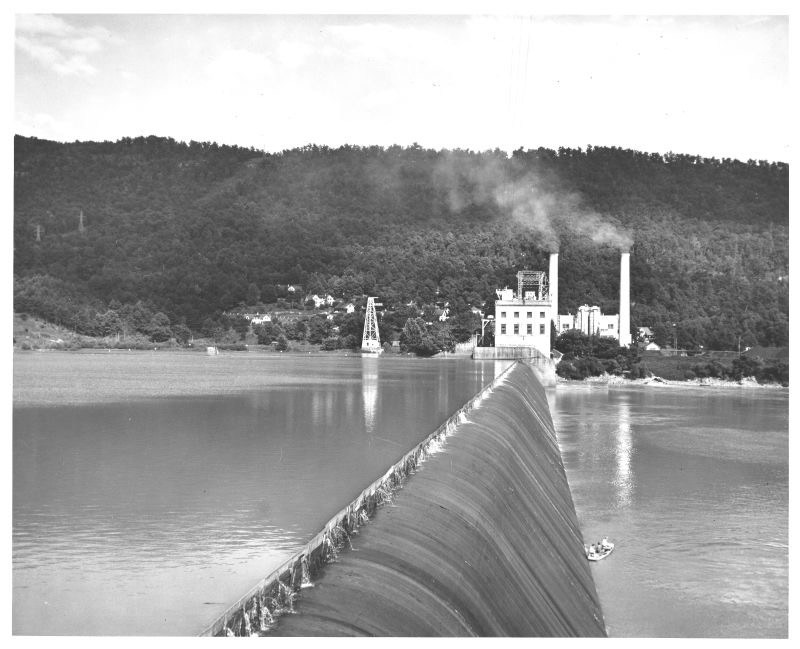
In early 1905, a group of investors collaborated with the federal government on building a lock, dam and electric power plant on the Tennessee River near Hales Bar in Marion County. The Chattanooga News on Monday, May 29 reported that Charles James had returned from New York with news that plans for the proposed construction were moving forward and application for the corporation’s charter would be filed later that afternoon. James added that “work on the new electric plant would begin within thirty or sixty days at the outside.”
(READ MORE: Local History: Taming the Tennessee River starts at Hales Bar)
While the construction would occur over 30 miles from Chattanooga on the Tennessee River, its projected impact on the city was considered monumental. James announced in a meeting with the business and industrial community that several large manufacturing plants had responded by committing to locate in the area. One factory, with a construction cost of $1 million, would be completed within the next 12 months and use a “large amount of the current to be generated” by the power plant.
Joined by Jo Conn Guild in the meeting, the partners hinted that there would be other important announcements regarding new plants within the week. The charter was filed with five names listed as officers: James, Guild (president), Robert H. Williams, G.D. Lancaster and J.C. Sims. The capital stock for the corporation was listed as $3 million, which would provide annual revenue of $3,000 to the state of Tennessee.