
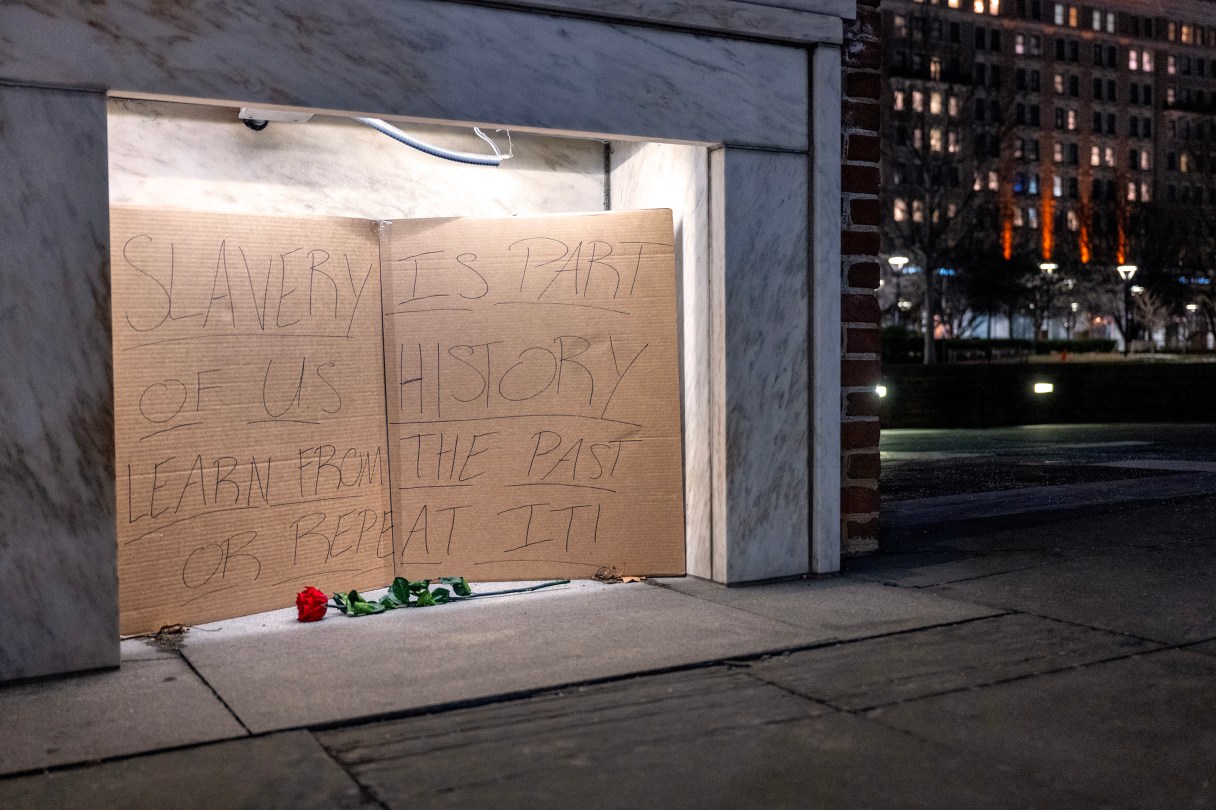
This year marks the 100th year for Black history to be formally recognized nationally. Started in 1926 by historian Carter G. Woodson as Negro History Week, the month is used to spotlight the true picture and often-overlooked contributions and achievements of Black Americans despite the systemic challenges they faced.
Essential to that picture is the system of slavery.
How could a race of people be enslaved for 240 years, then endure decades of humiliation under Jim Crow laws and decades more of government-sanctioned discrimination and still rise to produce scientists such as Dr. Patricia Bath, who invented a laser treatment for cataract surgery, explorers such as Washington state’s George Bush and professors such as Woodson, who was the son of formerly enslaved people yet earned a doctorate from Harvard? Those accomplishments against incredible odds should intrigue Americans of all colors. The people, places and events from the Civil War to the Civil Rights Movement should spark curiosity from all ages.
But for too many decades schools and communities ignored Black history, and produced generations with a lack of true knowledge of how America was created and who all contributed.
Today, 100 years since the inception of Negro History Week, many still want to ignore and even erase history that doesn’t center whiteness.