
While most of you (like me) are trying to figure out what happened to 2025, here we are with a brand new year to deal with.
There is no avoiding it, it is here, so let’s sally forth and do the best we can.
Many of us humans often surge into the new year with a lot good intentions, which usually translate into those dreaded, awful contraptions known as “New Year’s Resolutions.” Mostly what happens is we make these well-meaning pledges about everything from weight loss to various other forms of self-improvement, then about the last week of January, we conveniently forget the whole thing.
My brothers and sisters in camo, don’t feel like the Lone Ranger. You are certainly not alone in this.
(READ MORE: Happy New Year with a wish for good times in the great outdoors)
One of the things that your humble outdoors scribe tries to keep you informed on is the seemingly growing number of attacks on humans from certain animals, usually bears and mountain lions.
We should know this has been going on since Moses let all those animals off the ark. (OK, you guys know that is a joke, right?) And while we have always had some problems with critters, especially predators, more of this seems to be in the news the past few years.
Attacks by bears (brown and black) are often reported in Alaska, but every time you read a story or report about it, such incidents are usually called “rare.” I don’t know how many times things like this have to happen before it is not considered rare anymore, but it would seem we are there.
(READ MORE: Let’s follow this trail north to Alaska)
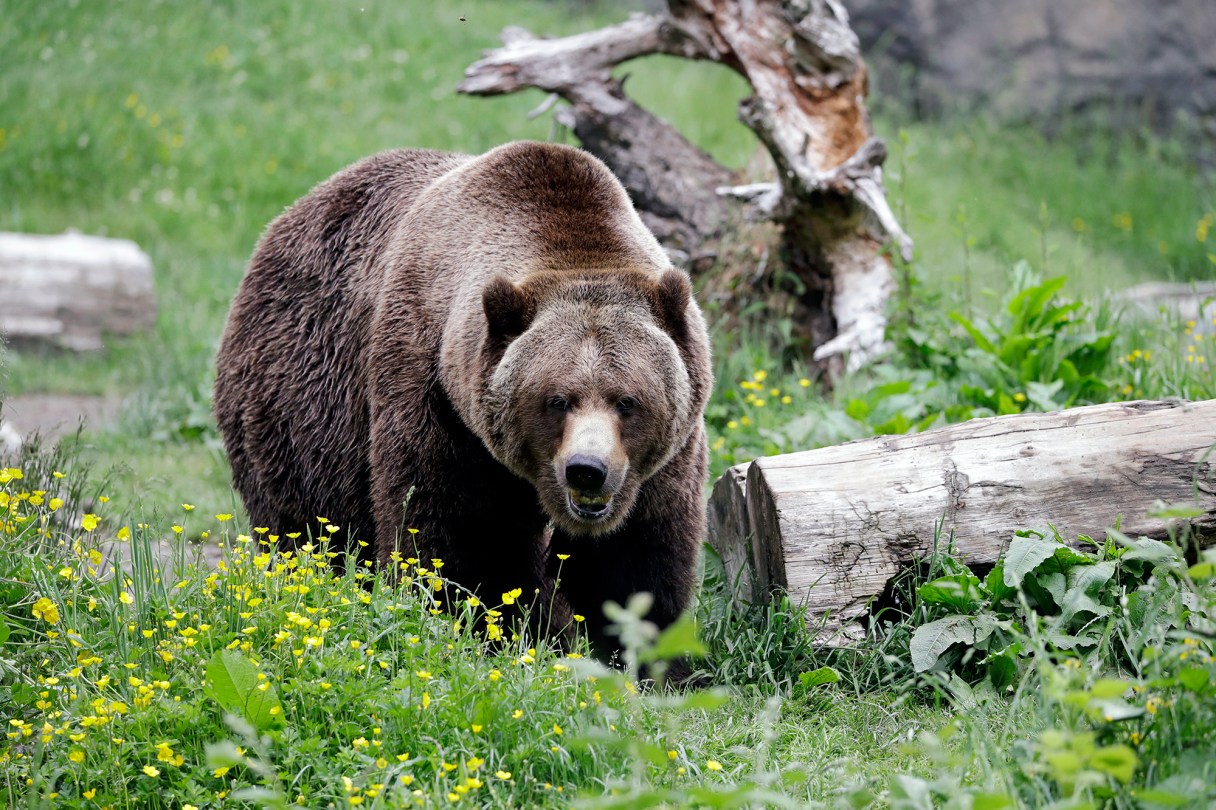
We could have had even more reported bear attacks in the lower 48 states in the past few years. The grizzly bear has definitely expanded its range out of the Greater Yellowstone Ecosystem, an area to which it was once more or less confined in the United States outside of Alaska. This area covers more than 22 million acres and takes in parts of Wyoming, Montana and Idaho.
Grizzlies are now being seen and encountered in different areas, though, and when they meet with humans, sometimes the result is not good. Hunters, hikers, fishermen and natural resources workers have had various encounters with these bears.
In some areas, elk and deer hunters will tell you that if the local bears hear a shot, they will often quickly move to that area to take advantage of a fresh kill. A few years ago, a hunting guide was killed when attacked by a grizzly as they were field-dressing an elk they had shot. The grizzly is still on the endangered species list, which prevents state wildlife agencies from managing the bears and establishing a hunting season that many believe is long overdue.
The much more common black bear has also risen in the number of reported attacks on humans. Why is this? Not sure anyone really knows, but we now have a lot of black bears, especially in the eastern United States.
More bears means more chances of human interaction; sometimes it is just a video on the local news, sometimes it is a lot more serious. As furry and cute as a black bear may seem, you have to remember that they are predators. Predators do what predators do, and that is to eat other animals (sometimes that includes us).
We can’t discuss all this without noting there was recently a fatal attack by a mountain lion in Colorado. Again, addressing that “rare” subject again, I don’t know how rare these attacks are, there was a reported lion attack in California in 2024, and there have been 130 mountain lion attacks in North America in the past 100 years, 28 of which were fatal.
Is that rare? I don’t think so.
One side of all this furry critter and human interaction topic is there is a growing number of people who will at every turn in the road take the side of the animal. “We are invading their territory” and “The mountain lion (or bear) was just doing what they do” is often heard when these attacks occur. All of this is well documented on the Book of Faces and other internet places.
No matter how much death and carnage a bear or big cat may cause, these folks will quickly tell you it was just natural for the animal, and the offending cat or bear should not be dispatched for attacking a human. It is an “animals before humans” philosophy that seems to turn up in a lot on internet discussions. These same people seem to be the ones who don’t want you to carry a firearm for your protection in bear and lion country.
It is interesting to me that hunters will often note in areas where these animals are hunted, attacks on humans are more rare. Also, hound hunters will tell you that areas where hunting bears and mountain lions with dogs is allowed certainly have a much lower incidence of attacks on humans.
In other words, where hunting is allowed, these animals will have a much greater fear of humans. In Colorado and California, hunting mountain lions is prohibited, and of course there is no season yet for grizzly bears where they roam in Idaho, Montana and Wyoming.
You can do what you want, but if you frequent areas with bears and/or lions, I would be packing something in the .44 Magnum realm (or larger).
“Guns & Cornbread” is written by Larry Case, who lives in Fayette County, W.Va. You can write to him at larryocase3@gmail.com.