

I hope I don’t lose too many of you this morning during your coffee and Cheerios, but it is time for another serious chat.
More than a few times in this space, I have told you that everything in the hunting, fishing, shooting and outdoors world is not always sunshine, flowers and rose-tinted glasses. So get that warmup on your cup of java and maybe do a fillup on the cereal bowl as well. (You put sugar on your Cheerios?)
Earlier this month, an American hunter in South Africa was killed by a Cape buffalo. Now that in itself is not overly rare — it happens.
The Cape buffalo is one of the Big Five, that is, the famed five most sought-after species of big game in Africa. The others are the African lion, the African elephant, the leopard and the rhinoceros. All of these animals are actively hunted in several countries on the continent except for the rhino, which I am told can still be taken in Namibia and South Africa, although under very strict quotas and guidelines of those countries’ game departments.
The trophy fees to take a rhino legally are extremely high and can get into the $100,000 range. All of this money goes to promote conservation and game management. More on this later.
(READ MORE: Old principles of conservation in a brave new world)
I am sure the hunter who was the victim of the Cape buffalo attack knew of the inherent dangers of this hunt, but this makes the incident no less tragic. The reports say he was a husband and father, as well as a lifelong outdoorsman and conservationist. He was hunting under strict rules and regulations and paying a lot of money to do it, money that was going into programs to benefit the land, the animals and the people of the country he was visiting.
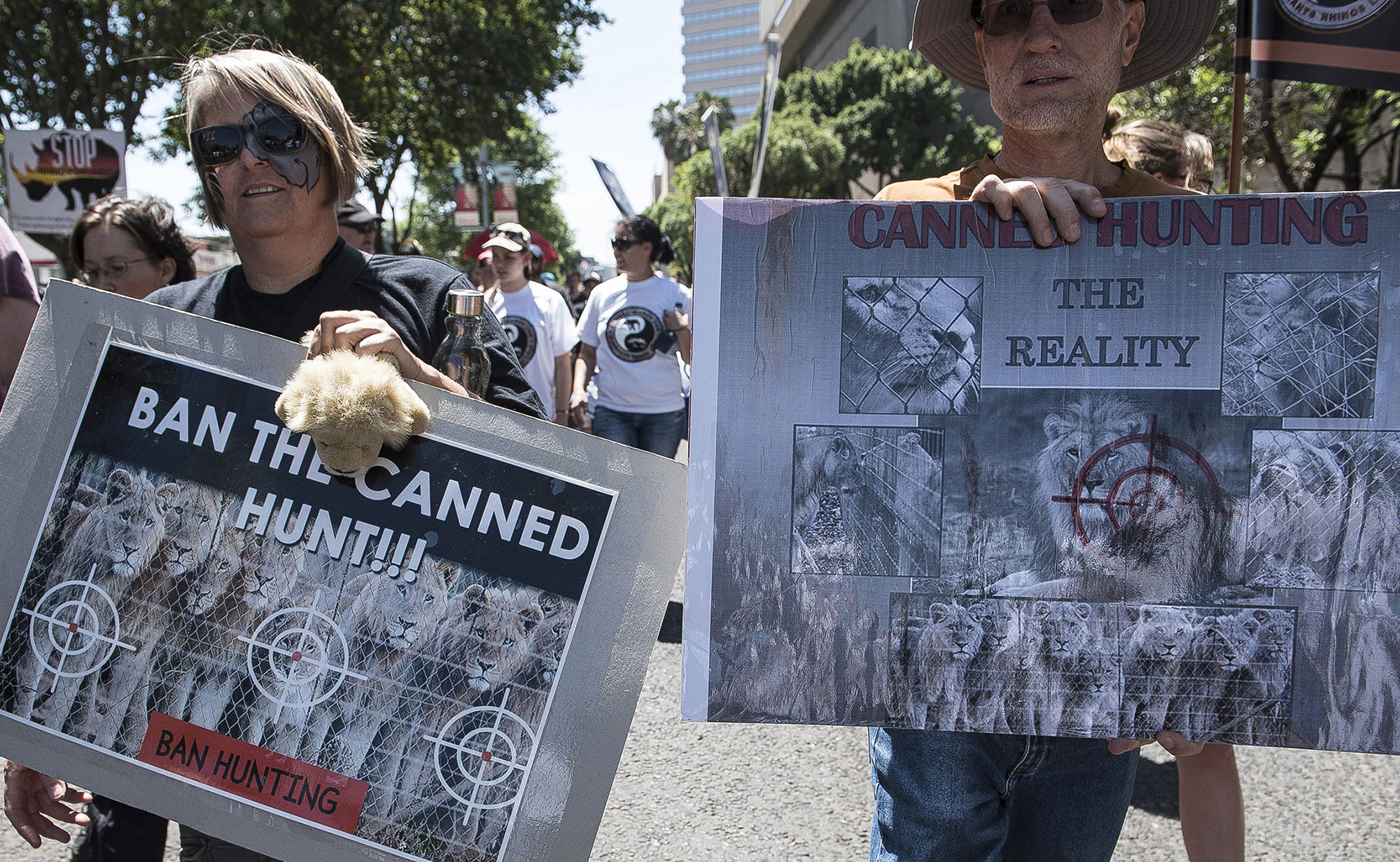
My gripe here is with all of the so-called conservation-minded people out there who cheered — that’s right, cheered — after the death of this man. Under the guise of being “conservationists,” these people, in the wonderful world of social media and the internet (which allows you to be very brave because you never have to face anyone) cheered the death of a man who did more for the animals he hunted and conservation than they ever will.
How so you say? Well, in case you didn’t know, it’s like this.
Legal hunting is a very important tool for wildlife conservation. In the United States, hunters pay more than 1.6 billion (that’s billion, with a “B”) a year for license fees to hunt. This money goes to fund conservation programs and practices to benefit the habitat and ALL wildlife in the area, not just the animals we hunt.
That’s right, all the animals we don’t hunt — the birds, the chipmunks, the frogs, newts, lizards and all of the other little critters — also benefit from everything that hunter dollars do for the environment.
What does the rabid anti-hunting crowd contribute to all this? Nothing that I know of.
(READ MORE: The day hunting died)
In Africa, we are told that much of the trophy fee for highly regulated animals goes to local communities to benefit the people there. This money builds schools, water systems and clinics, which gives the local people a desire to protect the wildlife and not to engage in illegal hunting.
Please don’t confuse legal hunting with illegal hunting, that is, poaching. It is estimated that the illegal poaching trade is a $20 billion a year blight on the wildlife of the world. The U.S. government alone reportedly pours as much as $116 million a year into anti-poaching programs (most of which comes from hunter-funded programs).
Poachers in Africa don’t care about how they take the wildlife and will employ any method they can to kill animals: wire snares, poison and automatic weapons are all used. What does the anti-hunting crowd do about all this?
My heart goes out to the family of the hunter killed in Africa. We are divided enough in this country on other issues, folks; we don’t have to be about conservation.
Maybe those who profess to be so against legal hunting can take the time to reflect on this tragedy and where they really are on conservation and sustaining animal populations, which hunter-funded programs pay for like no other group.
“Guns & Cornbread” is written by Larry Case, who lives in Fayette County, W.Va. You can write to him at larryocase3@gmail.com.