
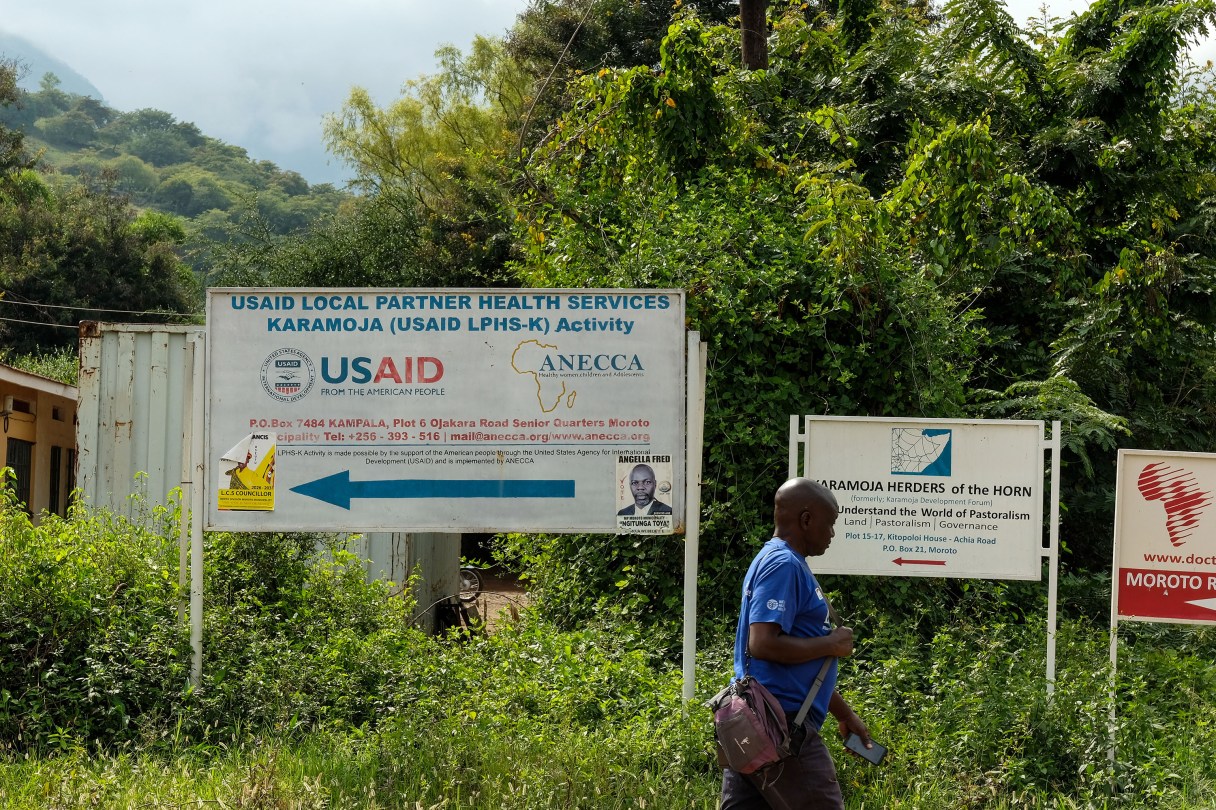
The White House announced last January that waging war on the “foreign aid industry and bureaucracy” would be among its first orders of business. Unfortunately, many other rich-country governments are following its lead. If current and planned cuts to foreign aid stand, the cost could be millions — repeat, millions — of lives lost.
No question, the U.S. and others need to change the way they administer aid. Too many programs have failed: Bureaucracies proliferate, spending is badly allocated, money is wasted. But recent cuts are failing to discriminate between good and bad projects and aren’t even trying to improve efficiency. Many of them threaten critical health interventions in the poorest countries, programs proven to save lives at relatively little cost. Aid should be streamlined and repurposed, not blindly cut.
Aid to promote economic growth has had mixed results. There’s no sure formula, but lessons have been learned and governments should put them into practice. Simpler administration, clearer accountability, fewer intermediaries, and a shift from top-down to bottom-up design would all help. A stronger focus on poverty relief and cash transfers would likely achieve better results than heavily bureaucratized approaches.
But health interventions are different. They’re aimed at saving lives — and they work. Aid in suppressing HIV, tuberculosis and malaria is estimated to cost between $2,000 and $5,000 per life saved. Set against other public programs, those costs are modest — and the benefits enormous. Cuts in aid for health and emergency relief will likely fall disproportionately on the poorest people in the poorest countries — whose governments may be unable to direct their own meager resources toward such programs.
Just how steeply U.S. aid spending fell in 2025 is hard to say — proving that weak management and opaque accounting are legitimate concerns. The administration’s most recent budget request proposed to reduce funding for health programs from $—0 billion in 2025 to $4 billion, including a 50% cut in spending to fight HIV/AIDS. But its initial list of canceled awards was repeatedly revised, and Congress subsequently moved to soften the blow to health programs.