We can all appreciate the difficulty of finding a new site for the Moccasin Bend Mental Health Institute. It was, however, very distressing to read in the Times Free Press that “after evaluating over 100 sites, no option in Hamilton County has met the criteria to provide for a new state-of-the-art mental health facility.”
One of the conclusions was: “If Knoxville has a site and community support, then that’s just where the facility may go.”
(IN THE NEWS: State still seeking relocation site for Moccasin Bend mental health facility)
There has never been a time when access to contemporary mental health facilities is more critical.
The leadership of our state, county and city and the community need to consider the significant impact of losing this desperately needed service to Knoxville, where they will have the same issues of finding a location and community support, but may be more passionate about building a state-of-the-art facility to serve their population.
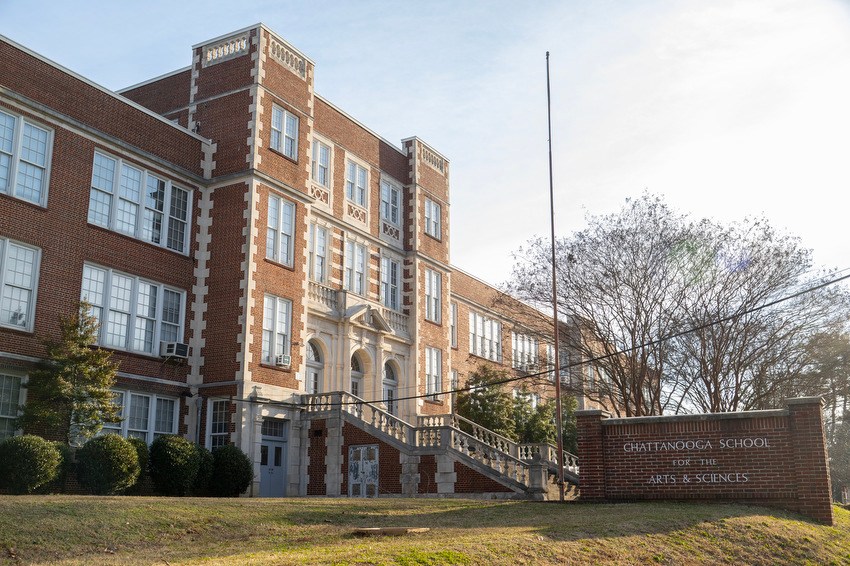
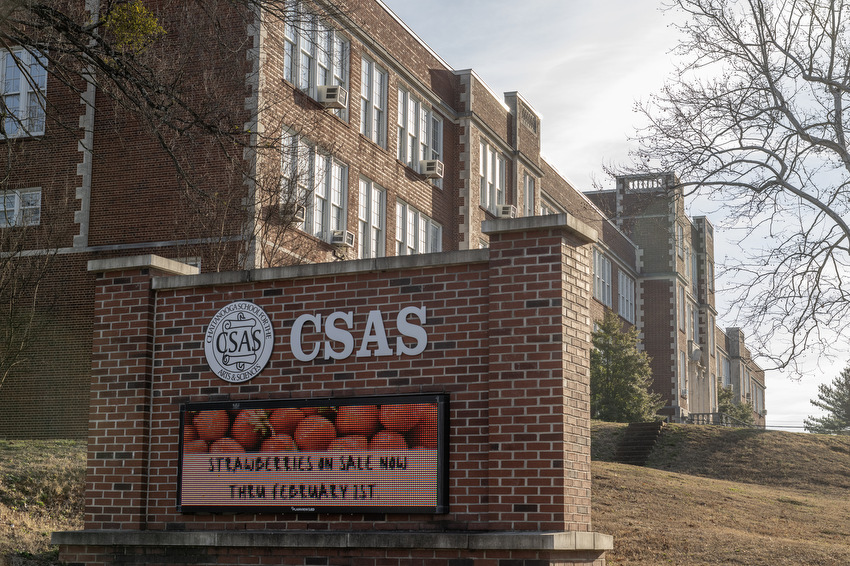
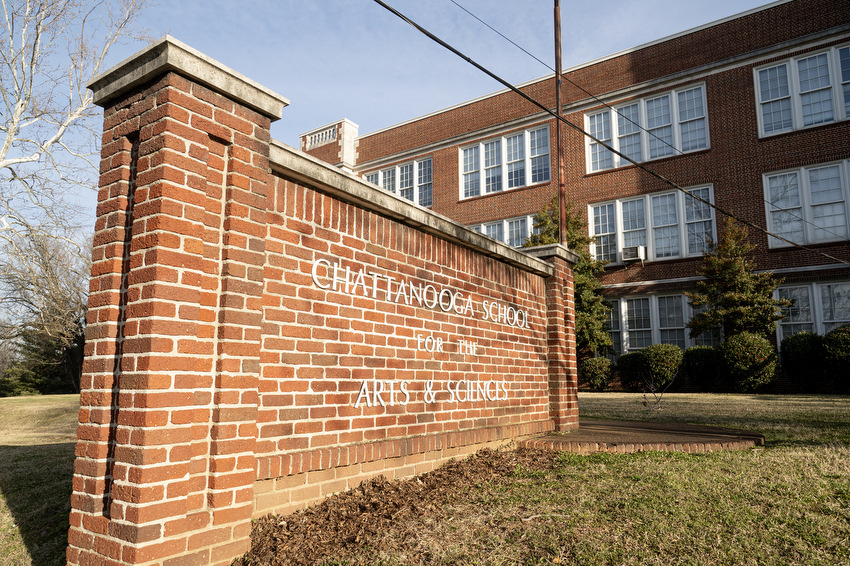
A possible new site option? The 10-plus-acre Chattanooga School for the Arts and Sciences campus on Third Street.
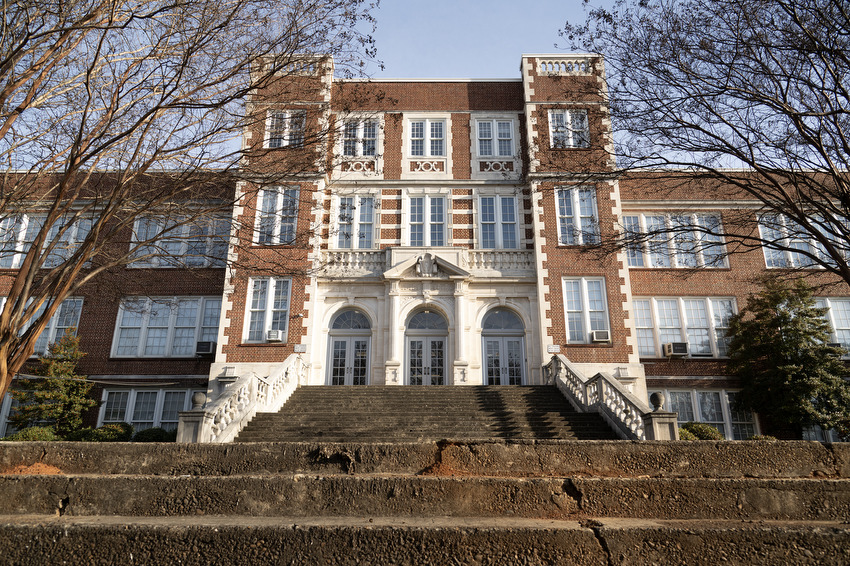
What if the state could acquire the CSAS site from the county, in exchange for assisting in the creation of a new Chattanooga School for the Arts and Sciences? The CSAS building, 108,900 square feet, was built in 1921 and is no longer suitable for a contemporary school. It will need to be replaced, regardless of the reuse of the site.
Given the importance of preserving the historic architecture of the school, major components of the existing building could be renovated for the new county health department and the administrative functions of the new behavioral health institute.
Could CSAS site house a relocated mental health institute?

All outpatient and inpatient care could be provided in a new five-story building on the athletic field portion of the site. Three levels of parking could be provided below.
The ambulance/EMS entrance could be a secure sally port opposite the Erlanger emergency department. The patient rooms would all have beautiful views of the city, the river, trees and downtown, with secure activity and healing gardens on the roof.
The adjacent properties are compatible with the new institute and include an electric substation, Siskin Hospital, the county health department, Erlanger’s ER, the new UTC nursing school, a children’s hospital and three cemeteries.
A vertical hospital could have limited secure and monitored entrances. A multi-level building not only minimizes land and site costs but has the advantages of substantially less foundation, basement and roof costs.
The state could celebrate that the cost of the new site will not only create the behavioral health institute, but also a new school and health facilities, all while preserving this beautiful, historic building.
Erlanger’s campus includes a state-of-the-art cogeneration plant. This may have the capacity to provide uninterruptible, low-cost energy to the new facility, possibly eliminating the need for its own power plant.
This new site option provides direct access to all the necessary diagnostic, emergency and other medical services. It would minimize the stigma of psychiatric care by recognizing that behavioral health is just another element of medical care, similar to cancer centers, heart centers and stroke centers.
The patients, families and staff would appreciate the location, one mile from the center of the city, with easy access to public transit and secure parking.
Bruce Komiske, MHA, FACHE, of Chattanooga, has spent his career leading teams to plan, design, and build hospitals around the U.S. and the world, including the Erlanger East expansion, the Kennedy Outpatient Center, a future master plan for the Erlanger campus. He has no employment or economic relationship with Erlanger or this project.