
Freight media executive and entrepreneur Craig Fuller and his father, Max Fuller, have purchased the Chattanooga Times Free Press from Arkansas-based WEHCO Media Inc. in a deal announced to newspaper staff on Thursday morning.
The sale, effective Friday, marks a new chapter in the history of a newspaper that dates back nearly 157 years and was published for more than a century by the family that publishes The New York Times. The Fullers have become the fourth major family to own and publish the newspaper across three centuries, following the Ochs, McDonald and Hussman families.
Craig Fuller, a third-generation member of a Chattanooga trucking dynasty, has built his own media empire in the world of freight and supply chains. He is founder and CEO of supply chain media company FreightWaves and freight analytics platform firm Sonar, both based in Chattanooga.
WEHCO sells Chattanooga Times Free Press to Craig and Max Fuller
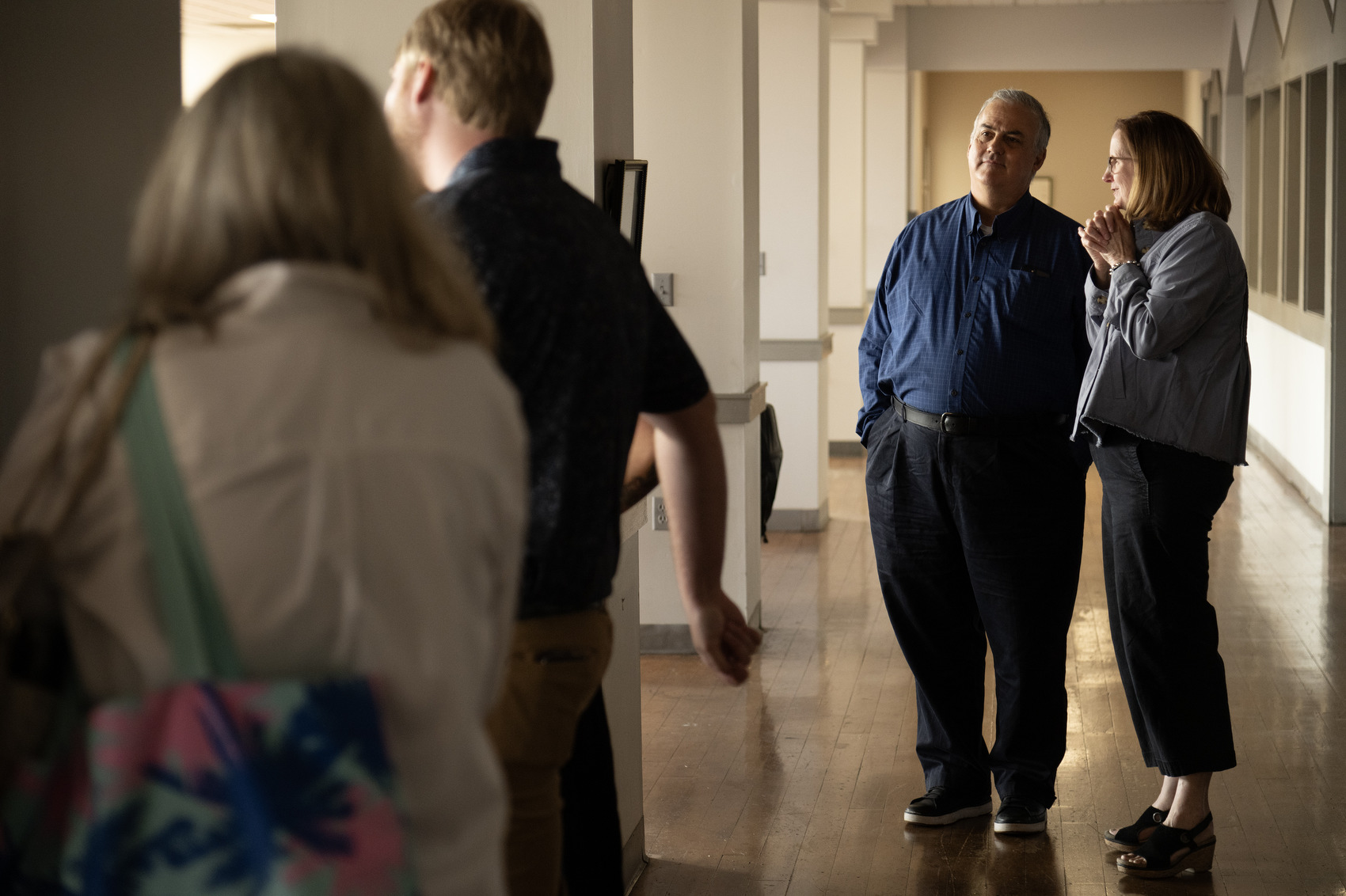

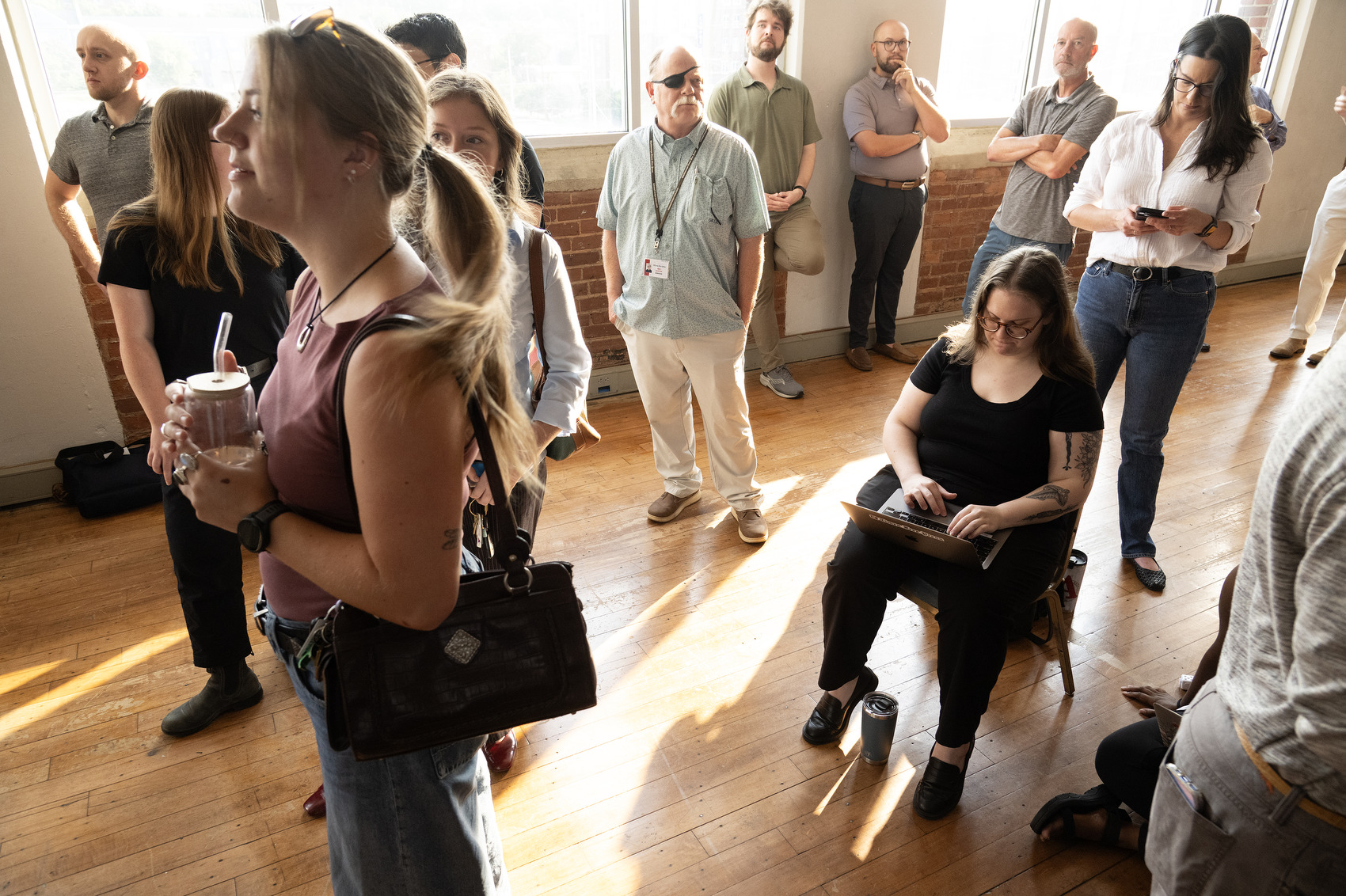
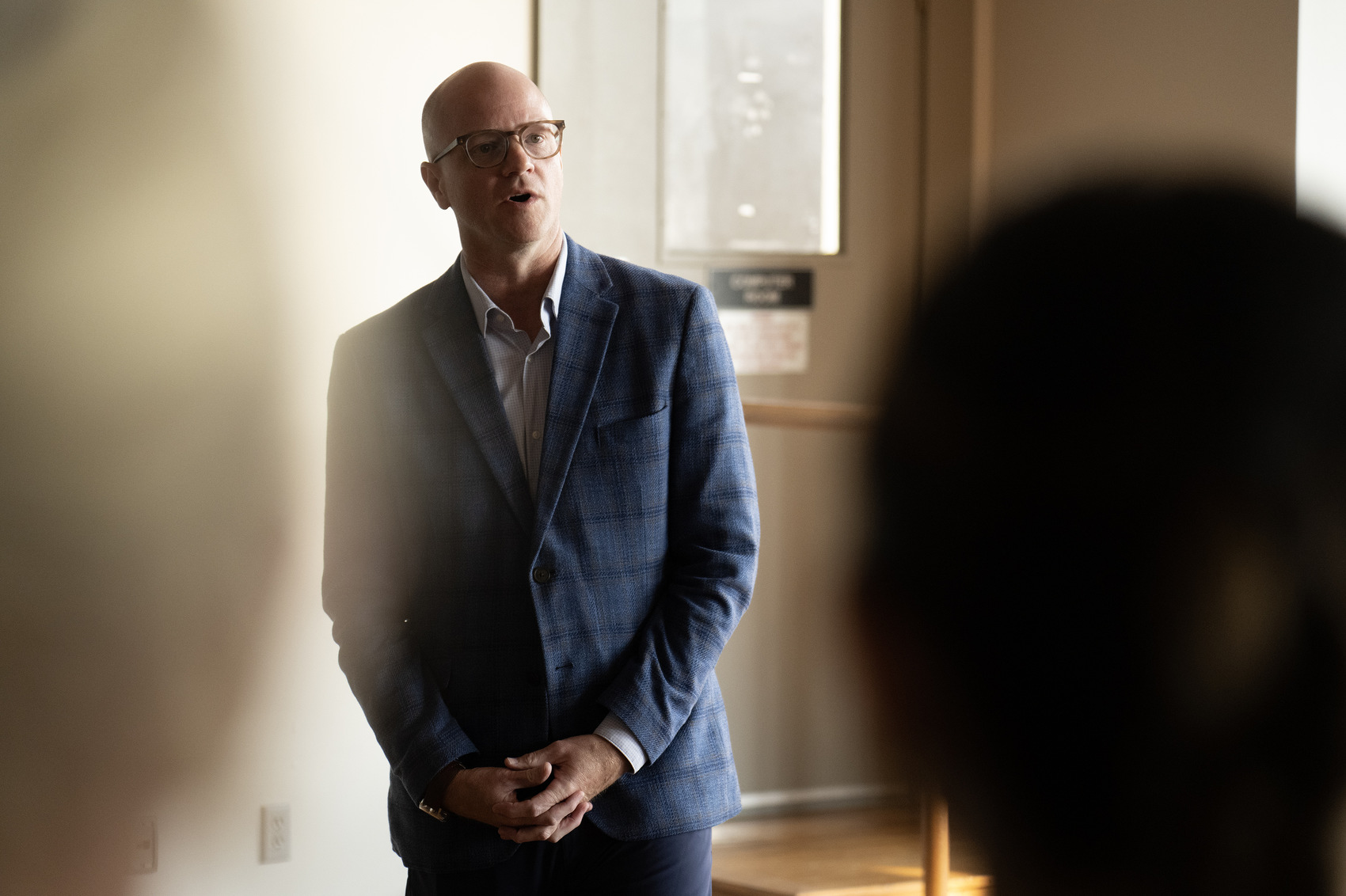
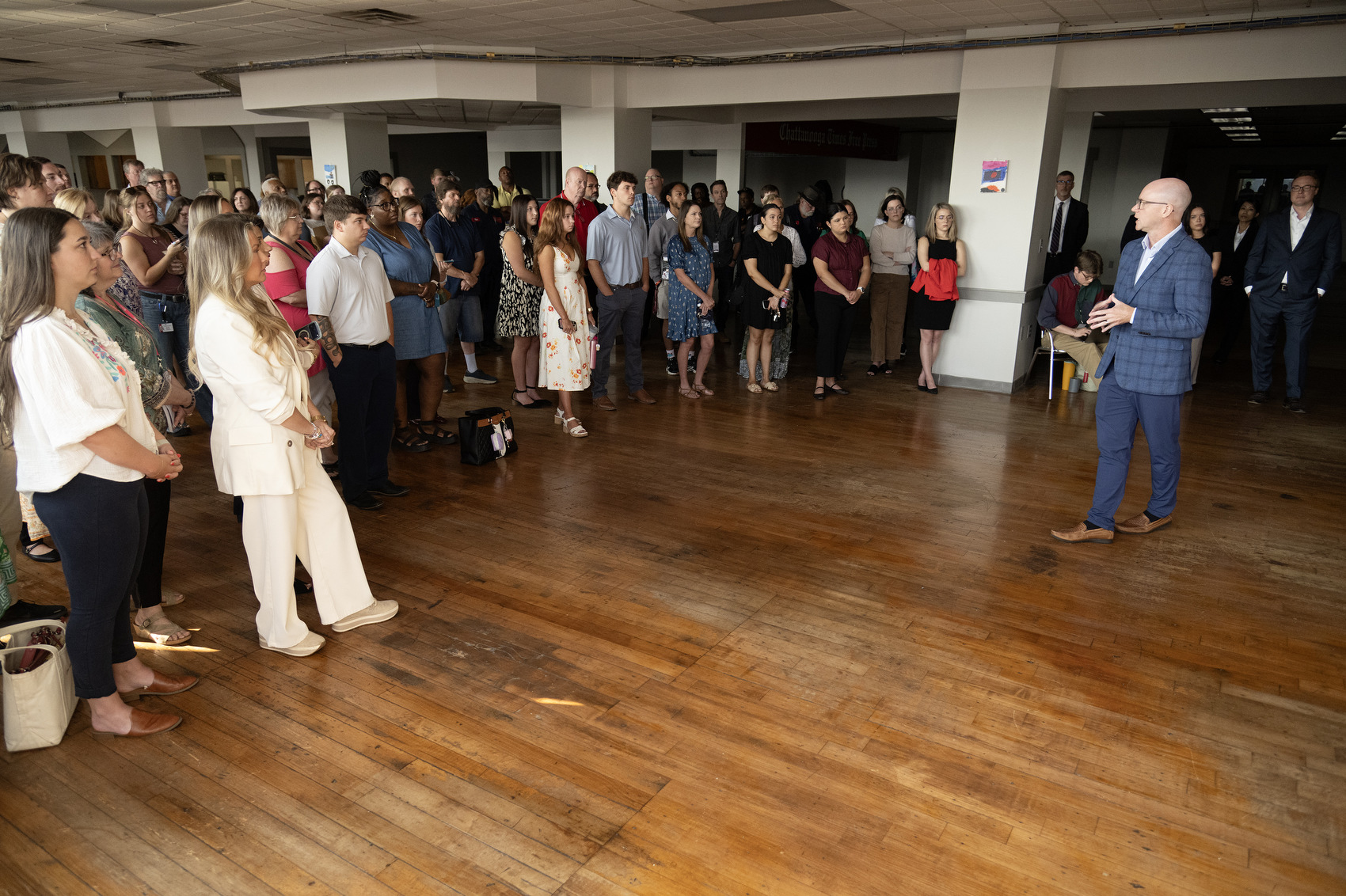

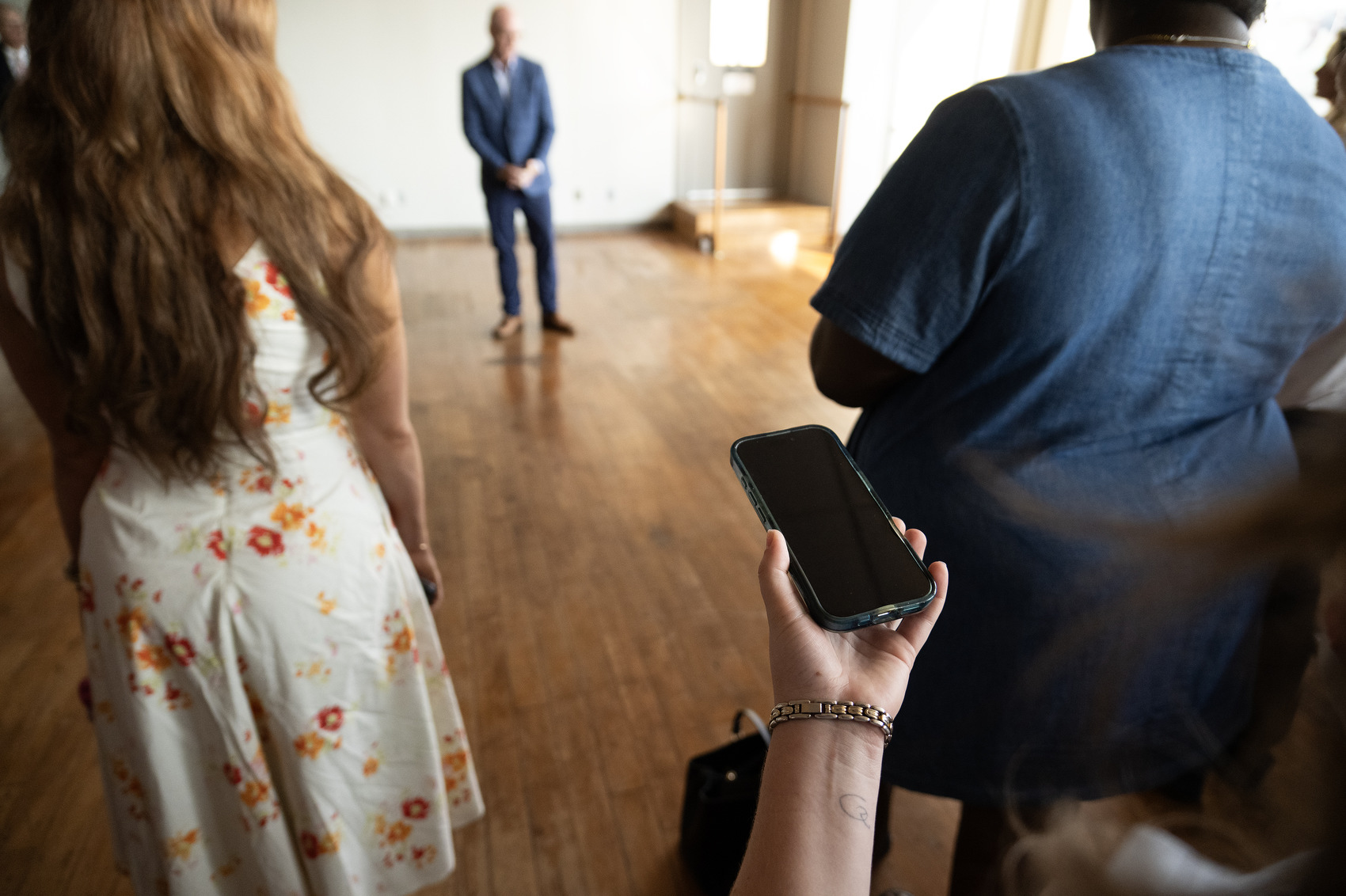
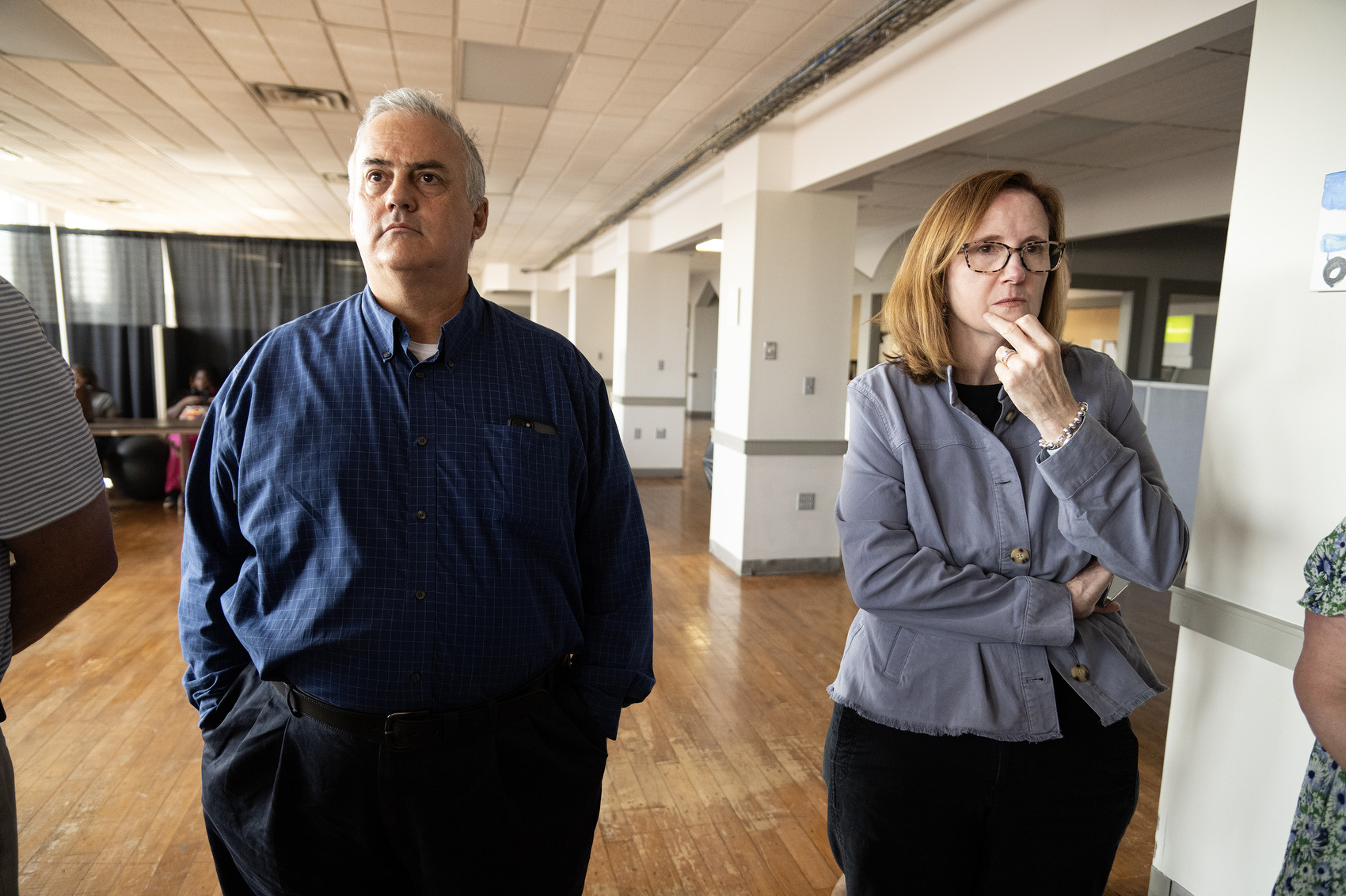
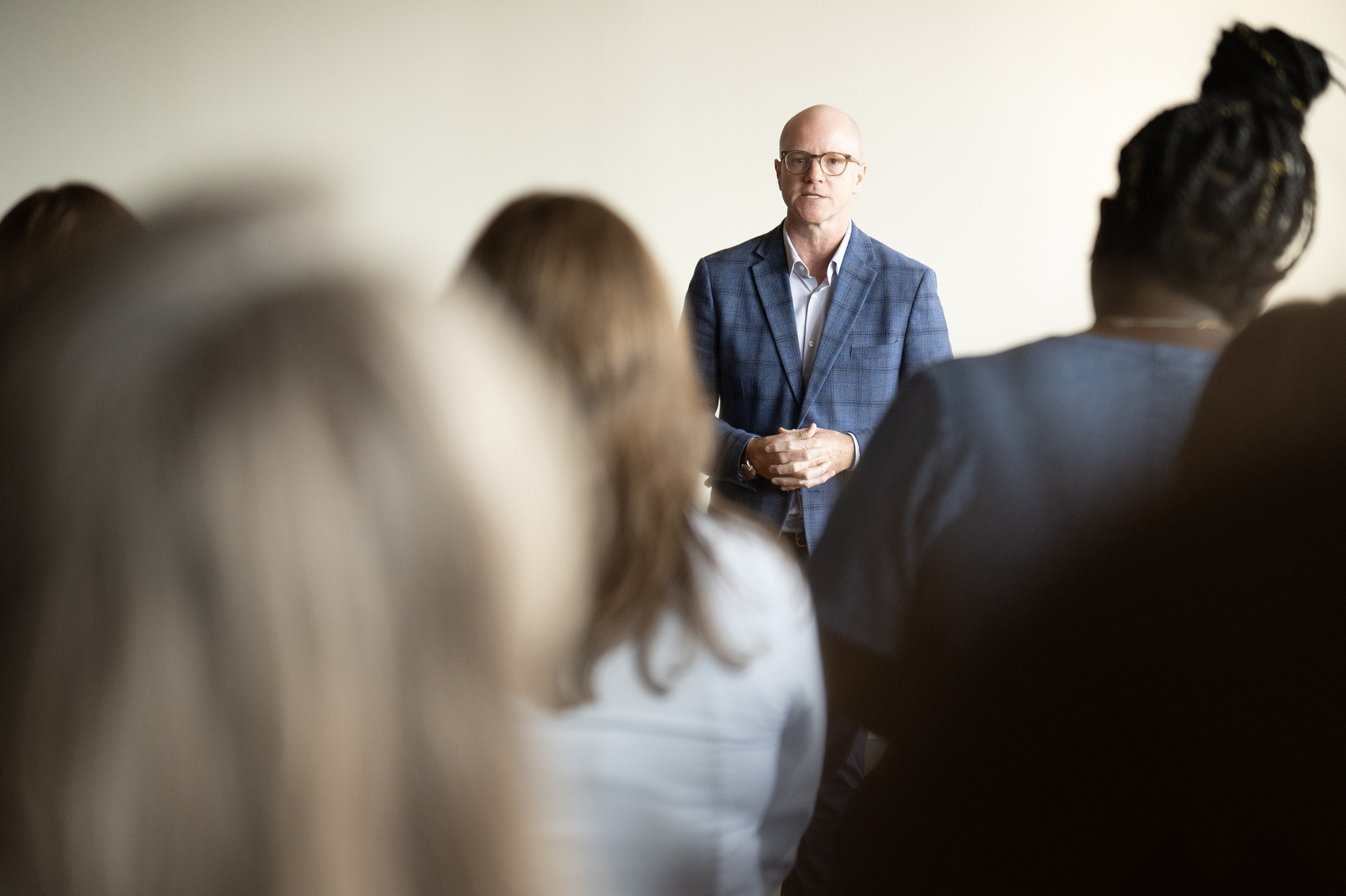

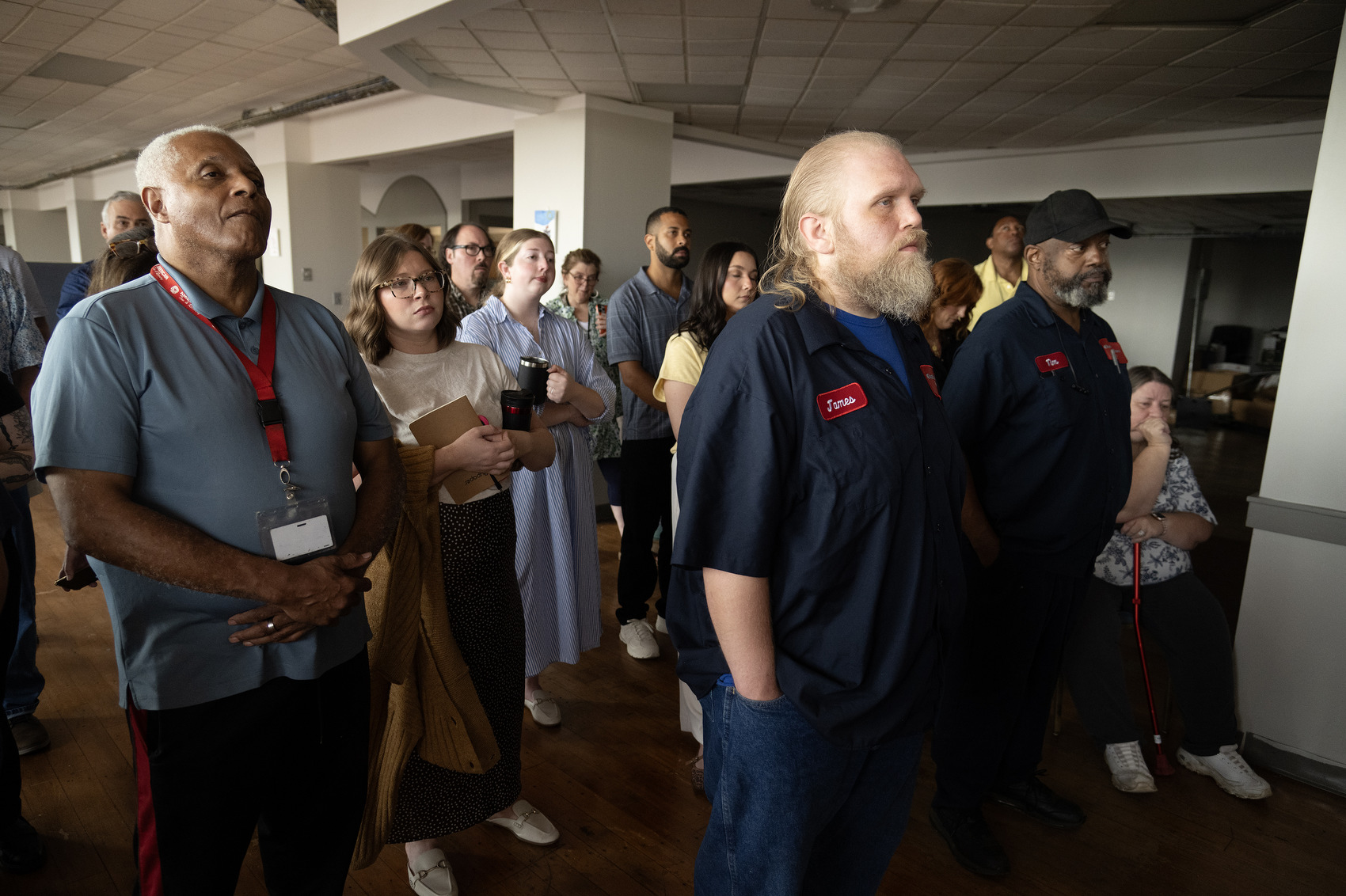
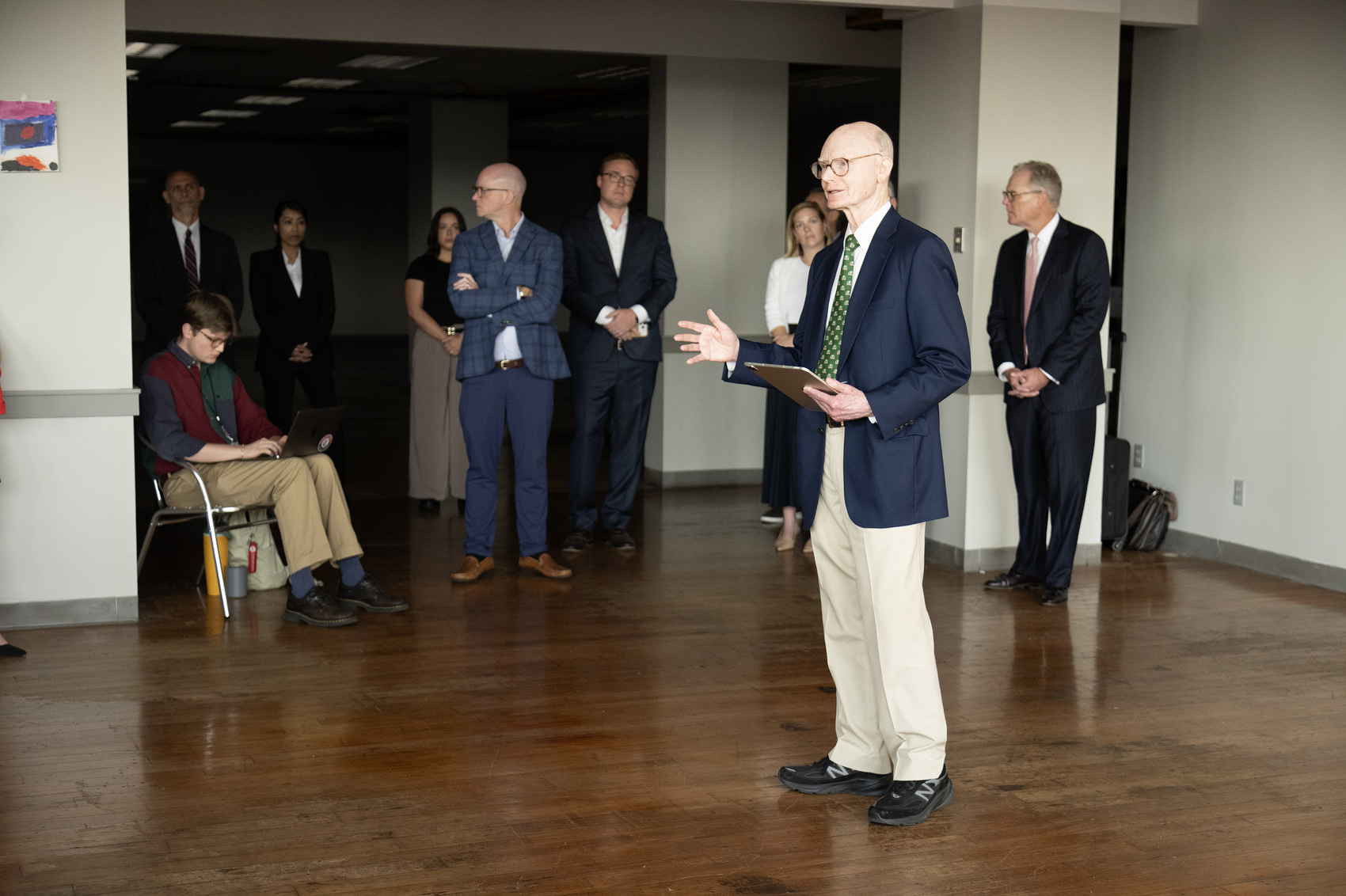
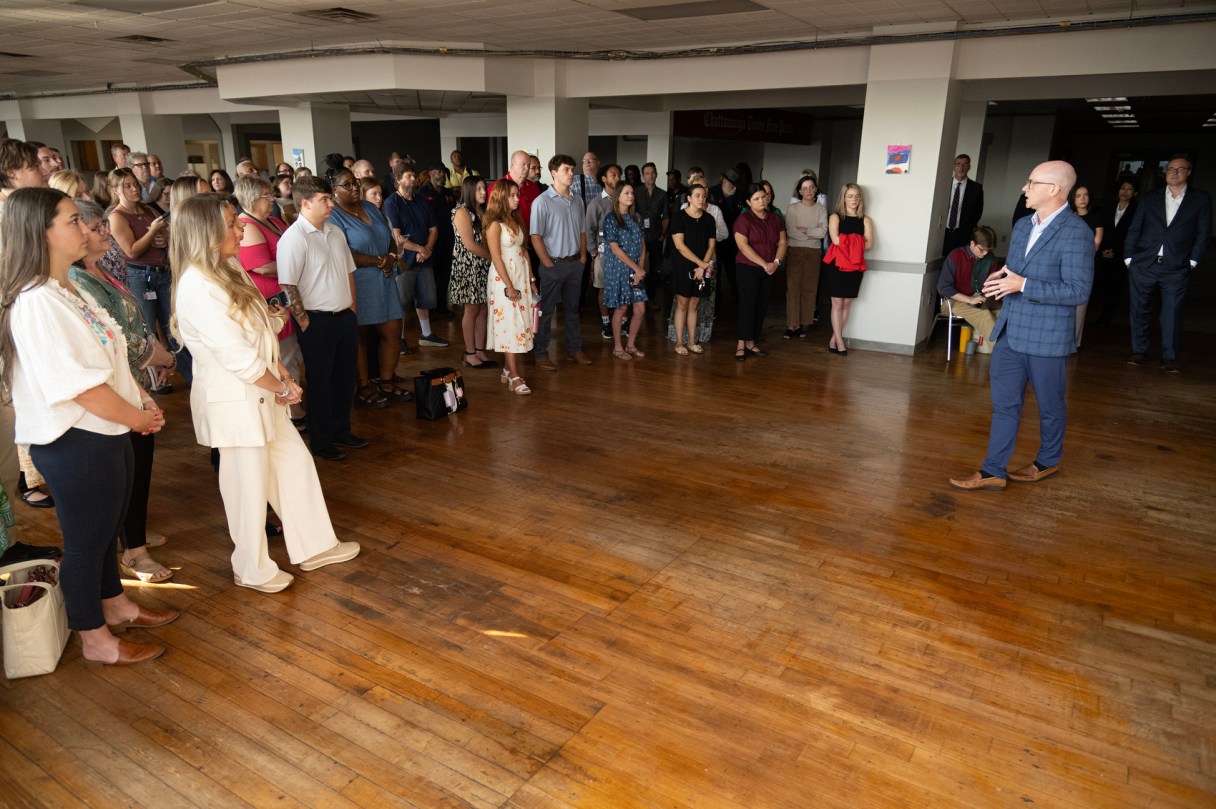
In a speech to staff at the newspaper’s office, Fuller said the newspaper would remain independent and keep its unique dual conservative and liberal editorial stances. The paper will transition its office to a space adjacent to the FreightWaves headquarters on Market Street after a renovation, Fuller said.
Fuller, who was born and raised in Chattanooga, called the Times Free Press the only institution that can give Chattanooga its identity. Chattanooga’s only daily newspaper has a circulation of around 12,000 readers, between various print and digital subscriptions.
“I assure you that we know how to keep the independence of the newsroom,” Fuller said. “I have opinions, but my journalists have different opinions about the country.”
(READ MORE: How the Chattanooga Times Free Press was built to last)
The Times Free Press will maintain a print product that is “reimagined” for a digital native audience, Fuller said, though he said details were still being finalized. The paper will “double down” on advertising, Fuller said.
Fuller addressed the staff along with executives from the previous ownership. They indicated the building is not part of the deal, but that the newspaper will print on site for 90 days. Fuller said to expect business as usual for now, including an edition publishing Friday.
Fuller has acquired 50 magazine brands for affluent hobbyists under his company Firecrown Media, including Flying Magazine and Boating Magazine. The company has achieved profitability with each magazine acquisition, Fuller said, and he plans to do the same with the Times Free Press, which officials said has incurred financial losses for years.
At a press conference at the Read House hotel following the staff meeting, Fuller said he could not discuss the sale price he and his father paid for the paper. The deal was set to close at 11:59 p.m. on Thursday.
There will be reductions in staff, though the newsroom and editorial staff will see the smallest reductions, he said.
“We run fast. It’s one of the reasons we’re successful,” Fuller said. “That speed is probably going to feel very uncomfortable, maybe a little chaotic, maybe very chaotic. But when we have gotten through that process, we will have a healthy, vibrant editorial product.”
The paper will maintain its digital paywall, though it may split up subscriptions for different audiences such as sports and business, Fuller said.
“The idea that the paywall is coming down is dumb, because that’s the predominance of your revenue stream,” Fuller said.
At the press conference Thursday morning, Fuller said his goal is to make the pricing for subscriptions more “approachable” to get more people reading content. The paper’s subscription price is among the most expensive in the country at $39 a month.
He argued the model for making the Times Free Press profitable was similar to how he made Firecrown’s magazines and FreightWaves profitable.
“You have to align the economics, and then you have to drive content the audience cares about and will engage with,” Fuller said. “One of the fallacies that I’ve identified in a lot of these businesses is they don’t understand their audiences very well.”
Fuller described himself as an enthusiast for artificial intelligence tools, which he said his companies have used to become more productive and efficient. Ultimately, he said human journalists will be responsible for the content.
“You’re still responsible for the words that come out,” Fuller told staff. “Contrary to some of the noise, we don’t replace journalists with AI.”
Walter E. Hussman Jr., the chair of WEHCO Media and the longtime former publisher of the Times Free Press, said it was a bittersweet day for his family, which has owned and operated the Chattanooga paper for more than 25 years. He said there was another bidder for the newspaper, but it was a private equity group, and he believed there would be deeper cuts under that scenario.
The Times Press was formed by the 1999 merger of the Chattanooga Times, founded in 1869, and the Chattanooga Free Press, founded in 1933. The merger occurred under the ownership of Hussman, who served as publisher of the paper until 2022.
FINANCIAL HEADWINDS
Hussman told staff a story about the Chattanooga paper moving from profitable to losing money as advertisers fled in an increasingly online world driven by social media and personal technology.
The paper’s revenues have declined 80% since WEHCO Media purchased it, Hussman said. The company lost money partly because it did not cut staff.
“We’ve remained in the newspaper industry while most other family newspaper companies have sold their papers,” Hussman said. “We could not continue to shoulder the losses we were incurring here in Chattanooga.”
The company explored transitioning to a nonprofit model but said few daily newspapers have been able to raise enough money through philanthropy to maintain their operations.
People aren’t used to donating to papers, but will need to get used to it if they want to continue having local news, Hussman said. WEHCO Media received a lukewarm reception in Chattanooga to its proposed nonprofit model, Hussman said. The company’s next highest priority was finding a local buyer.
“We believe local owners are the best hope for having a responsible and quality newspaper or news organization in a community,” Hussman said. “We’re proud of what you all have done. You all have created a really great newspaper here for Chattanooga.”
Fuller will serve as CEO of the company, while Ellis Smith, a former reporter at the Times Free Press who worked in the administration of Chattanooga Mayor Tim Kelly, will serve as president over day-to-day operations.
Smith was a reporter and digital editor for the Times Free Press from 2010 to 2017 before leaving for a brief stint as editor of the Hawk Eye, a newspaper in Burlington, Iowa. Ellis won multiple awards in his time at the Times Free Press, including for multimedia contributions to “The Poverty Puzzle,” a project that was a 2017 finalist for the Pulitzer Prize in explanatory reporting.
He returned to Chattanooga as general manager of media for FreightWaves, Fuller’s company, before working on Kelly’s mayoral campaign. Smith then served as director of special projects and director of intergovernmental and external affairs for the city government.
At the press conference Thursday morning, Smith said a main focus of the new leadership will be increasing the audience of the paper. People in the community often don’t know important news unless a friend or relative happened to see it in the Times Free Press, he said.
“We’ve got to change that. That must change,” Smith said. “It’s not just for the business, certainly, but also, our Founding Fathers wrote to one another talking about how essential it is for democracy to function that you have an informed populace, and that’s something that we take very seriously.”
Smith will oversee the editorial side of the paper, he said in a text. Alison Gerber, editor and director of content, informed the newsroom shortly after the announcement that she had been let go.
Changes in ownership for newspapers have become commonplace as the industry faces ongoing financial challenges from the migration of advertising to the internet and the rise of social media. Nearly 250 newspapers changed owners across more than 100 transactions in one year spanning 2024 and 2025, according to a report from the Local News Initiative at Northwestern University.
WEHCO Media responded to financial pressures by transitioning print subscribers to a mostly digital format through Apple iPads in 2021 and ceasing print deliveries except on Sundays in 2022. The company aimed to save money by cutting print and delivery expenses rather than cutting news staff or the size of the paper.
Earlier this year, the Times Free Press stopped printing a physical paper Monday through Saturday, printing only the Sunday edition.
The news of the sale to Fuller was leaked in a report based on anonymous sources and published by Chattanoogan.com on Saturday, leading to days of rumor and speculation. Fuller said the only investors in the sale are himself and his father, the cofounder of trucking company U.S. Xpress. He said many claims in the leaked story were incorrect but he was unable to respond to them publicly.
PAPER’S HISTORY
The paper’s history goes back to 1869 with the first publication of the Chattanooga Daily Times. A 20-year-old named Adolph S. Ochs borrowed money to purchase half ownership in the struggling paper in 1878. Ochs assumed full ownership two years later.
Ochs left management of the Chattanooga Times to his brother-in-law in 1896 when he purchased The New York Times, turning the struggling paper into a global media leader. Ochs made a pledge at the time he purchased The New York Times “to give the news impartially, without fear or favor.” The phrase continues to be printed on the front page of the Times Free Press editions on Sundays and in a digital edition every day.
The Free Press was founded by Roy McDonald in 1933 as a free weekly tabloid and became a daily evening newspaper for 5 cents three years later. The change put the paper in direct competition with an evening competitor, the Chattanooga News. McDonald bought the Chattanooga News from George Fort Milton in 1939, creating the Chattanooga News-Free Press.
The News-Free Press surpassed the Times in circulation in 1941. The papers combined business and production operations one year later but maintained separate news and editorial staff. The papers shared offices on 10th Street. In the 1950s, the News-Free Press took on a conservative editorial perspective as it diverged from the more liberal Times on the Civil Rights Movement.
After 24 years, McDonald ended the joint agreement and moved the News-Free Press to the former Davenport Hosiery Mills building on 11th Street. The paper became the first in the nation to dissolve a joint operating agreement.
The two papers entered into fierce competition for decades, each winning a Pulitzer Prize.
Before his death in 1990, McDonald became a mentor to Hussman, who had become publisher of the Arkansas Democrat. Hussman purchased the Free Press in 1998 and purchased the Times one year later. He merged the two papers, and the first edition of the Chattanooga Times Free Press ran on Jan. 5, 1999.
The paper stood out for its dual opinion pages, with a conservative and liberal side to honor the history of the two newspapers. The Times Free Press has been named the top newspaper in the state by the Tennessee Press Association for the past two years.
Contact business reporter Daniel Dassow at ddassow@timesfreepress.com or 423-757-6318.