
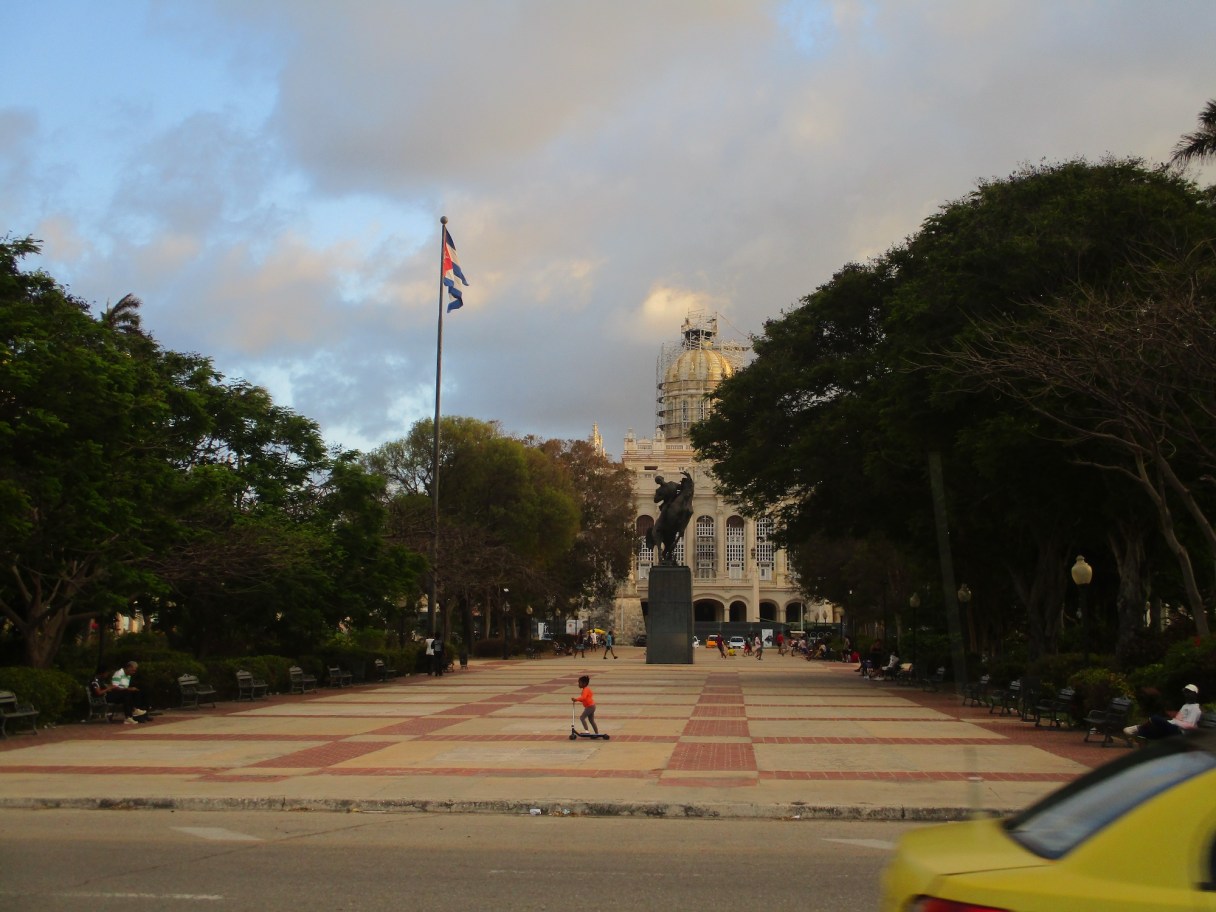
I visited Cuba in March. One of my reasons for visiting was a suspicion that United States citizens were not getting the full picture from our own media coverage. It seems ridiculous, but to be informed, I felt I just had to see it with my own eyes.
I was right: I can never unsee what I witnessed in Cuba. I learned about the island’s lung cancer vaccine and breakthrough treatments for Alzheimer’s and diabetes — all of which are illegal for American citizens to access due to the U.S. blockade on Cuba, which prevents them from sharing these groundbreaking discoveries with the wider world.
I saw free, world-class education programs, from preschool through advanced university training. The nation’s literacy rate is 99%, compared to 79% adult literacy in the United States. Cuba invites students from all over the world to study for free at the Latin American School of Medicine, and over 20,000 Cuban doctors travel to other countries on medical brigades, where they serve people in rural and impoverished areas.
Cuba is a sovereign nation. The people have the right to dictate their own political system, but since the early 1960s, the U.S. has maintained a crippling economic blockade on the island. From the start, the goal of this blockade has been no secret: “to make the greatest inroads in denying money and supplies to Cuba, to decrease monetary and real wages, to bring about hunger, desperation and overthrow of government.” The 1996 Helms-Burton Act explicitly states that the purpose of the blockade is to create regime change. But I notice the overwhelming unpopularity of U.S. policies in our own country, and I wonder: which regime really needs to be changed?
Prior to my trip in March, President Donald Trump released a memo that announced escalated sanctions on countries selling oil to Cuba. Due to this increased aggression, I saw a 20-hour blackout that left the streets pitch dark. Cuba is working tirelessly to diversify its energy grid and gain total energy independence by 2035, but in the meantime, critical services are left without power.