
Tuesday, November 10, 2026Nov 10

Georgia wildlife haven forged by fire and peat nears UNESCO recognition

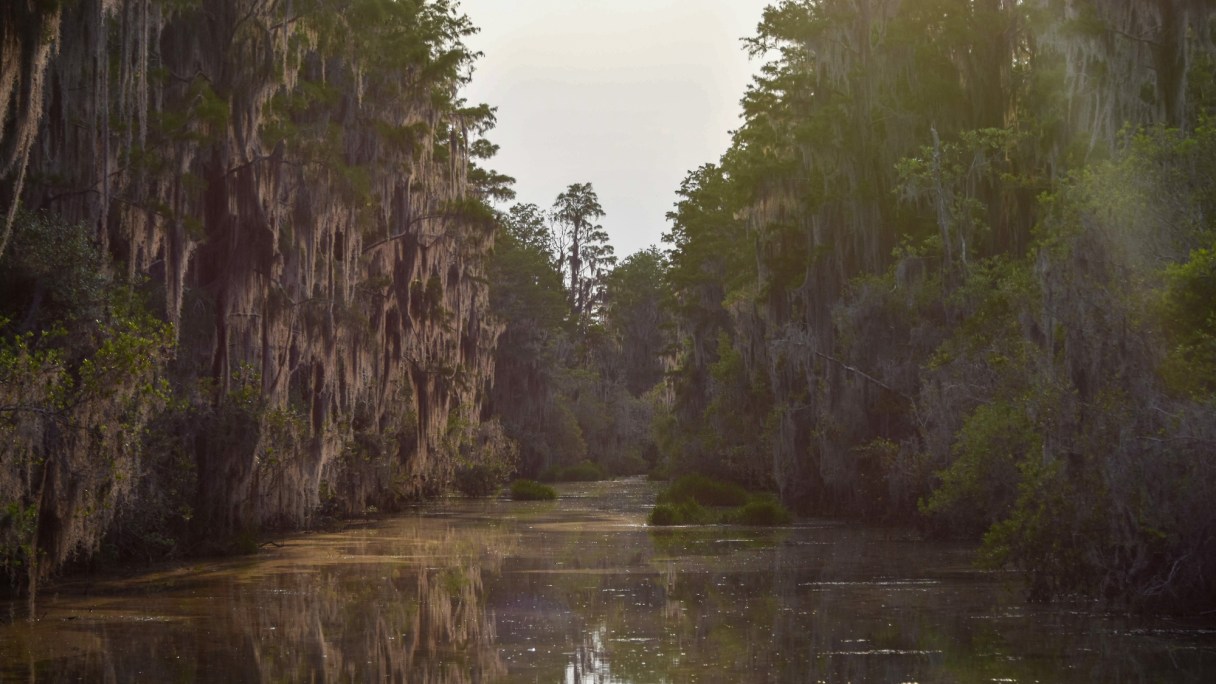
The Okefenokee's blackwater swamp is surrounded by a dense canopy of cypress trees. The swamp is under consideration for UNESCO World Heritage status as scientists and advocates point to its rare peatlands, biodiversity and long history of ecological resilience. (Ryan Krugman/Inside Climate News)
The Okefenokee's blackwater swamp is surrounded by a dense canopy of cypress trees. The swamp is under consideration for UNESCO World Heritage status as scientists and advocates point to its rare peatlands, biodiversity and long history of ecological resilience. (Ryan Krugman/Inside Climate News) The Okefenokee's blackwater swamp is surrounded by a dense canopy of cypress trees. The swamp is under consideration for UNESCO World Heritage status as scientists and advocates point to its rare peatlands, biodiversity and long history of ecological resilience. (Ryan Krugman/Inside Climate News)

This article originally appeared on Inside Climate News, a nonprofit, non-partisan news organization that covers climate, energy and the environment. Sign up for their newsletter.

______

FOLKSTON, Ga. — The world’s smallest heron hops from blade to blade in a patch of tall grass, testing its footing above the dark water as it searches for an evening meal.

“This was already worth the trip out today,” Joshua Howard said from a gray flat-bottomed tour boat just a few yards away. The tiny creatures, called least bitterns, are secretive birds, not easy to spot.

With one quick movement of its neck, which seems to take up most of its body, the tiny heron plunges into the water and comes up with a fish. Howard and his guide continue down the swamp between walls of Spanish moss-adorned cypress trees and alligators, hoping to find more of the birds and wildlife that call the Okefenokee National Wildlife Refuge home.