
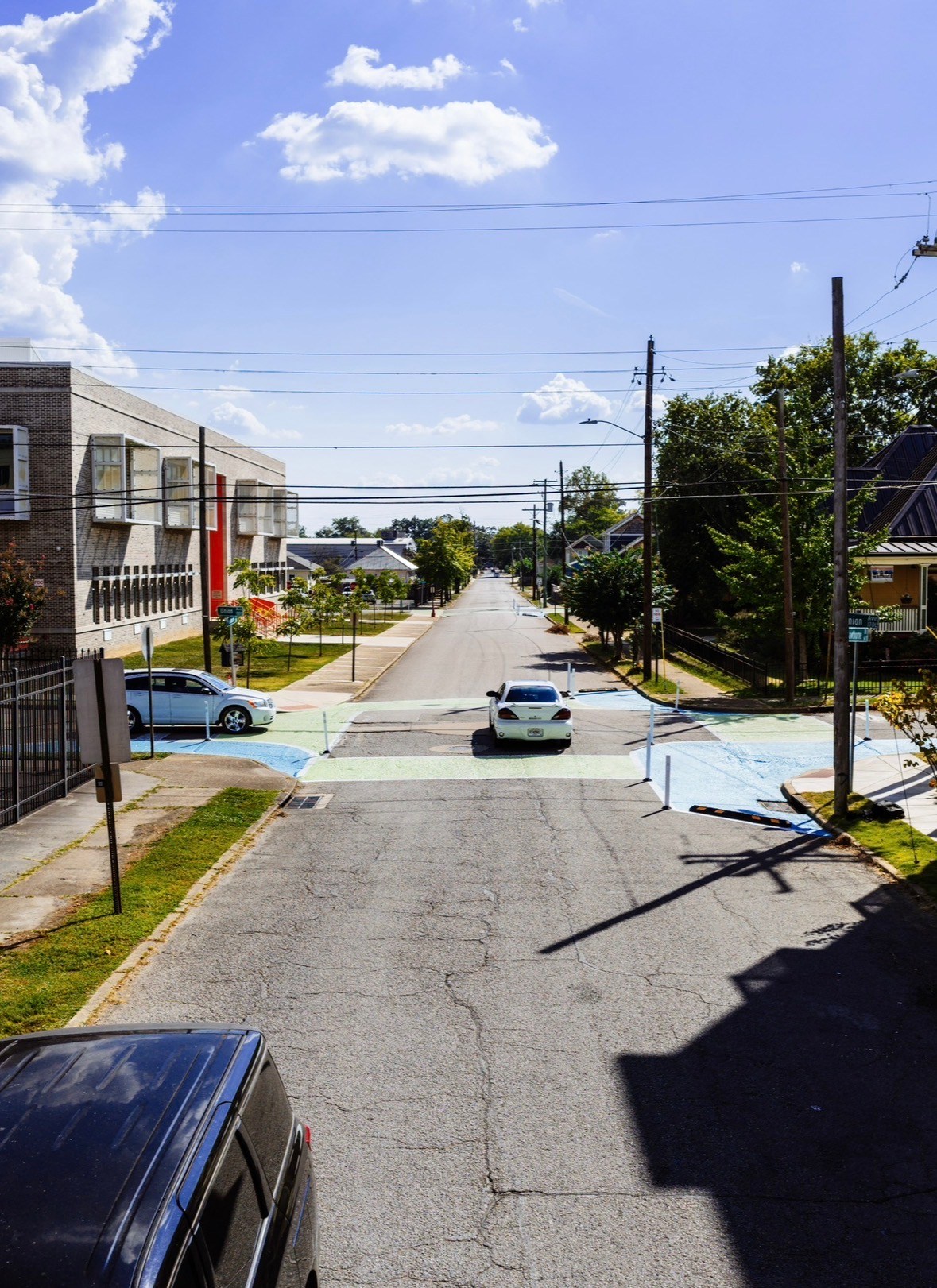
I got hit by a car in a crosswalk two Fridays ago.
I’m fine. I was mostly able to dodge the car, and I caught it on video as it sped off. When I made a post online about the incident, I mentioned that things could have been worse if I had been pushing a stroller. Someone responded with a police scanner, from that same day, describing a crash in which a child was loaded into an ambulance after a stroller was hit by a vehicle.
Chattanooga has made remarkable progress reducing violent crime. Overall, it has fallen for multiple years in a row, and homicides continue to trend downward. Here, the city identified a public safety problem, collected data, assigned responsibility and acted with urgency. Yet we approach traffic violence very differently.
Traffic crashes continue to kill and seriously injure Chattanoogans every year, but we often treat them as unavoidable. We call them accidents and rarely ask why they keep happening. Rarely do we ask whether the streets themselves are contributing to the outcome.
(IN THE NEWS: Jury finds driver guilty after 2023 Frazier Avenue crash)
In a Centers for Disease Control and Prevention study of 29 wealthy nations, the United States ranked worst for traffic deaths. The difference isn’t genetics or driving skill. It’s that many peer countries design their roads around the reality that humans make mistakes.
That is why I was initially excited to learn Chattanooga was pursuing a $17 million Safe Streets for All grant. This is one of the few federal funding sources specifically aimed at transportation safety.
Before I go any further, let me be clear: I am not opposed to data, research, technology or Chattanooga’s Smart City initiatives. The problem is when information becomes a substitute for action.
The grant proposal describes investments in intersection monitoring, cooperative perception tools, autonomous vehicle capabilities, thermal drones, emergency response technology and emergency vehicle preemption. Some of these tools may prove useful, but there is a noticeable omission: There is little discussion of physically changing the roads themselves.
Community Voice: For safe streets, don’t let information substitute for action gallery

(IN THE NEWS: Smart technology added to Chattanooga intersections for better commute times)
Chattanooga’s most dangerous corridors are not a mystery. After the fatal crash on Frazier Avenue in 2023, a friend used publicly available crash data to create a heat map showing many of the city’s crash hot spots. We already know where many of the problems are.
What’s more, with support from the Lyndhurst Foundation, Chattanooga hired internationally recognized planner Jeff Speck to study downtown corridors and recommend safety improvements. Through a public records request, I obtained draft versions of those recommendations.
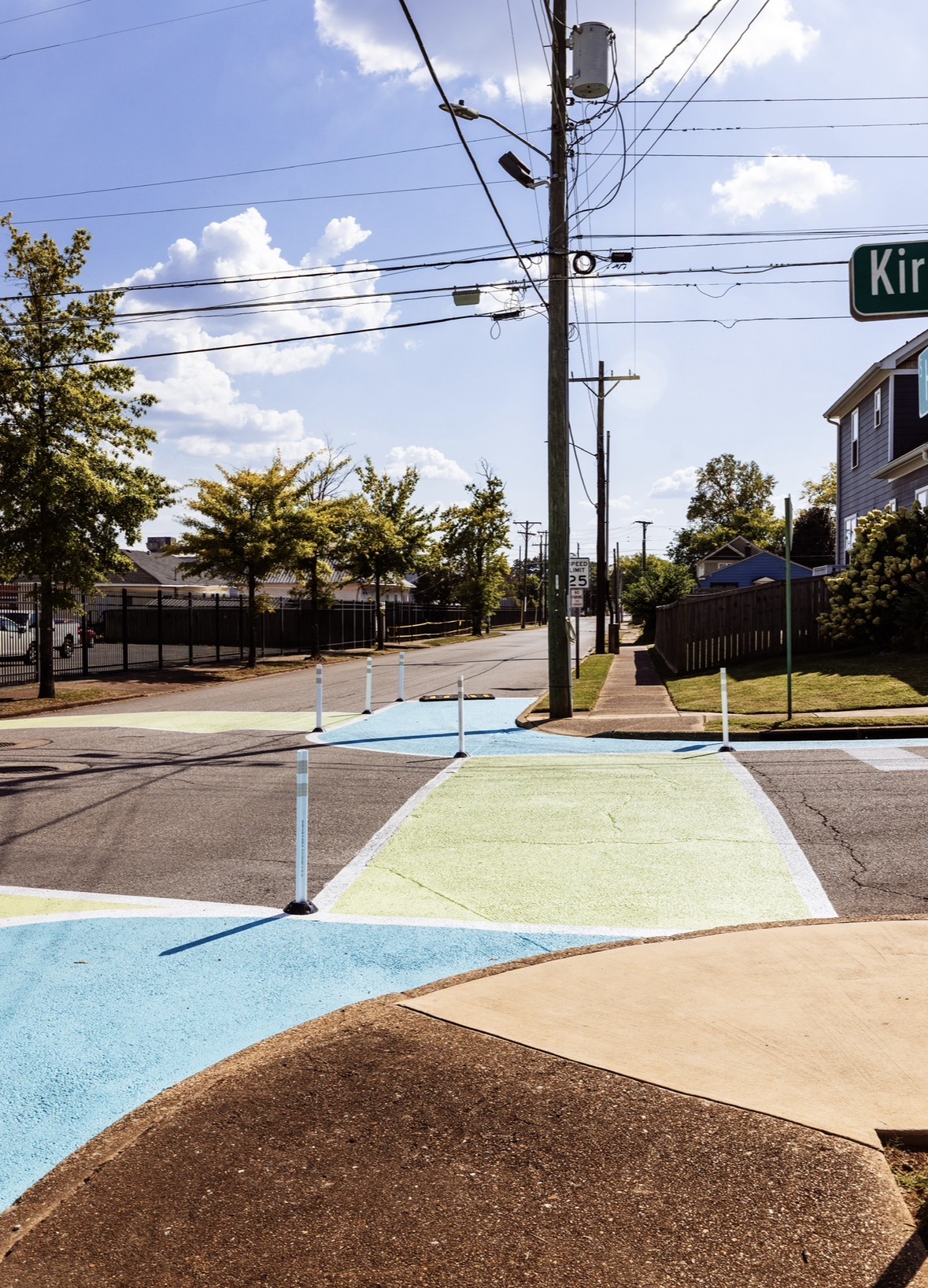
The proposals are remarkably straightforward: narrow lanes, remove excess lanes, add protected bike lanes, improve crossings, calm traffic and redesign streets in ways that reduce speeds and create a larger margin for human error.
These are not futuristic ideas. Cities across the country are already saving lives with little more than paint and plastic lane dividers, a strategy known as quick builds or tactical urbanism.
Think of it like this: If a public pool had a drain that repeatedly trapped swimmers, we wouldn’t respond by installing more cameras, deploying sensors to detect distressed swimmers and buying better rescue equipment. Those tools might help after something goes wrong. But the first priority would be fixing the drain.
That is what worries me about Chattanooga’s approach to street safety. Our response to dangerous roads increasingly focuses on managing the consequences rather than preventing the crash. We are investing in ways to understand and respond to danger while being far less willing to have the political courage to remove the danger.
Technology has a role to play, but Chattanooga does not suffer from a lack of information. What it suffers from is a gap between what we know and what we are willing to build.
If awarded, this $17 million grant could represent a once-in-a-generation investment in safety, if invested in implementation. My hope is that Chattanoogans reach out to their elected officials to demand a portion of this money be dedicated to implementation.
–––
Jon Jon Wesolowski, of Chattanooga, is an advocate for stronger, walkable communities and tactical urbanism. He makes videos as The Happy Urbanist.