
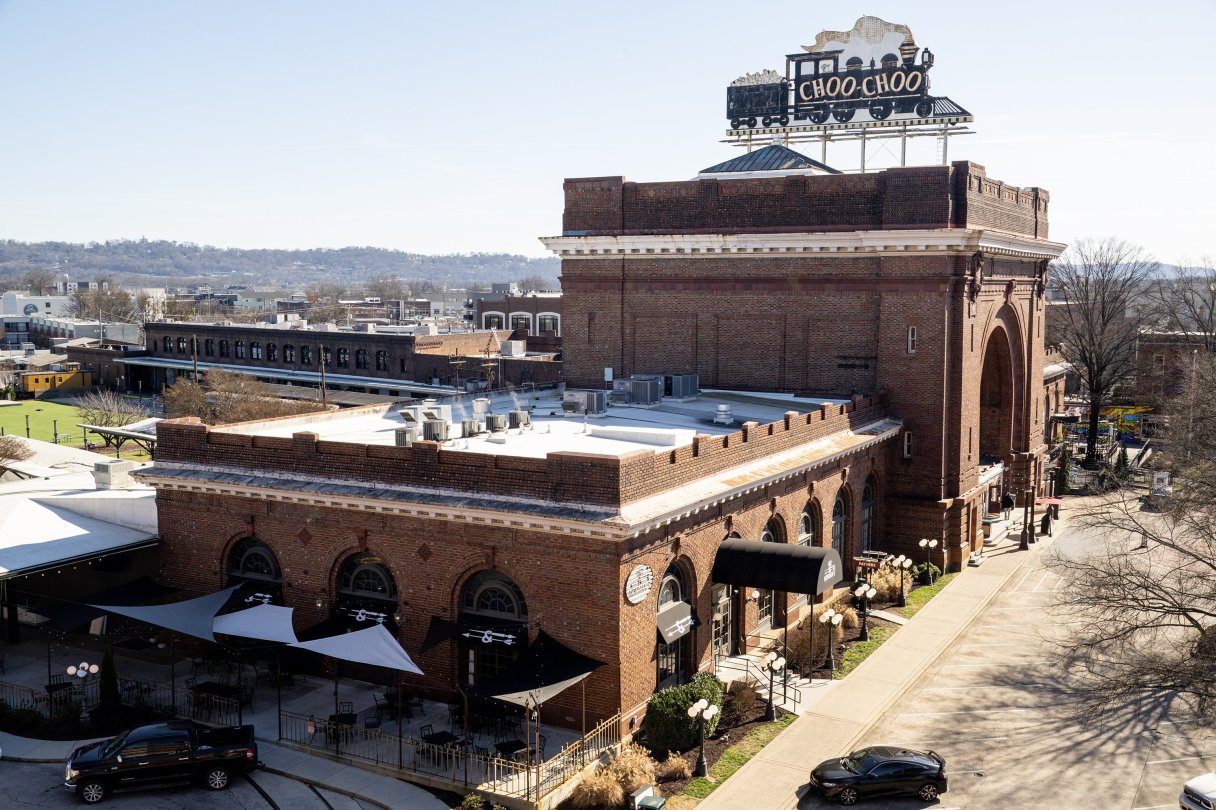
Imagine, for a moment, that every building and structure in Chattanooga constructed before 1940 vanished overnight.
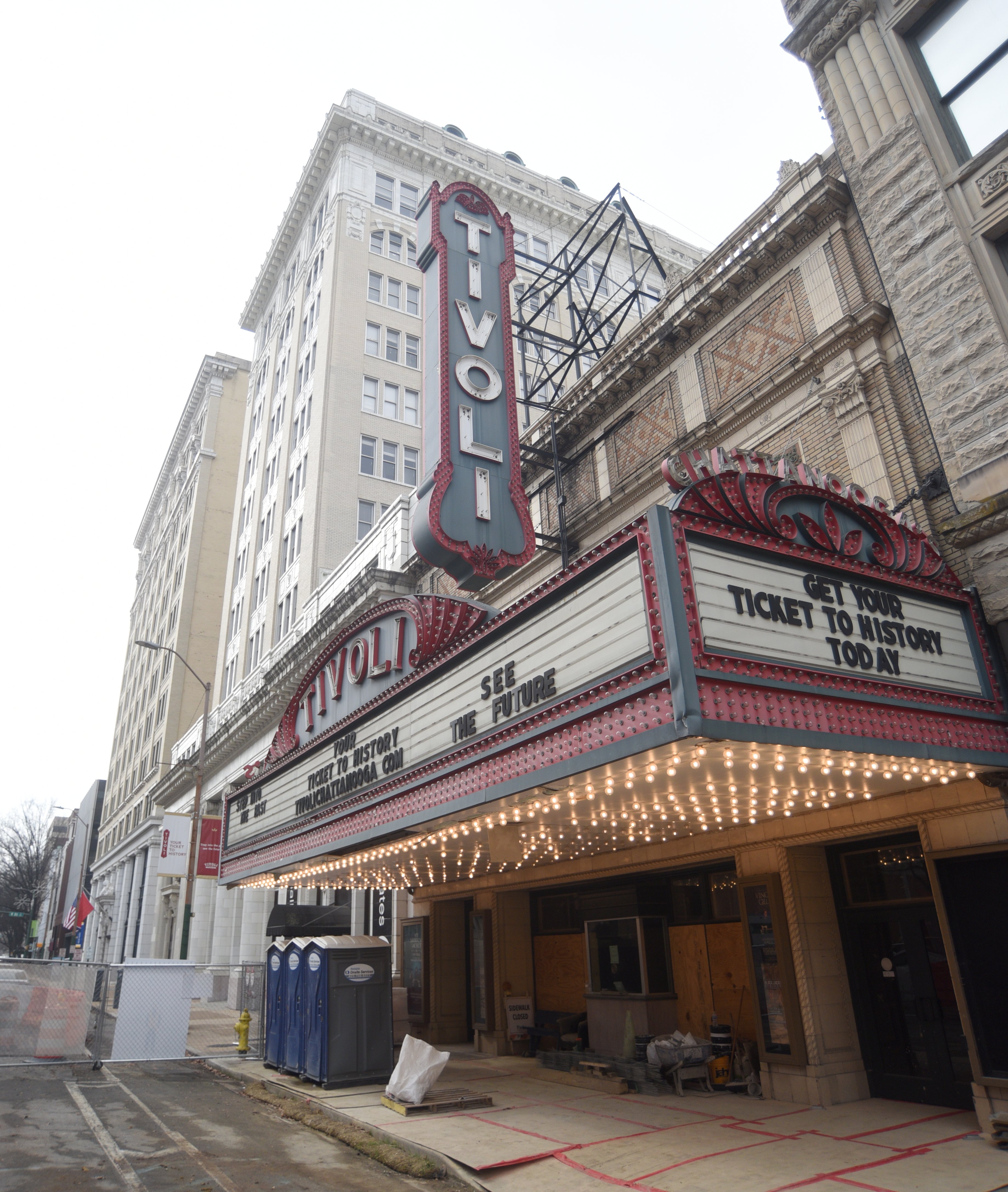
The Tivoli Theatre would be gone. Terminal Station would disappear. The Walnut Street Bridge would exist only in photographs. Many of the city’s most beautiful churches would be lost, along with much of the character that defines neighborhoods such as St. Elmo, Fort Wood and Missionary Ridge.
Most people don’t spend much time thinking about preservation policy, historic districts or architectural significance. Yet they instinctively recognize that certain places connect us to our shared story and give Chattanooga a sense of identity that cannot be replicated once it’s gone.
Historic preservation is ultimately about protecting those places — not simply because they are old, but because they help make Chattanooga, well, Chattanooga.
Chattanooga stands at an important crossroads. Our city is experiencing remarkable growth, attracting new residents, investment and development at a pace few could have imagined a generation ago. Growth is a sign of success, but it also presents a challenge: As Chattanooga evolves, how do we ensure the places that tell our story are not lost along the way?
The answer is planning.
The last comprehensive preservation plan for Chattanooga took place nearly 50 years ago, in 1977. At the time, many of the city’s older neighborhoods and historic buildings faced uncertain futures.
Downtown struggled with disinvestment, and demolition was often viewed as the path to progress. Community leaders recognized that without a strategy, Chattanooga risked losing the very places that gave it character and identity.
The results of that planning effort can still be seen today.
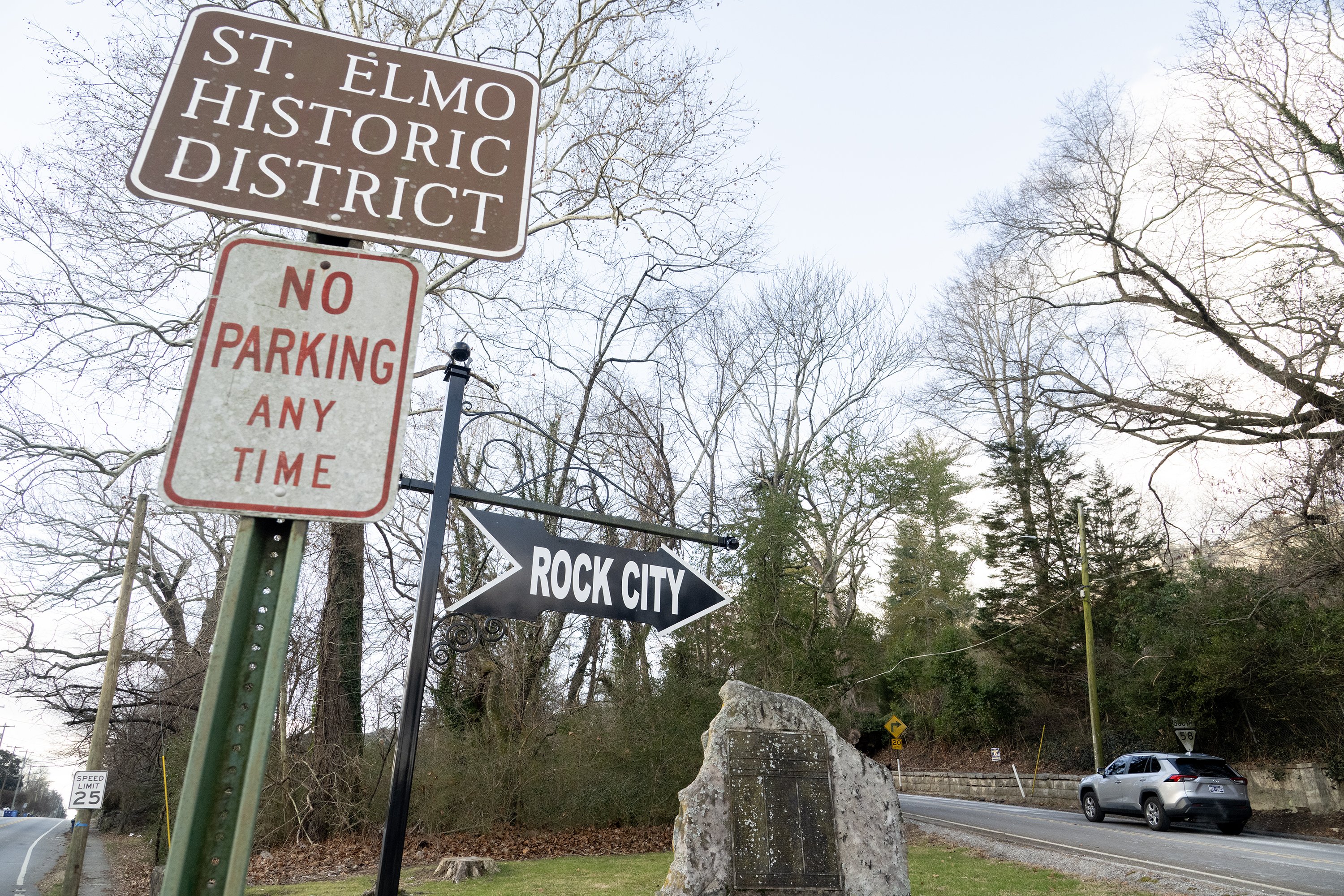
Consider St. Elmo. Decades ago, the neighborhood faced significant challenges, and many historic structures were threatened by neglect and changing development patterns. Through preservation efforts, investment and community commitment, St. Elmo became one of Chattanooga’s most beloved neighborhoods. Today, its historic homes, walkable streets and unique sense of place attract residents and visitors alike. It has become an important community asset.
That lesson remains relevant today.
Many people assume that a building becomes “historic” simply because it is old. In reality, historic places are researched, documented and evaluated against established criteria. Buildings listed in the National Register of Historic Places have been recognized as architecturally or historically significant to our local, state and/or national story.
But a National Register designation alone does not preserve a building. That must occur at the local level, most often through regulations such as local historic district overlays or individual local historic landmark designations.
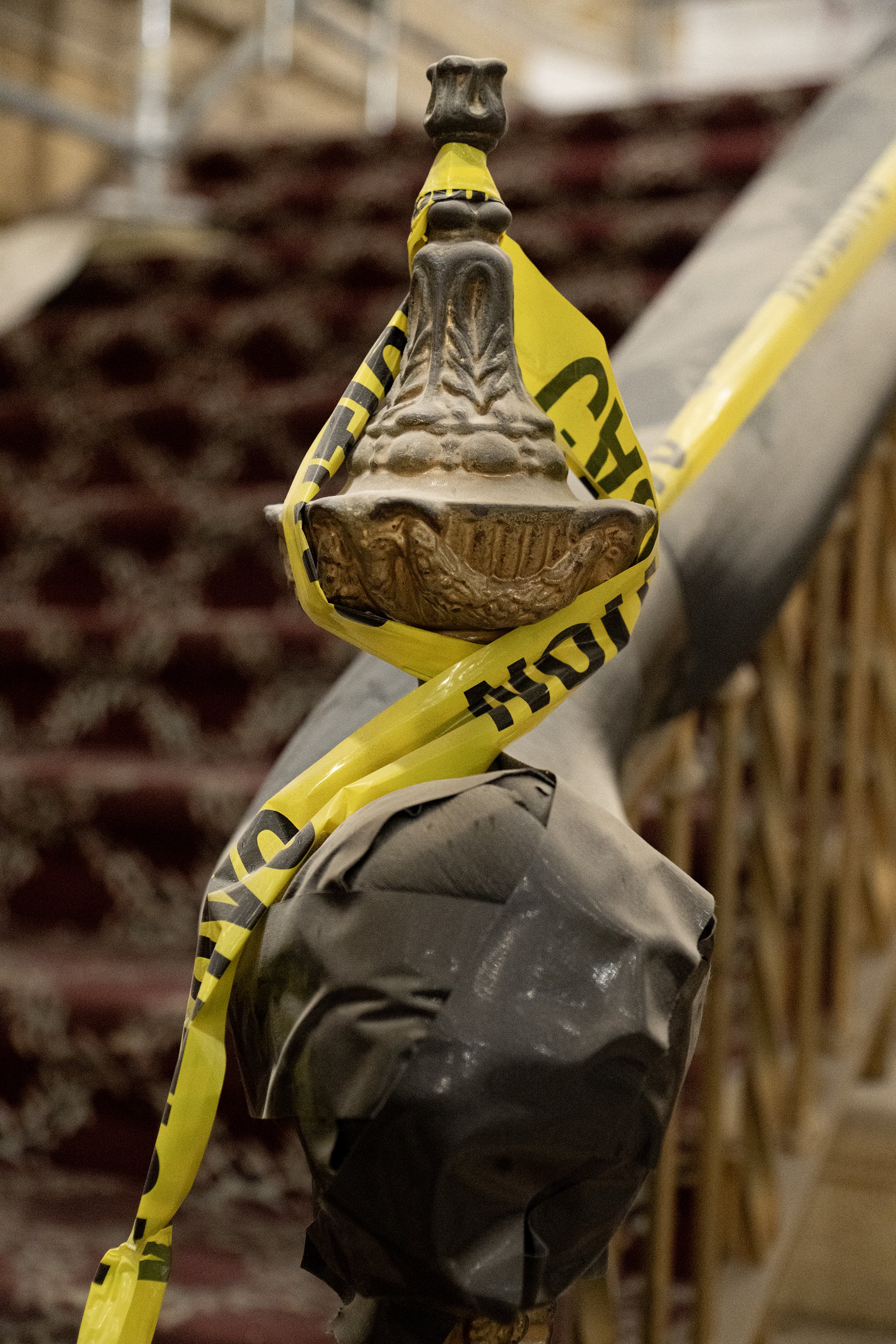
However, preservation is too often viewed only through the lens of regulation. Protective tools are only part of the solution. Historic buildings often require specialized materials, skilled craftspeople and ongoing maintenance. Owners frequently face challenges and costs that do not exist with newer construction.
Community Voice: We need a plan to preserve the future of Chattanooga’s past gallery
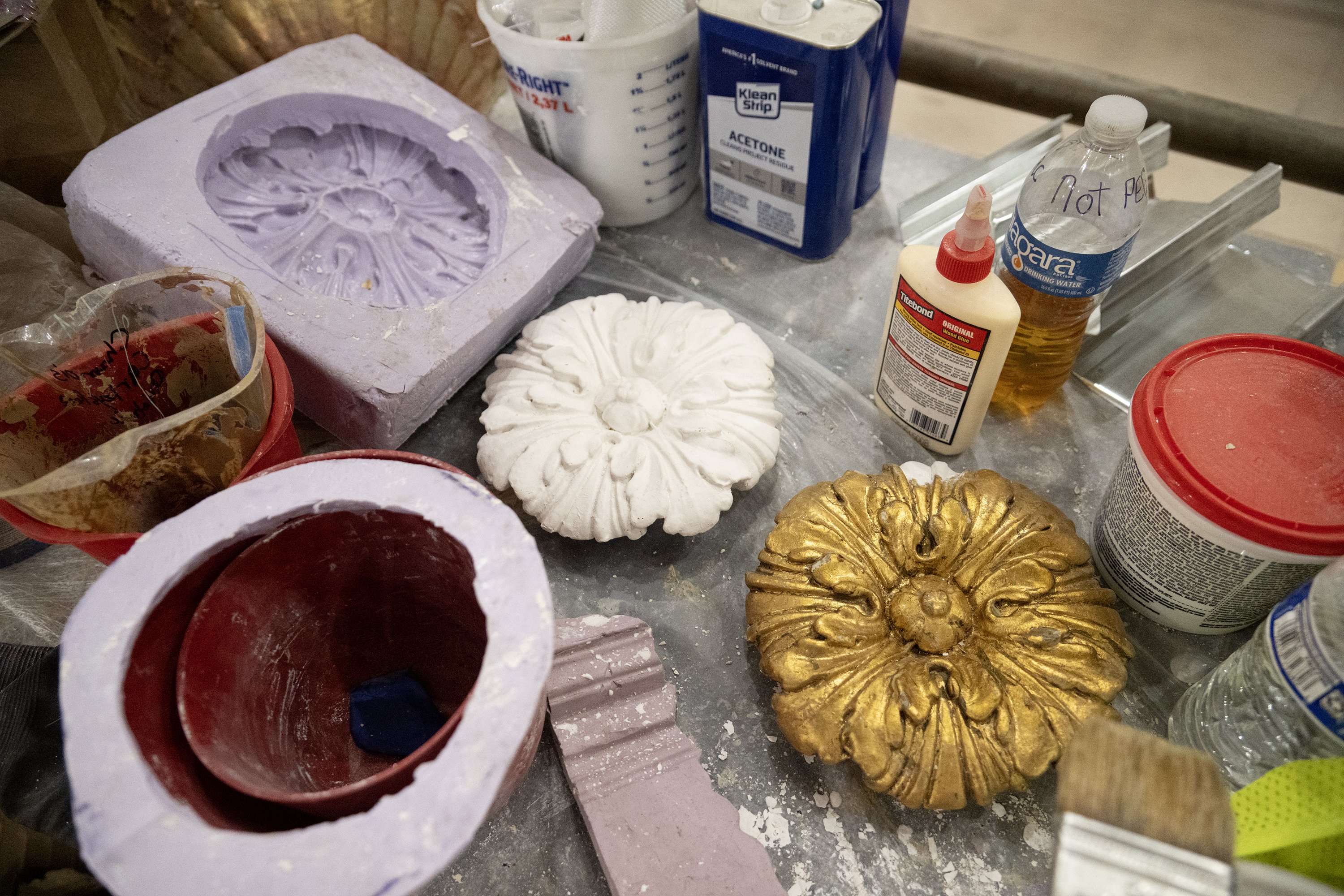
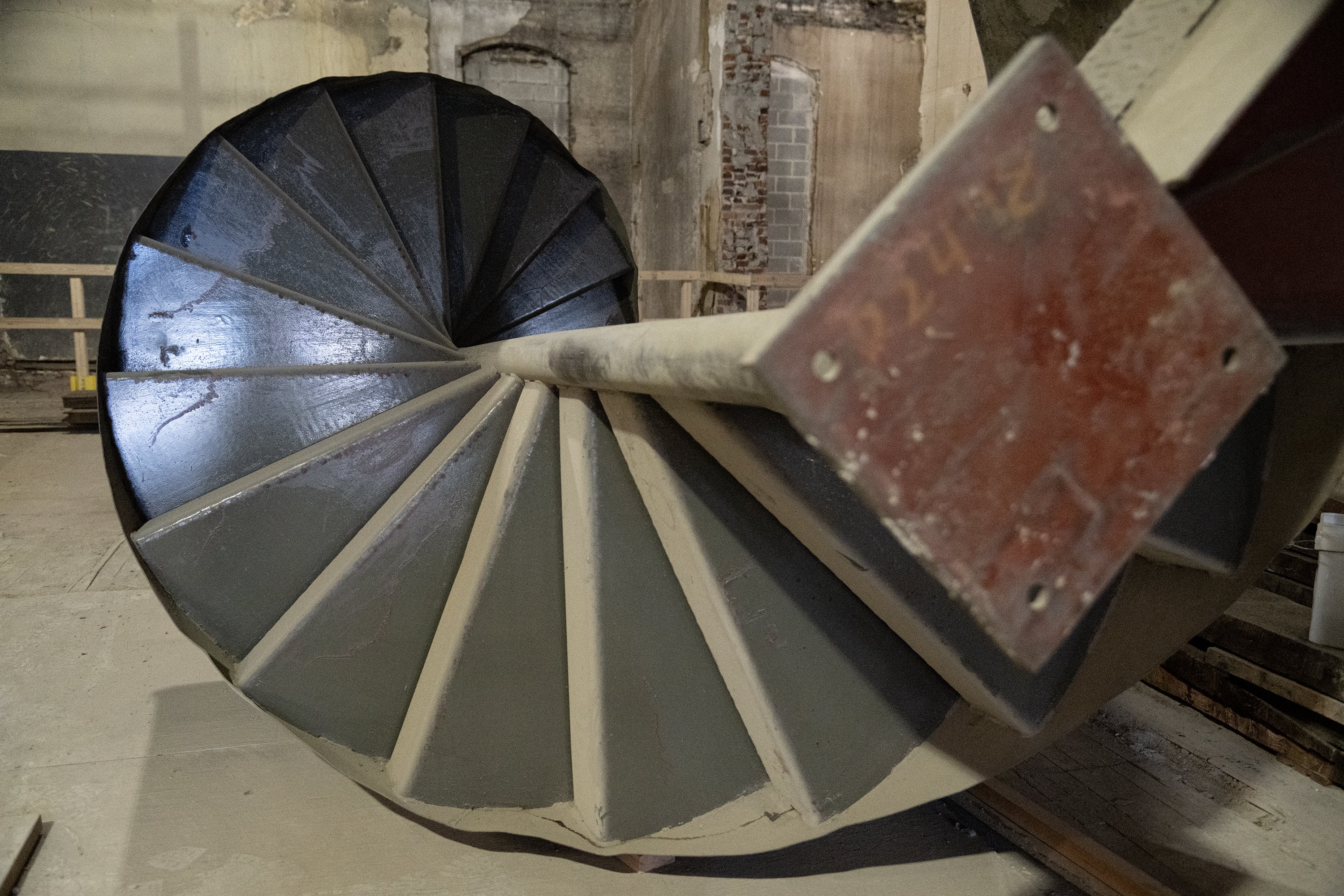
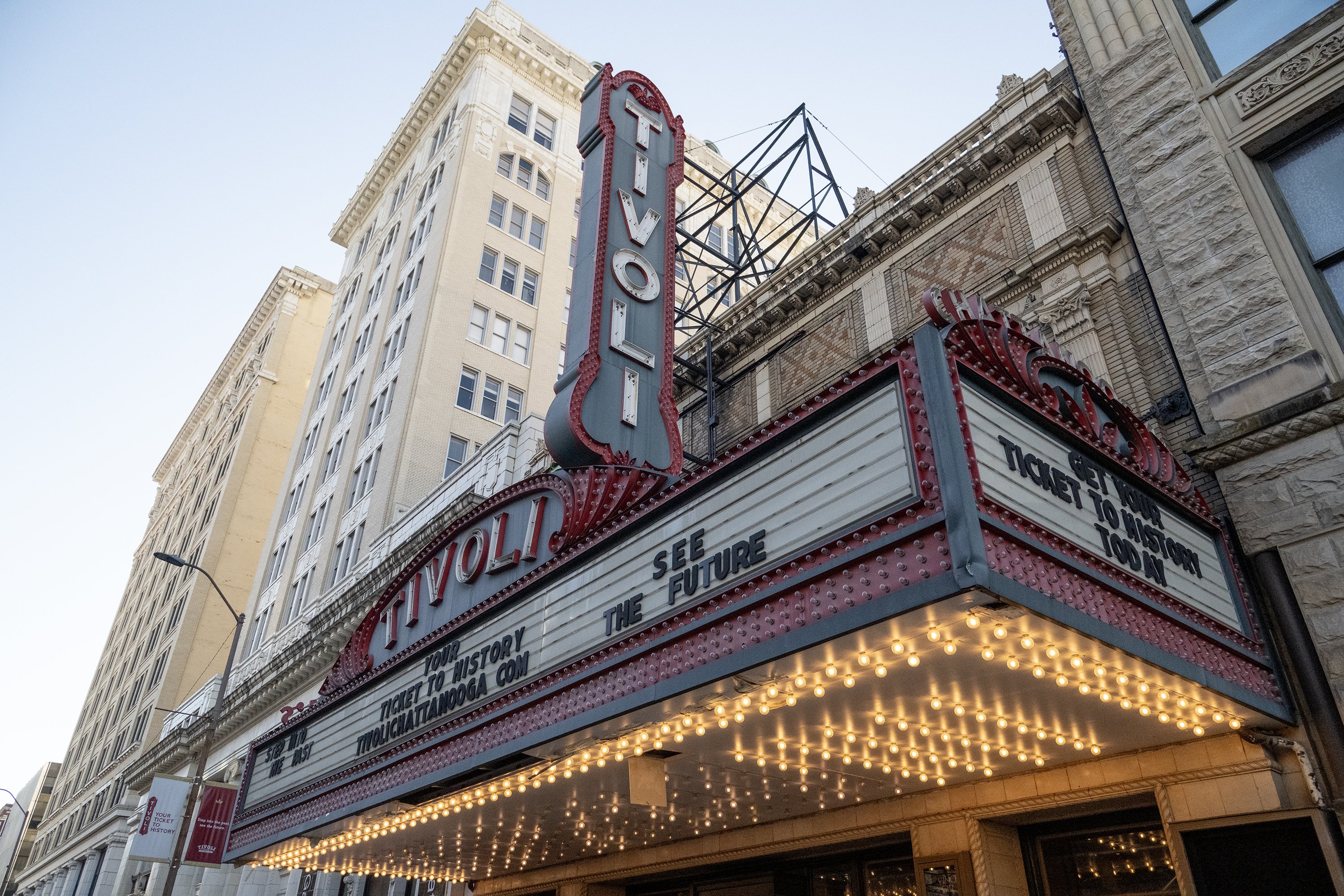


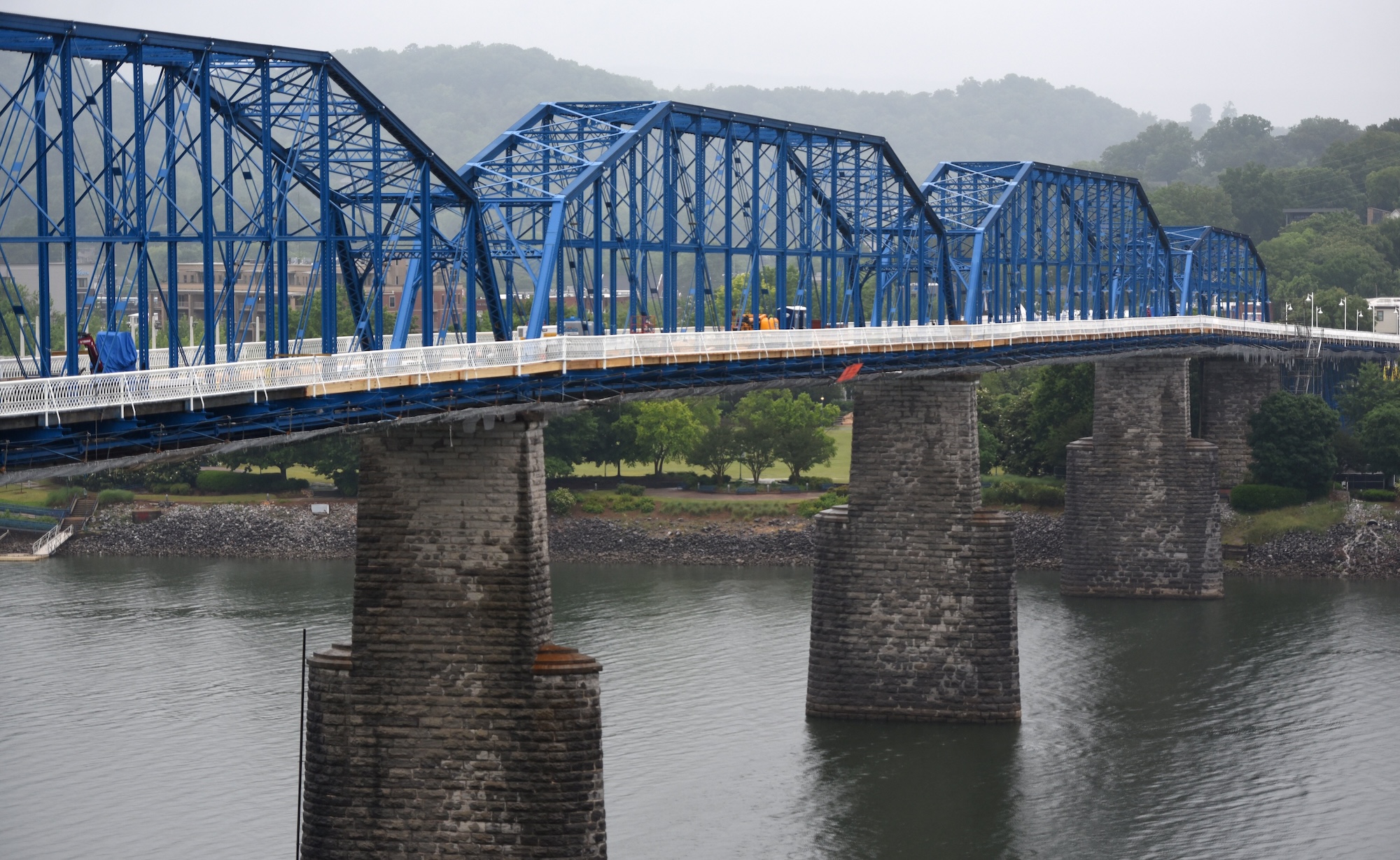

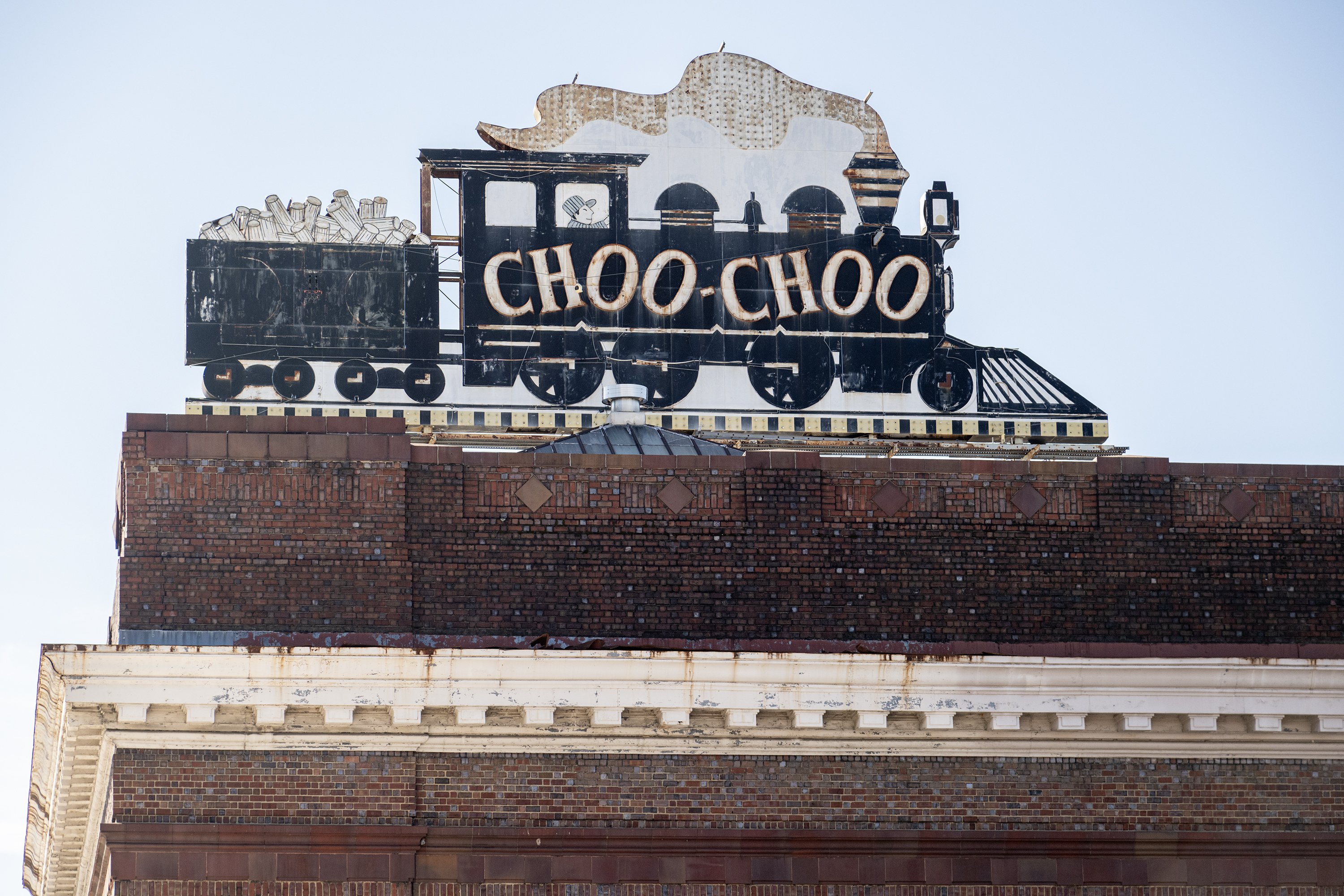
If a community determines a building is valuable enough to protect, shouldn’t the community also share the responsibility of preserving it?
Communities across the country have answered that question with a resounding “yes.” They offer grants, tax incentives, technical assistance, low-interest loans and flexible zoning policies that help historic buildings remain economically viable. They recognize that preservation works best as a partnership rather than a mandate.
That philosophy is central to Chattanooga’s new preservation planning effort.
This year, Preserve Chattanooga launched the process of creating a new preservation plan. A nationally recognized consulting team will be developing the plan, funded by the Lyndhurst Foundation and the Tennessee Historical Commission.
(IN THE NEWS: Preservationists talk strategies for Chattanooga buildings)
The goal is not to stop growth. It is to ensure that preservation becomes part of how Chattanooga grows. The plan will examine what historic resources matter most to our community, identify challenges property owners are facing, explore incentives and policies that encourage rehabilitation, and establish priorities for the future.
Most importantly, the plan will be shaped by public input. Preservation is ultimately a community choice.
The places worth saving should not be determined by a handful of professionals or advocates alone. They should reflect the values and aspirations of Chattanooga residents.
Communities that successfully integrate preservation into their growth strategies consistently discover that historic places are not obstacles to overcome. They are assets that attract investment, tourism, entrepreneurship and residents seeking authentic places to live and work.
Much of what people love about Chattanooga — the character of downtown, the distinctiveness of our neighborhoods and the sense of place that sets us apart from other cities — is rooted in historic buildings and landscapes.
Every historic place represents a piece of our shared story. Once lost, that story cannot be rebuilt.
I encourage everyone to participate in Chattanooga’s preservation planning process by completing the community survey at PreserveChattanooga.com. The decisions we make today will shape the Chattanooga future generations inherit.
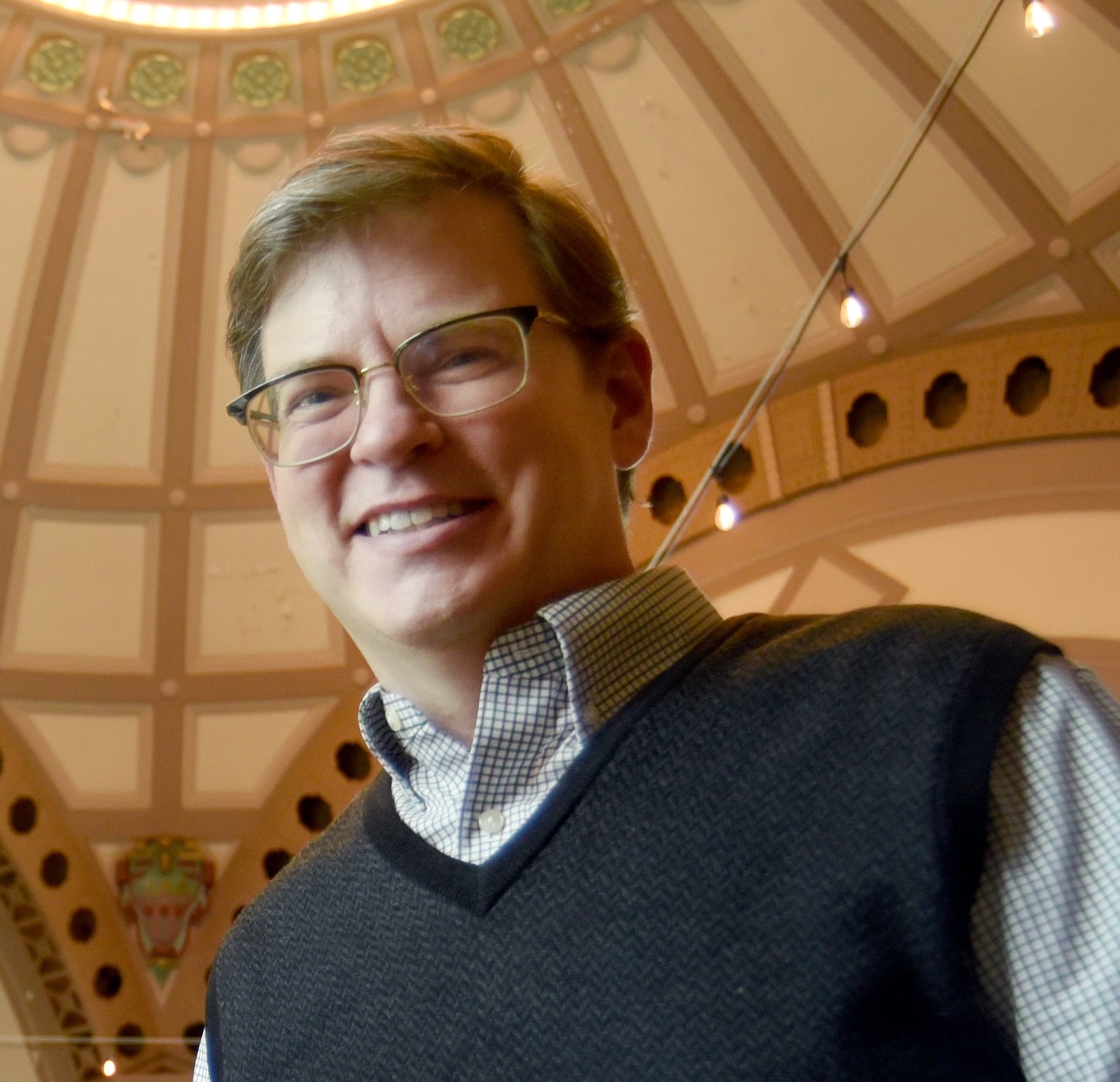
Todd Morgan is the executive director of Preserve Chattanooga, a nonprofit working to protect the architectural heritage of Chattanooga through preservation, education and advocacy.