
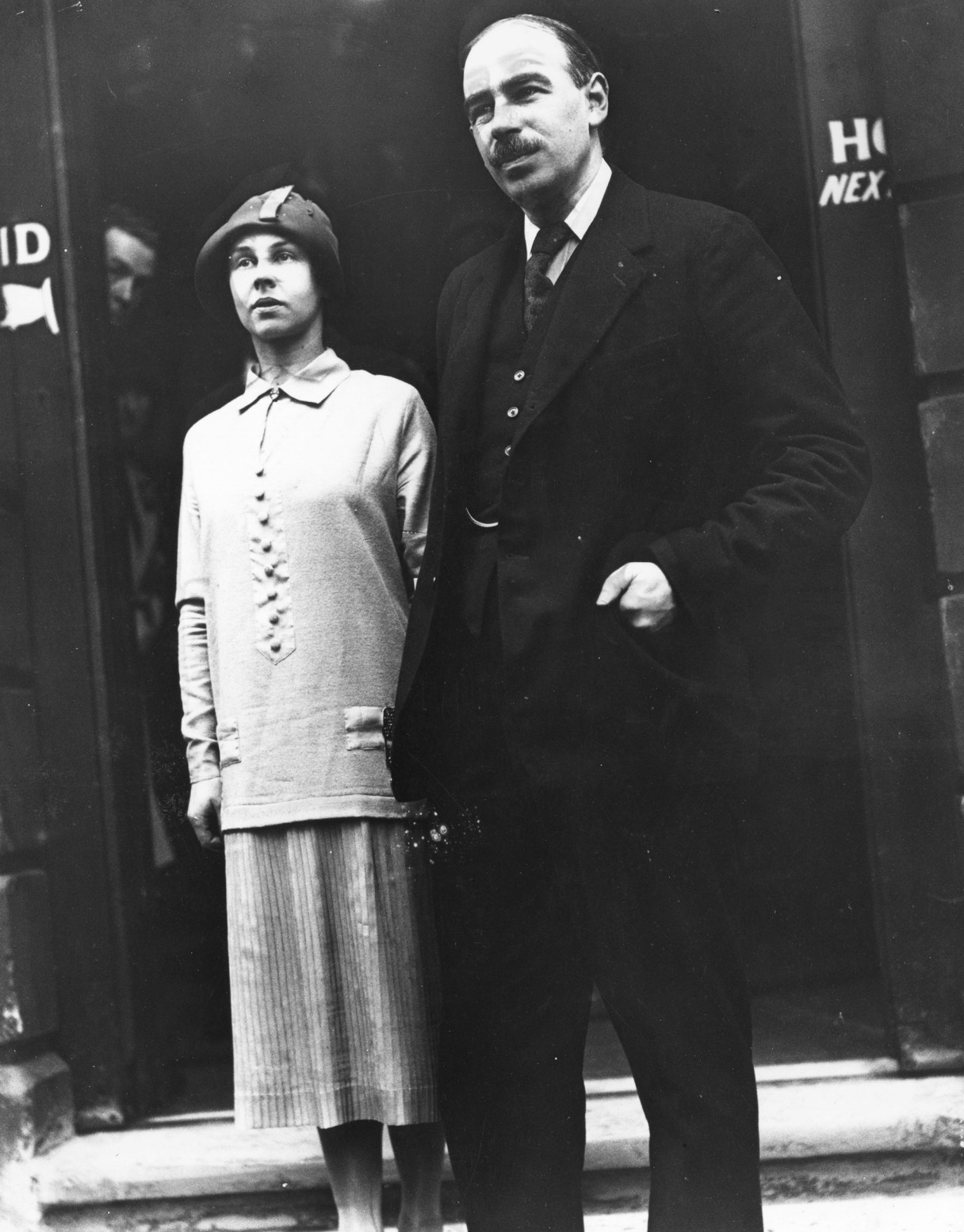
In 1930, John Maynard Keynes took time out from thinking about the Great Depression to write a charming essay about the “economic possibilities for our grandchildren.” What would life be like a hundred years hence, he asked. His answer: The depression would prove to be no more than a temporary blip, economic progress would resume its benevolent course, but then the real problems would start: what Keynes called “the permanent problem of the human race.”
How to use the resulting freedom from economic necessity to live a good life — or as Keynes put it, “how to live wisely and agreeably and well.”
The Nobel Prize-winning economist Robert William Fogel demonstrated that the average number of lifetime hours that people worked for pay dropped from 182,100 in 1880 to 122,400 in 1995 — a 33% decline in an era of increasing lifespans. From 2000 to 2019, per capita hours worked in the U.S. fell from 926 hours to 885. Fogel also demonstrated that whereas 74% of consumer budgets went to necessities in 1875, 68% went to leisure activities by 1995.
AI may be about to prove Keynes spectacularly right, just in time for his century deadline. The AI revolution is beginning to do for knowledge work what the combine harvester did for agricultural jobs and the factory did for mechanical jobs — mechanizing routine tasks once reserved for human beings. Knowledge-intensive companies are eliminating middle-management jobs and cutting back on hiring new graduates.
What are we to do about this potential job apocalypse? How can we ensure that the losers have enough money to live on? And how can we preserve demand in a world in which workers are surplus? Silicon Valley has been pushing the idea of a universal basic income. Some progressive economists like the idea of taxes on robots or IT systems. But equally urgent is Keynes’ problem of how to ensure that people use their increased leisure well rather than destructively.