
WASHINGTON (AP) — Scientists are tweaking a powerful cancer therapy in hopes it could fight HIV instead, by supercharging patients’ own immune cells.
On Tuesday, researchers said a single dose of those revved-up cells strongly suppressed HIV in two people — one for nearly a year and the other for nearly two years — without requiring their usual medicines.
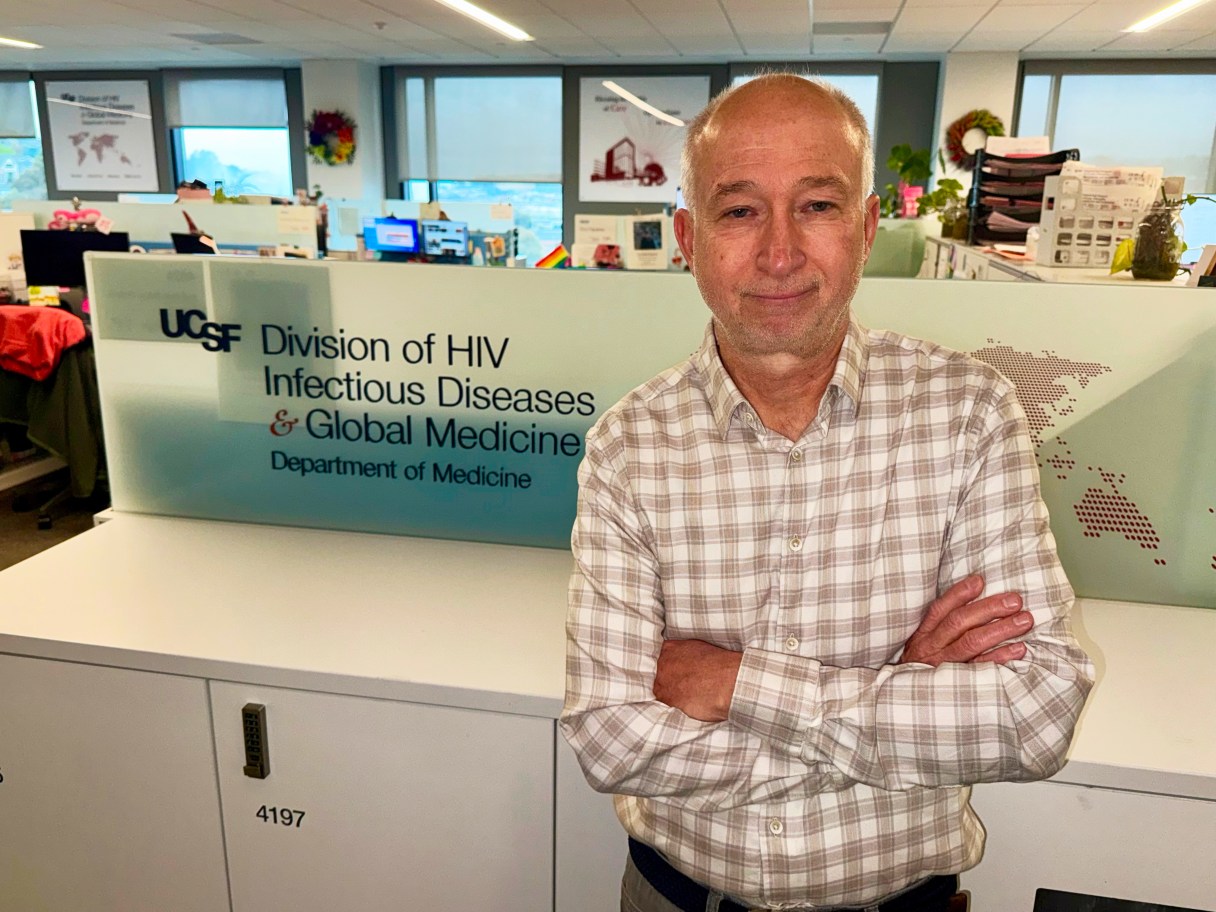
Larger and longer studies are needed to prove if what’s called CAR-T cell therapy might really offer long-lasting help for HIV, cautioned Dr. Steven Deeks of the University of California, San Francisco, who led the research.
“We find the fact that two people have had such a really sustained response provocative,” he said. “There is a real need for a one-and-done, safe and scalable cure … and this is one of the strategies that we’re pursuing.”