
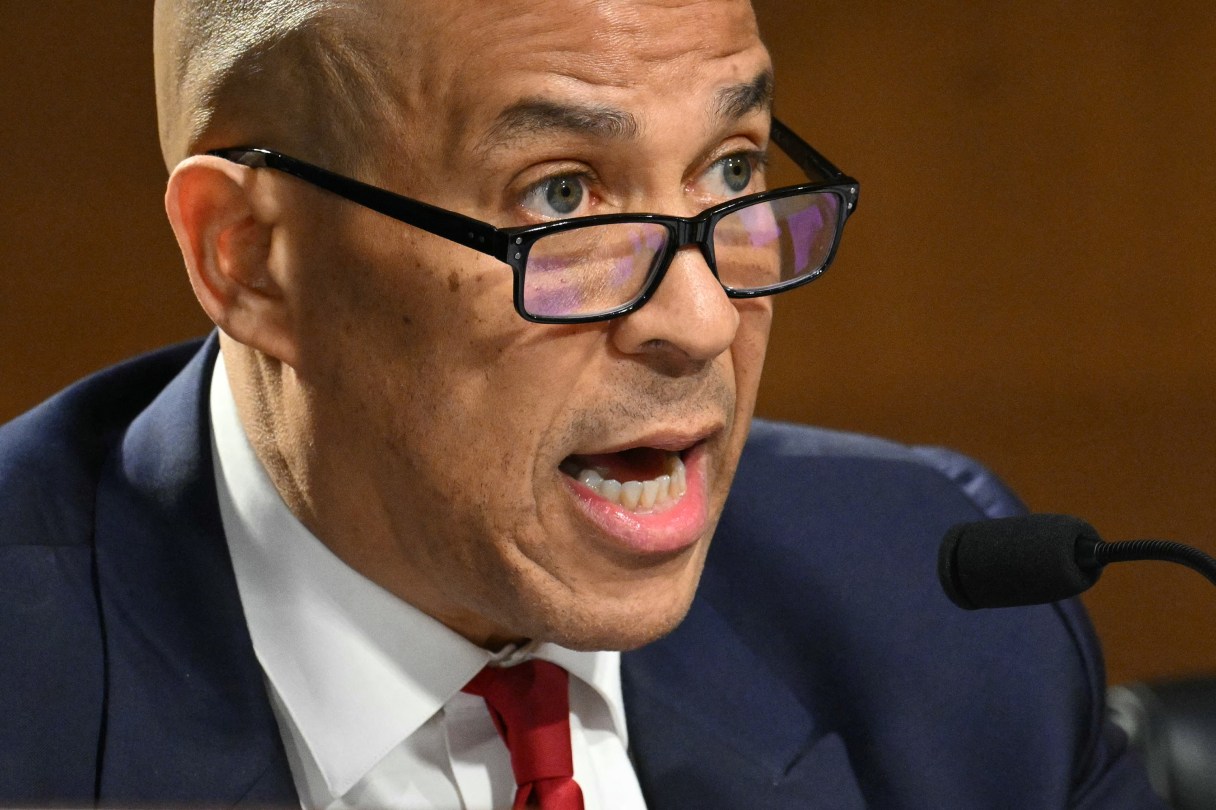
I wish “Meet the Press” host Kristen Welker had asked Sen. Cory Booker if he’s qualified to represent New Jersey given that nearly nine out of 10 of his constituents are not Black.
I should probably back up.
Last month, the Supreme Court ruled in Louisiana v. Callais that the state’s newest congressional map was an unconstitutional racial gerrymander.
Here’s a simplified recap. After the 2020 census, Louisiana drew a congressional map that included just one “majority-minority” district. Some Black voters sued, arguing that Section 2 of the 1965 Voting Rights Act required a second majority-minority district, because a third of Louisiana’s population is Black, and one district represented only a sixth of the state. A federal judge agreed, ordering the state to redraw the map, or the court would do it for them. Louisiana tried again, producing a second majority-Black district.
This triggered a lawsuit from non-Black voters, alleging that the new map violated the Constitution’s Equal Protection Clause, because Louisiana had over-relied on race to draw it. A three-judge federal court agreed. The Supreme Court affirmed that ruling.