Not long ago, I learned that Obadiah Holmes was my great-grandfather, 11 generations back.
Holmes was the founding pastor of Newport Baptist Church in Newport, Rhode Island, the second Baptist church in the United States.
On Sept. 5, 1651, Holmes and two other men traveled to Boston, then governed by Puritan Christians, to visit an older Baptist man living there. While in Boston, Holmes was arrested, charged and convicted of heresy. His punishment was 30 lashes with a whip. The beating shredded his back so severely that he could not sleep on it for days, resting instead on his knees and elbows.
So what crime had Holmes committed? He rejected infant baptism and believed baptism should follow conversion. For that transgression, one Christian group imprisoned and permanently injured another Christian. Fortunately, what was intended to punish Holmes and intimidate others instead helped make him a powerful advocate for religious freedom, one we are still learning from today.
His story is especially meaningful to me because he was a pastor, a Baptist and an advocate for religious liberty, all parts of my own story. And in his story, we learn several important lessons about religious freedom.
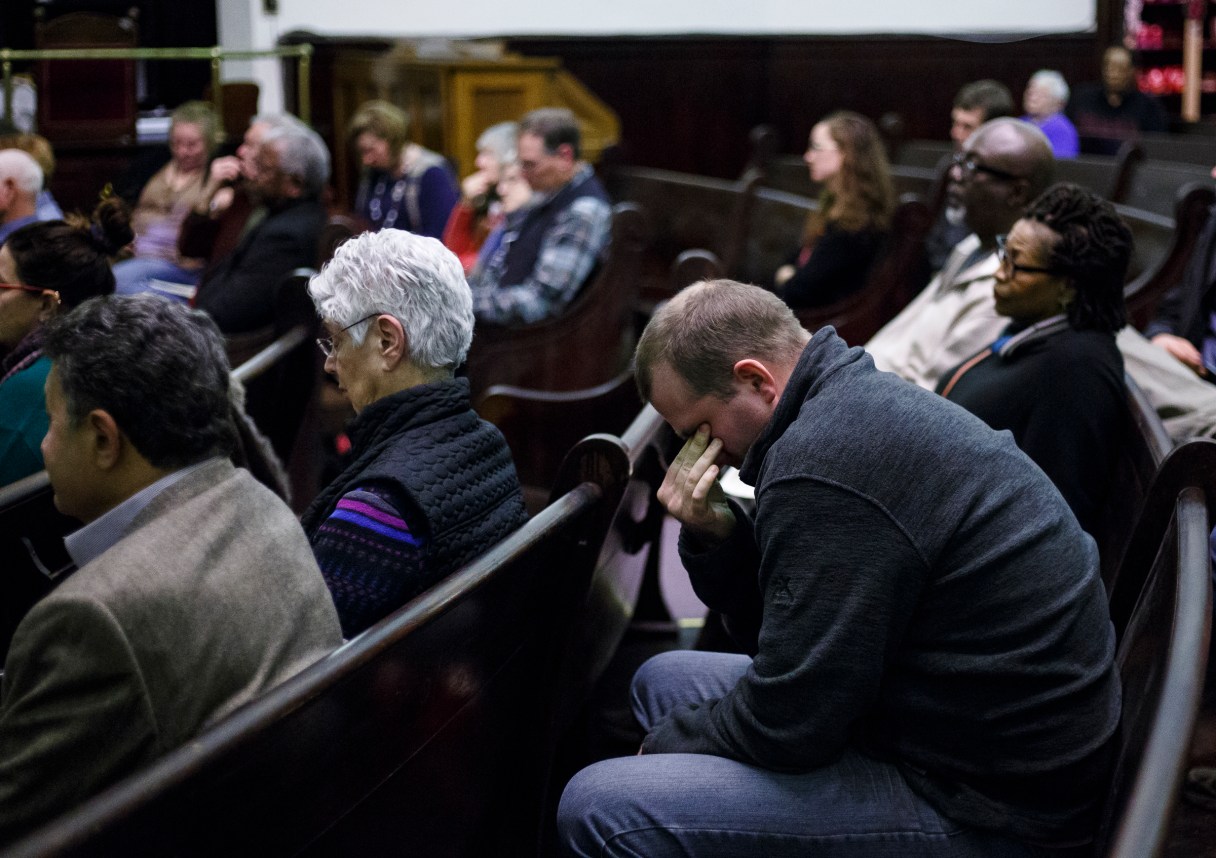
First, when religious freedom is limited to one group, those limits can eventually be turned on everyone else. In early America, religious persecution often involved one Christian group persecuting another. The only way to secure religious freedom for anyone is to guarantee it for everyone.
That idea is not especially popular among some Christians in America today who want Christianity enshrined as the government’s privileged religious view. History has seen this before, and it has never ended well. Around the world, we see other religions, such as Islam, Buddhism or Hinduism, attempting the same thing. Again and again, restrictions on religious freedom lead to restrictions on other freedoms as well.
I am convinced this is because religious freedom is the first freedom from which all others flow. Restricting belief, the engine of moral and ethical formation, ultimately leads to restricting other liberties. This is one reason the Founders enshrined religious liberty in the First Amendment to the U.S. Constitution. As Thomas Jefferson wrote, “The constitutional freedom of religion [is] the most inalienable and sacred of all human rights.”
Second, Holmes’ life reminds us that while protecting religious freedom is everyone’s responsibility, those in the majority bear a particular obligation to defend those in the minority. The majority is almost always secure. Freedom endures only when the majority protects the rights of minorities.
In America, that means Christians must defend the religious freedoms of Muslims, Hindus, Buddhists, Jews, Sikhs, Scientologists, Baháʼís and those with no religious belief at all. What makes this difficult is that it requires us to defend the rights of people with whom we deeply disagree, sometimes at personal cost. I am a fairly conservative evangelical Christian, a Baptist no less. Many of you reading this would likely disagree with me on a number of issues, and I could probably say the same about you.
But defending religious freedom does not require me to change my beliefs to support your right to hold yours. It does require me to defend your freedom to believe, or not believe at all, no matter how strongly I may disagree.
Finally, I would suggest to my friends who, like me, believe sharing our faith is an important part of religious practice, that authentic faith is freely chosen. For those who desire to spread their faith, the best soil for doing so is one in which faith can be freely chosen, not enforced at the executive level. Federal enforcement merely ensures many will claim allegiance without actually holding it, simply to enjoy the benefits of a governmentally approved belief system.
As we prepare to celebrate the 250th anniversary of the signing of the Declaration of Independence this summer, I cannot think of a more appropriate way to honor it than by renewing our commitment to freedom of religion and belief, or even no belief, for all people.
I would even suggest that the strength of our democracy depends on it.
In partnership with the Chattanooga-Hamilton County America 250 Committee and the Bessie Smith Cultural Center, join us for a Religious Faith Forum on May 20 to consider the role of religious freedom in American life. Speakers include members of the Christian, Muslim, Jewish and Hindu communities, as well as local civic and government leaders including federal Judge Curtis Collier, Hamilton County Mayor Weston Wamp and state Rep. Greg Martin. Find more information and register at rfacouncil.org/tennessee.
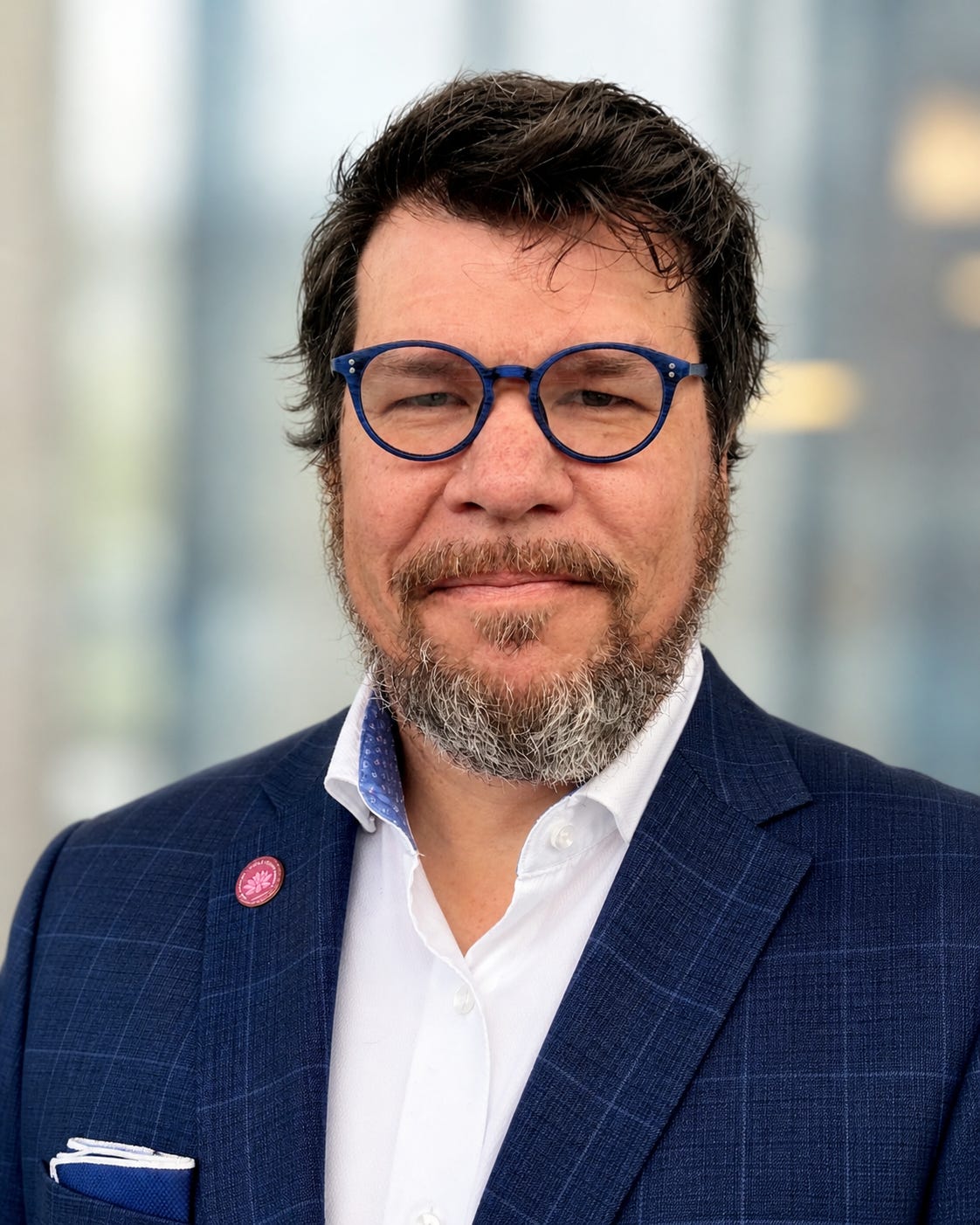
Micah Fries is the director of the Multi-Faith Neighbors Network and the director of engagement at Glocal.net, both part of The Center for Public Faith. He has served as a senior pastor at Chattanooga’s Brainerd Baptist Church, in Missouri and at LifeWay Christian Resources in Nashville.