

Monday, November 9, 2026Nov 9

This story is exclusive to subscribers.

City auditors warn vacation rental safety hazards could go undetected for years

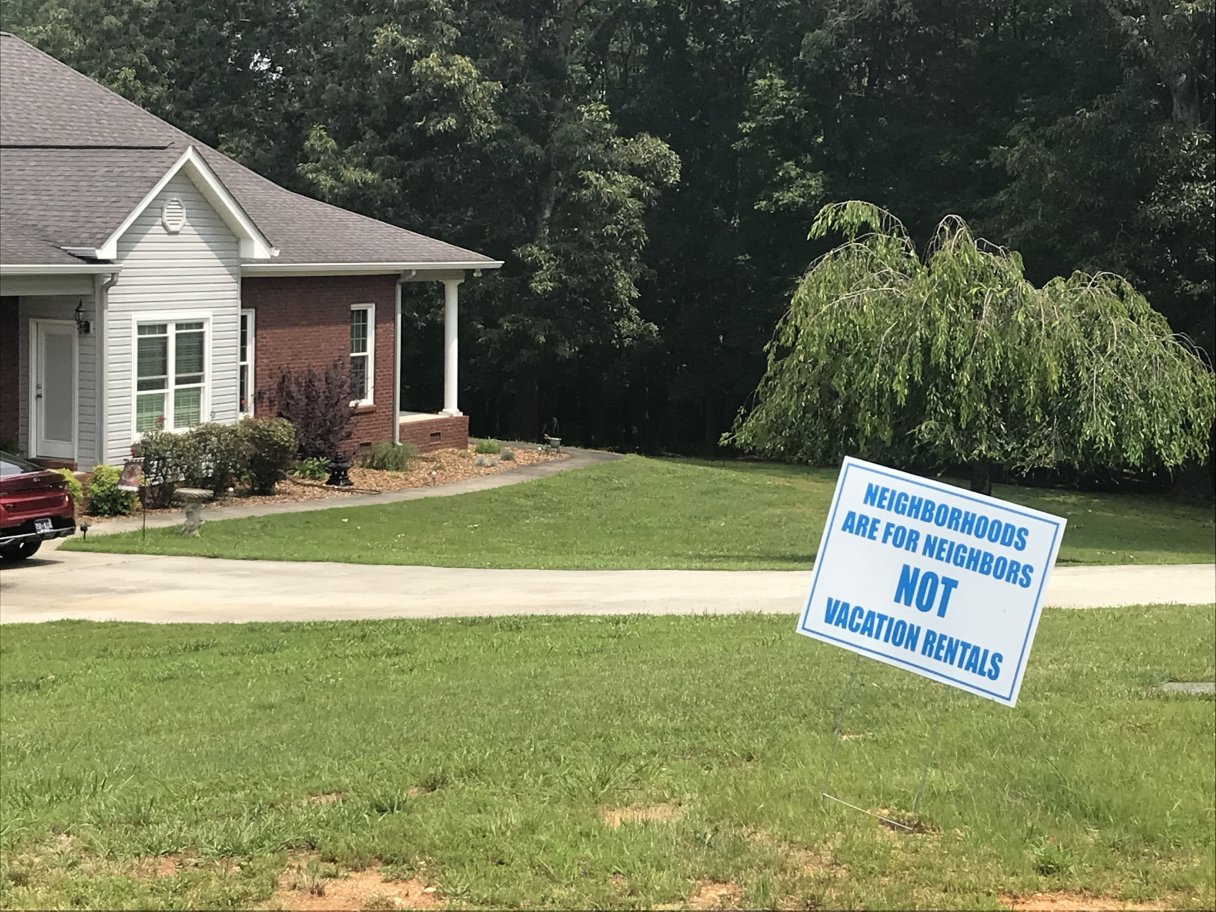
Staff file photo by Emily Crisman / A sign, opposing short-term vacation rentals, is displayed in a yard of a home in an unincorporated area of Hamilton County. An internal Chattanooga audit recommended random routine inspections of rental properties in the city to help ensure safety hazards don't go unnoticed and unaddressed for long.
Staff file photo by Emily Crisman / A sign, opposing short-term vacation rentals, is displayed in a yard of a home in an unincorporated area of Hamilton County. An internal Chattanooga audit recommended random routine inspections of rental properties in the city to help ensure safety hazards don't go unnoticed and unaddressed for long. Staff file photo by Emily Crisman / A sign, opposing short-term vacation rentals, is displayed in a yard of a home in an unincorporated area of Hamilton County. An internal Chattanooga audit recommended random routine inspections of rental properties in the city to help ensure safety hazards don't go unnoticed and unaddressed for long.

Chattanooga does not require routine reinspections of short-term vacation rentals after issuing initial permits, a gap that could lead to safety hazards going undiscovered for years, according to an internal city audit from August.

The same audit found that eight of the 11 audited corporations operating short-term rentals in the city weren’t in good standing with the state, raising questions about whether the city is doing enough to verify the legal status of businesses operating these properties, City Auditor Stan Sewell said.

The city’s Land Development Office, which oversees vacation rental permitting, disagreed with both findings.

To address the inspection gap, auditors suggested the city begin conducting randomized inspections of short-term rental properties immediately, even if the office’s staffing limits how many inspections could initially be done. It further recommended an analysis to determine how much additional staffing would be required to do more inspections.

The office rejected those recommendations, saying instead it could potentially add randomized inspections to the permit renewal workflow.