
Q: What’s the difference between a migraine and a regular headache, and how can you tell which one you’re experiencing?
A: Not every headache is a migraine, although the terms are often used interchangeably. A headache is a general symptom that can have many causes, while a migraine is a neurological condition with a specific set of symptoms.
A typical tension headache may feel like pressure or a tight band around the head and is often felt on both sides. Migraines, on the other hand, are often more intense and may cause throbbing or pulsing pain, sometimes on one side of the head. They can also come with nausea, vomiting and sensitivity to light, sound or smells. Some people experience an “aura” before or during a migraine, which can include visual changes, tingling or other temporary neurological symptoms.
Migraine is also more than simply having a bad headache. There is often a genetic component, meaning migraines can run in families. At the same time, environmental factors and individual triggers can play an important role. Stress, lack of sleep, skipped meals, dehydration, hormonal changes, certain foods, alcohol, weather changes and even changes in routine can trigger an attack in someone who is prone to migraines.
It’s also possible to have a migraine without experiencing what you would consider a severe headache. Some people primarily experience symptoms such as nausea, sensitivity to light or sound, visual changes or other neurological symptoms.
If headaches are becoming frequent, severe or disruptive to daily life, it’s worth talking with a healthcare provider. Keeping track of when headaches occur and what was happening beforehand can also help identify potential triggers and patterns.
The good news is that migraines are treatable. Understanding whether you are experiencing a migraine, a tension headache or another type of headache is an important first step toward finding the right treatment and preventing future episodes.
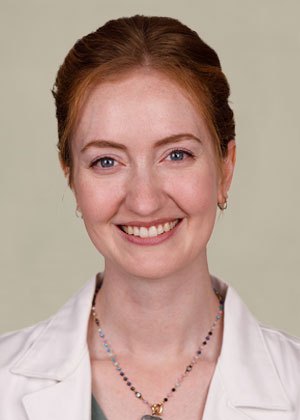
Dr. Christina Mills is a neurologist specializing in headache medicine with Erlanger Neurology and is a member of the Chattanooga-Hamilton County Medical Society.