
Q: Can stress cause skin problems?
A: Absolutely. In dermatology, we frequently hear patients say, “My skin always seems to get worse when I’m stressed.” And there is good science behind that observation.
Our skin doesn’t operate independently from the rest of our body. When we experience stress, our brain and nervous system trigger the release of hormones and inflammatory signals that can affect the skin. For some people, that may mean an acne breakout. For others, it can trigger or worsen eczema, psoriasis, rosacea or even hives.
Stress can also make us itch more. Unfortunately, scratching creates more inflammation, which causes more itching. Dermatologists call this the “itch-scratch cycle,” and stress can be an important part of what keeps that cycle going.
It’s important to understand that stress usually isn’t the sole cause of a skin disease. Instead, I like to think of it as something that can turn up the volume on a problem that is already there. Someone whose eczema or psoriasis is normally well controlled may suddenly experience a significant flare during a particularly stressful season of life.
Interestingly, the relationship works both ways. Skin disease itself can create significant stress. Conditions that are painful, itchy or visible to others can affect sleep, confidence and quality of life. That stress may then contribute to further skin symptoms, creating a frustrating cycle.
So what can you do about it? You probably can’t eliminate stress from your life—and trying to do so may just give you one more thing to stress about! Instead, focus on the basics: get adequate sleep, exercise regularly, eat well and make time for healthy activities that help you decompress. At the same time, treat the skin condition itself rather than assuming stress management alone will make it disappear.
Most importantly, don’t dismiss a new or changing skin problem as “just stress.” Persistent, worsening or concerning skin changes deserve an appropriate evaluation.
Our skin can sometimes be a surprisingly good barometer of what is happening elsewhere in our lives. Taking care of it often means paying attention to both the outside and the inside.
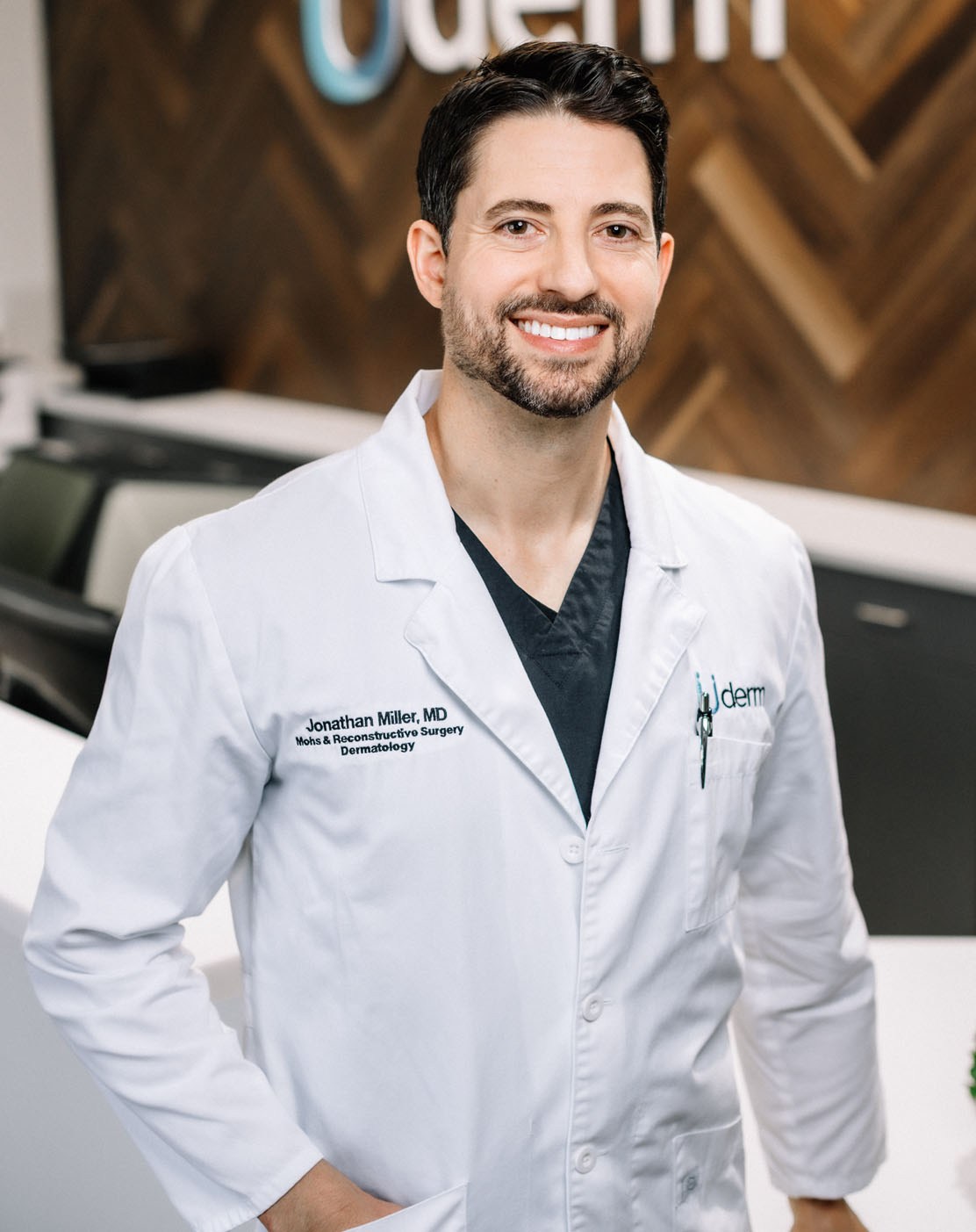
Dr. Jonathan Miller is a dermatologist with Uderm and a member of the Chattanooga-Hamilton County Medical Society.