
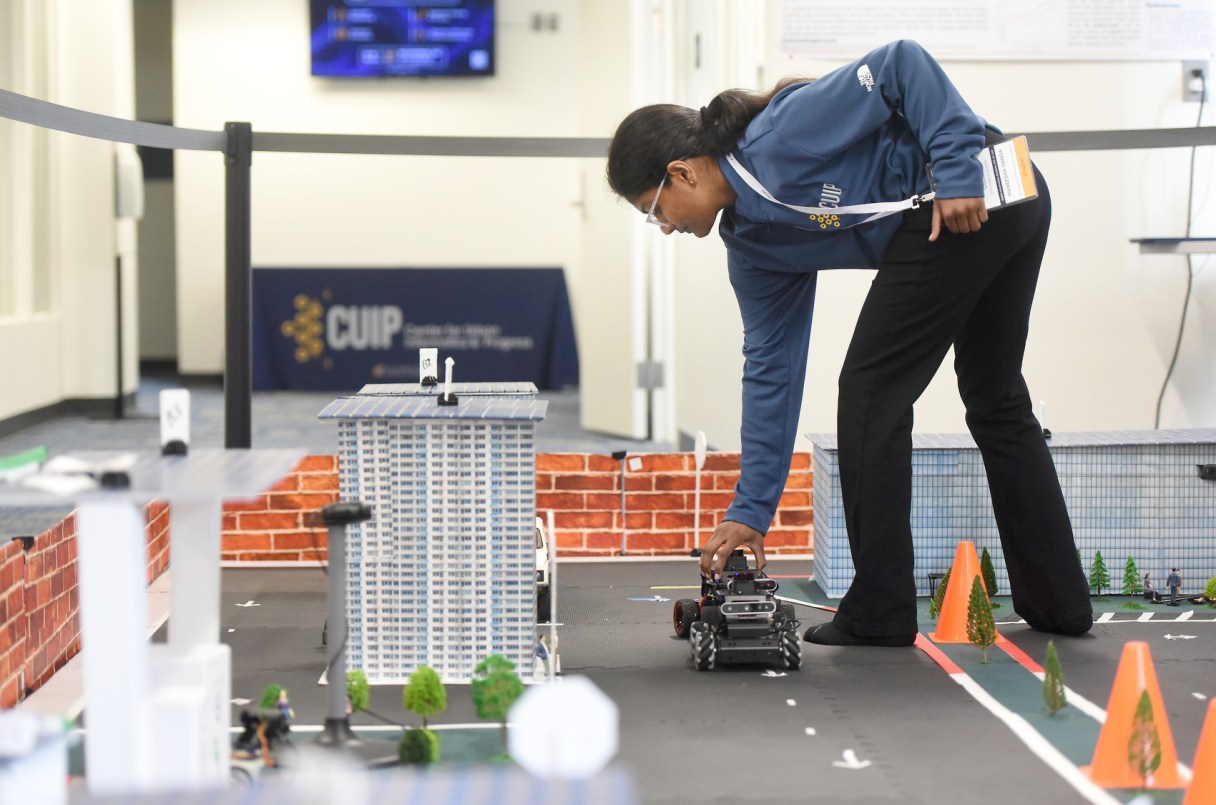

The city of Chattanooga is nearly finished with a $2 million grant to help emergency vehicles communicate with the intersections they’re passing through, and local officials are looking to expand the program beyond the downtown health corridor.
Meanwhile, funding has been cut from the federal program that was slated to help the city scale the effort, prompting officials to attempt to carry the technology forward using a separate $17 million grant for road safety.
In July 2025, the city first showcased the technology made possible through the federal Strengthening Mobility and Revolutionizing Transportation (SMART) grant program, a federal effort aimed at helping local governments fund demonstration projects focusing on how technology can improve road safety for cars and pedestrians alike. Stage 1 awards were capped at $2 million and 18 months.
On Wednesday, with Stage 1 of the grant coming to a conclusion, city staff joined partners from the U.S. Department of Transportation to celebrate the program’s success and to demonstrate the tech in action.
(READ MORE: Chattanooga tests traffic tech to improve safety, speed up emergency response)
The systems developed through the grant are twofold and include emergency-vehicle preemption and a process called cooperative perception, said Mina Sartipi, interim vice chancellor for research at the University of Tennessee Chattanooga and executive director of the UTC Research Institute.
While specific data is still being collected and will be submitted as part of the grant’s reporting requirements later this year, Sartipi said the grant has shown that the two systems work and are effective tools to make local roads safer.
Now, she said, they need the resources to scale the technology.
“This is a demonstration grant. So we have tested it. We know it can save time. We know it can save lives,” she said at Wednesday’s demonstration. “But we haven’t been able to deploy it on a larger scale.”
Chattanooga seeks to expand traffic technology despite funding loss
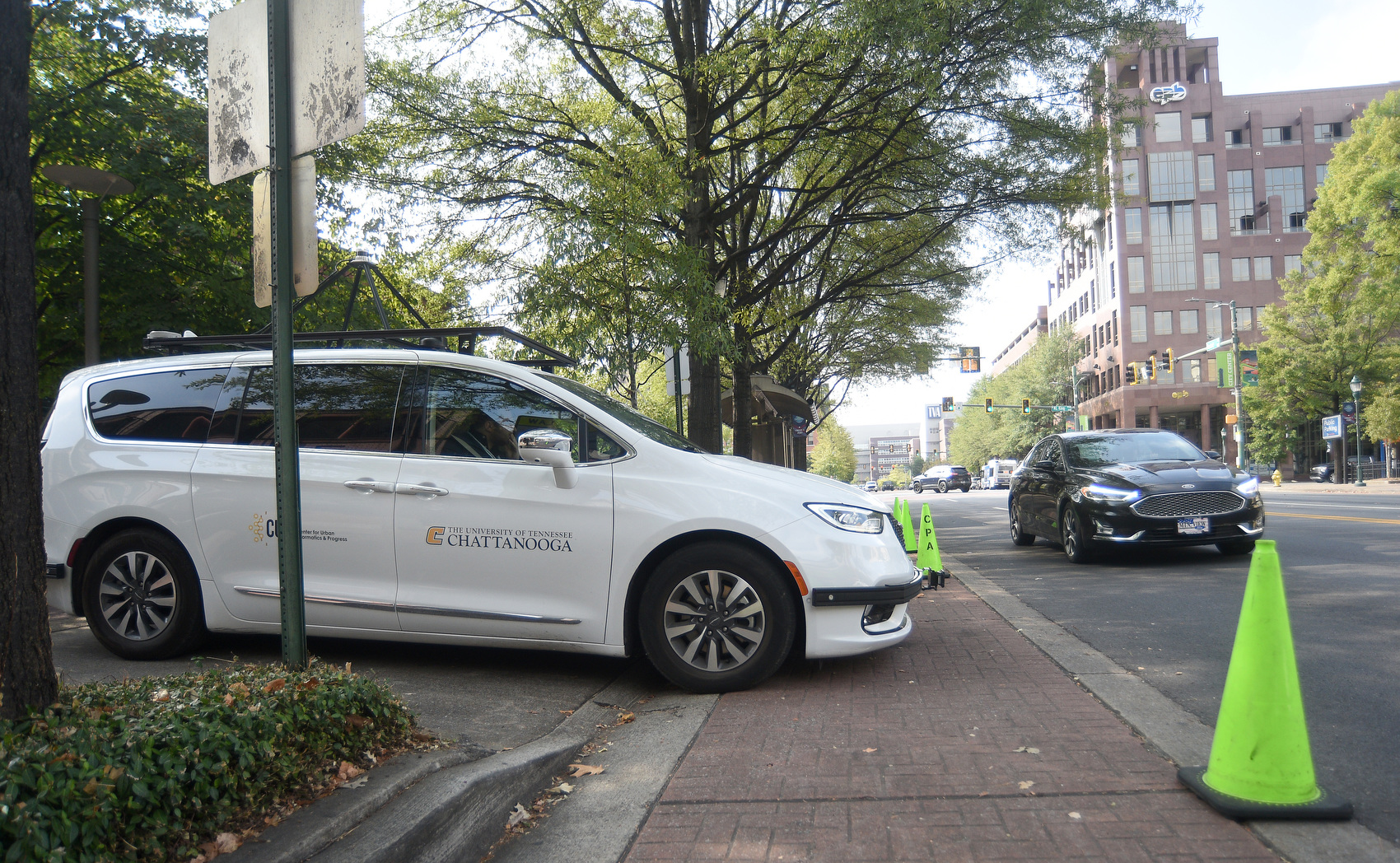
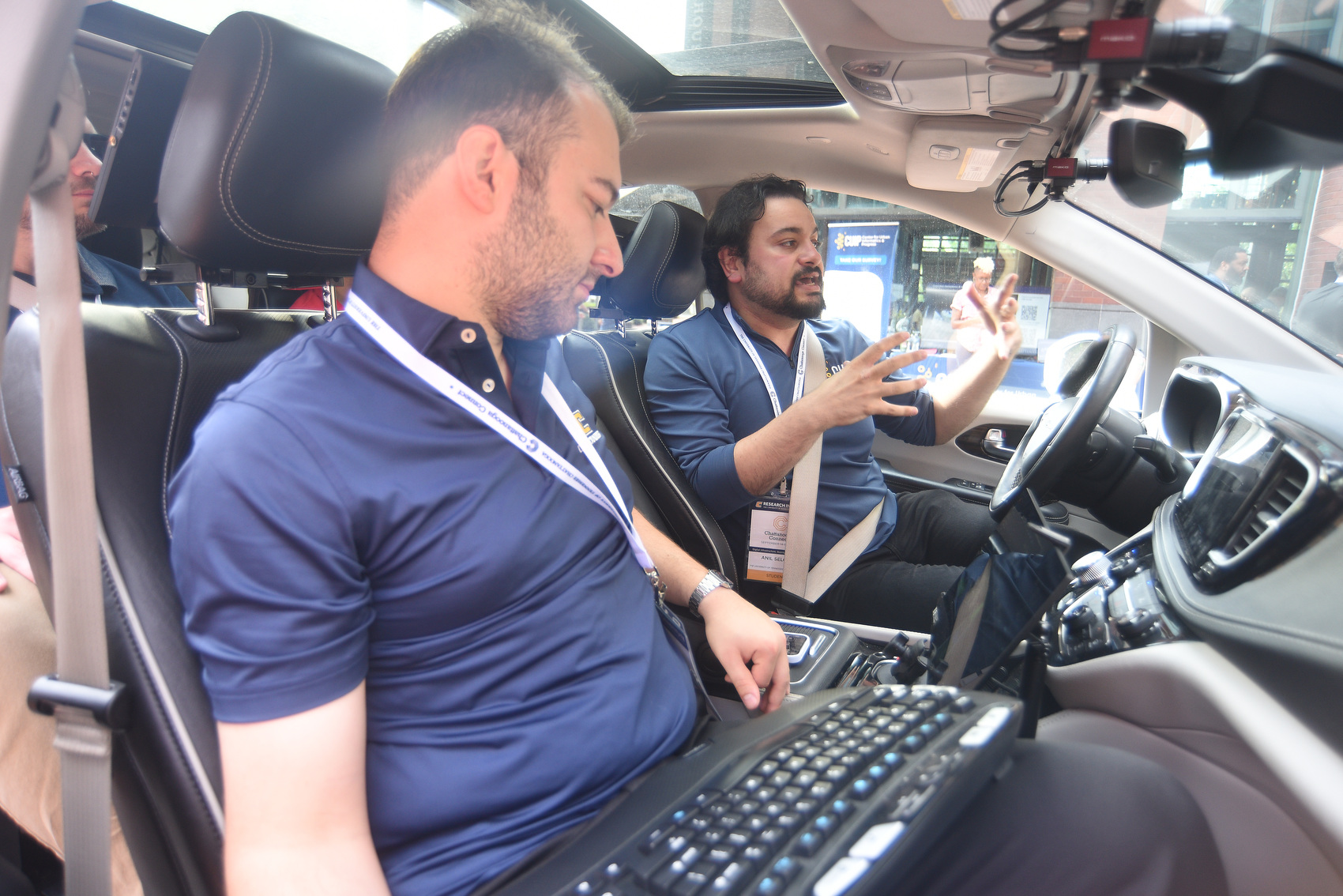
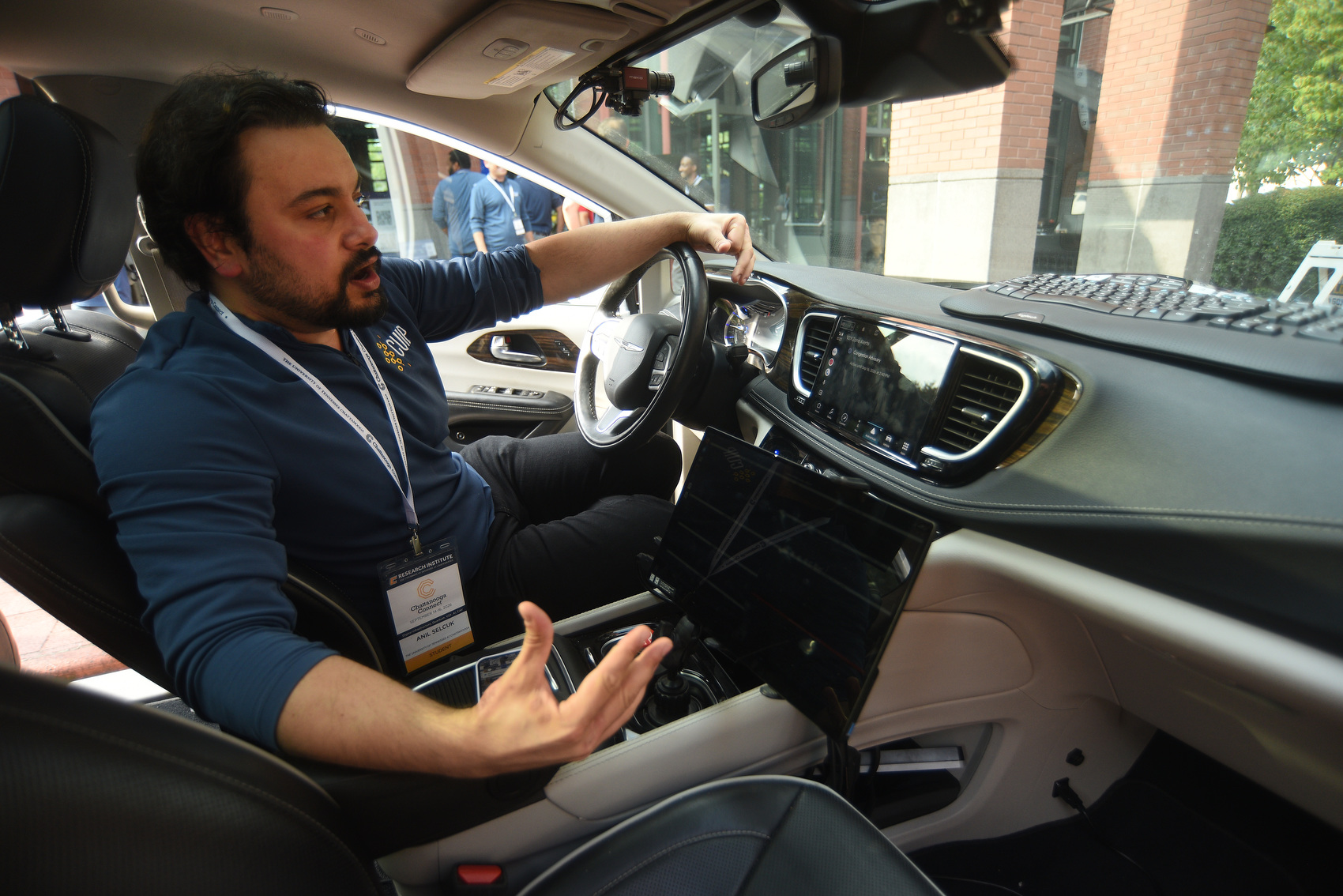
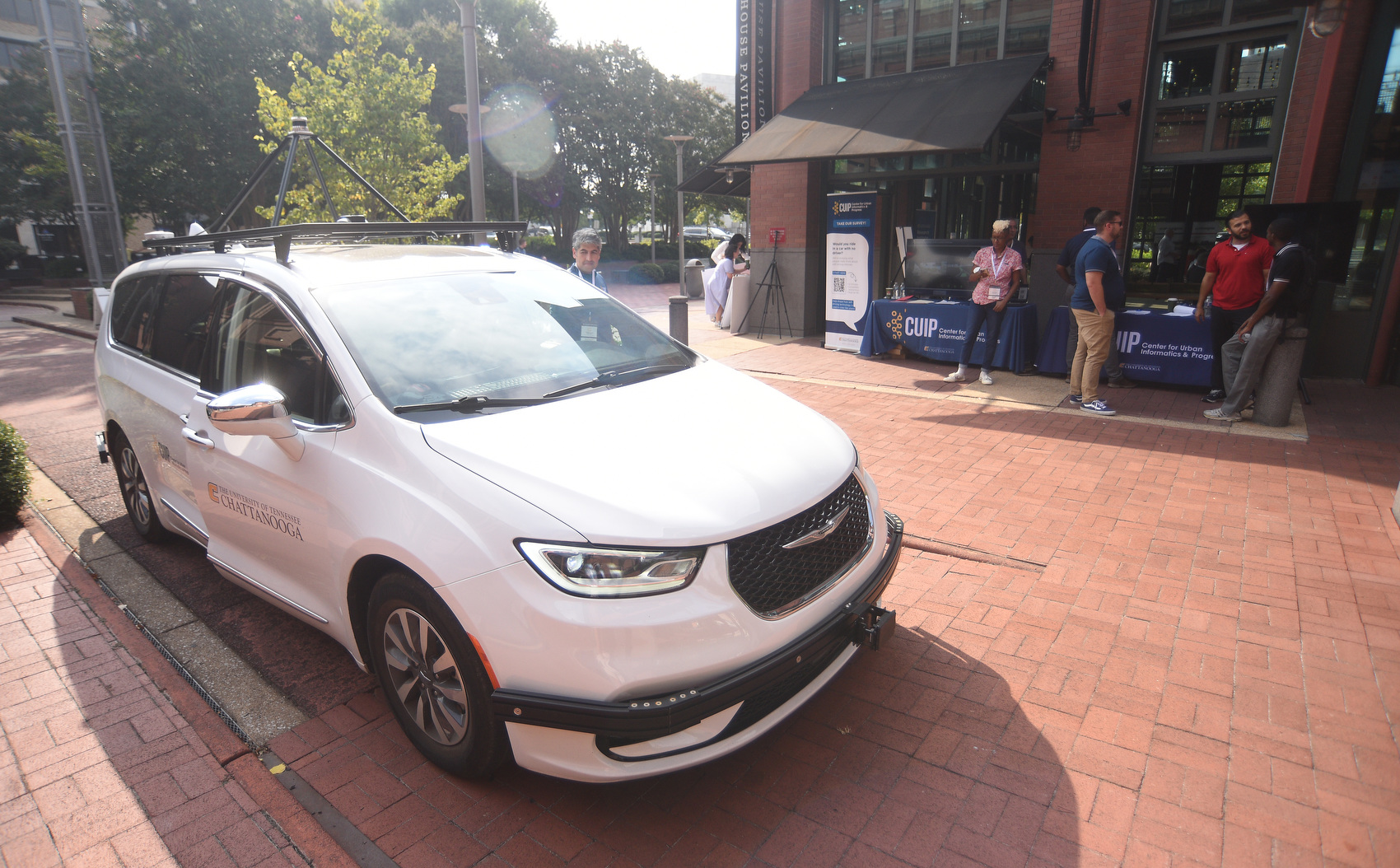
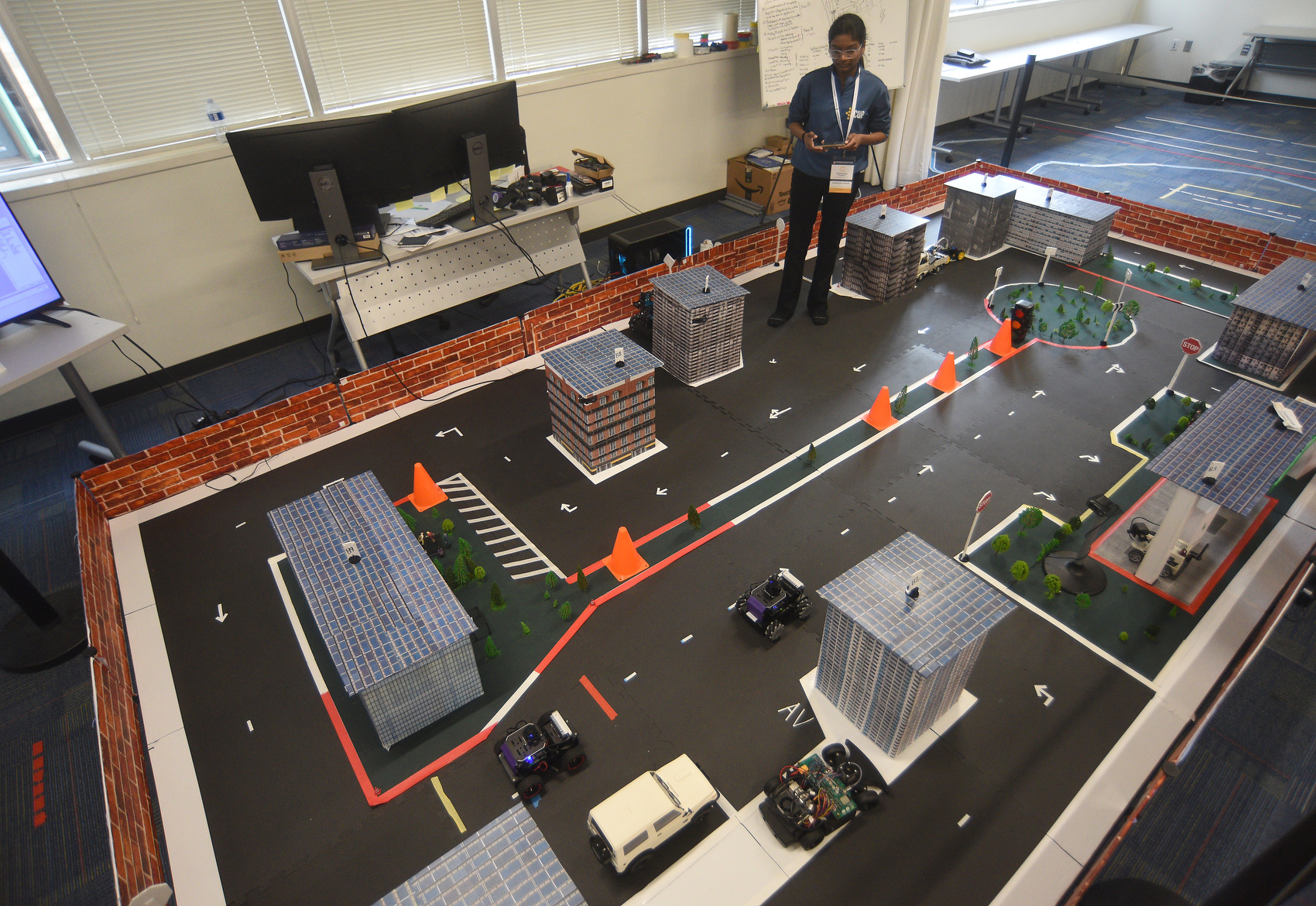
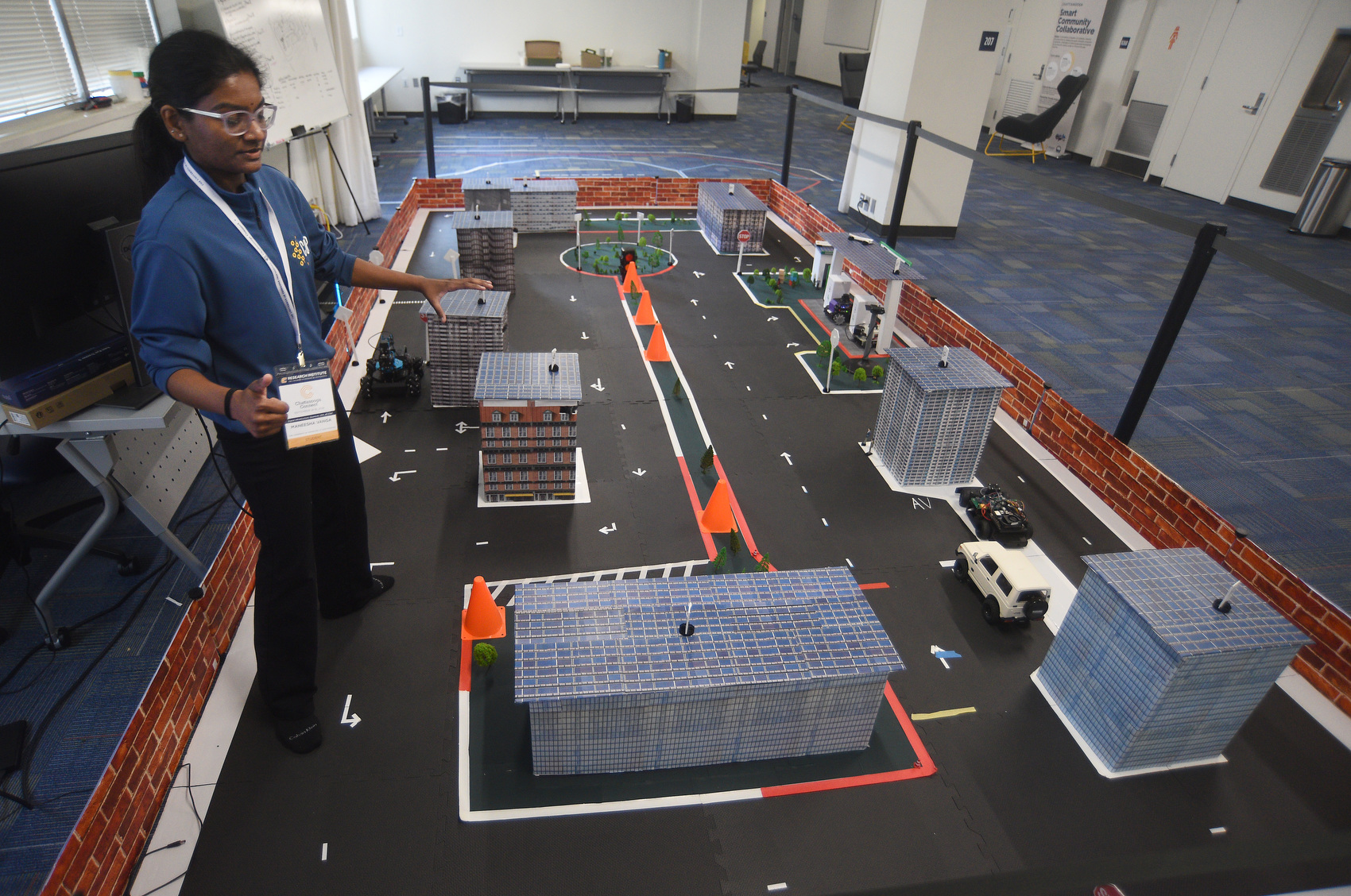
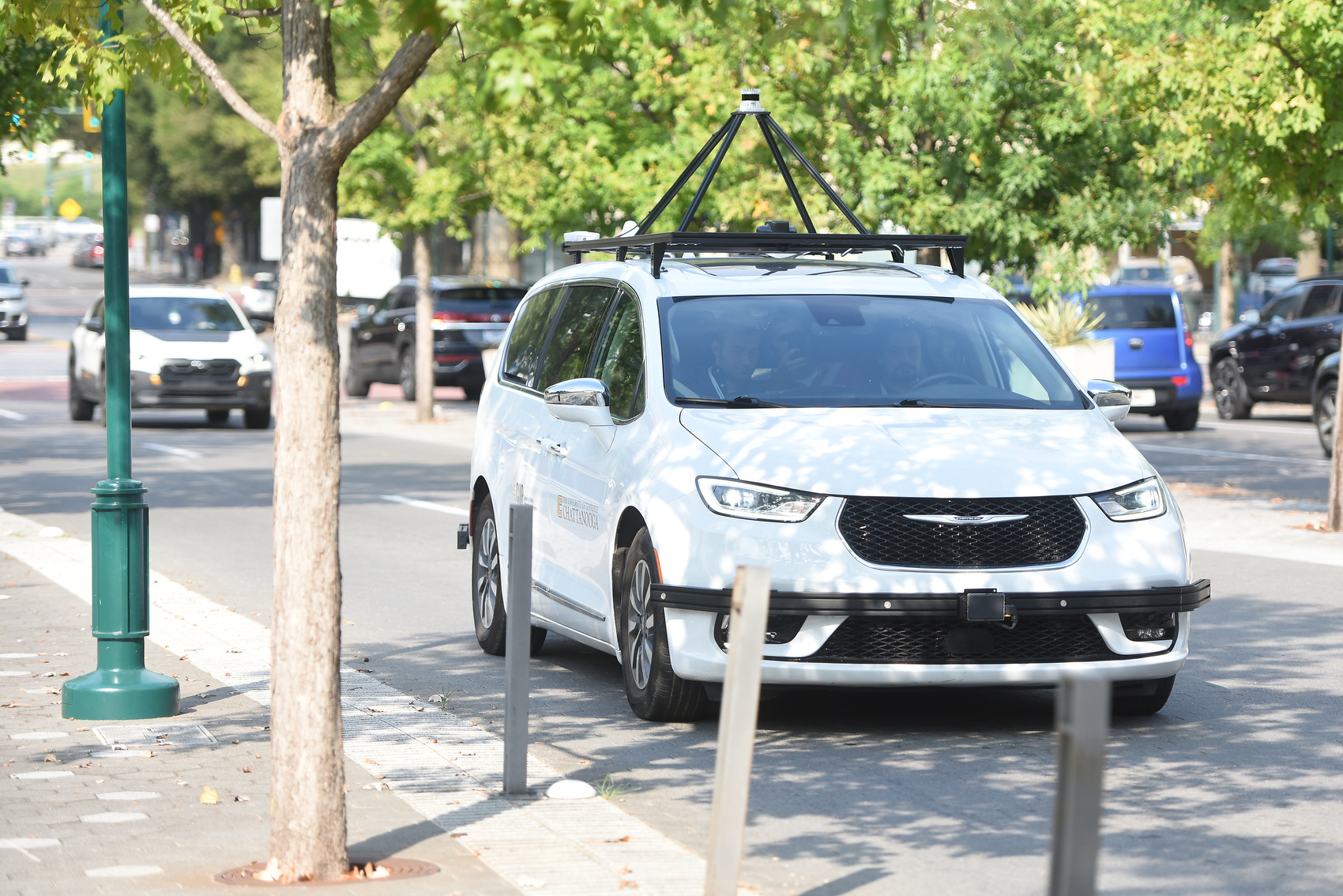
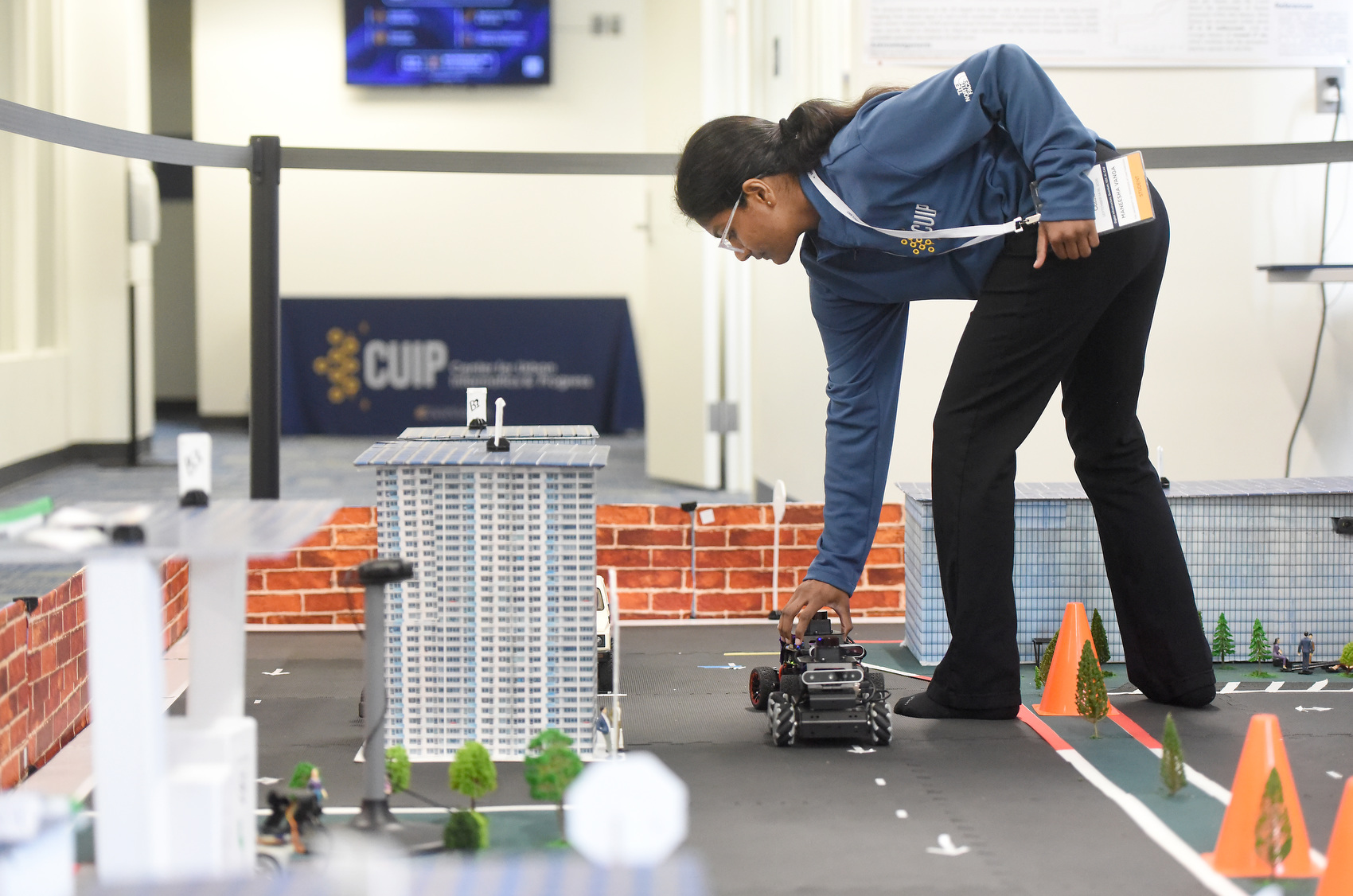
One technology deployed through the grant – emergency vehicle preemption – allows fire engines and ambulances equipped with onboard units to automatically alert upcoming traffic lights that the vehicle is on the way to an emergency and to adjust the stoplight accordingly. Since Stage 1 is only for demonstration, not all local first-responder vehicles are equipped with the unit, nor are all lights in the city programmed to recognize them when they’re approaching, Sartipi said.
The SMART technology has been deployed at 13 intersections along the Third Street health corridor between Siskin Drive and Glenwood Drive, which provides connections to Erlanger, Parkridge and CommonSpirit Memorial hospitals.
A second technology added as part of the grant – called cooperative perception – allows lidar sensors at selected intersections to detect pets, pedestrians and other potential hazards in the road and alert the driver before the hazard is even visible.
The ultimate hope, Sartipi said, is to eventually build this information into an app so drivers are alerted to potential accidents before they would’ve reacted on their own. If and when autonomous cars become prevalent in Chattanooga, the system would be able to alert them to roadway obstacles and pedestrians that their onboard cameras and sensors may not have detected on their own, she said.
While some of this technology has existed well before the city received grant money to implement it, she said, SMART funding has helped connect these systems into something more comprehensive than its parts.
“Before SMART, we had the sensors. We had the information. We had the knowledge,” Sartipi said. “But it was not communicated.”
Ryan Huddleston, Chattanooga’s director of intelligent cities, said technology surrounding traffic safety hasn’t progressed much since the invention of the traffic light, and the SMART grant has allowed the city to explore how connected infrastructure can protect drivers, cyclists and pedestrians alike.
“We’re really looking forward to getting all of that data from this kind of pilot phase and really closing out that chapter of the project,” Huddleston said at the demonstration. “We want to configure (our systems) so that even though they’re across different funding sources, different grants, they all are able to communicate with each other in the city.”
It’s unclear at this point whether the project will be scaled as previously planned. City spokesperson Stephanie Cepak said Chattanooga had planned to pursue Stage 2 funding – with discussions already underway – when in January, Congress voted to reallocate the money and eliminate additional rounds of funding.
Cepak said that when the city learned about this, it rolled Stage 2 efforts into a $17 million Safe Streets and Roads for All grant application approved by the City Council in May.
The city is still waiting to hear back on the grant award.
Contact staff writer John P. Boan at jboan@timesfreepress.com.