
Wednesday, November 11, 2026Nov 11

Dire US labor shortage provides opportunity for ex-prisoners

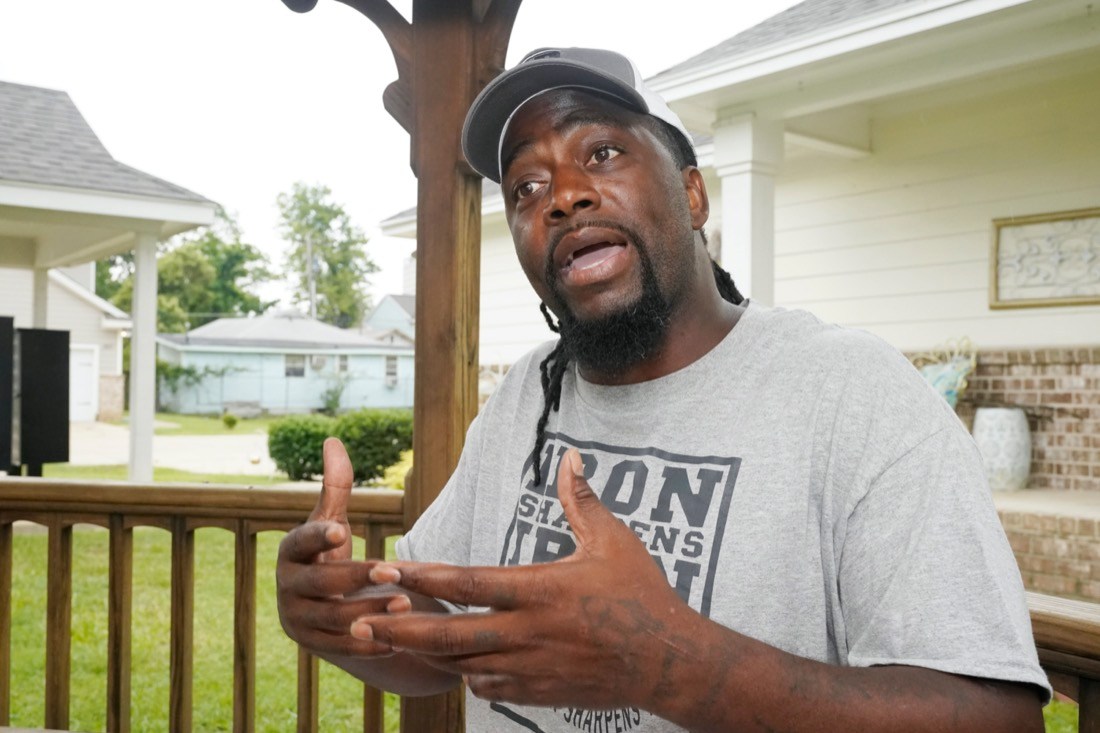
Incarcerated at 15, Jackson, Miss., resident Antonio McGowan, Wednesday, June 29, 2022, says he had limited prospects coming out of prison after being released in 2014. However, McGowan later enrolled in the Hinds County Reentry Program, which provides workforce training for formerly incarcerated people, which led to a work-based learning program at Hinds Community College, which placed him in a job that is giving him maintenance training in heating and air conditioning, while employed. (AP Photo/Rogelio V. Solis)
Incarcerated at 15, Jackson, Miss., resident Antonio McGowan, Wednesday, June 29, 2022, says he had limited prospects coming out of prison after being released in 2014. However, McGowan later enrolled in the Hinds County Reentry Program, which provides workforce training for formerly incarcerated people, which led to a work-based learning program at Hinds Community College, which placed him in a job that is giving him maintenance training in heating and air conditioning, while employed. (AP Photo/Rogelio V. Solis) Incarcerated at 15, Jackson, Miss., resident Antonio McGowan, Wednesday, June 29, 2022, says he had limited prospects coming out of prison after being released in 2014. However, McGowan later enrolled in the Hinds County Reentry Program, which provides workforce training for formerly incarcerated people, which led to a work-based learning program at Hinds Community College, which placed him in a job that is giving him maintenance training in heating and air conditioning, while employed. (AP Photo/Rogelio V. Solis)

JACKSON, Miss. (AP) – When Antonio McGowan left the Mississippi State Penitentiary at Parchman after serving 17 years, he was free for the first time since he was 15. But as an adult finally out from behind bars, he immediately found himself confined to menial labor.

McGowan needed stable work, for a paycheck and to keep busy, but temporary gigs were all he could find. Just as those around him counseled the importance of maintaining a routine, he became trapped in a cycle of odd jobs and irregular hours. He trimmed grass one week and painted a house the next. But he couldn’t land anything full time, and the unpredictability of his income proved challenging. Disconnection notices and unpaid bills piled up.

“Things weren’t in place,” McGowan said. “They weren’t where I wanted them to be as far as being an individual back in society. It was a struggle.”

After several years adrift, McGowan was finally able to regain his footing with the help of the Hinds County Reentry Program, a workforce training program for former inmates created in October. Reentry programs are one way employers are trying to fill some of the 11.3 million open jobs in the U.S. amid a dire national labor shortage. The practice of employing people with a criminal record is known as “second-chance hiring.”

In rosier economic times, many former prisoners faced steep obstacles to finding work. The labor shortage sparked by the COVID-19 pandemic now presents them with opportunities, said Eric Beamon, a recruiter for MagCor, a company that provides job training to people in Mississippi correctional facilities.